EN
EN 


Australia is a vast continent-country defined by diverse geography, from coastal metropolitan regions to remote outback settlements. The climate ranges from tropical in the north to temperate in the south, with arid and semi-arid zones covering large inland areas. These varying environmental and logistical conditions make modern construction challenging in many regions. For this reason, demand for a prefab house in Australia continues to grow as property owners, developers, and public institutions seek faster and more predictable building methods.
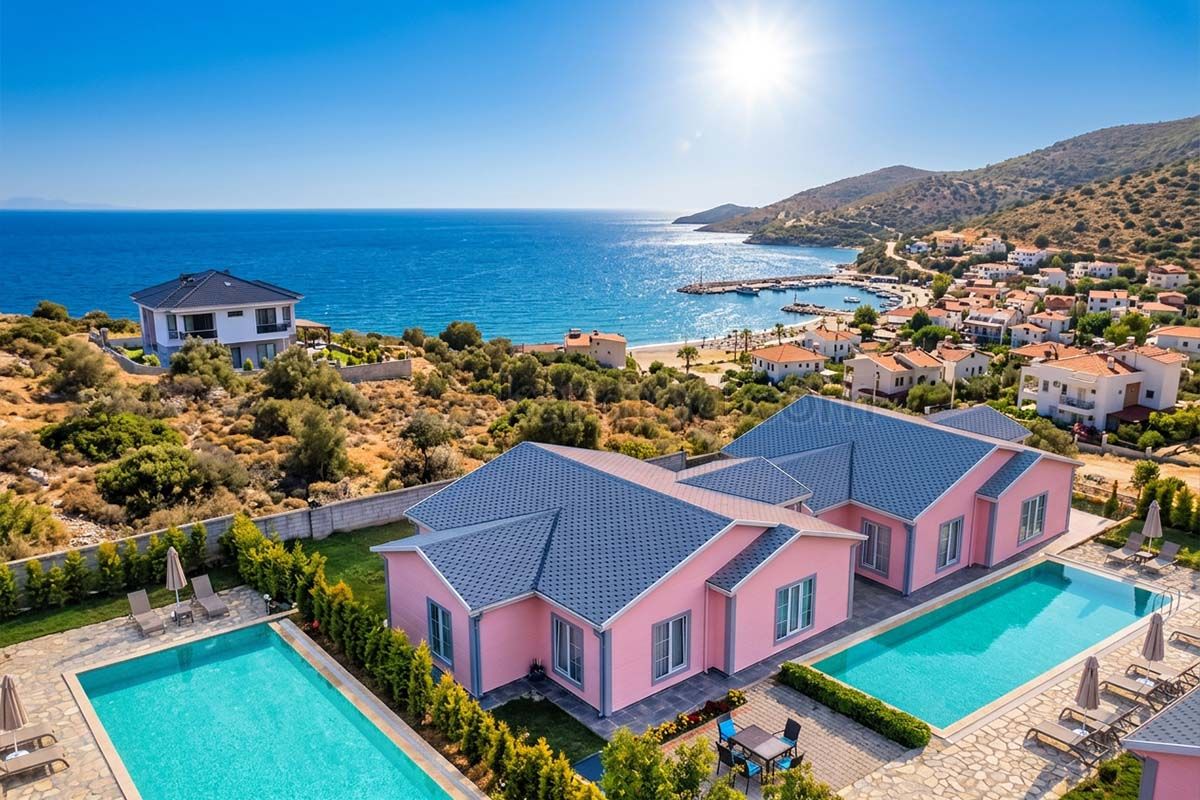
Prefab houses and prefab homes in Australia provide practical solutions for remote and climate-based construction. Manufactured under controlled factory conditions and delivered to site, these modular housing solutions reduce weather-related delays, improve cost control, and support efficient project planning. From suburban developments to rural land and mining regions, prefabricated housing solutions offer flexibility and long-term reliability.
Whether planned as a primary residence, holiday home, worker accommodation, or investment property, modular construction systems allow projects to be completed with precision and speed. Designs can be adapted to local council requirements, regional wind classifications, and energy performance expectations across Australia.
Building in Australia requires consideration of climate zones, bushfire exposure levels, coastal corrosion risks, and remote logistics. A prefab house in Australia is engineered with these factors in mind.
Prefab homes in Australia are manufactured using materials suitable for high UV exposure, strong winds, heavy rainfall in tropical regions, and temperature variation between seasons. Insulation systems and structural components can be adapted to meet local energy efficiency standards and regional compliance requirements.
Transporting construction materials to remote or regional areas can significantly increase traditional building costs. Prefabricated housing solutions are produced in modules and delivered in a controlled sequence, reducing on-site labor dependency and minimizing disruption. This approach is particularly valuable in mining regions, agricultural zones, and expanding suburban corridors.
Because modular construction systems are largely completed off-site, foundation preparation and production occur simultaneously. This shortens the overall project timeline and enables faster occupancy compared to conventional construction methods.
The cost of prefab homes in Australia depends on several variables, including size, layout complexity, insulation level, transport distance, and site preparation requirements. Compared to traditional construction, prefabricated housing offers more predictable budgeting due to factory-controlled production.


Pricing is typically calculated per square meter, with adjustments based on design customization and regional compliance requirements. Projects in metropolitan areas may have different logistical considerations than those in remote territories.
A low cost prefab house in Australia cost structure is achievable through standardized production and modular design efficiency. Cost control is supported by reduced material waste, optimized labor use, and shorter construction timelines.
Affordable models do not imply reduced durability. Modern prefab houses are engineered for structural reliability and long-term performance. By selecting modular layouts and scalable design options, buyers can align their budgets with functional needs while maintaining quality standards.
Transport distance, foundation type, and optional interior finishes are key factors influencing final project cost. For this reason, most prefab homes in Australia are priced through a project-based quotation approach.
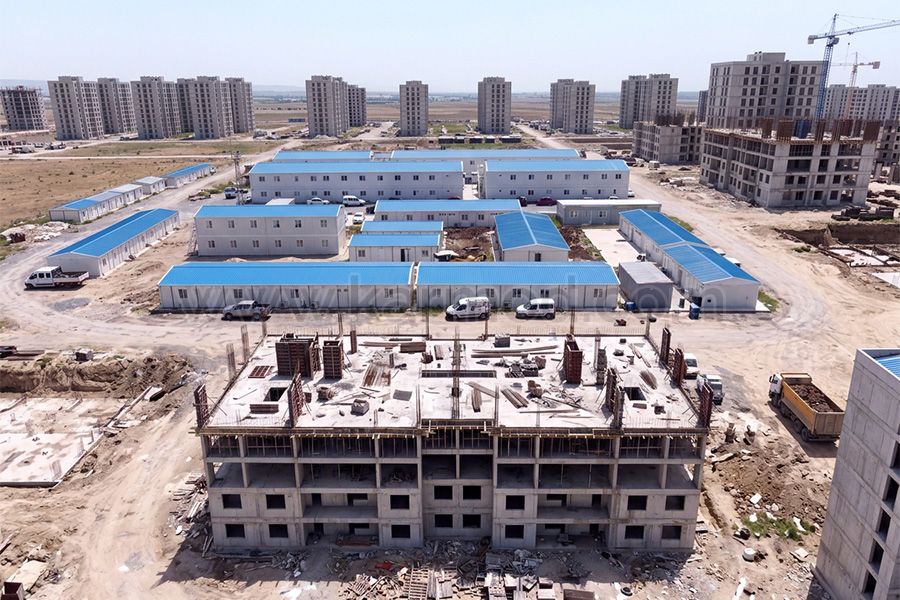
Australia continues to invest in social and community housing to address urban growth and regional accommodation needs. Prefabricated housing solutions are well suited for these initiatives due to rapid deployment capability and consistent build quality.
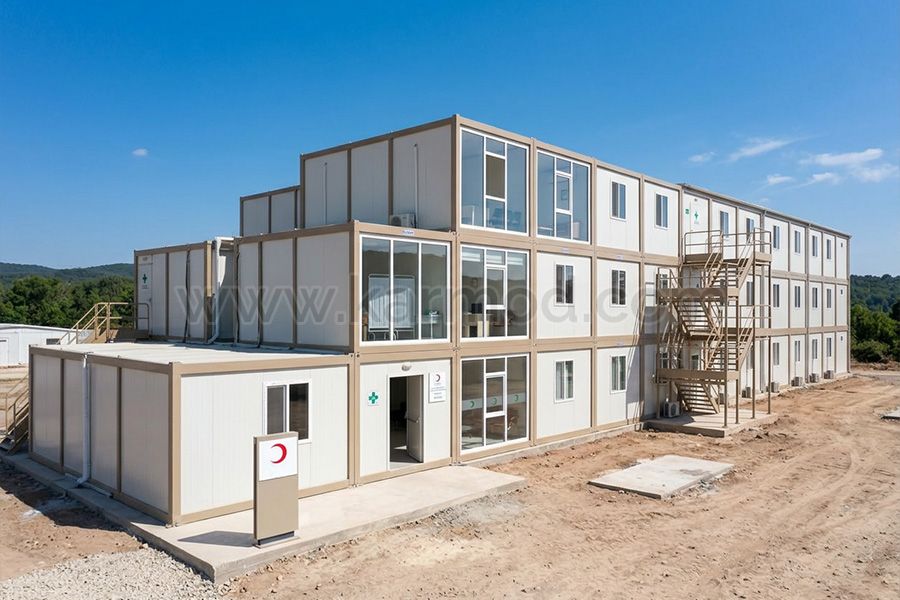
Modular homes in Australia can be configured for multi-unit developments, workforce accommodation, indigenous community housing, and emergency response settlements. Fast installation reduces pressure on local infrastructure and supports scalable expansion when required.
Government and institutional housing programs benefit from the predictability of modular construction systems, particularly in areas where traditional construction resources are limited.
Prefab steel buildings in Australia are widely used for industrial, commercial, and agricultural applications. Steel structures offer high strength-to-weight ratios and long-term durability in demanding environments.
Applications include warehouses, factories, workshops, storage facilities, and logistics hubs. Steel systems are engineered to meet Australian wind load standards and can be adapted for cyclone-prone northern regions.
Our prefab steel building solutions are manufactured with corrosion-resistant coatings and structural precision, supporting long service life with minimal maintenance requirements.


Modular homes in Australia provide flexibility for homeowners planning long-term occupancy or staged expansion. Floor plans can be configured as single-storey or multi-section layouts depending on land size and planning permissions.
Customization options include façade materials, roofing types, insulation performance, window placement, and interior layout adjustments. Modular construction systems allow future expansion by adding new sections as family or functional needs change.
This adaptability makes modular housing suitable for both urban infill developments and rural properties across Australia.


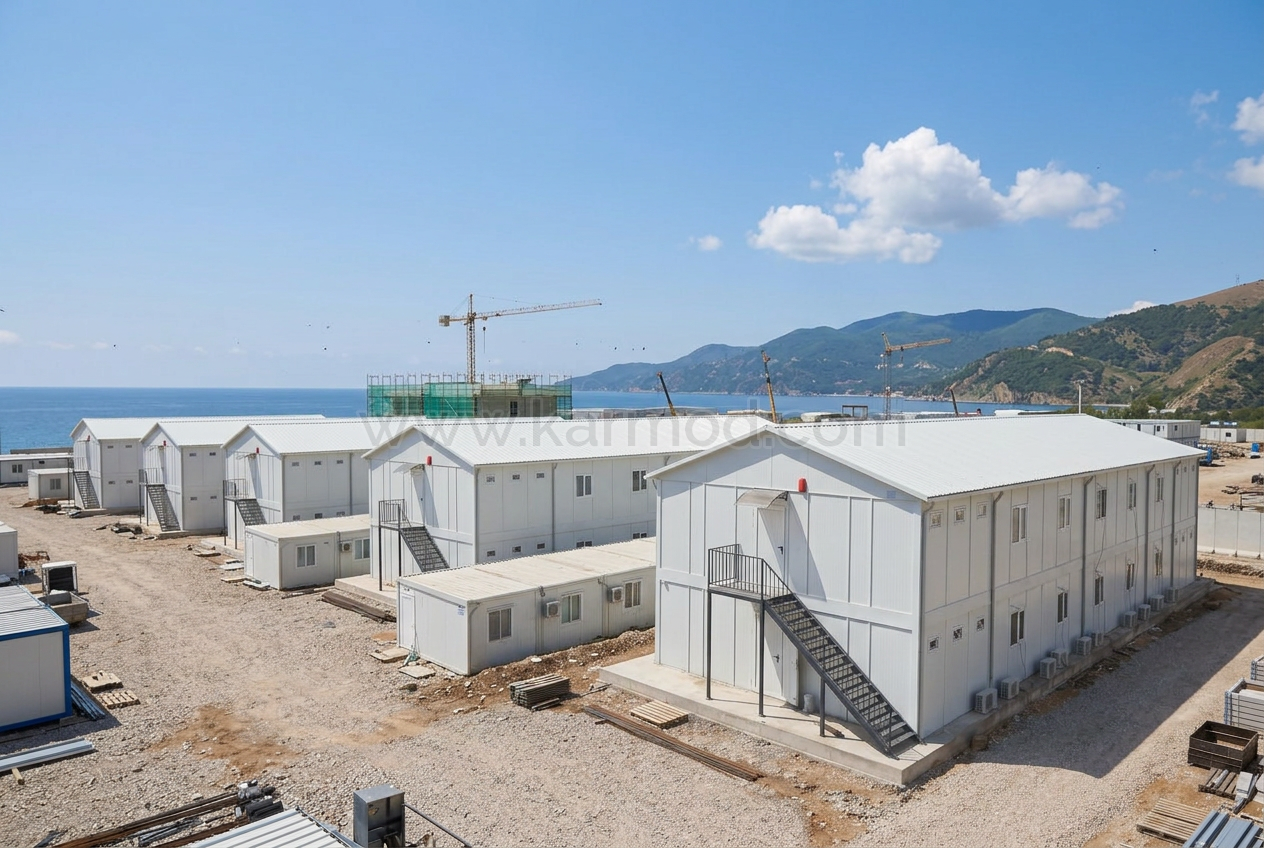
Mobile homes in Australia are designed for temporary or relocatable accommodation. These units are commonly used for construction site housing, mining camps, tourism facilities, and seasonal workforce accommodation.
Mobile homes are manufactured with lightweight yet durable materials to support transportation across long distances. Quick installation and minimal site preparation make them suitable for short-term and project-based usage.
As part of broader prefabricated housing solutions, mobile units complement permanent prefab house in Australia projects by offering flexible and relocatable living space when required.
For detailed technical information about prefab homes in Australia, modular homes, steel structures, or project-based planning, you may contact info@karmod.com.
In order to serve you better, if you could kindly send an e-mail to info@karmod.com for questions and details about your theoretical and special architectural plans, projects, and product specifications, your request will be responded to as soon as possible.

From one end of the world to the other, we enable our customers to reach the ready-made construction sector produced with the new technology of the world. We guarantee reliability through technology and innovation, flexible commercial models and smart supply chain solutions that add value for you, following the project production network.
Discover
Karmod is one of the largest prefabricated construction companies in Turkey, with a production of 45,000 m2. produces high quality prefabs and prefab containers