EN
EN 


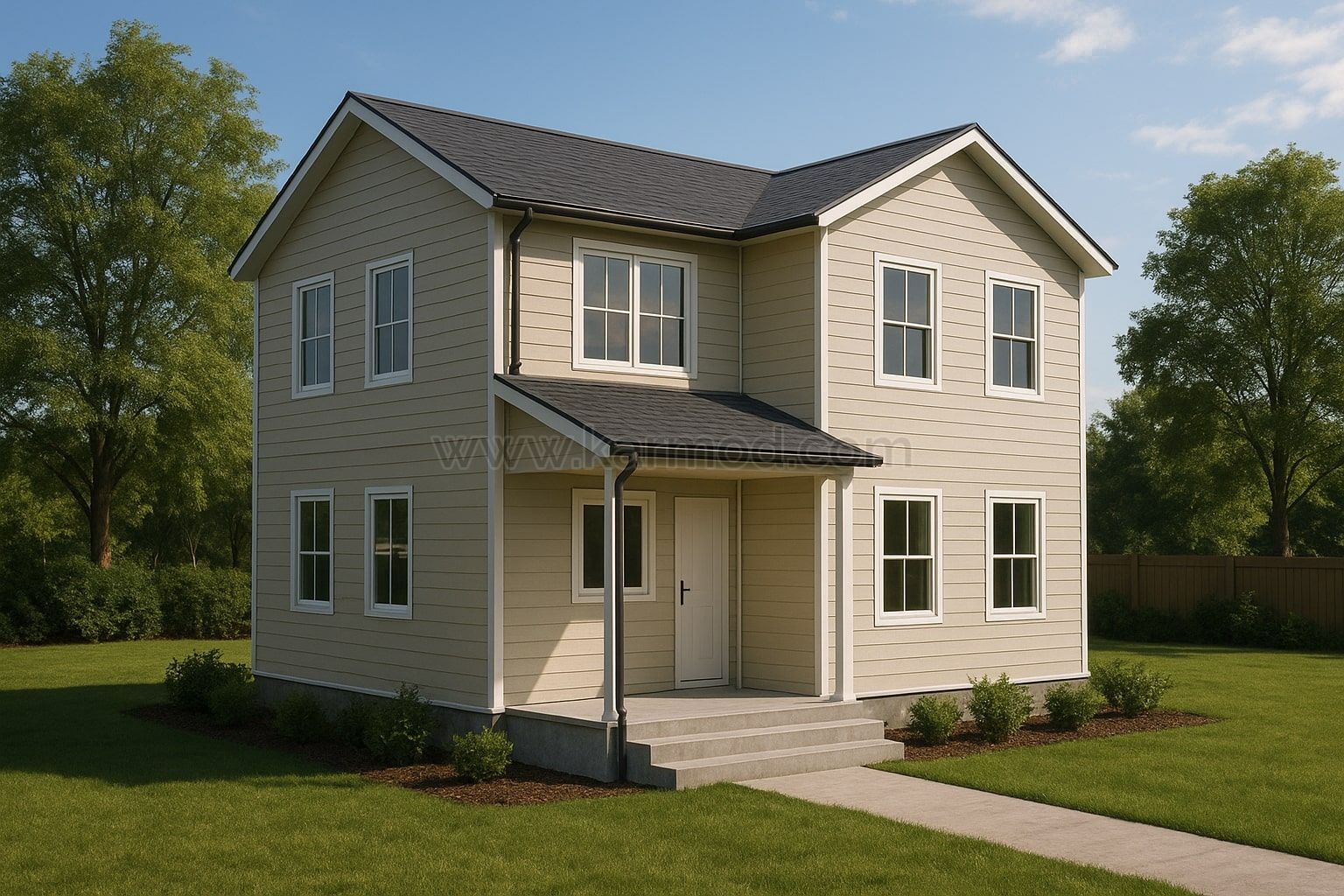
Prefab building manufacturers specialize in designing and producing pre-assembled building components that are later transported and installed on-site. These companies use advanced technologies such as computer-aided design (CAD) and Building Information Modeling (BIM) to ensure precision and efficiency. They serve a wide range of sectors, including residential, commercial, industrial, and healthcare. Leading manufacturers focus on sustainable practices, cost-effectiveness, and customization to meet the diverse needs of their clients.
Pre-engineered metal buildings (PEMBs) are among the most cost-efficient solutions in the prefab industry. Prices vary depending on size, design complexity, materials, and location. Smaller structures can be relatively affordable, while large warehouses or industrial facilities increase in cost due to engineering requirements and finishes. Despite initial investment, PEMBs typically reduce long-term expenses through lower maintenance and energy efficiency.
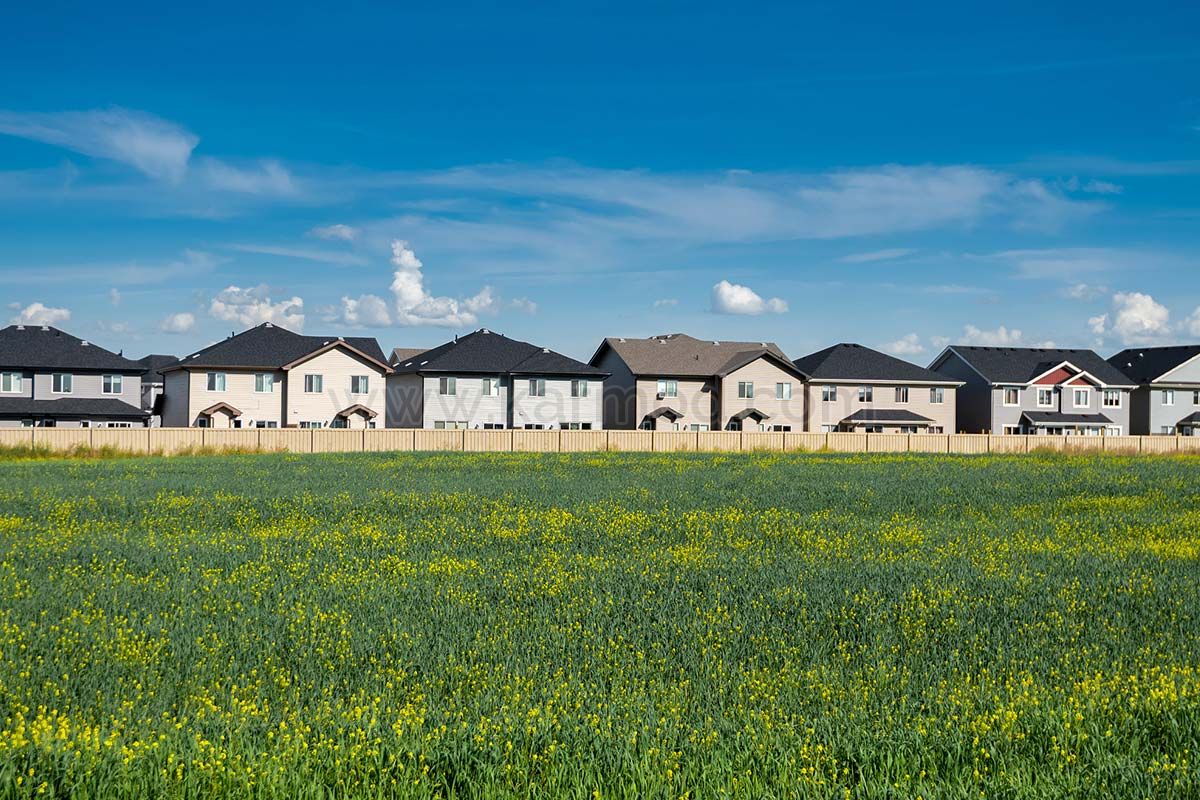
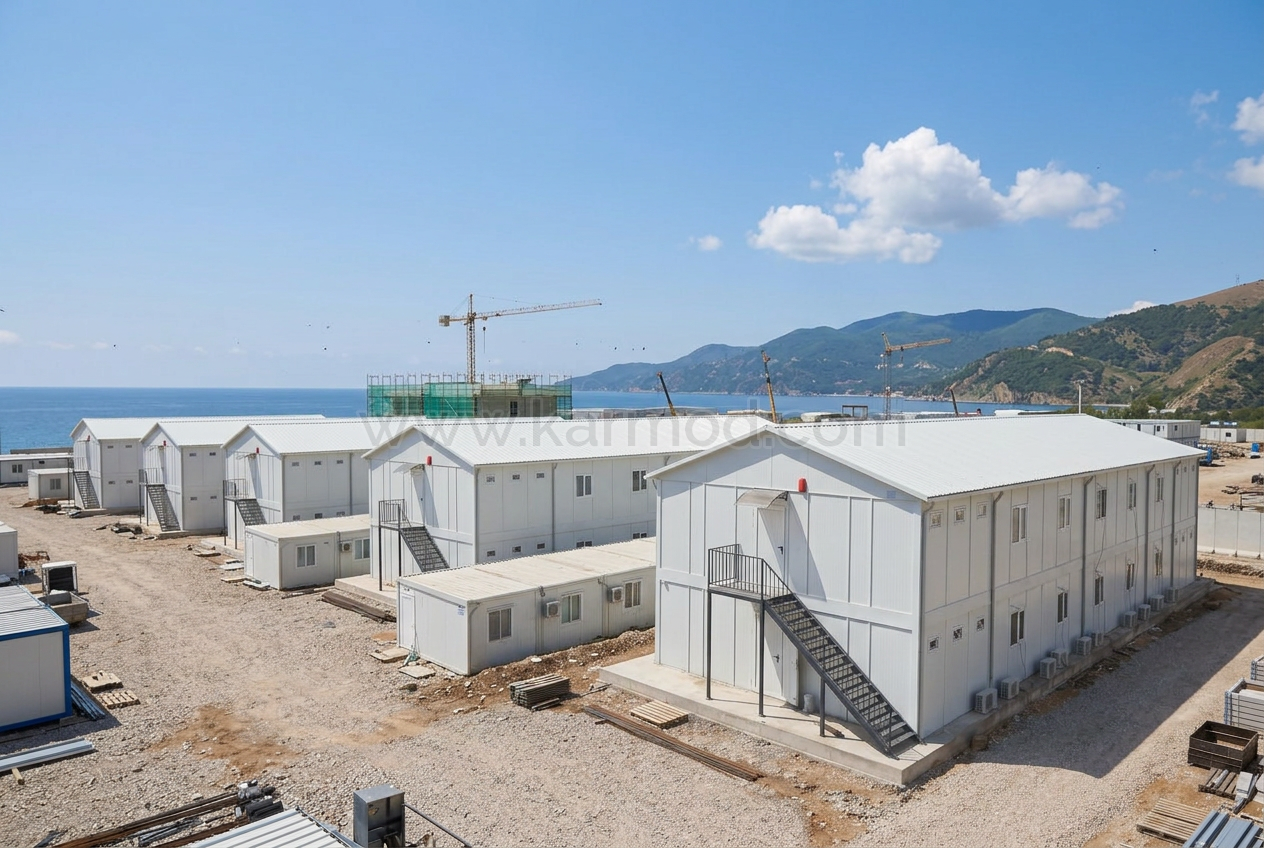
Prefab metal buildings are widely used for warehouses, factories, workshops, and agricultural facilities. They are built using prefabricated steel or aluminum components that are assembled quickly on-site. These buildings are durable, resistant to extreme weather, and customizable in terms of layout and design, making them suitable for both temporary and permanent applications.
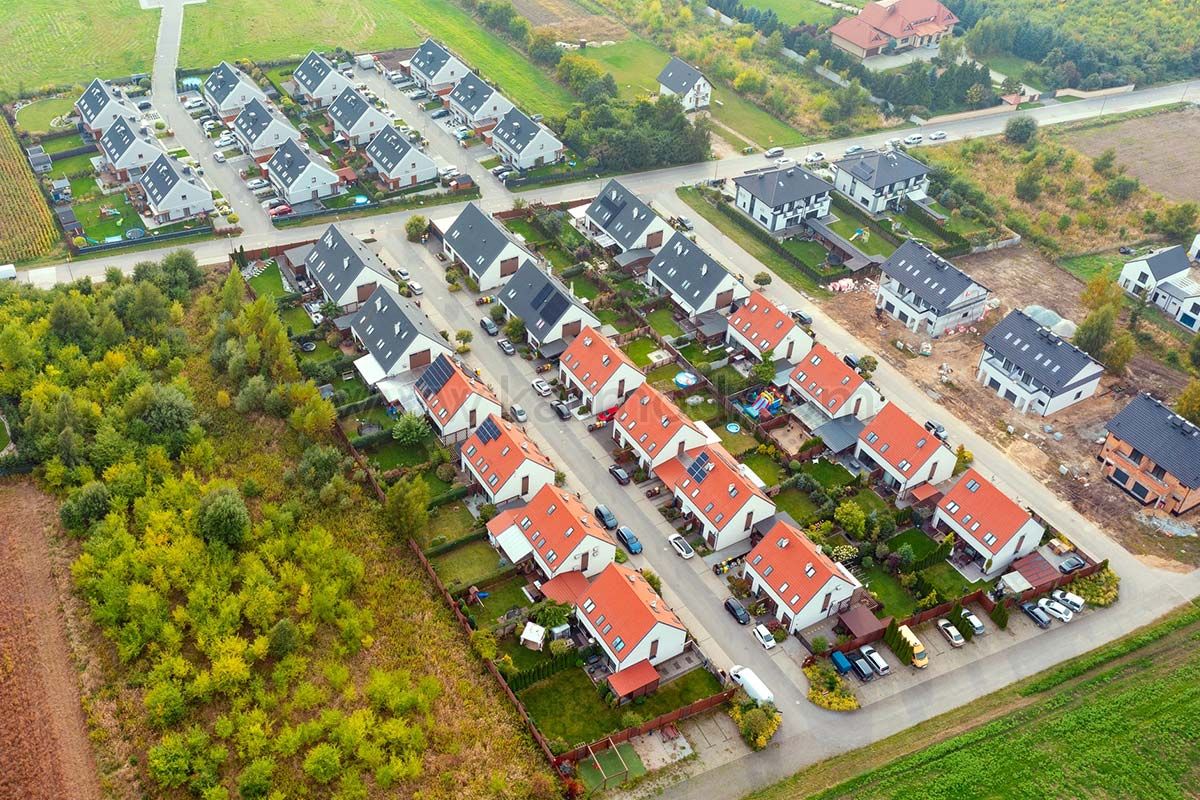
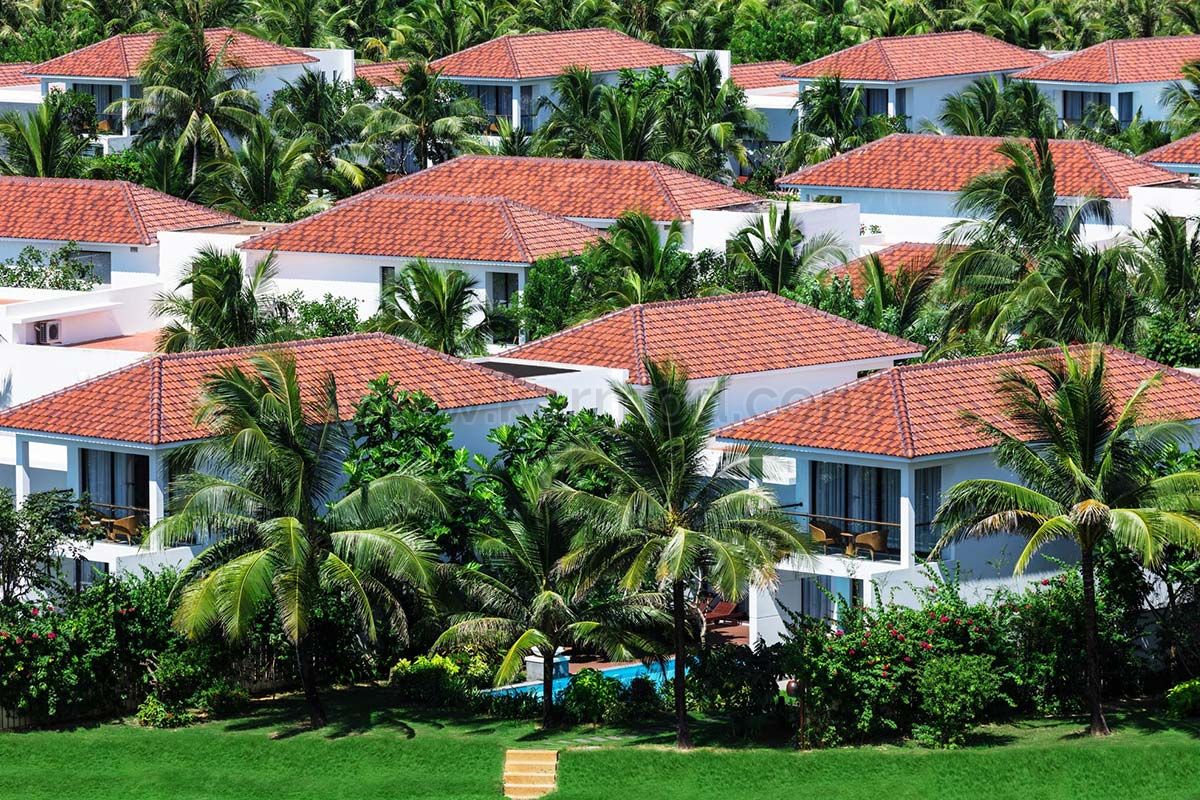
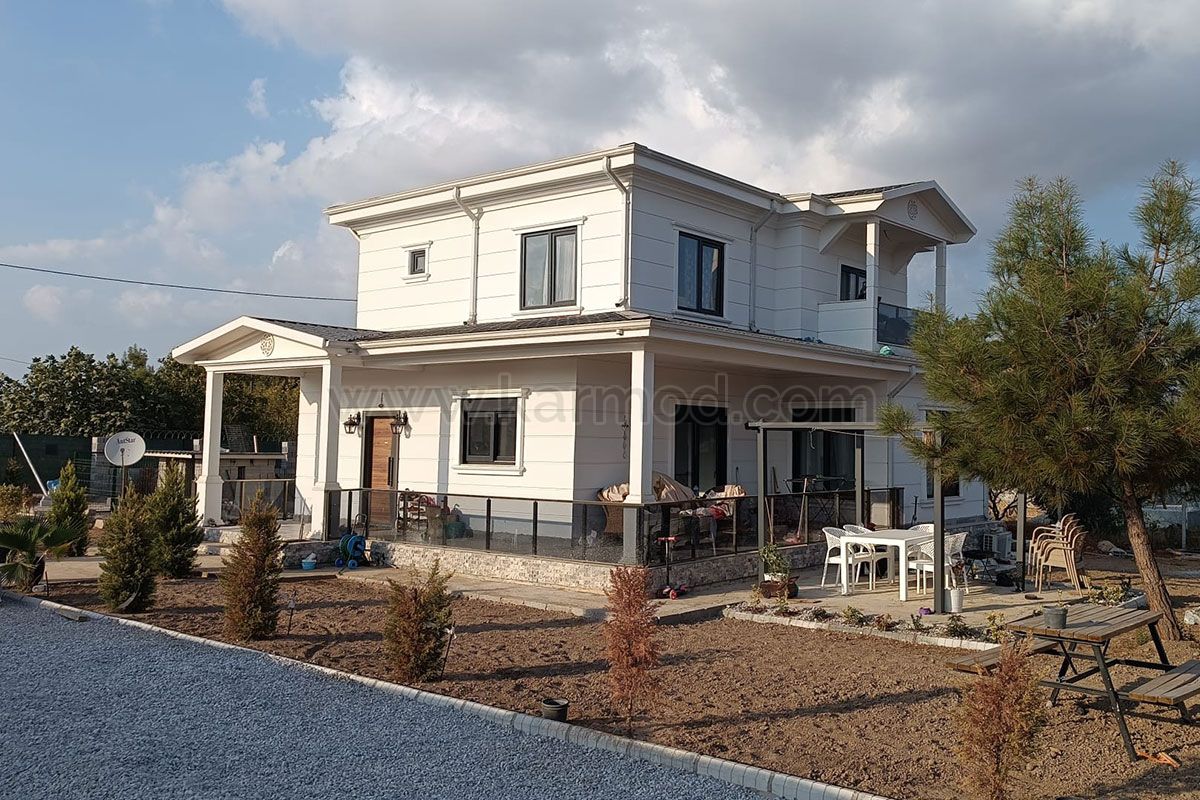
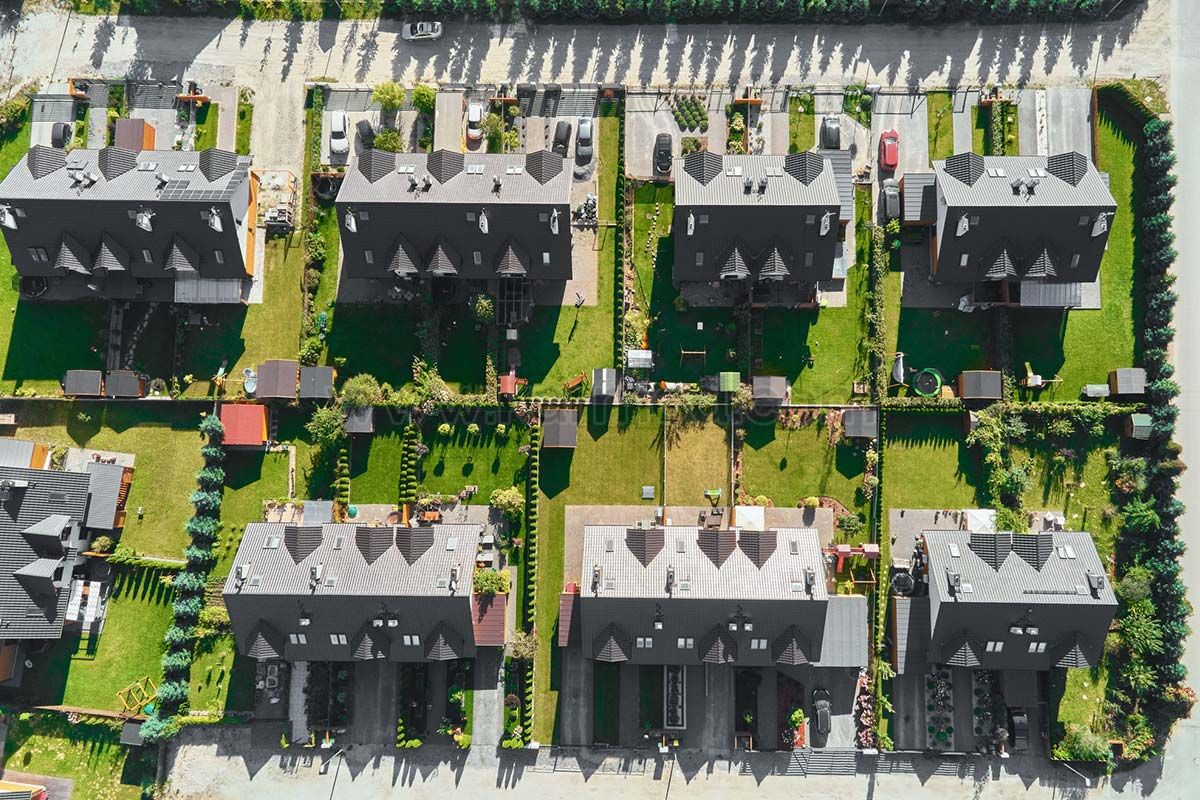
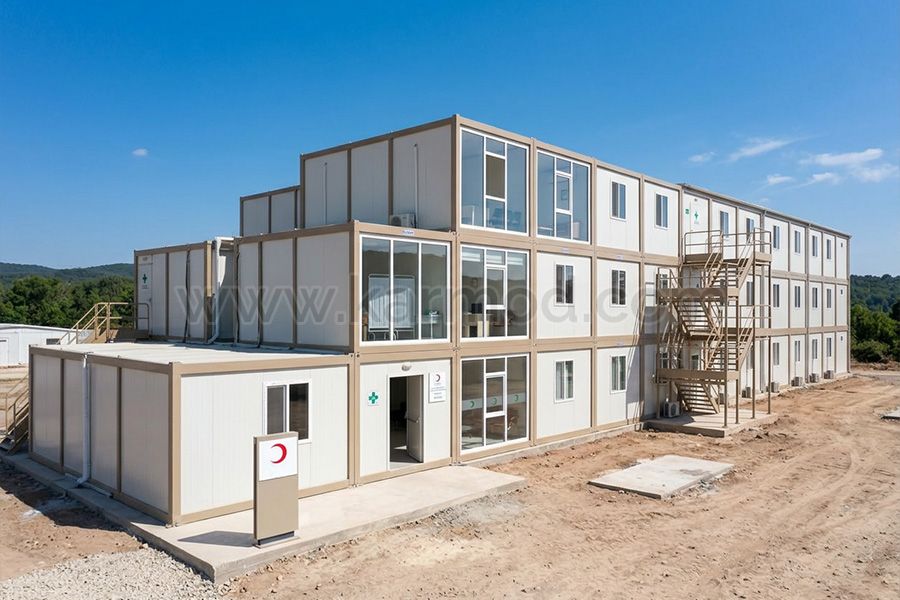
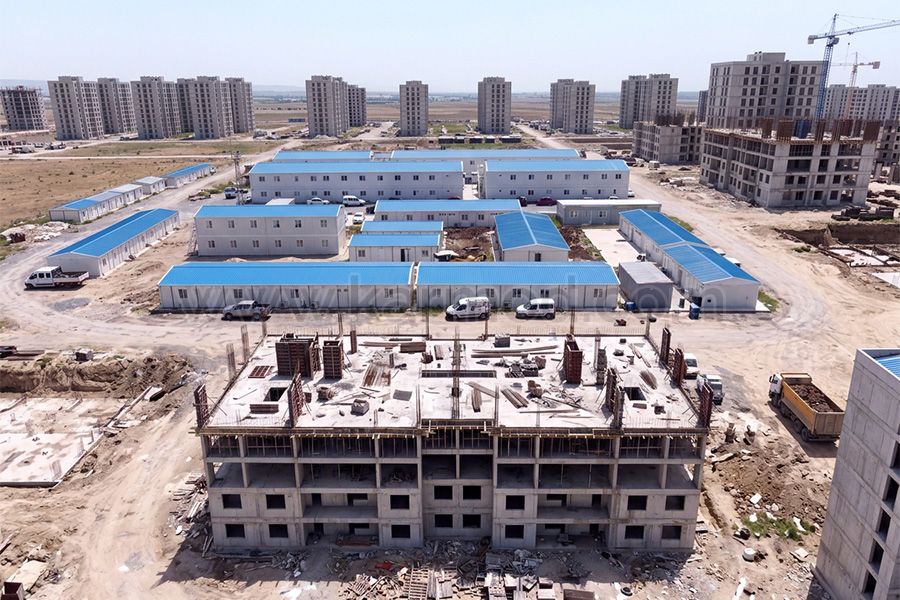
Common examples of prefab buildings include modular homes, portable classrooms, temporary offices, warehouses, storage facilities, and medical clinics. Prefabrication has also entered the commercial and residential real estate sector, with modern apartment complexes, hotels, and office spaces being constructed using modular and prefab techniques.
Prefab steel building kits are pre-engineered packages that include all the necessary components—beams, columns, panels, fasteners, and instructions—for quick assembly. These kits are popular among businesses and individuals who want an affordable, DIY-friendly solution for garages, barns, and storage units. They can be customized in size, design, and features to meet specific requirements.
While both prefab and modular construction involve off-site manufacturing, they differ in scope and application. Prefab generally refers to any structure built with pre-manufactured components, such as panels or frames. Modular construction, on the other hand, involves creating complete volumetric units or modules that are assembled like building blocks. Prefab offers flexibility, while modular construction often provides faster project completion and higher efficiency for large-scale developments.
Prefab steel housing is becoming increasingly popular due to its affordability, durability, and sustainability. Prices depend on factors such as size, design, finishes, and location. Basic steel housing units can be cost-effective compared to traditional construction, while more advanced designs with modern interiors and energy-efficient materials may cost more. Regardless of the budget, prefab steel housing provides strong, long-lasting solutions for residential needs.
In order to serve you better, if you could kindly send an e-mail to info@karmod.com for questions and details about your theoretical and special architectural plans, projects, and product specifications, your request will be responded to as soon as possible.

From one end of the world to the other, we enable our customers to reach the ready-made construction sector produced with the new technology of the world. We guarantee reliability through technology and innovation, flexible commercial models and smart supply chain solutions that add value for you, following the project production network.
Discover
Karmod is one of the largest prefabricated construction companies in Turkey, with a production of 45,000 m2. produces high quality prefabs and prefab containers