EN
EN 


Power transmission line projects often move across long distances, passing through rural areas, mountains, forests, deserts, agricultural land, and remote corridors. Unlike fixed construction sites, transmission projects may progress section by section as towers are installed, cables are pulled, and access roads are prepared. Because of this mobile working structure, teams need practical camp solutions that can be deployed, used, relocated, and reassembled as the project advances.
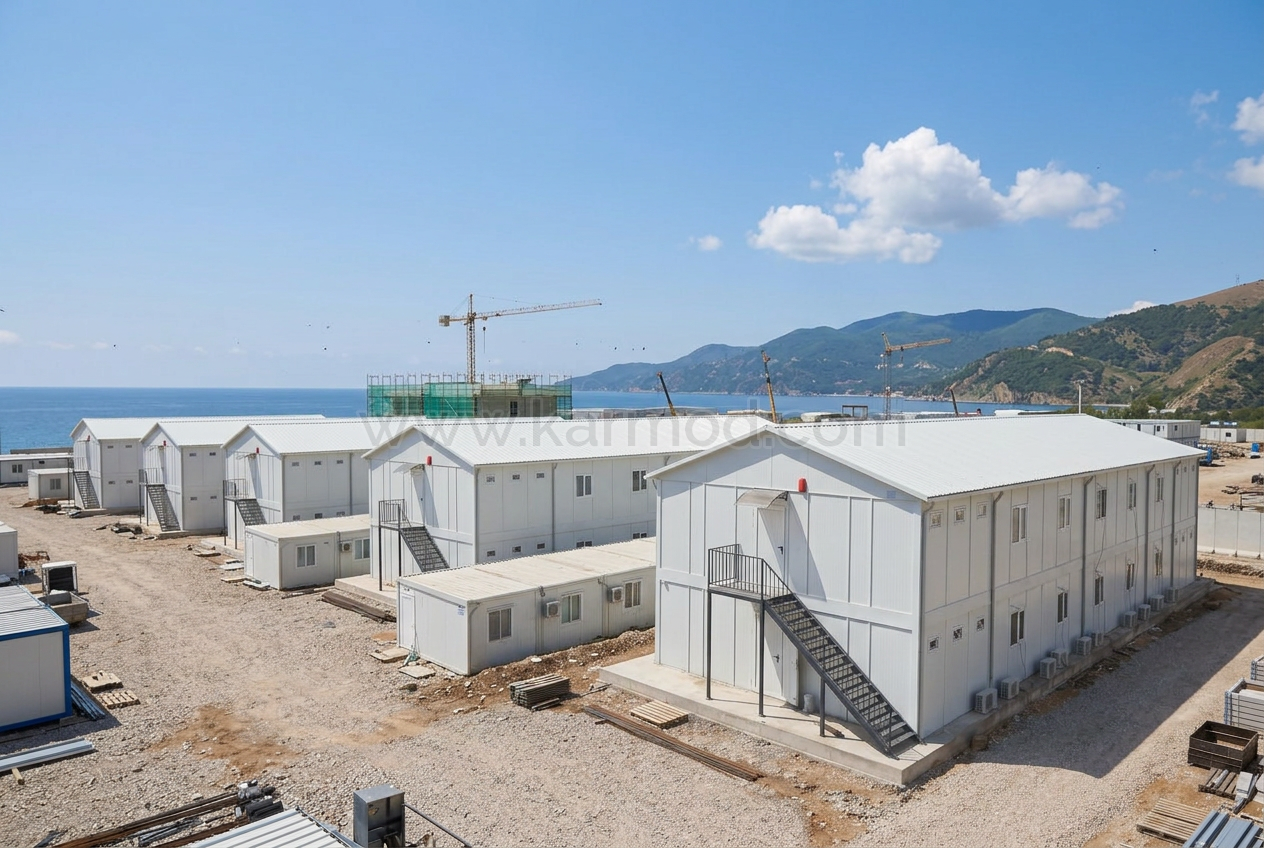
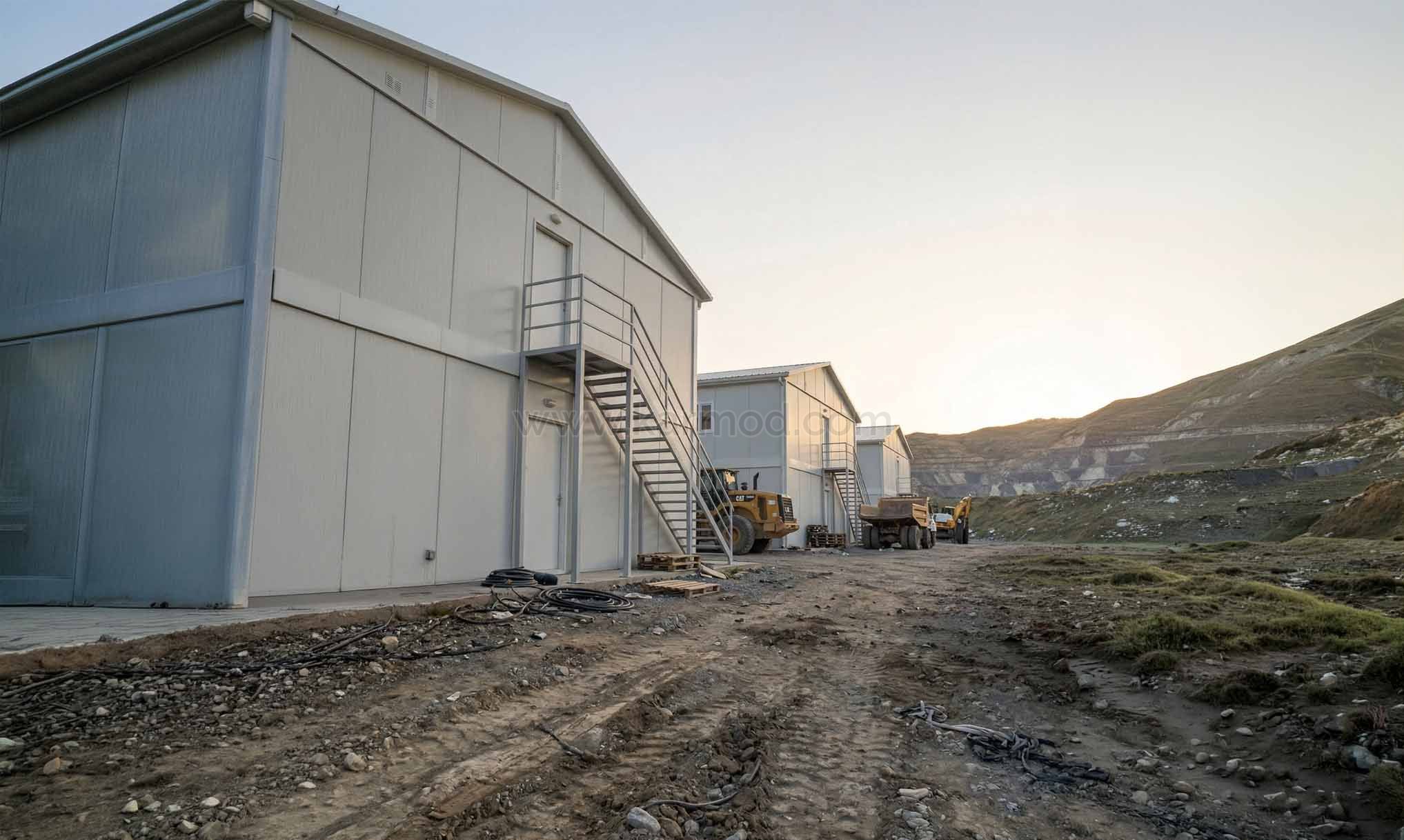
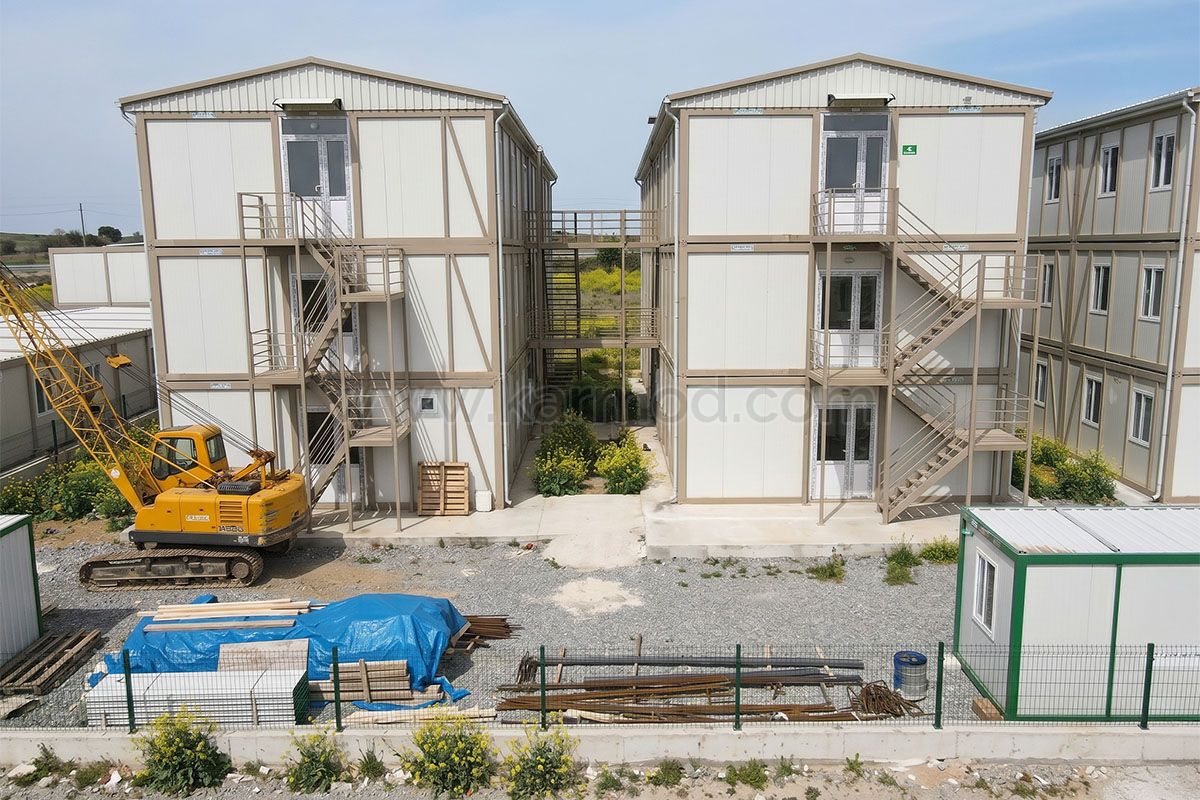
Power transmission line camp mobilization provides temporary accommodation, offices, dining areas, sanitary units, storage spaces, and support facilities for workers and technical teams. These modular camps help companies create a controlled base near the active work zone without relying on distant towns or permanent buildings.
Transmission line construction usually covers large routes instead of one fixed project area. Crews may work in one section for a limited time and then move to another part of the route. This makes traditional construction or permanent worker housing less practical.
A transmission line worker camp allows companies to keep teams close to the current work area. Workers can reduce daily travel time, attend briefings on site, and access accommodation and support facilities near the route. This is especially useful in remote corridors where hotels, rental housing, or existing infrastructure may not be available.
Mobile camps also support better coordination. Engineers, supervisors, safety officers, survey teams, drivers, and installation crews can operate from the same organized base, which makes daily planning and communication easier.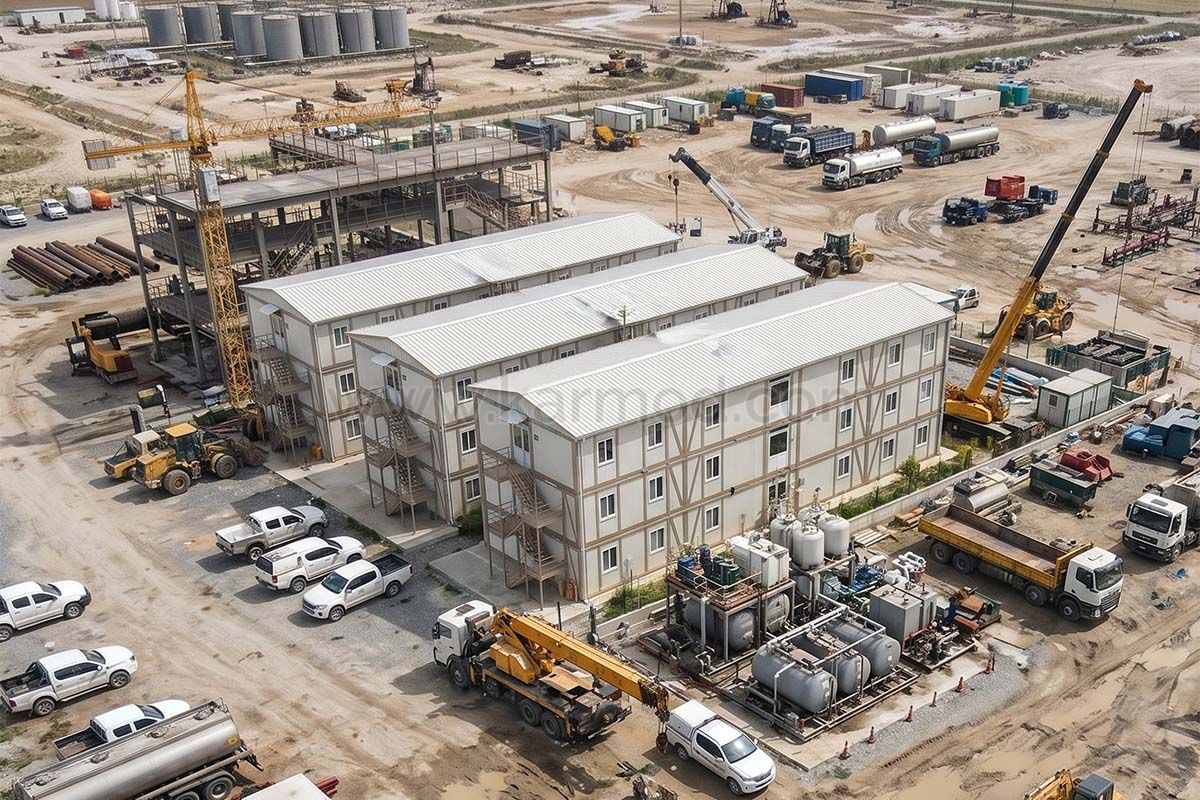
HV line project accommodation must be planned according to the workforce size, project schedule, terrain conditions, and local climate. High-voltage line projects may require teams for tower foundation works, steel structure assembly, conductor stringing, inspection, transportation, and electrical installation.
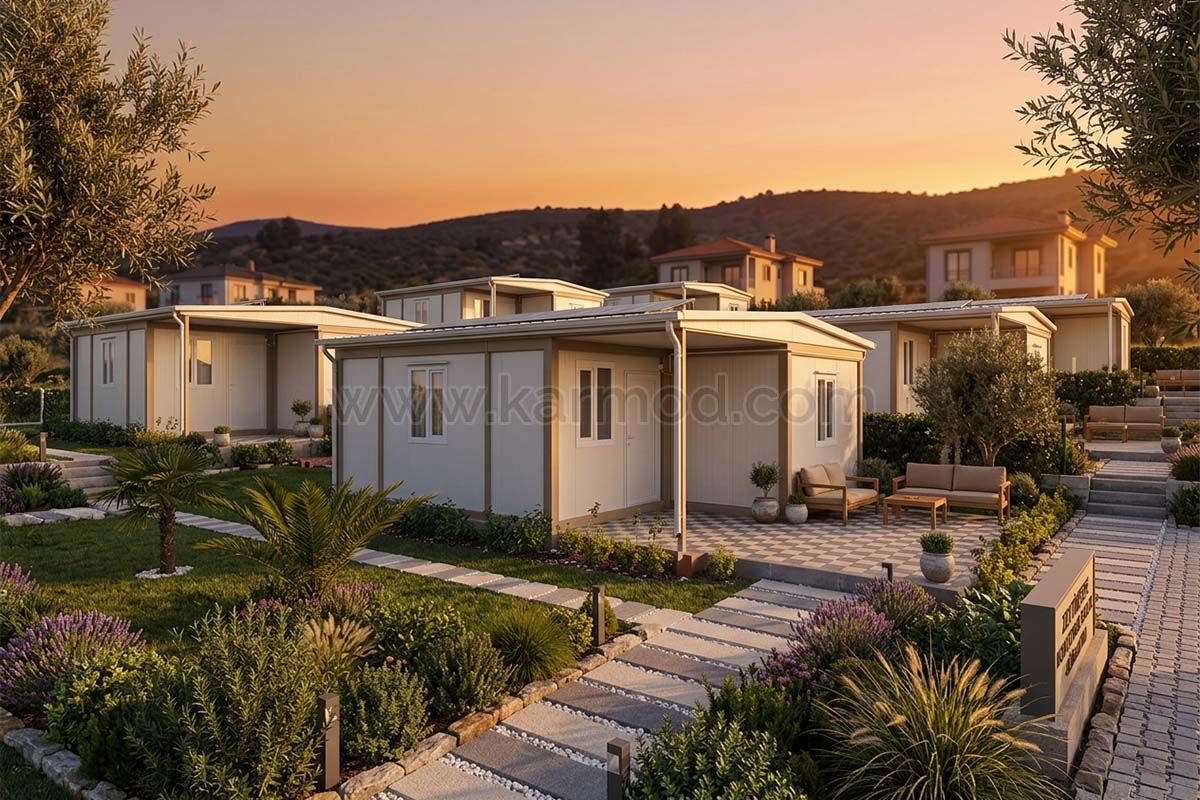
Container-based accommodation units can include sleeping rooms, bathrooms, changing areas, rest spaces, and heating or cooling systems. Depending on the project, rooms may be arranged for small teams, shared use, or larger worker groups.
Comfort is important because transmission line workers often perform physically demanding tasks in outdoor conditions. A well-designed camp gives workers a place to rest, eat, shower, and recover after long shifts. This can support both morale and productivity during challenging field operations.
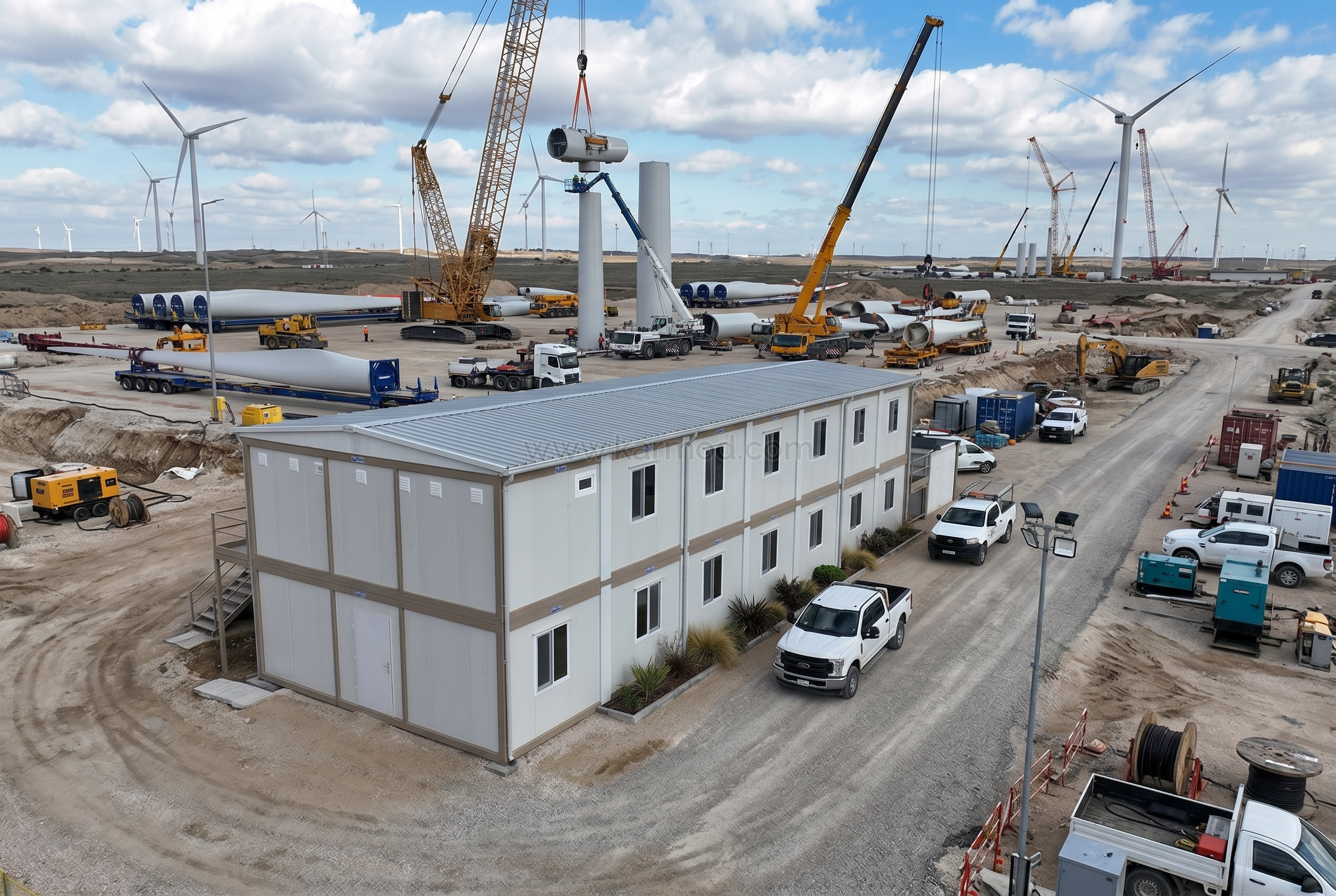
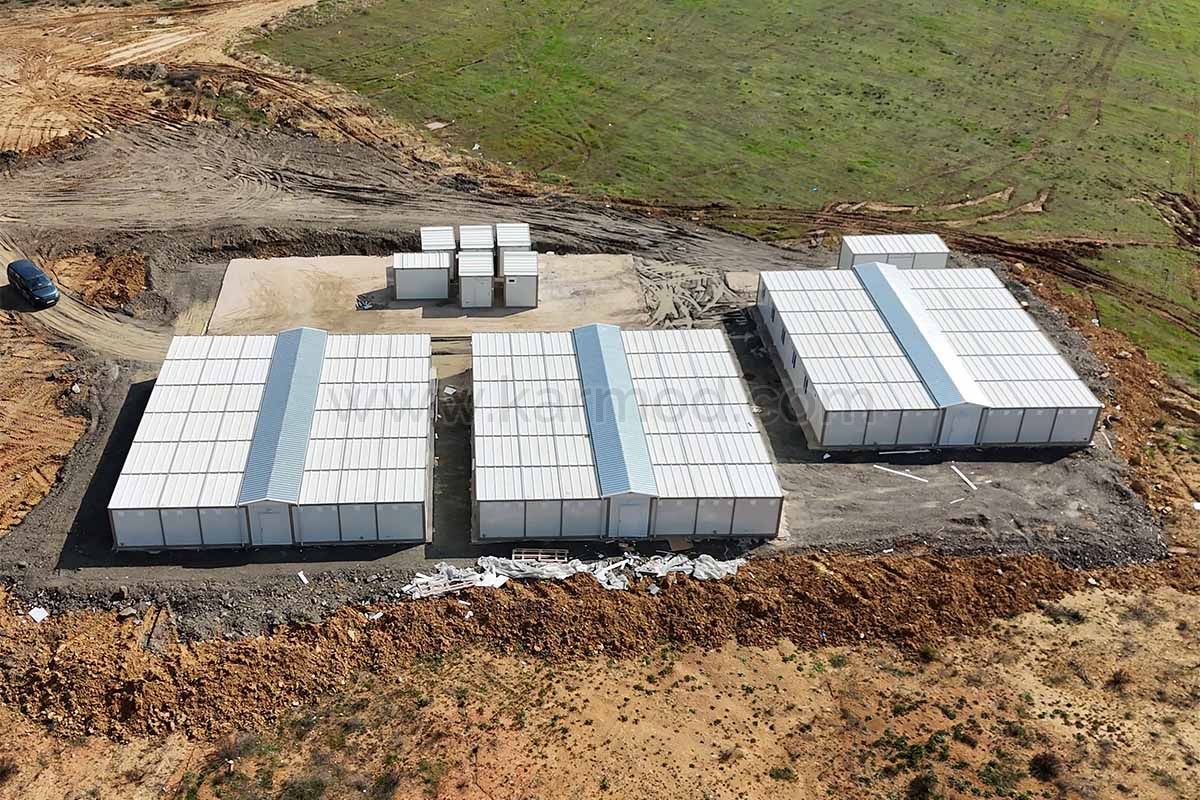
An electrical infrastructure camp is not limited to accommodation. It may include several different modular units that support daily project operations. Site offices can be used for route planning, technical drawings, documentation, shift organization, safety meetings, and contractor coordination.
Storage containers can be used for tools, personal protective equipment, electrical components, small machinery, cables, spare parts, and maintenance materials. Sanitary containers, kitchen units, dining halls, laundry rooms, first-aid units, and security cabins can also be added depending on the project needs.
By bringing these functions together in one planned camp, companies can reduce delays caused by long-distance logistics. Workers and managers can access the facilities they need without leaving the active project corridor.
Power grid construction housing must be flexible because the project route changes as the work progresses. A camp may first be installed near one section of the line and later moved closer to the next construction zone. This relocation ability is one of the main advantages of modular container camps.
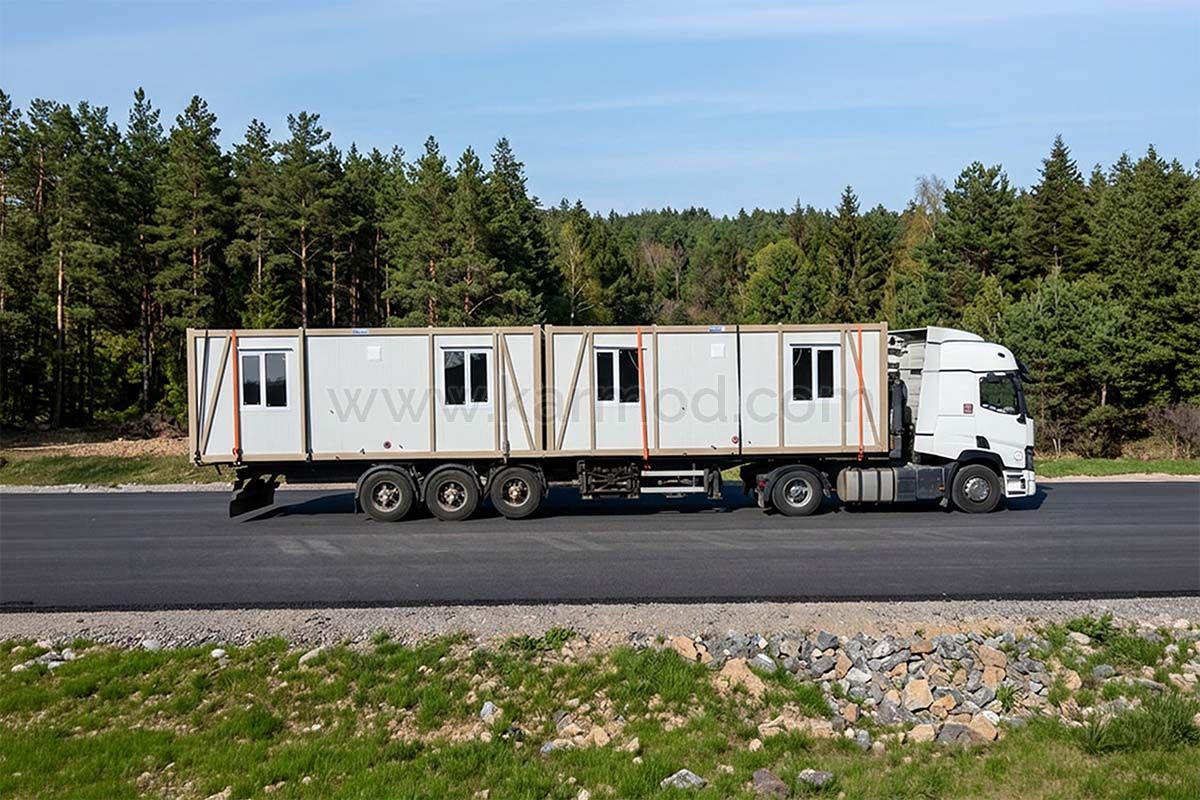
During mobilization, units can be transported by truck, placed on prepared ground, connected to utilities, and arranged according to the camp layout. When the work in that section is completed, the units can be dismantled and moved to the next area.
This approach helps project teams follow the construction route more efficiently. Instead of bringing workers from a distant base every day, the base itself can move with the project. For long-distance transmission corridors, this can create major time and cost advantages.
An energy corridor mobilization camp should be designed with both mobility and safety in mind. Since transmission corridors may pass through difficult terrain, the camp location must be selected carefully. Access roads, soil conditions, drainage, weather exposure, and distance to the work zone should all be considered.
The camp layout should separate accommodation areas from vehicle movement, storage zones, fuel areas, and technical workspaces. Clear walking paths, lighting, fire safety equipment, emergency access, and security control points can help create a safer working environment.
In some regions, camps may need to operate with limited local infrastructure. In these cases, water tanks, generators, wastewater systems, temporary power connections, and communication equipment may be required. A strong mobilization plan helps the camp function properly even in remote locations.
Weather conditions can directly affect camp setup for transmission line projects. Heavy rain may create muddy access roads or drainage problems. Strong winds can influence anchoring and structural stability. Snow and freezing temperatures may require better insulation, heating systems, and protected walkways. In hot climates, shade, ventilation, and air conditioning become essential.
Terrain is also important. Camps placed in mountainous, forested, or uneven areas may need additional ground preparation. In desert or open land environments, dust protection and durable exterior materials may be needed.
Because power transmission projects are exposed to changing field conditions, modular camp units should be durable, transportable, and easy to maintain. Proper planning helps workers stay safe and comfortable while allowing the project to continue with fewer interruptions.
In order to serve you better, if you could kindly send an e-mail to info@karmod.com for questions and details about your theoretical and special architectural plans, projects, and product specifications, your request will be responded to as soon as possible.

From one end of the world to the other, we enable our customers to reach the ready-made construction sector produced with the new technology of the world. We guarantee reliability through technology and innovation, flexible commercial models and smart supply chain solutions that add value for you, following the project production network.
Discover
Karmod is one of the largest prefabricated construction companies in Turkey, with a production of 45,000 m2. produces high quality prefabs and prefab containers