EN
EN 


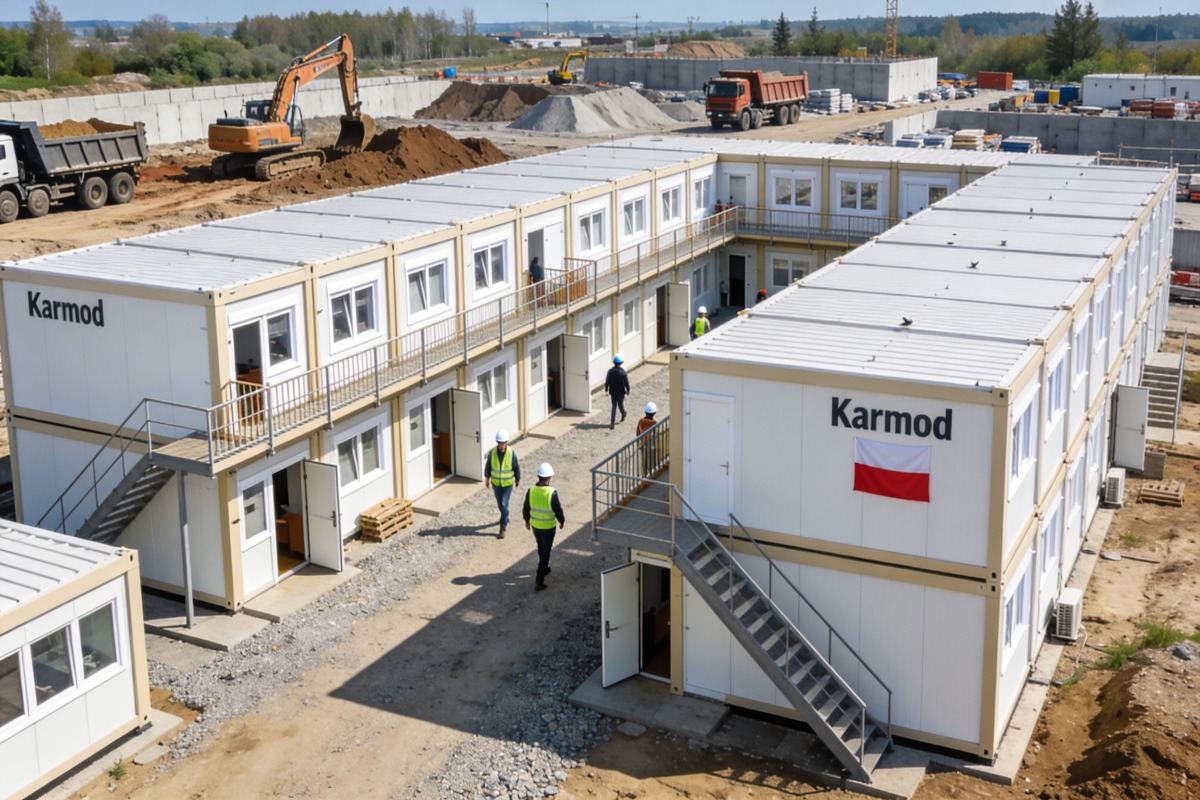
Poland sits at the heart of Central Europe, bordering the Baltic Sea and serving as a key link between Western Europe and the logistics corridors of the east. With cold winters, mild-to-warm summers, and seasonal rainfall that can vary by region, projects in Poland demand building solutions that are insulated, moisture-managed, and durable. As the country continues to grow through manufacturing, warehousing, infrastructure, and energy investments, faster delivery and predictable project timelines have become decisive advantages in modern construction.
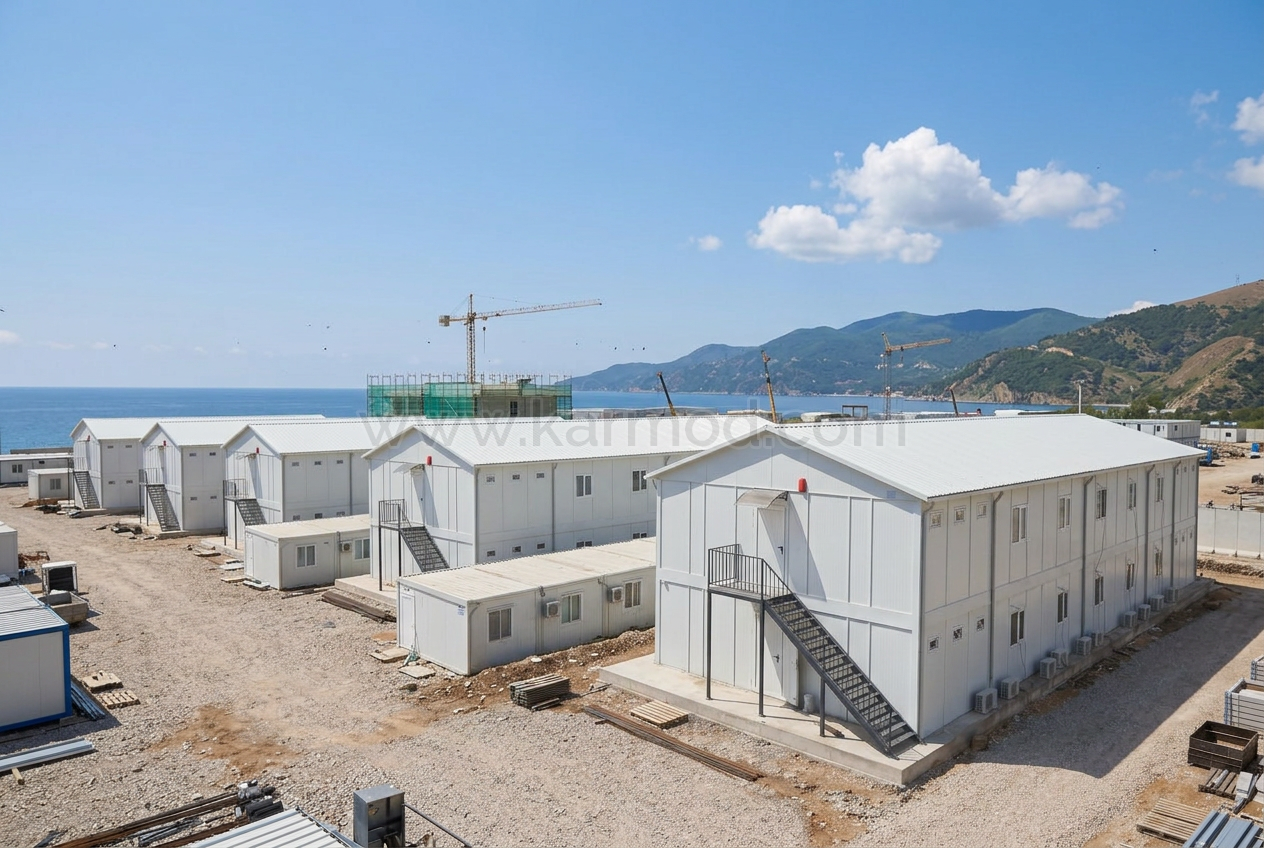
That is where Poland container buildings fit naturally into today’s commercial and industrial landscape. From Poland container homes designed for efficient housing delivery to modular construction for industrial sites, these solutions combine speed, controllable quality, and adaptability. With prefabricated container systems, companies can deploy modular container buildings for operations, accommodation, or on-site administration while maintaining consistent standards across multiple locations. Explore the full range of options through container solutions and specialized container buildings systems.


Poland container homes are increasingly selected by developers and organizations that want a faster build cycle without sacrificing performance. Factory-built modules allow tighter production control over structural detailing, insulation continuity, and interior finishing, resulting in consistent quality across projects.
Sustainability is a practical outcome when modular container buildings are engineered correctly. Controlled production reduces material waste, and the building envelope can be optimized for energy efficiency through high-performance insulation, airtight detailing, and efficient window-to-wall ratios. For investors focused on lifecycle performance, climate-resistant container buildings offer long-term value through reduced energy demand and predictable maintenance planning.
Affordability is driven less by low-cost materials and more by efficiency. Prefabricated container systems shorten on-site work, reduce labor uncertainty, and allow foundations and utilities to be prepared in parallel with production. This helps deliver clear cost control and improved scheduling—important factors for Poland’s industrial and infrastructure-driven projects.
Flexibility is central to Poland container homes. Units can be expanded, combined, or reconfigured as needs evolve, making them suitable for both permanent use and transitional housing strategies. A modular plan can also support multi-unit compounds with shared facilities, helping organizations optimize land use and service layouts.
Climate suitability matters in Poland’s continental conditions. Cold winters require strong thermal insulation, well-designed vapor control layers, and robust door and window detailing to prevent condensation. In wetter seasons, corrosion protection and moisture-resistant materials help preserve the structure. When specified as climate-resistant container buildings, these units are designed to handle temperature swings, wind exposure, and seasonal precipitation while maintaining interior comfort.


Poland container storage solutions are widely used across mining-related supply chains, agriculture, logistics, and construction sites—especially where rapid deployment and secure storage are required. These units can be delivered ready-to-use, positioned with minimal site preparation, and expanded as operational volumes increase.
In mining and heavy industry supply networks, container storage helps protect tools, spare parts, and consumables from weather exposure and unauthorized access. Reinforced steel structures, lockable systems, and configurable shelving layouts support higher control over inventory, even in remote or temporary work zones.
In agriculture, container storage supports seasonal peaks—protecting equipment, packaging materials, and maintenance supplies close to fields, processing sites, or rural depots. For logistics operations serving distribution centers and inland terminals, prefabricated container systems provide scalable buffer storage to manage demand fluctuations.
Construction sites benefit from durability, security, and relocation advantages. As projects progress, containers can be moved on-site or transferred to the next location, reducing repetitive build costs. When designed as climate-resistant container buildings, these storage units maintain performance under rain, frost, and temperature changes common across Poland.
Choosing a container partner for Poland container buildings is primarily an engineering decision: structural reliability, building envelope performance, and repeatable production standards matter more than marketing claims. Karmod’s position in prefabricated container systems is shaped by a manufacturing approach focused on controlled fabrication, consistent quality checks, and project-specific customization within a standardized framework.
For Poland’s climate, material selection and detailing are key. Climate-resistant container buildings depend on corrosion protection, insulation specification, and moisture-managed assemblies that reduce condensation risk and support long-term durability. Karmod solutions emphasize steel frame integrity, envelope continuity, and fit-for-purpose interior planning so units perform reliably in both urban and industrial environments.
Customization is relevant for sector-specific use cases, where layouts and utilities often differ by industry. Karmod adapts container homes, container offices, and commercial units to operational requirements while keeping production predictable and installation efficient.
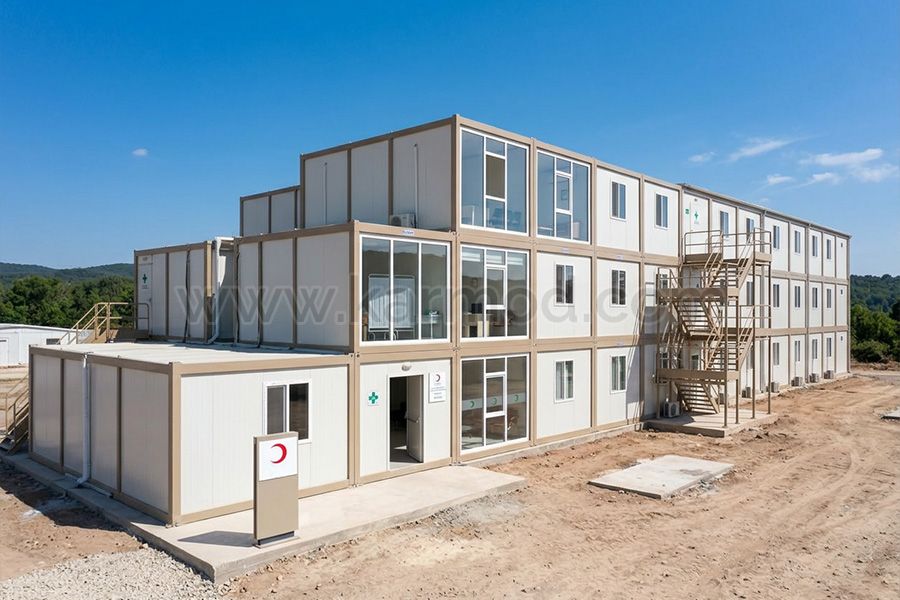
Poland container offices are designed for organizations that require functional workspaces delivered quickly—such as construction, manufacturing, energy, logistics, and public infrastructure projects. Compared to conventional builds, modular container buildings provide a clear advantage in deployment speed and reconfiguration, enabling teams to establish operational hubs close to the worksite.
Modern office modules can include management rooms, open work areas, meeting spaces, welfare rooms, and sanitary units. As staffing needs change, additional modules can be added to scale up capacity without interrupting ongoing operations. This modular approach supports phased growth and multi-site standardization.
Cost advantage comes from reduced on-site labor, shorter project timelines, and predictable production. Designed correctly, Poland container offices also deliver comfort through insulation, ventilation planning, and daylight strategies—helping maintain a professional working environment in winter conditions and during seasonal humidity fluctuations.
For modular office solutions, explore container offices tailored to scalable operations.


Poland container buildings are increasingly used to deliver commercial facilities with shorter timelines and easier expansion planning. Modular container buildings can support showrooms, service points, business hubs, and mixed-use complexes where staged investment is preferred. Prefabricated container systems allow businesses to open earlier, adjust layouts later, and expand capacity as footfall or operational demand grows.
In commercial applications, exterior finishes and internal layouts can be configured to match brand requirements and functional workflows. With modular planning, businesses can create single-story venues, multi-unit clusters, or larger complexes—while maintaining consistent construction standards across locations.
Poland container shop concepts work particularly well for pop-up retail, seasonal sales points, event-based commerce, and urban infill sites where traditional construction is impractical. The ability to deploy quickly and relocate later gives retailers and property owners a way to respond to demand without long-term structural commitments.
Branding flexibility is a major advantage. Facades, glazing, entrances, and signage zones can be adapted to reflect the identity of each retailer. Retail clusters can be formed by combining units into a cohesive layout, creating small commercial streets or marketplace concepts that are easy to expand as tenant demand increases.
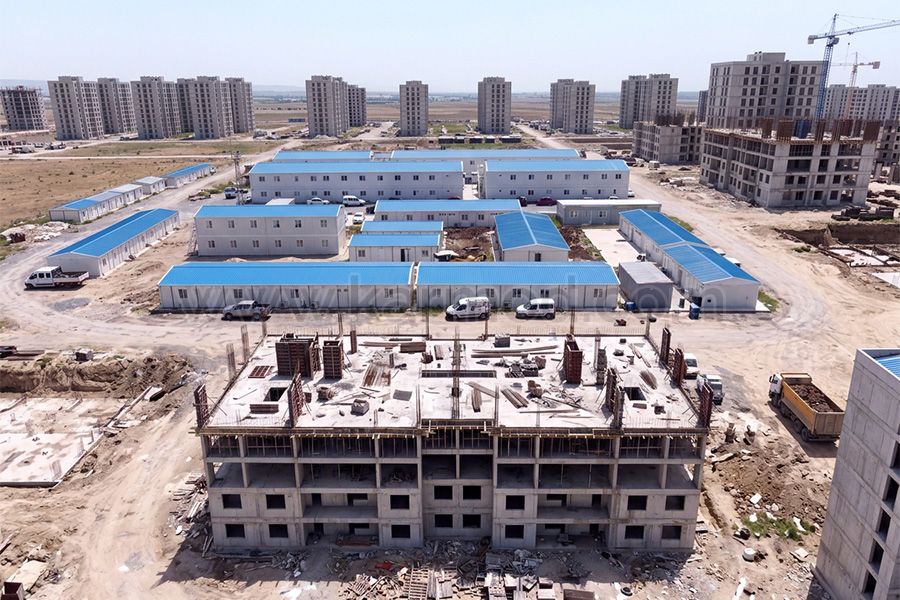
Urban development pressures in Poland have made fast, scalable housing strategies more relevant—especially where temporary accommodation, workforce housing, or transitional residential capacity is required. Poland container homes configured as apartment-style communities offer a modular route to adding units quickly, with layouts that can support shared services and efficient circulation.
Community planning is where modular construction becomes especially valuable. Units can be arranged around internal courtyards, shared green spaces, and common facilities, supporting liveability while optimizing footprint. With the right envelope design, climate-resistant container buildings can meet the expectations of year-round use, including thermal comfort through winter and robust moisture control during wet seasons.
Beyond commercial and residential projects, Poland container buildings support essential public and institutional use cases. Prefabricated container systems can be configured for schools, clinics, training centers, and community facilities where speed and reliability are critical. These solutions are often selected for remote areas, phased expansion needs, or situations where rapid installation minimizes disruption.
Educational units can deliver classrooms, staff rooms, and sanitary facilities with scalable layouts. In healthcare, clinics and examination spaces can be designed with hygiene-focused interiors and practical patient flow. Community centers can also be expanded over time, adding rooms as participation grows. Across all these applications, modular container buildings provide controllable quality, predictable delivery, and operational flexibility aligned with Poland’s evolving development needs.
In order to serve you better, if you could kindly send an e-mail to info@karmod.com for questions and details about your theoretical and special architectural plans, projects, and product specifications, your request will be responded to as soon as possible.

From one end of the world to the other, we enable our customers to reach the ready-made construction sector produced with the new technology of the world. We guarantee reliability through technology and innovation, flexible commercial models and smart supply chain solutions that add value for you, following the project production network.
Discover
Karmod is one of the largest prefabricated construction companies in Turkey, with a production of 45,000 m2. produces high quality prefabs and prefab containers