EN
EN 


Papua New Guinea combines rugged highlands, coastal plains, and island geography that can make conventional construction slow and logistically complex. High humidity, heavy rainfall, and salt exposure in coastal areas place pressure on building durability, while remote project locations often require facilities that can be transported, installed, and commissioned with minimal on-site work. In this environment, container buildings are increasingly evaluated as a practical way to deliver reliable spaces for housing and business operations.
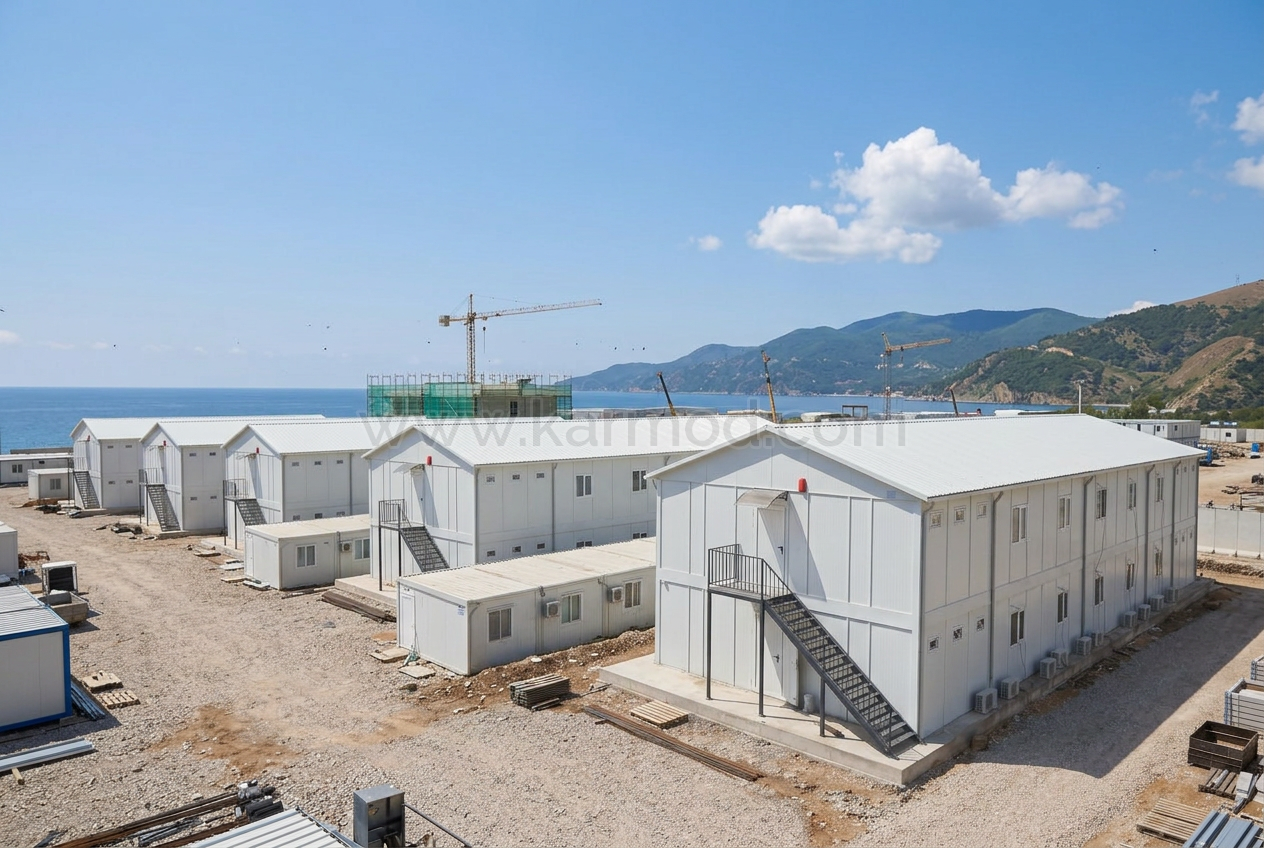
Papua New Guinea container buildings support modular construction strategies where projects need speed, predictable quality, and phased expansion. From Papua New Guinea container homes used for staff accommodation and community layouts to operational facilities and commercial units, prefabricated container systems help reduce on-site labor exposure and weather-related delays. Using construction container solutions also allows organizations to standardize building performance across multiple locations, an important advantage in a country with diverse site conditions.


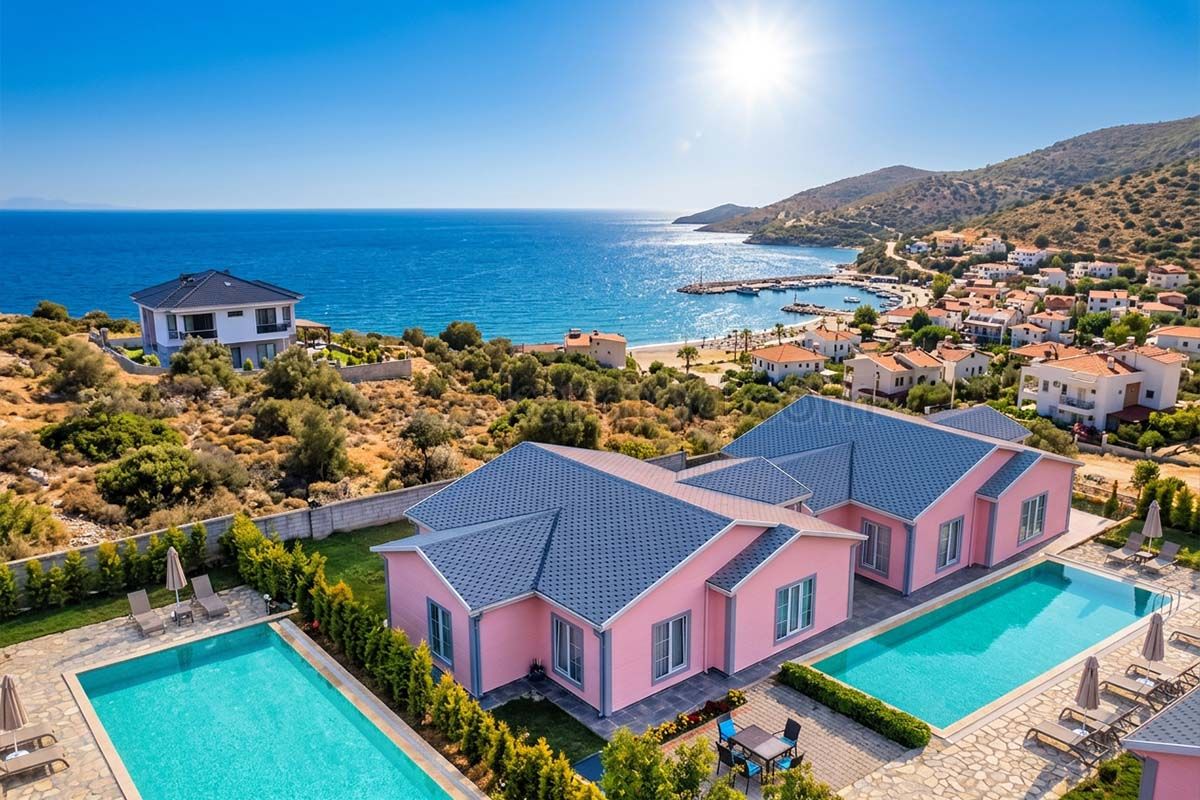
Papua New Guinea container homes are valued for modularity and the ability to define performance before delivery. Structural reinforcement, insulation strategy, ventilation planning, and interior zoning can be standardized while still allowing customization for different user profiles. This makes modular container buildings suitable for workforce housing, project accommodation, and residential developments where repeatable quality matters.
Sustainability is strongest when it is tied to measurable performance. Factory-controlled production reduces on-site waste and rework, while supporting consistent detailing around openings and wet areas. Prefabricated container systems also make it easier to integrate energy-efficient measures such as effective insulation, high-performance glazing, and planned ventilation. In climates where humidity and rainfall are constant factors, this design discipline supports long-term durability rather than short-term fixes.
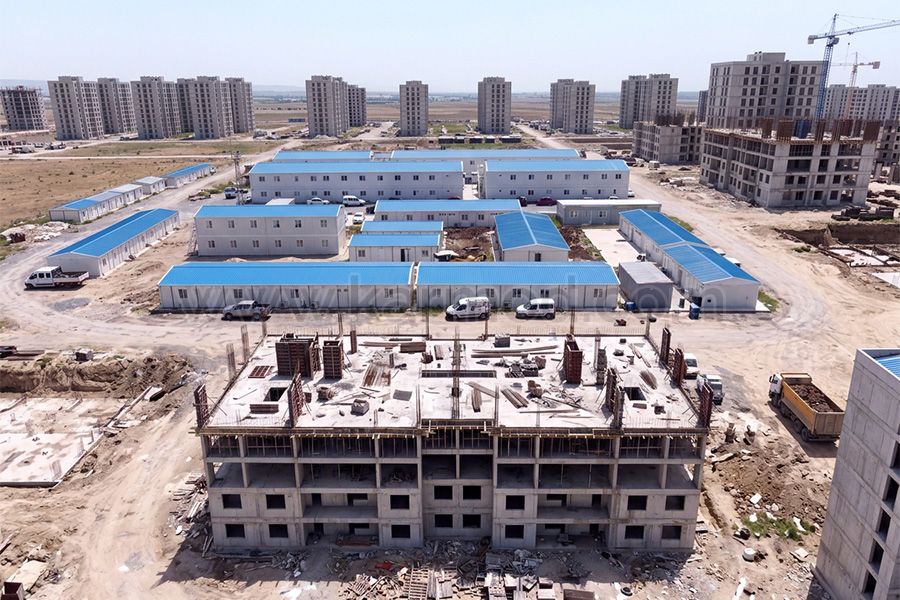
Affordability is typically achieved through schedule certainty and reduced site complexity, not by lowering specifications. Papua New Guinea container homes can be delivered as single units, multi-unit compounds, or larger community layouts with shared circulation and services. Flexibility is equally important: modules can be added as demand grows, layouts adjusted to changing needs, and units relocated if operational footprints shift.
Climate suitability must address Papua New Guinea’s humid tropical conditions and heavy rain cycles. Climate-resistant container buildings focus on corrosion protection, moisture management, ventilation to reduce condensation, and roof and drainage detailing that performs under intense rainfall. In coastal areas, salt exposure requires durable finishes and protected interfaces; in highland regions, temperature variation and ventilation planning become key comfort factors.


Across Papua New Guinea, storage needs can shift quickly due to project timelines, supply chain variability, and remote site access. Papua New Guinea container storage solutions provide secure, durable capacity that can be deployed rapidly and positioned close to operations. This approach supports better inventory control while reducing reliance on temporary structures that may not perform well in heavy rain and humidity.
Typical storage requirements include:
Durability and security should be specified for tropical conditions: corrosion-resistant finishes, robust doors and locking systems, and ventilation to reduce condensation. A major advantage is relocation—Papua New Guinea container storage solutions can move using standard handling equipment, reducing stranded infrastructure when projects shift location.


Selecting a supplier for Papua New Guinea container buildings requires a focus on production consistency, material quality, and climate-ready detailing. Karmod is known for delivering prefabricated container systems built with controlled manufacturing standards, supporting repeatable performance across multiple sites and project phases. This is particularly valuable where logistics are complex and on-site modifications can introduce delays and cost variability.
In Papua New Guinea’s environment, reliability depends on corrosion management, envelope integrity, and careful detailing at interfaces that face heavy rainfall and humidity. Karmod’s approach emphasizes climate-resistant container buildings principles—aligning insulation strategy, ventilation planning, coatings, and interior fit-out with the intended use, whether accommodation, storage, or commercial deployment.
Customization is most effective when it is functional: interior zoning, openings, security upgrades, and MEP provisions can be defined from the start to reduce site work. This engineering-led methodology supports faster commissioning and clearer lifecycle planning, especially for organizations standardizing facility types across multiple regions.
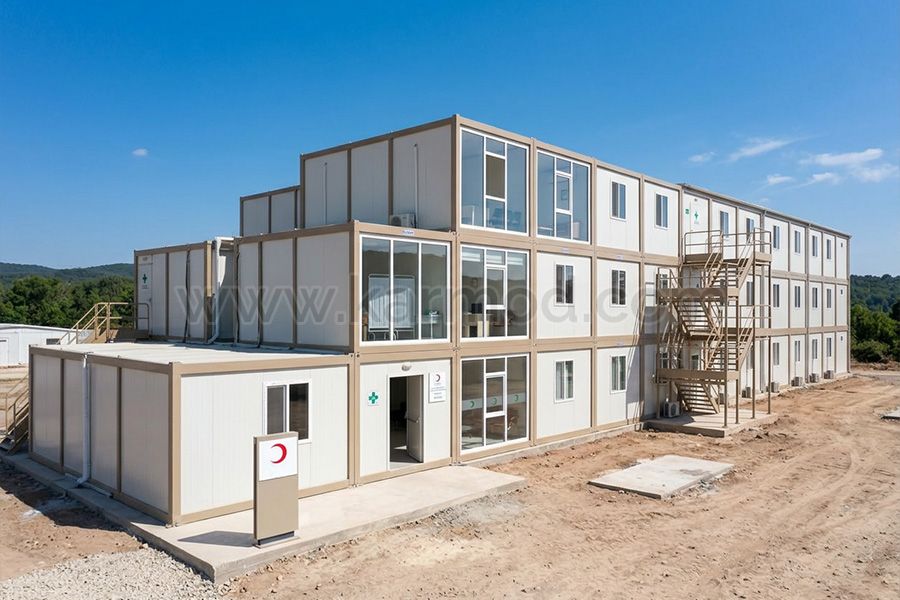
Papua New Guinea container offices provide operational workspaces that can be installed and commissioned quickly, supporting site management, administration, meeting rooms, and welfare facilities. These offices are increasingly preferred where projects require rapid startup or where remote conditions make conventional construction slower and more resource-intensive.
For teams specifying a container office, modular design enables scalability. Units can expand as teams grow, layouts can be adjusted to match workflow changes, and modules can be relocated when operational footprints shift. When designed with suitable insulation and ventilation, Papua New Guinea container offices can provide stable indoor conditions that protect productivity and equipment in humid environments.
Sustainability is reinforced through reuse-focused construction and energy-aware design. By reducing on-site waste and enabling planned efficiency measures, modular container buildings support a practical sustainability pathway without compromising operational requirements.
Customization also supports brand and function. Office modules can be planned to reflect workflow needs, privacy requirements, and technical infrastructure, creating environments that improve day-to-day performance rather than simply providing shelter.
Papua New Guinea container buildings are increasingly used to create commercial spaces that can open quickly and adapt to changing demand. Container-based commercial buildings can function as service centers, administrative hubs, training rooms, and mixed-use facilities, particularly where phased development is preferred. Modular container buildings support expansion without shutting down operations, enabling businesses to scale as market conditions evolve.
Retail developments benefit from formats that can respond quickly to location performance and seasonal demand. Papua New Guinea container shop innovations enable rapid deployment and adaptable layouts, supporting both permanent outlets and temporary retail concepts.
Where back-of-house operations matter, integrating Papua New Guinea container storage solutions behind or adjacent to retail units supports secure replenishment and better inventory management.
As urban centers grow and housing demand rises, Papua New Guinea container homes are being explored for apartment-style configurations built from standardized modules. This approach supports faster delivery when utilities, approvals, and site planning are aligned, while maintaining the ability to expand in phases.
The use of Papua New Guinea container buildings extends beyond housing and commerce, supporting essential services and public infrastructure where rapid deployment and adaptability are priorities.
For decision-makers evaluating Papua New Guinea container buildings, success depends on aligning design with operational requirements—humidity exposure, rainfall intensity, transport logistics, and expected duty cycle. When these factors are integrated into prefabricated container systems from the start, projects benefit from faster delivery, clearer cost control, and facilities that remain dependable across Papua New Guinea’s diverse environments.
In order to serve you better, if you could kindly send an e-mail to info@karmod.com for questions and details about your theoretical and special architectural plans, projects, and product specifications, your request will be responded to as soon as possible.

From one end of the world to the other, we enable our customers to reach the ready-made construction sector produced with the new technology of the world. We guarantee reliability through technology and innovation, flexible commercial models and smart supply chain solutions that add value for you, following the project production network.
Discover
Karmod is one of the largest prefabricated construction companies in Turkey, with a production of 45,000 m2. produces high quality prefabs and prefab containers