EN
EN 


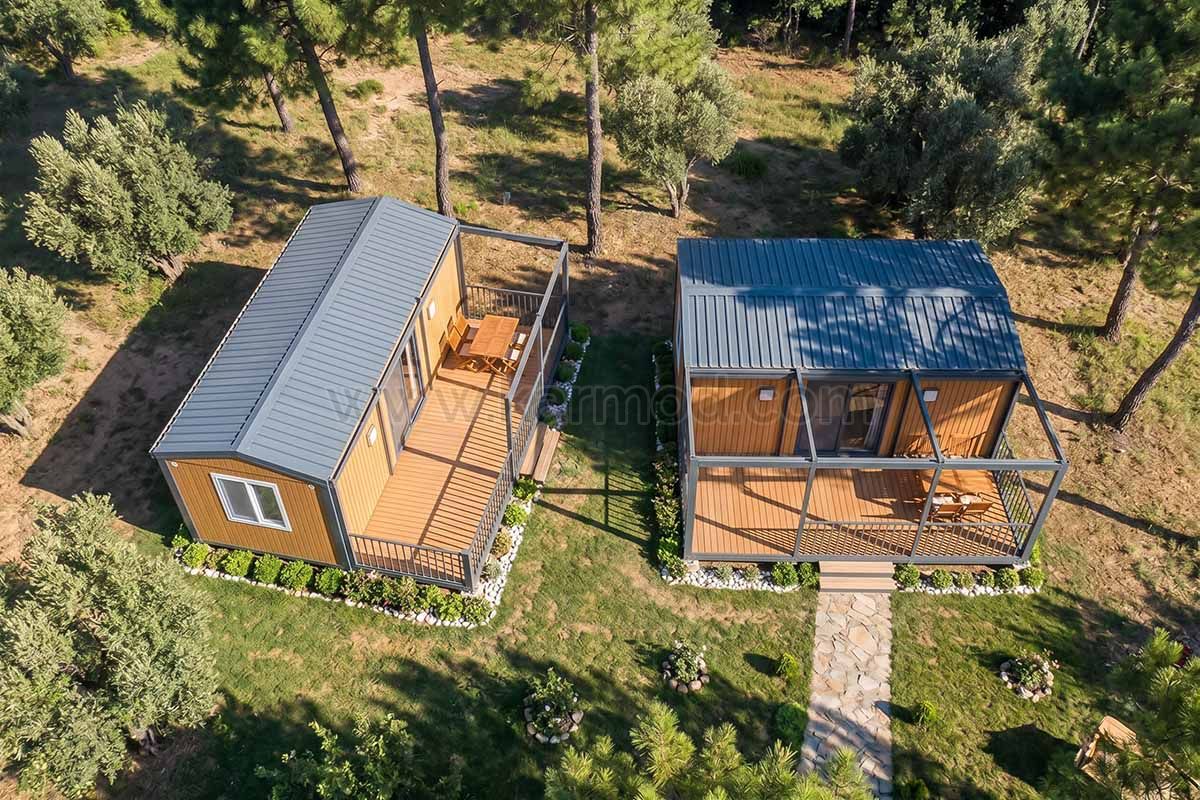
Soft morning light over open fields, the scent of soil after watering, the quiet sound of leaves moving with the breeze… a countryside day begins in a way that feels almost timeless. Spending time on an organic farm shifts your rhythm without you even noticing. Your focus moves from screens and schedules to seasons, sunlight, and simple routines. When this peaceful experience is combined with the warmth of a tiny house, the countryside doesn’t just become a place you visit; it starts to feel like a way of living you could actually choose.
A tiny house placed within or near an organic farm creates a unique balance between simplicity and comfort. Every detail inside supports a slower, more intentional lifestyle, while everything outside invites you to reconnect with the land. The idea stops being just a beautiful weekend dream and quietly turns into a real possibility: a compact home, a patch of earth, and a lifestyle that prioritizes nature, clarity, and freedom.
Spending time in the countryside is often associated with short breaks and quick getaways, but an organic farm offers something deeper. Days become shaped by natural rhythms—feeding animals, tending to vegetables, walking along field paths instead of busy streets. The environment gently encourages you to slow down your thoughts, breathe more deeply, and pay attention to details you usually miss in daily life.
The countryside is not just about silence; it’s about meaningful sounds and sensations. Roosters announcing the morning, distant laughter from the farmhouse, the satisfying crunch of soil underfoot. These impressions stay with you long after you leave. For many people, this first encounter with organic farming becomes the moment they start imagining a more permanent connection to this lifestyle, rather than seeing it as a temporary escape.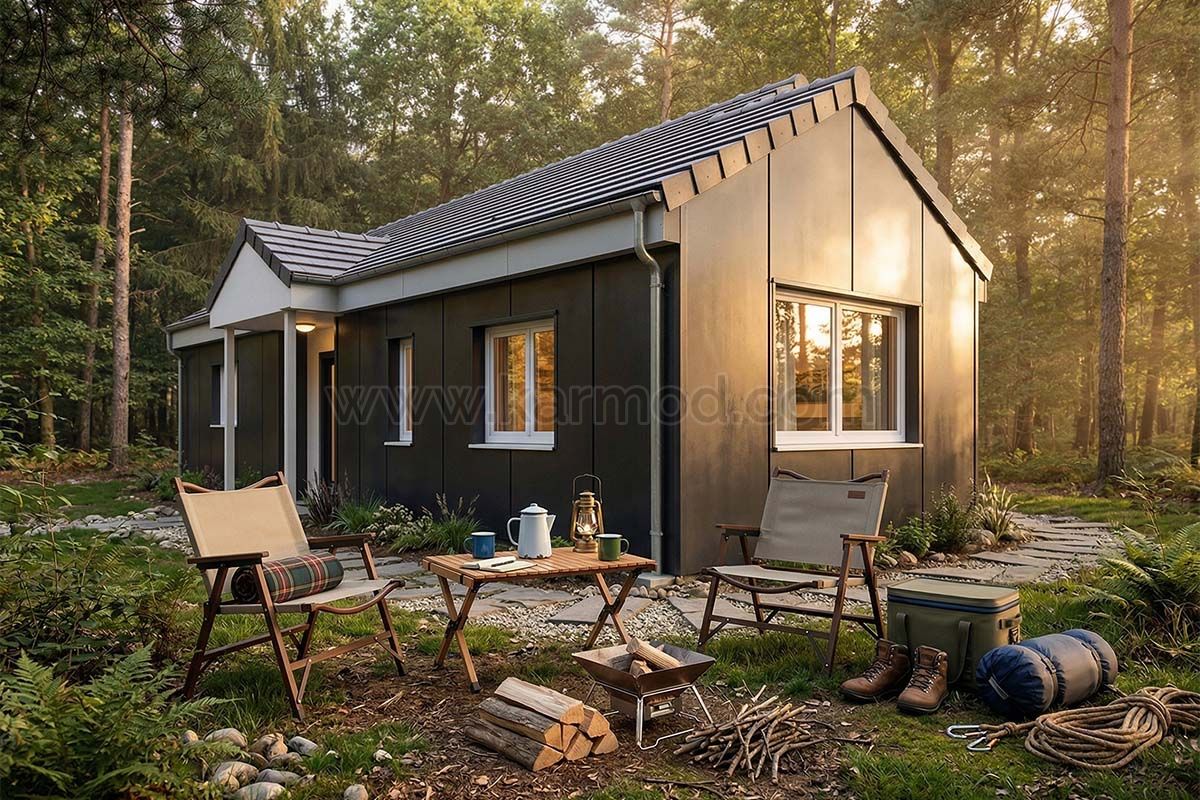
Organic farming is more than a technique; it’s a mindset that respects soil, seasons, and every living element in the ecosystem. Being part of this environment, even for a short time, changes the way you look at food, water, and energy. You see how much care goes into growing a single tomato or leafy green, and you begin to value quality over quantity in a very real, tangible way.
Life on or near an organic farm invites you to participate, not just observe. You might help with planting in the early season, harvest ripe vegetables at their peak, or learn how compost is created and reused. This hands-on connection often awakens a simple question in many visitors: What would it feel like to live closer to this every day? From that question, the idea of having a small, efficient home beside nature starts to make sense.
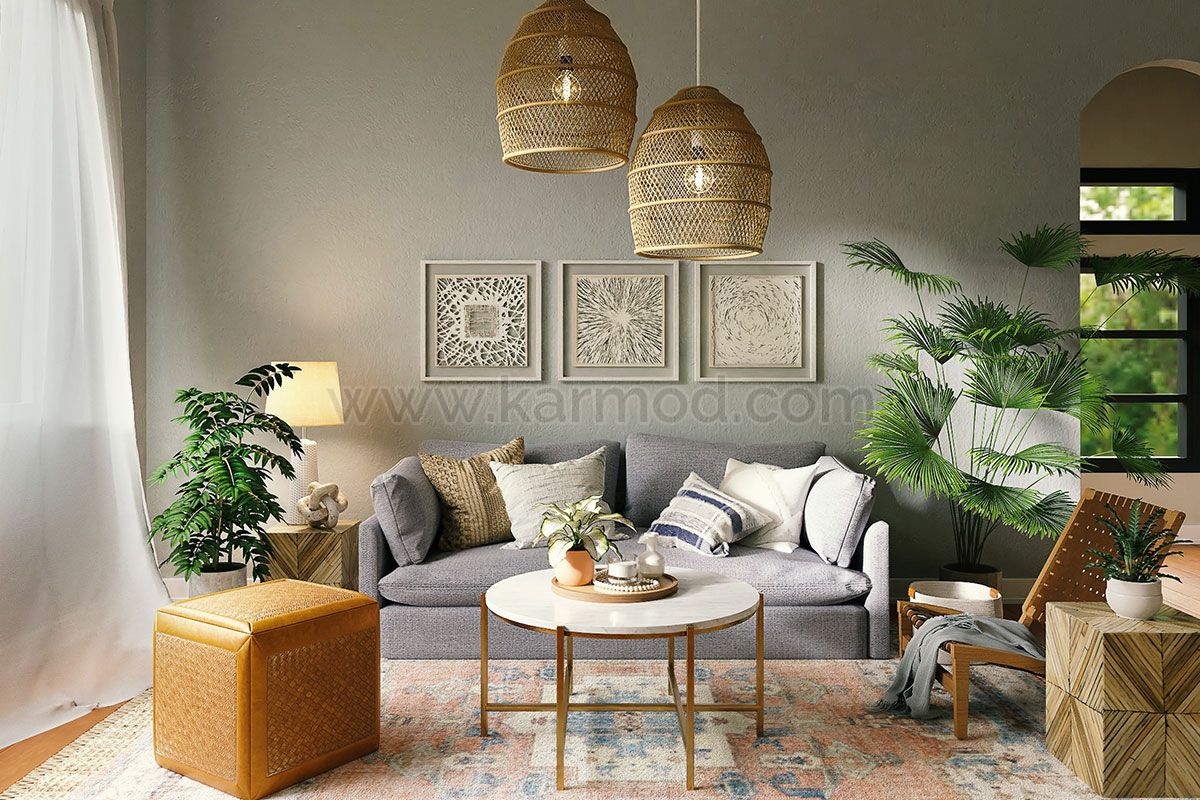
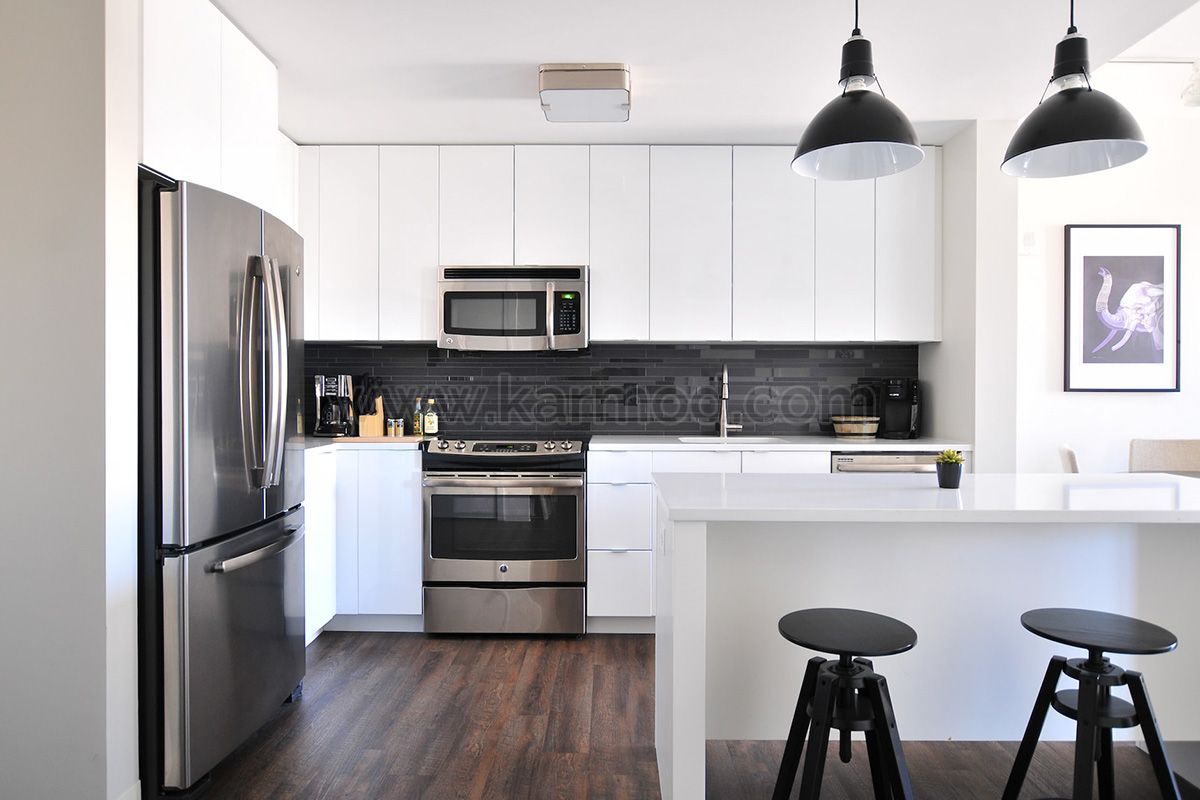
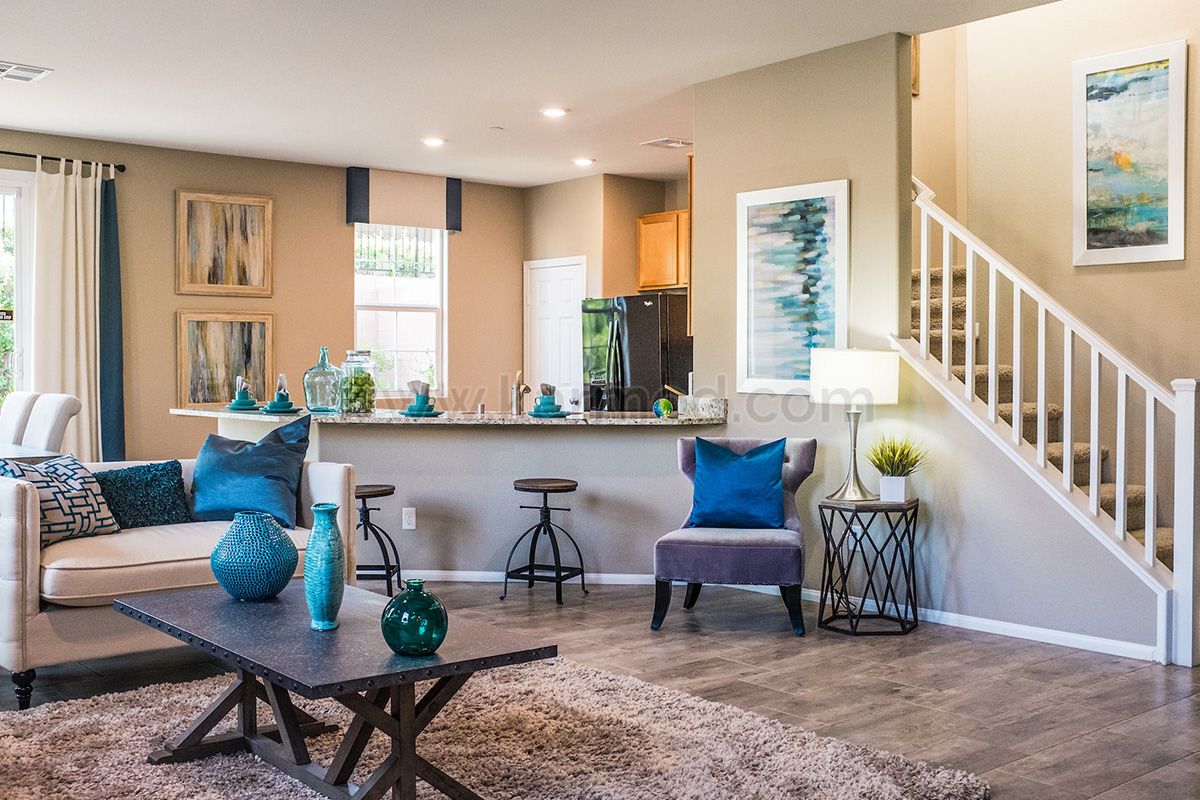
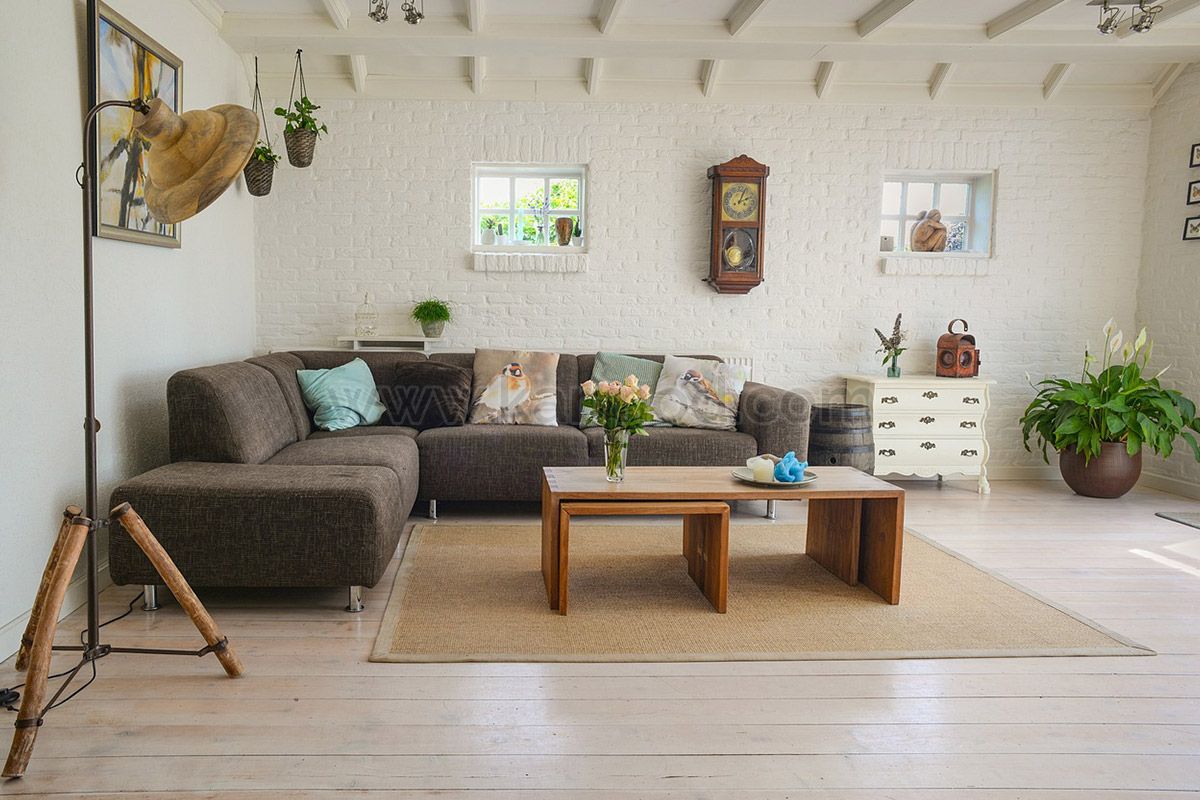
A tiny house placed in a rural setting transforms the countryside from a place you visit into a space you can truly inhabit. The compact size brings you physically closer to your surroundings. Large windows frame views of fields or gardens, a small deck becomes the perfect spot for morning coffee, and the short distance between indoors and outdoors makes stepping into nature effortless.
The design of a tiny house naturally supports a more mindful relationship with the environment. There is no room for excess, so every item has a purpose. You become more aware of how much water you use, how much energy you consume, and how your daily habits affect the land around you. This balance between comfort and awareness makes the tiny house a powerful tool for anyone who wants to live more gently and consciously without giving up the feeling of home.
Many people start with a weekend on an organic farm and leave with a lingering idea: What if this wasn’t just a break, but part of my lifestyle? A tiny house bridges the gap between dream and reality. It offers a more accessible way to be closer to nature without needing a large property or a big, traditional house. The smaller footprint, lower running costs, and flexible placement make it easier to imagine a countryside life that fits your budget and priorities.
Shifting from occasional visits to a more regular presence in the countryside doesn’t have to happen overnight. A tiny house can begin as a weekend retreat, then slowly become a space you use more often, and eventually, it can turn into your main home if you choose. This gradual approach allows you to test, adapt, and refine what countryside living means to you, without feeling pressured to change everything at once. Over time, the line between “escape” and “everyday” starts to blur, and the tiny house becomes a natural part of your life.
Thinking about a tiny house in the context of organic farming opens up a range of possibilities. Some people imagine a small home next to a community farm, others want their own garden beds and fruit trees right beside the front door. The beauty of a tiny house is its flexibility: it can be placed on a small plot, integrated into an existing farm, or used as an additional unit for seasonal stays and creative retreats.
Planning this lifestyle is as much about feeling as it is about function. You might picture yourself starting the day by checking on seedlings, working remotely from a cozy desk with a countryside view, then finishing the evening with a cup of tea on the deck under a sky full of stars. A tiny house supports this vision by giving you a defined, comfortable base while the surrounding land becomes your open, ever-changing living room. The more clearly you see this in your mind, the more natural it feels to take steps toward it.
Not everyone is ready to leave behind city life completely, but many people feel drawn to a quieter, more nature-focused rhythm. Considering a tiny house near or on an organic farm can be a good fit if some of the following ideas resonate with you:
Recognizing yourself in these points doesn’t mean you must change everything immediately. It simply shows that a tiny house countryside lifestyle might be worth exploring. The decision often grows slowly, supported by small choices: learning more about organic farming, visiting rural areas more often, or researching different tiny house concepts and layouts.
Choosing a tiny house in a rural, farming-oriented setting is not just an emotional decision; it’s a practical one. Smaller spaces naturally require fewer resources to build, heat, and cool. When combined with the principles of organic farming—healthy soil, local food, careful use of water—the result is a lifestyle that supports long-term sustainability in a very real, everyday way.
The combination also creates opportunities for new projects and income streams. A tiny house can serve as a base for small-scale farming, a studio for creative work, or a flexible space for guests who want to experience organic living up close. The synergy between compact housing and land-based activities makes it easier to build a lifestyle that is both meaningful and resilient.
A quiet thought, a weekend on an organic farm, a growing desire for a simpler life—this is often how the journey begins. Once you’ve felt how calming and inspiring the countryside can be, the idea of having your own tiny house within that landscape stops feeling distant and starts feeling achievable. The question shifts from “Is this possible?” to “How can I make this work for me?”
If you find yourself imagining mornings in a compact, cozy home surrounded by fields, now is a good time to explore what kind of tiny house could fit your vision. Think about how you want to live, how often you’d like to be in the countryside, and what kind of connection you’d like to have with organic farming and the land itself.
You can take your next steps by:
A tiny house in the countryside is more than a beautiful picture; it’s a realistic path toward a calmer, more intentional way of living. The first step is simply allowing yourself to explore the possibility. From there, each decision brings your organic farming and tiny house dream closer to becoming your everyday reality.
If you’d like to explore how a tiny house could fit into your lifestyle or discuss the possibilities in more detail, feel free to reach out to us anytime — we’re here to help you shape your vision with clarity and confidence.
In order to serve you better, if you could kindly send an e-mail to info@karmod.com for questions and details about your theoretical and special architectural plans, projects, and product specifications, your request will be responded to as soon as possible.

From one end of the world to the other, we enable our customers to reach the ready-made construction sector produced with the new technology of the world. We guarantee reliability through technology and innovation, flexible commercial models and smart supply chain solutions that add value for you, following the project production network.
Discover
Karmod is one of the largest prefabricated construction companies in Turkey, with a production of 45,000 m2. produces high quality prefabs and prefab containers