EN
EN 


The oil and gas industry plays a vital role in powering the global economy, and behind every refinery, pipeline, and processing facility are specialized oil and gas construction companies. These firms are responsible for building the infrastructure that ensures energy is extracted, transported, and delivered safely and efficiently.
Oil and gas construction projects cover a wide range of infrastructure, including drilling platforms, refineries, storage facilities, and distribution systems. These projects demand strict safety standards, cutting-edge technology, and skilled professionals to ensure efficiency and compliance with environmental regulations.
New pipeline construction projects are critical for transporting oil and natural gas across vast distances. Companies design and install pipelines that connect production sites to refineries and end markets. These projects require significant planning, permitting, and advanced engineering to minimize environmental impact and maximize safety.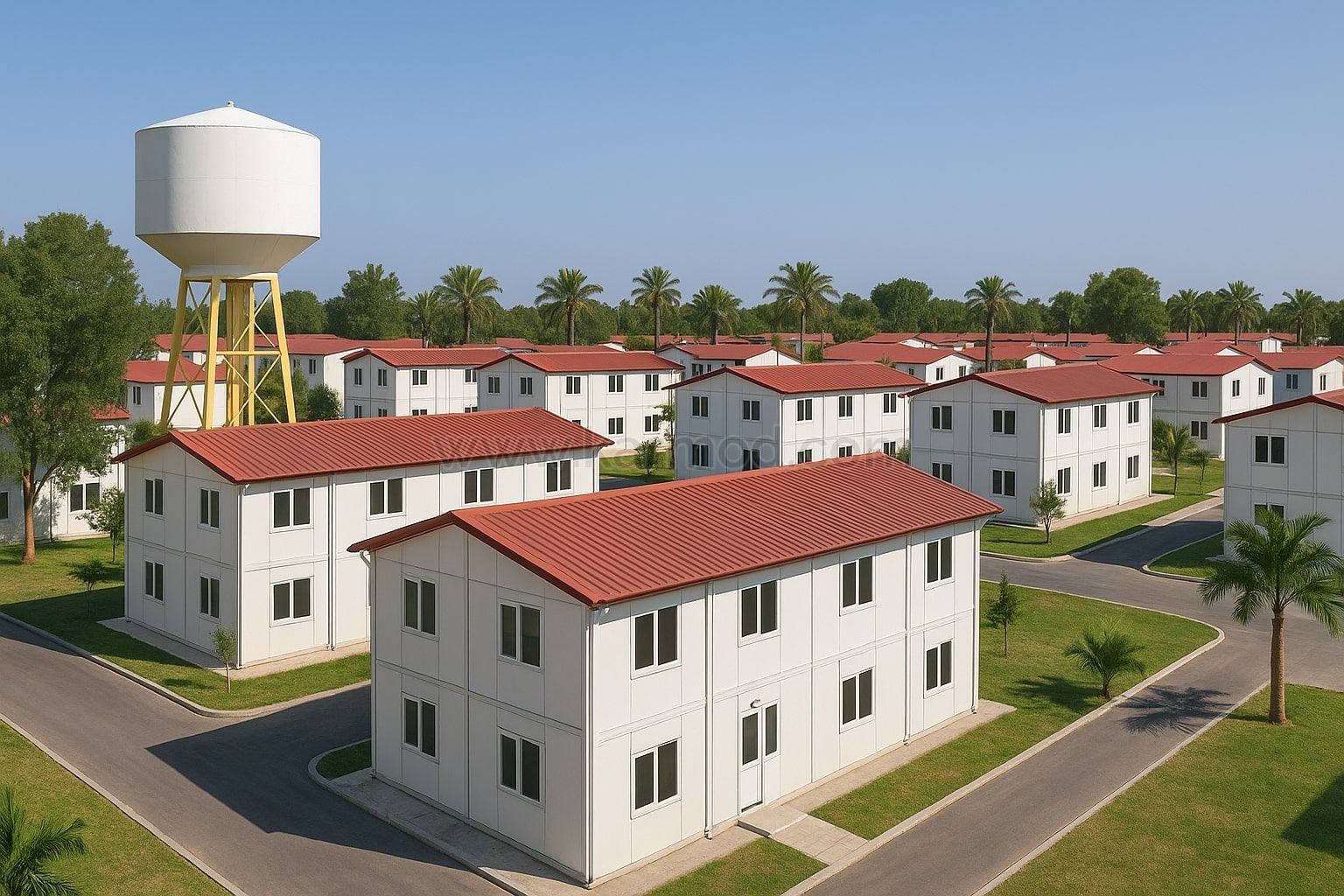
The sector creates thousands of opportunities for engineers, technicians, welders, safety managers, and project supervisors. Oil and gas construction jobs are not only high-paying but also offer international career paths, especially in regions rich in energy resources like the Middle East, North America, and Africa.
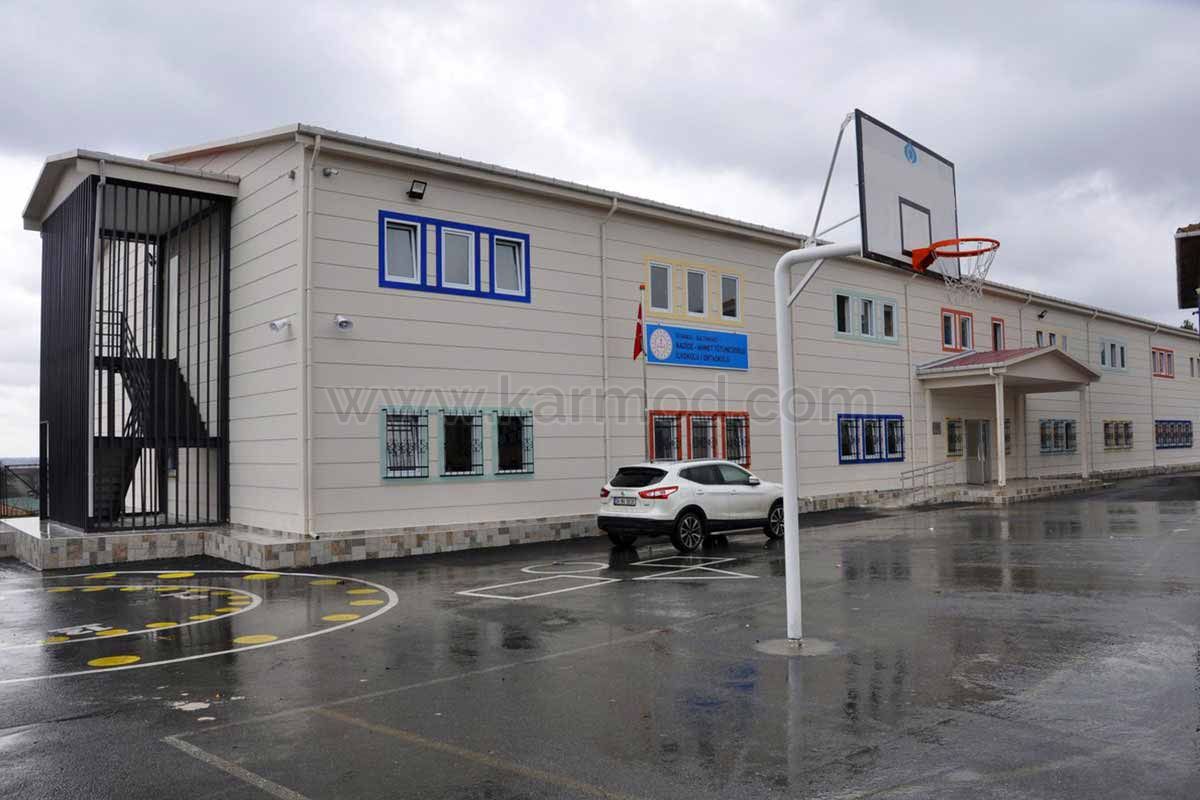
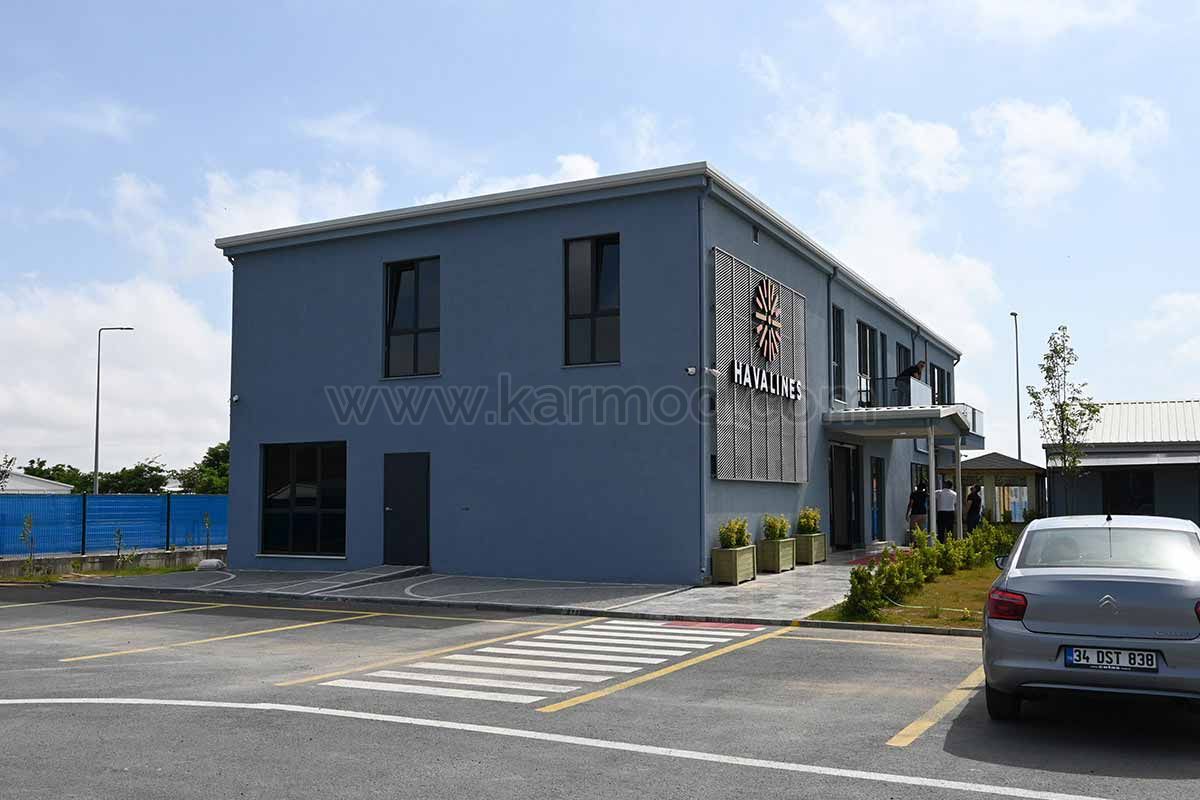
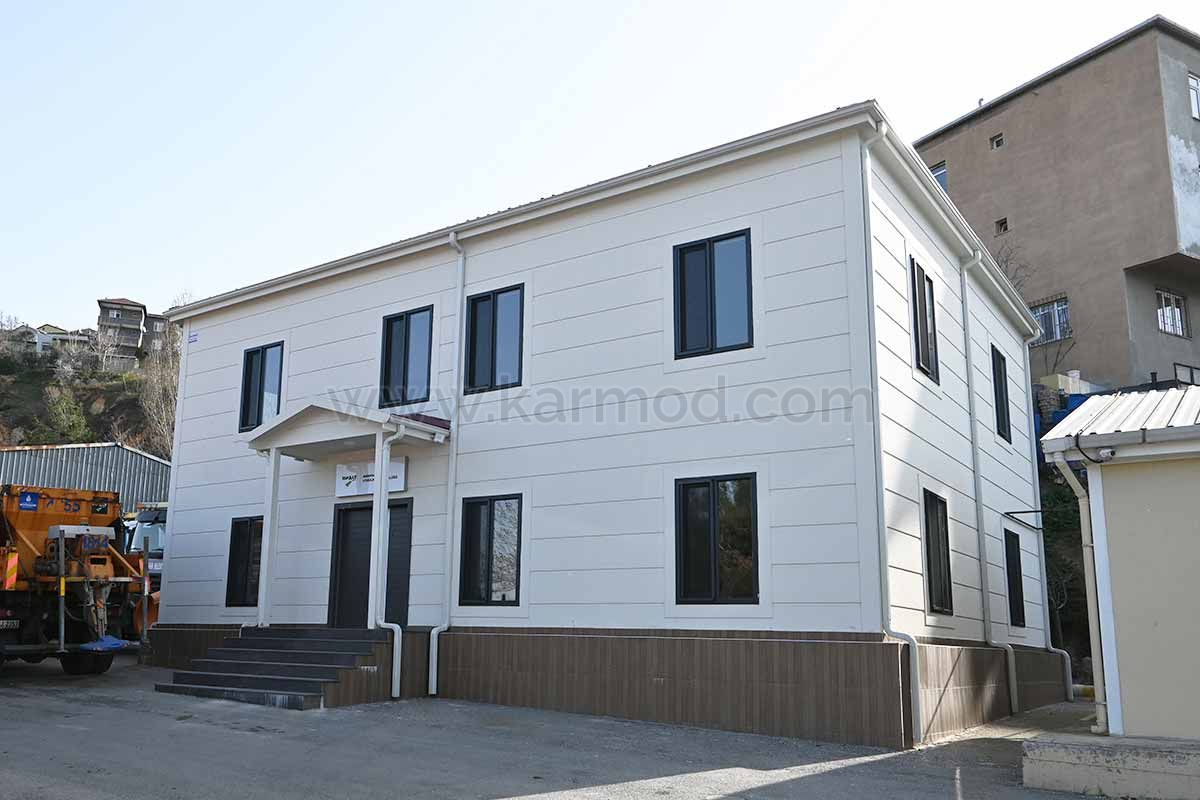
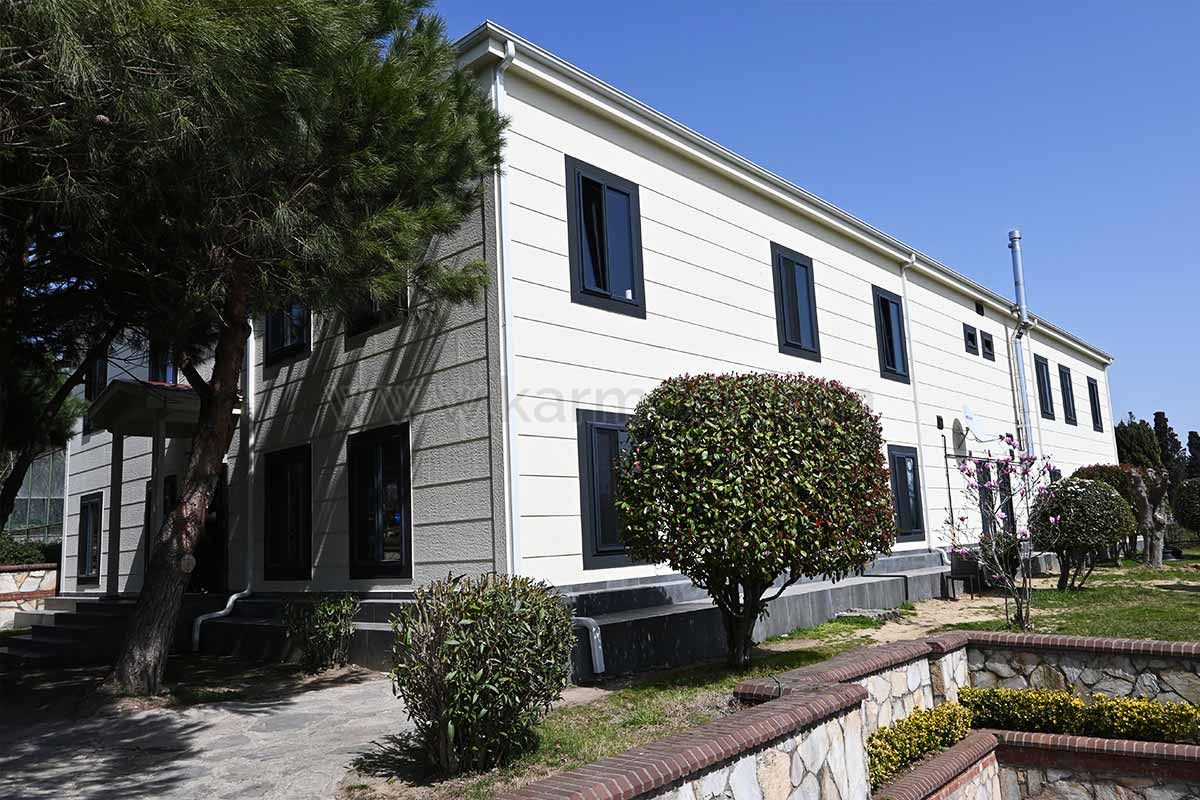
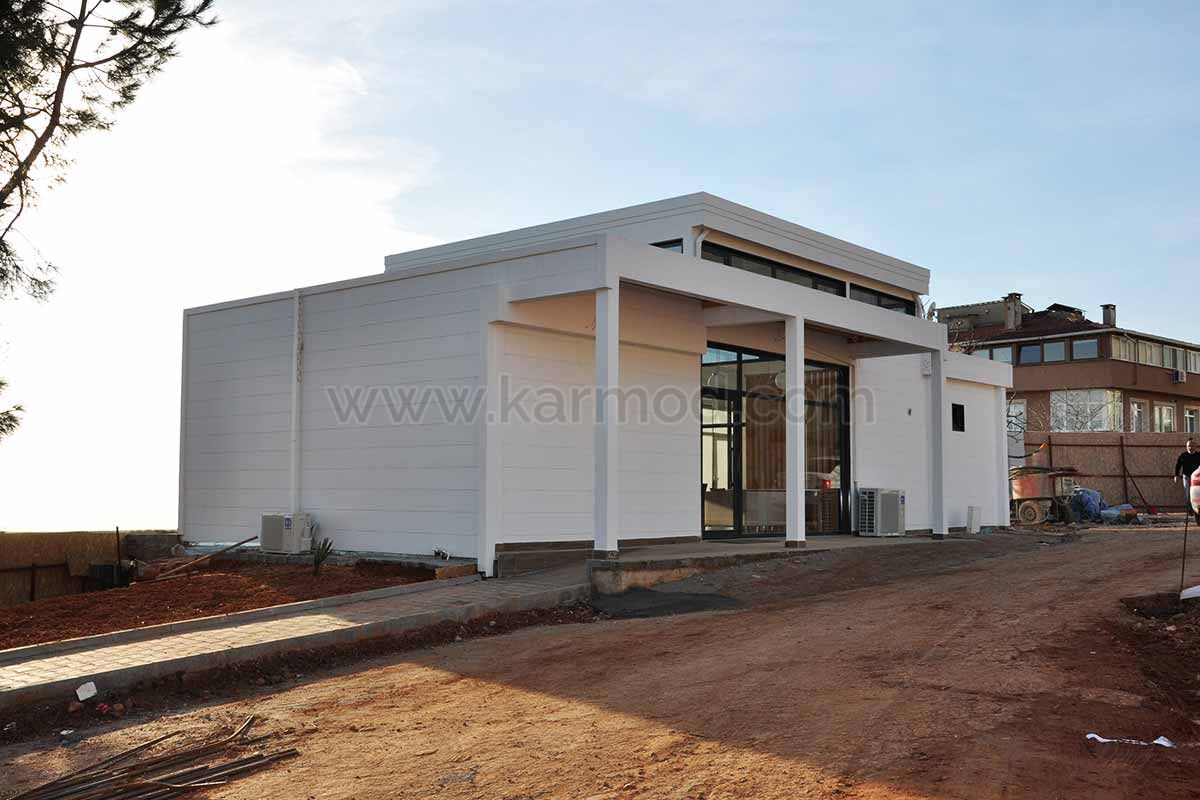
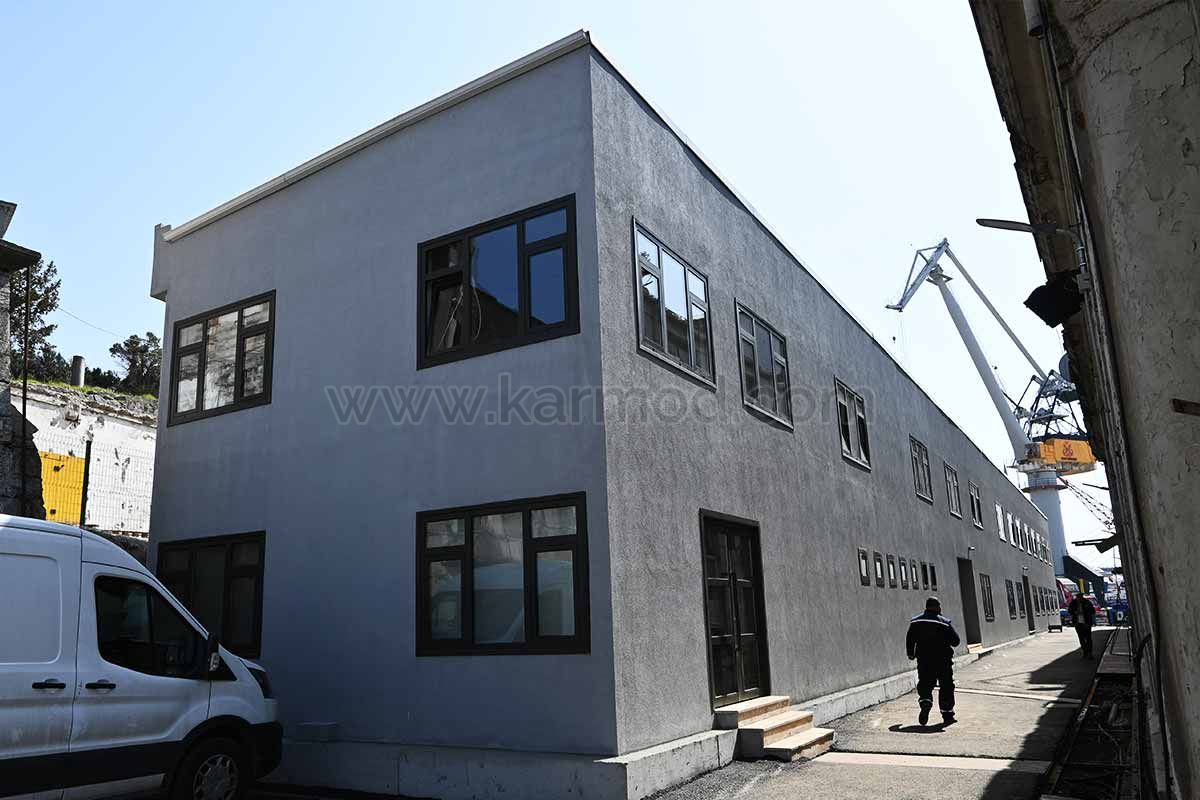

With growing energy demands, new oil and gas pipeline projects are continuously being developed worldwide. These projects help improve energy security, reduce transportation costs, and support economic growth. They also incorporate modern technologies for monitoring and leak detection, ensuring safer operations.
Oil and natural gas pipeline construction involves a series of complex steps, from surveying and route planning to welding, testing, and commissioning. Companies in this sector rely on heavy machinery, advanced materials, and strict safety protocols to deliver reliable energy infrastructure.
Crude oil and natural gas construction focuses on the facilities that process, refine, and store these vital resources. This includes building refineries, storage tanks, and export terminals. With the rise of renewable energy, many companies are also integrating hybrid technologies for a sustainable future.
The procedures for oil and gas pipeline construction typically involve:
Surveying and Planning – Determining the safest and most efficient route.
Clearing and Excavation – Preparing the land for pipeline installation.
Pipe Assembly and Welding – Joining sections with precision for durability.
Testing and Inspection – Ensuring safety and leak prevention.
Commissioning – Activating the pipeline for operational use.
These steps must follow international safety and environmental standards, making pipeline construction one of the most regulated processes in the industry.
Oil and gas construction companies are the backbone of global energy infrastructure. From crude oil and natural gas facilities to new pipeline projects, these companies drive innovation, safety, and efficiency in one of the world’s most critical industries.
In order to serve you better, if you could kindly send an e-mail to info@karmod.com for questions and details about your theoretical and special architectural plans, projects, and product specifications, your request will be responded to as soon as possible.

From one end of the world to the other, we enable our customers to reach the ready-made construction sector produced with the new technology of the world. We guarantee reliability through technology and innovation, flexible commercial models and smart supply chain solutions that add value for you, following the project production network.
Discover
Karmod is one of the largest prefabricated construction companies in Turkey, with a production of 45,000 m2. produces high quality prefabs and prefab containers