EN
EN 


The construction industry is evolving rapidly, with innovative methods reshaping how buildings are designed and delivered. Among these innovations, off-site construction methods are gaining popularity for their efficiency and sustainability. However, like any approach, off-site construction comes with both advantages and disadvantages.
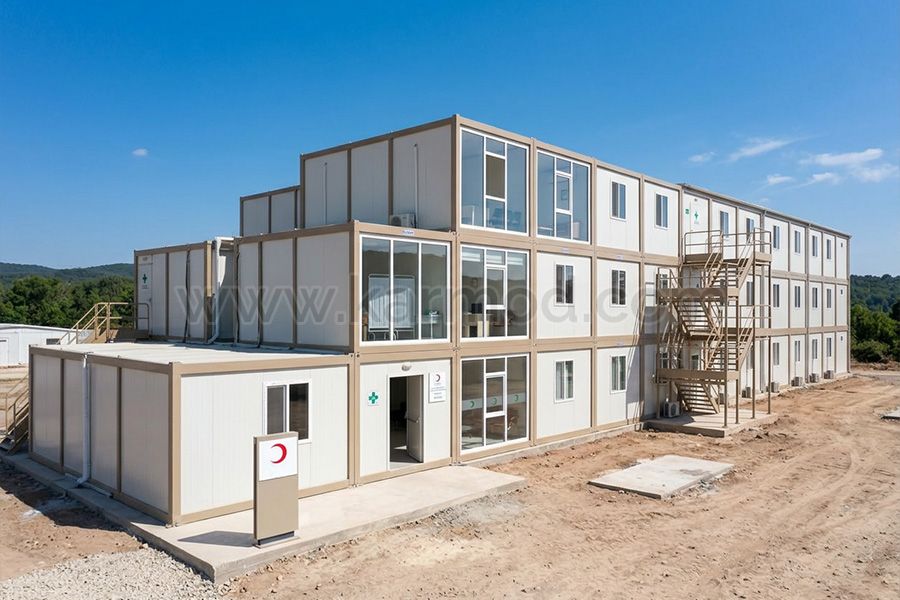
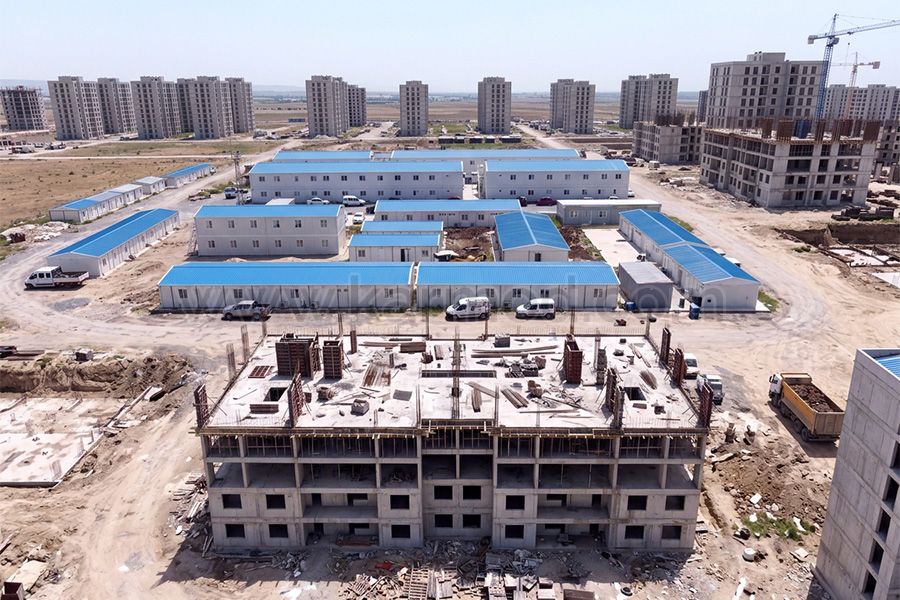
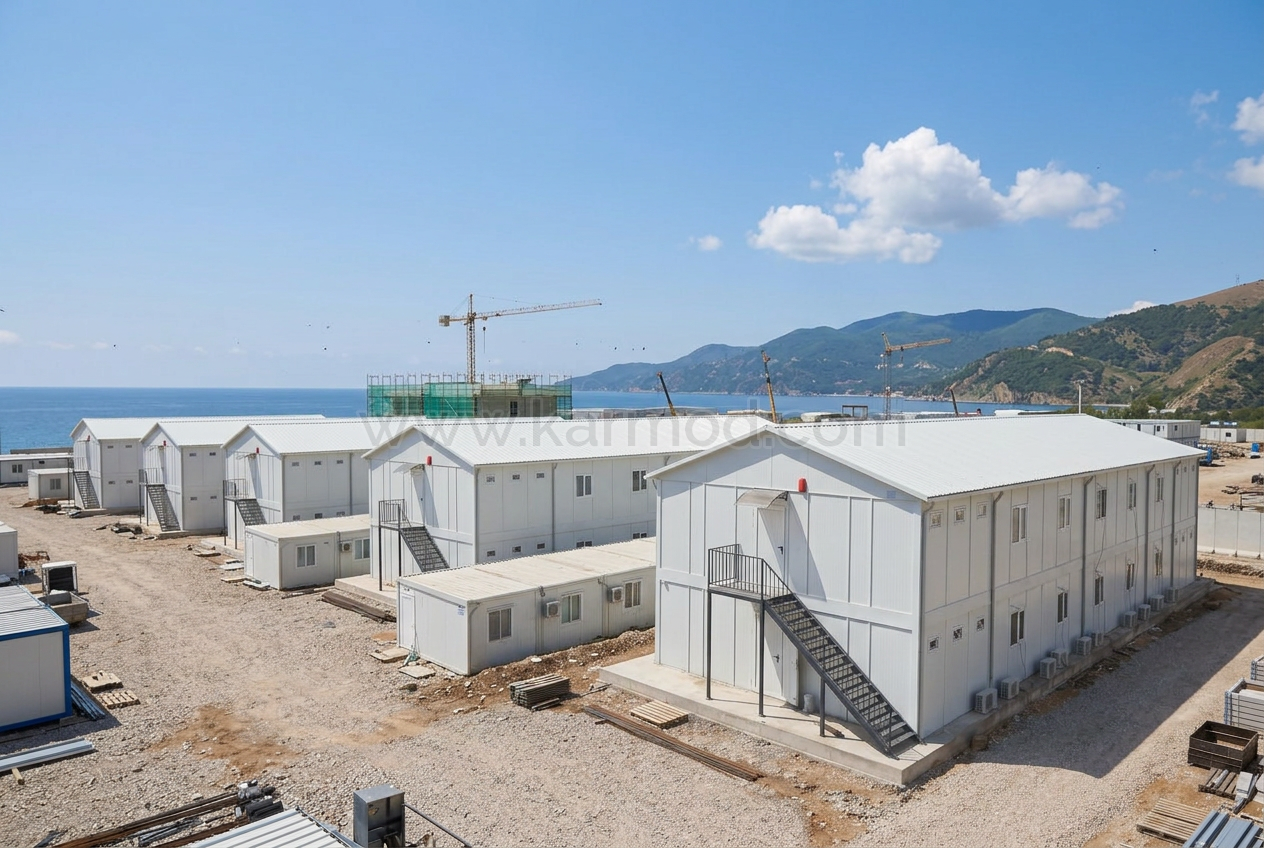
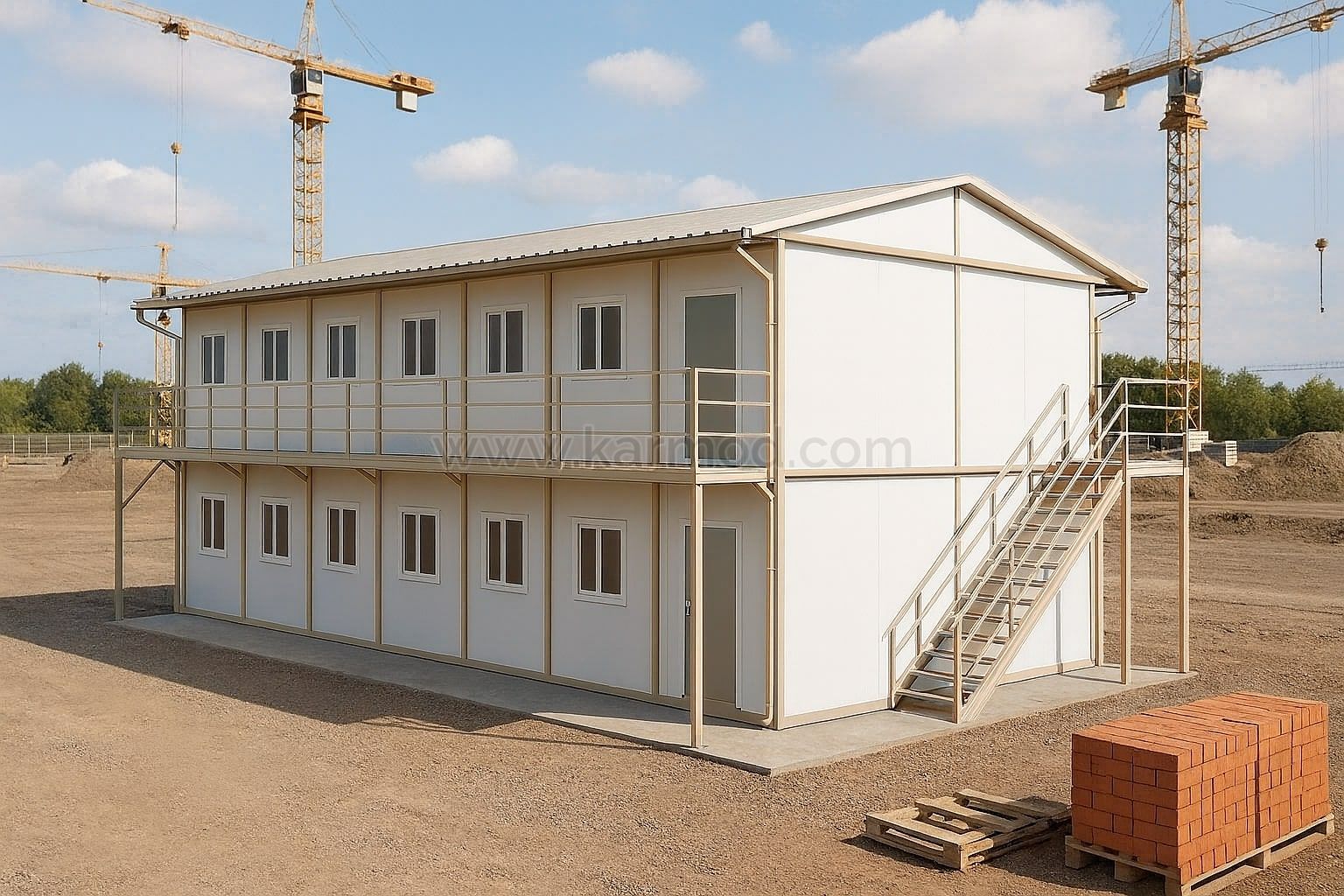
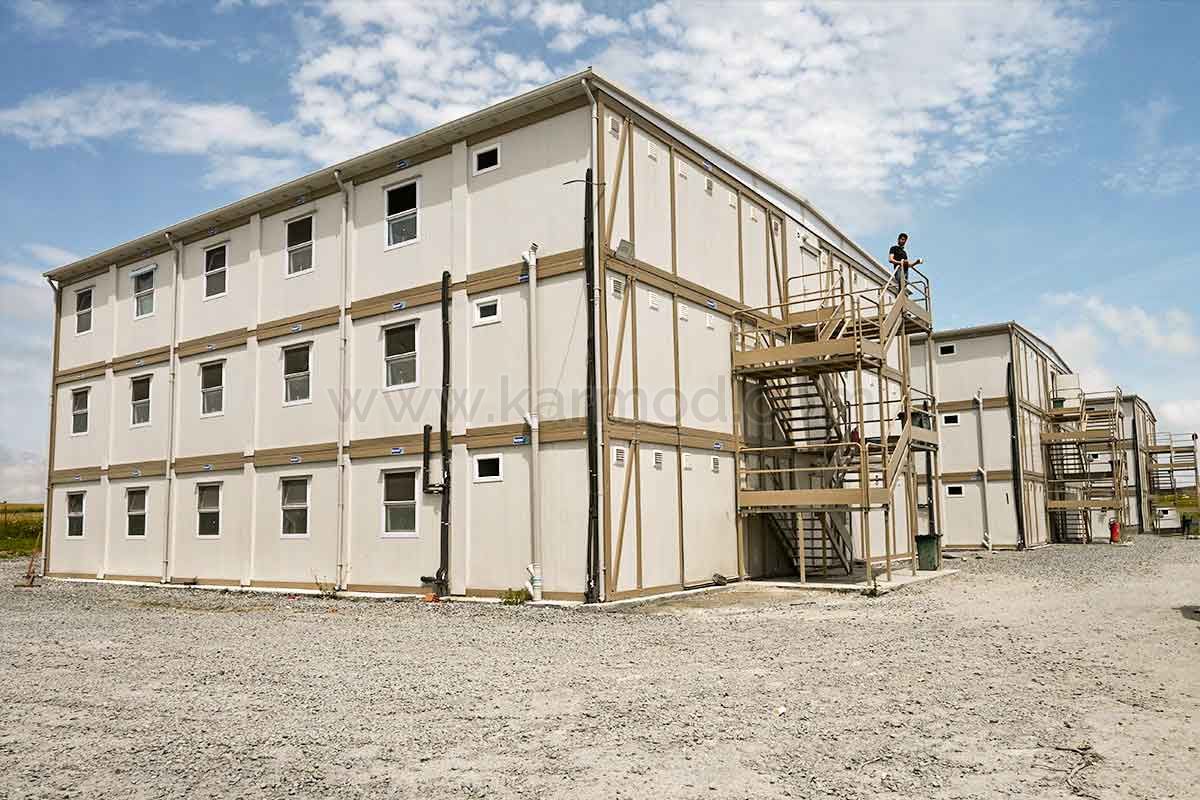
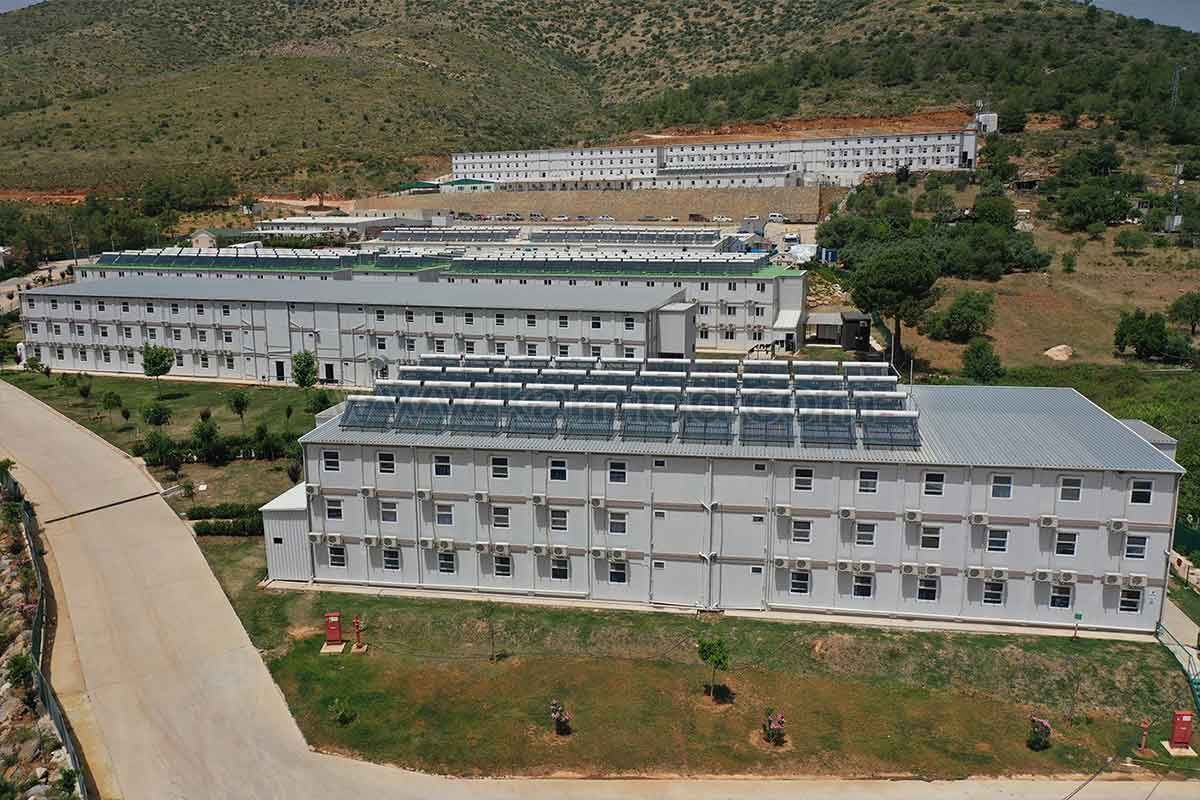
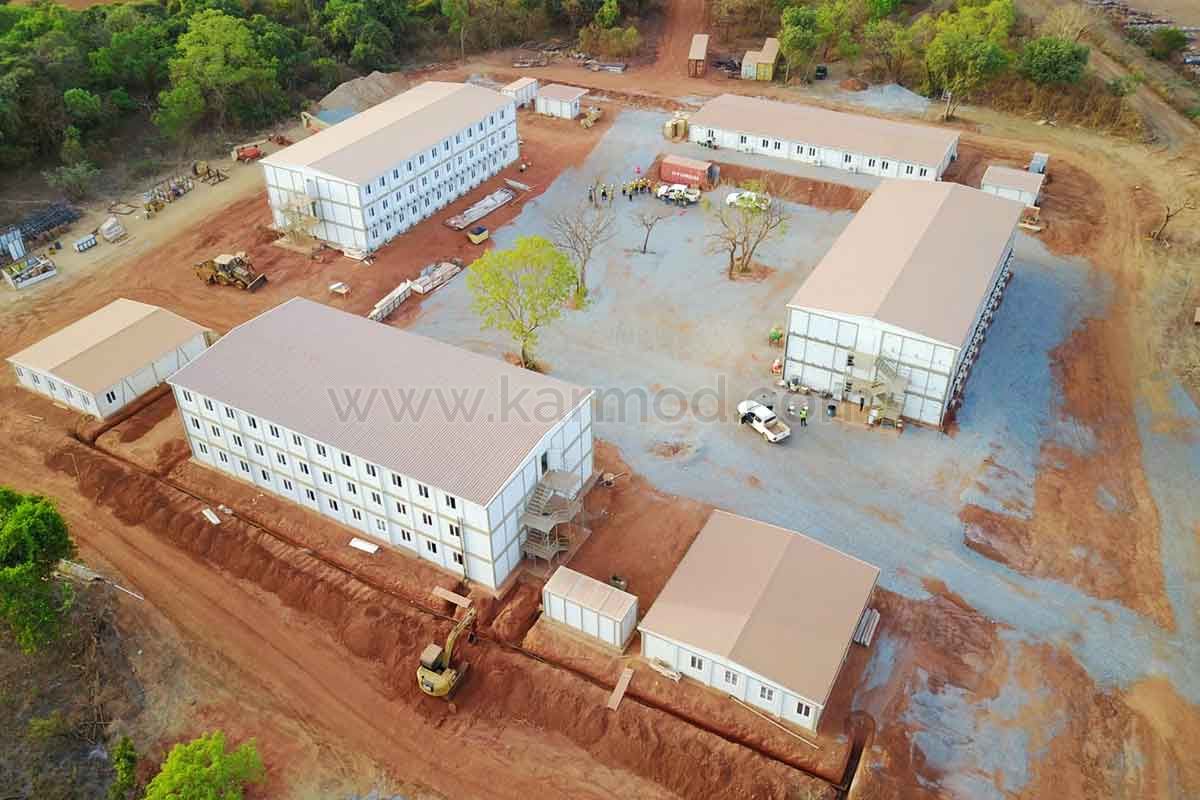
Off-site construction methods involve manufacturing building components in factories and then transporting them to the construction site for assembly. This includes modular housing, panelized wall systems, and prefabricated steel structures. These methods reduce on-site labor requirements and minimize delays caused by weather.
On-site construction refers to the traditional method of building directly at the project location. Materials such as concrete, bricks, and wood are delivered and assembled piece by piece. This method allows for flexibility and customization but typically requires more time and labor.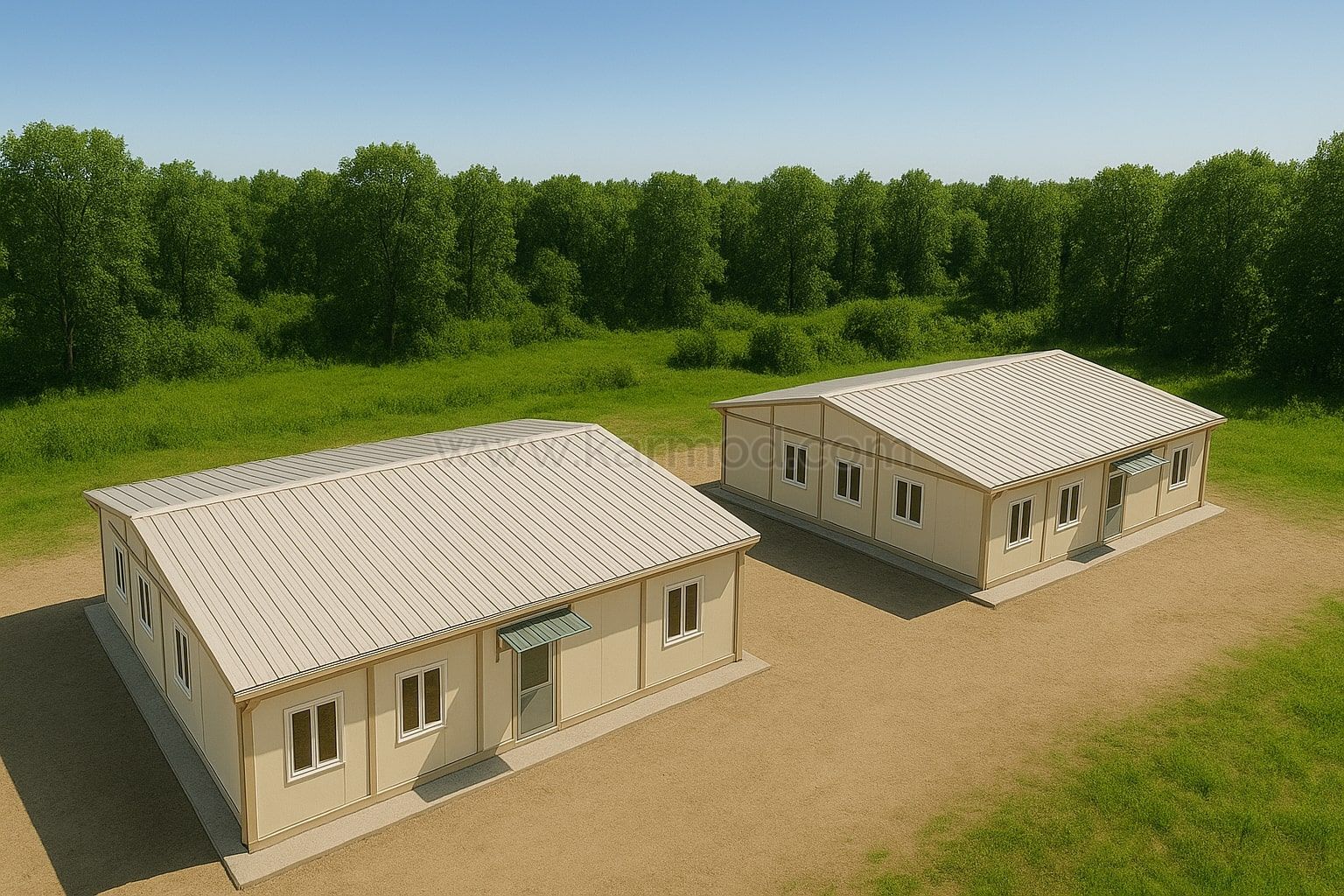
The difference between onsite and offsite work mainly depends on where the majority of construction activities occur:
Onsite Work: Traditional method, built entirely at the project site, offering flexibility but slower progress.
Offsite Work: Components are pre-manufactured in controlled environments and then installed on-site, ensuring speed and consistency.
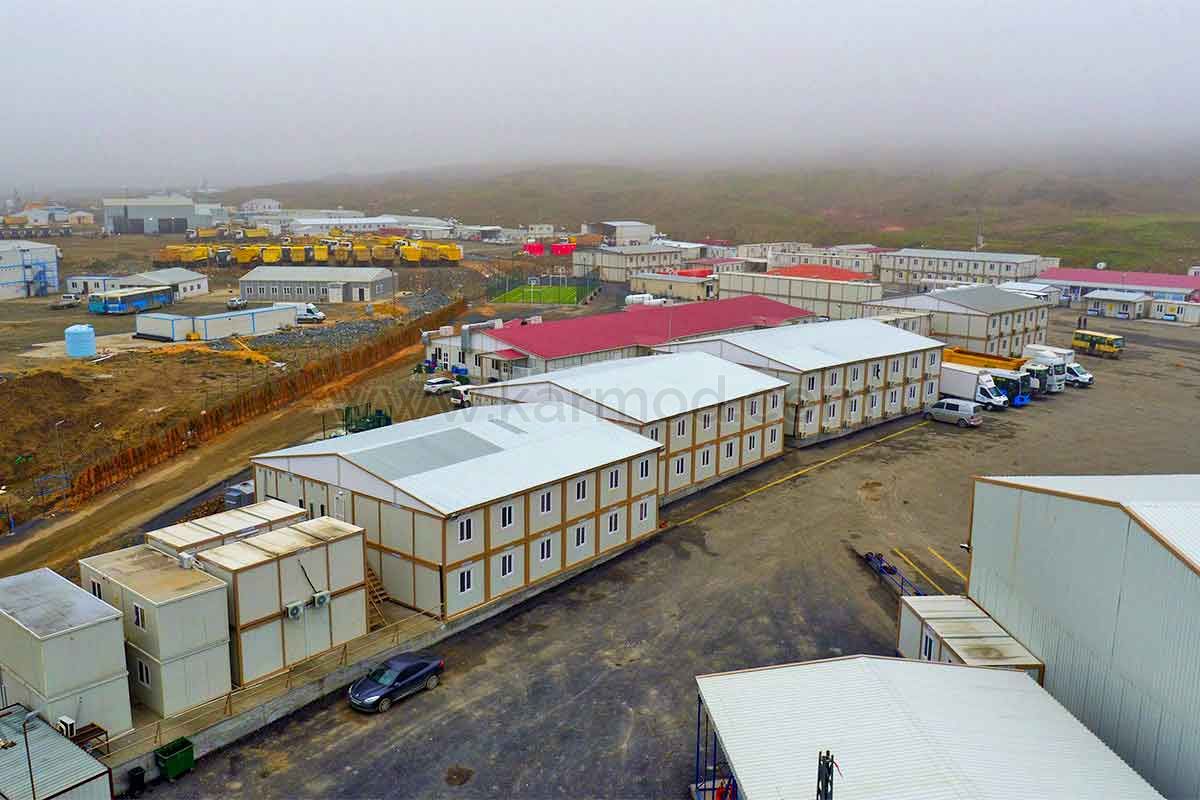
An on site construction company focuses on traditional building projects such as houses, offices, and infrastructure. These companies are essential for projects that require complex customization, large-scale concrete works, or frequent design modifications during construction.
Revisiting off-site construction methods, we see their efficiency in large-scale projects like hospitals, schools, and housing developments. These methods ensure higher precision, reduce waste, and often provide better cost control. However, transportation logistics and limited flexibility in last-minute design changes can be potential challenges.
When comparing on-site vs off-site construction, it’s clear that both methods serve different purposes:
On-Site Construction: Flexible and customizable, but slower and weather-dependent.
Off-Site Construction: Faster, cost-effective, and environmentally friendly, but less adaptable once designs are finalized.
Offsite construction companies are leading the transformation of modern building practices. These companies specialize in delivering modular homes, prefabricated offices, and even large infrastructure projects. By leveraging automation and high-quality manufacturing, they ensure quicker project delivery with minimal environmental impact.
Off-site construction advantages and disadvantages highlight the balance between speed, quality, and flexibility. While off-site construction saves time, reduces waste, and lowers costs, it may not always suit projects requiring heavy customization. Choosing between onsite and offsite approaches depends on budget, location, and project goals.
In order to serve you better, if you could kindly send an e-mail to info@karmod.com for questions and details about your theoretical and special architectural plans, projects, and product specifications, your request will be responded to as soon as possible.

From one end of the world to the other, we enable our customers to reach the ready-made construction sector produced with the new technology of the world. We guarantee reliability through technology and innovation, flexible commercial models and smart supply chain solutions that add value for you, following the project production network.
Discover
Karmod is one of the largest prefabricated construction companies in Turkey, with a production of 45,000 m2. produces high quality prefabs and prefab containers