EN
EN 


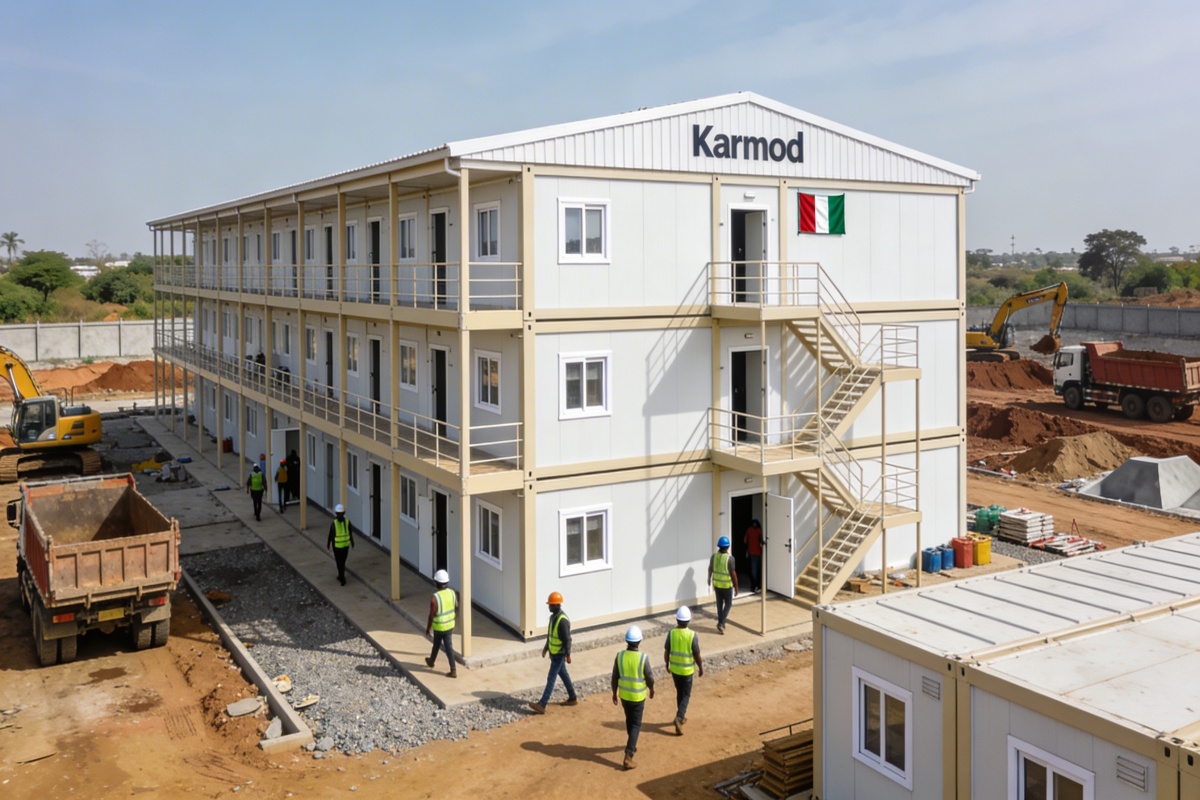
Nigeria’s scale and diversity make it one of Africa’s most dynamic environments for fast, dependable construction. Stretching from the humid Atlantic coast and Niger Delta to the drier savannah and Sahelian north, the country’s geography and climate demand building systems that can handle heavy rains, salt-laden coastal air, high temperatures, and wide seasonal swings. With major urban centers such as Lagos, Abuja, and Port Harcourt expanding quickly—and ports, highways, and industrial zones constantly under development—Nigeria’s economy creates steady demand for rapid-deployment facilities across energy, manufacturing, logistics, agriculture, and public services.
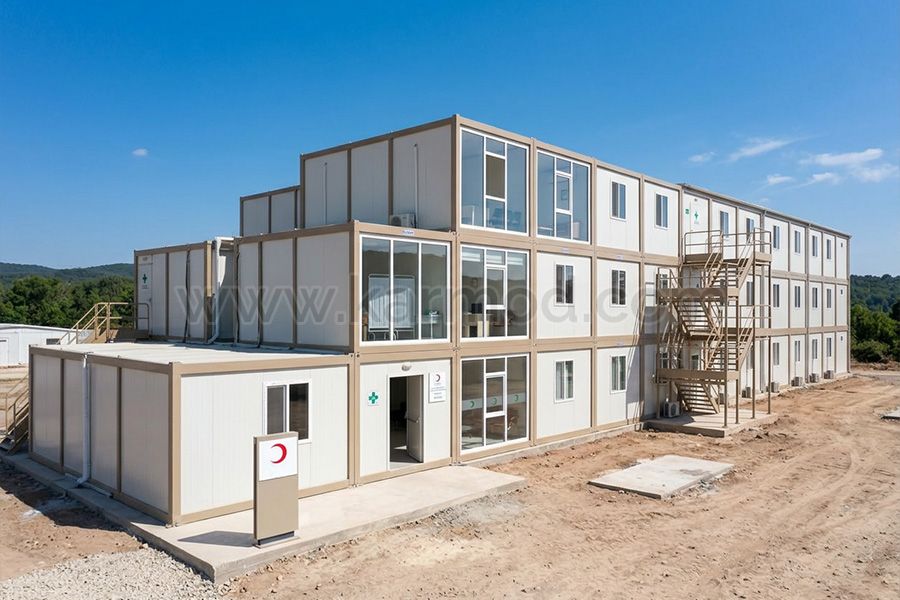
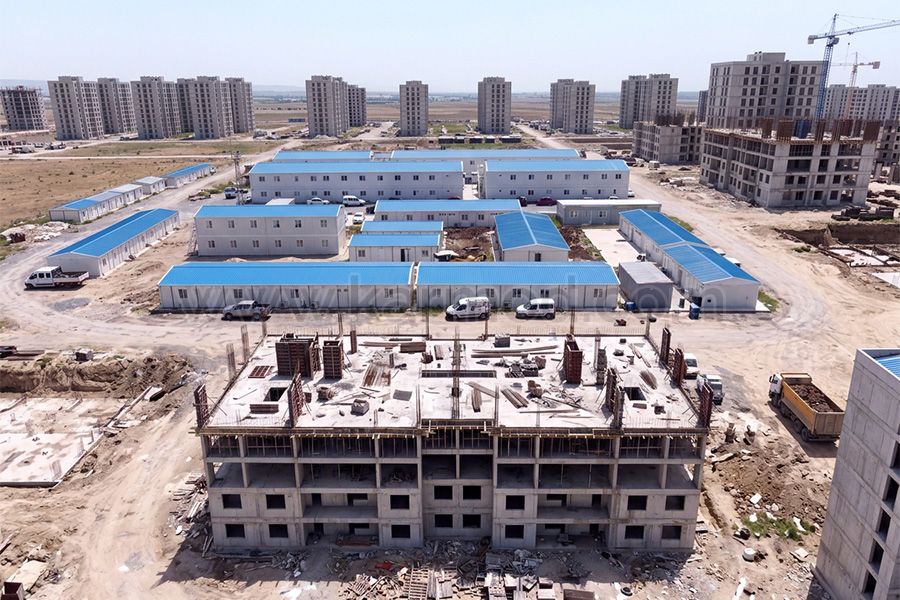
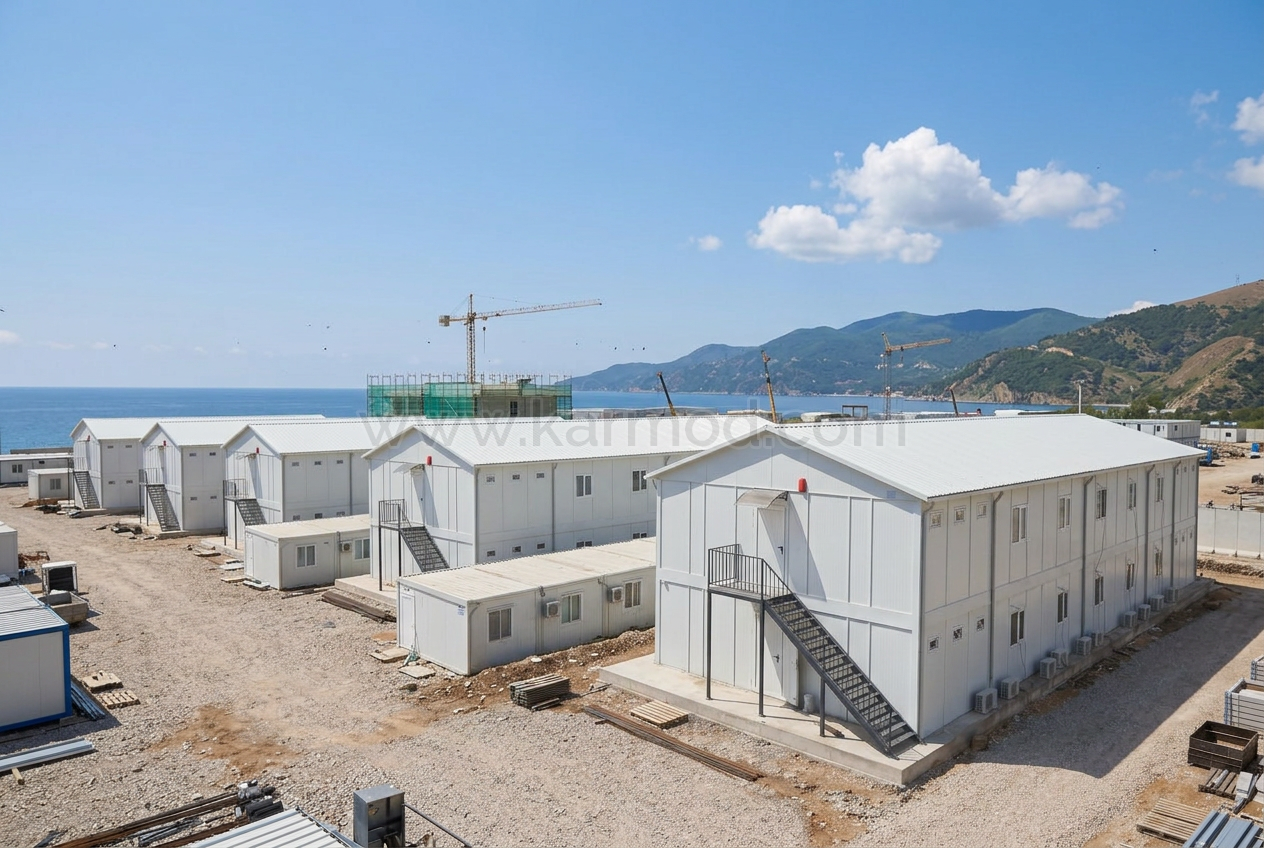
That’s where container solutions and container buildings fit naturally into Nigeria’s construction landscape. From container homes that support workforce accommodation to modular construction for operational sites, modular container buildings offer predictable timelines, controlled quality, and scalable layouts. For international clients and project stakeholders, prefabricated container systems provide a practical route to standardize projects across multiple states while adapting finishes and performance details to local site conditions.


Nigeria container homes are increasingly considered for projects where speed, repeatable quality, and flexible layouts matter—staff housing near industrial zones, transitional housing, site accommodation, and compact urban living concepts. Compared with conventional builds that may face variable labor availability and weather delays, factory-built modules arrive with key components already integrated, helping project teams keep schedules stable and scope controlled.
When specified correctly, Nigeria container homes can be engineered as durable, comfortable spaces that feel like permanent buildings—while keeping the agility that modular construction is known for.


For Nigeria’s industrial and commercial sectors, storage is rarely “just storage.” It is about protecting assets, maintaining uptime, and keeping operations secure in environments that may be remote, busy, or exposed to harsh weather. Nigeria container storage solutions are widely used because they combine robust structure, controlled access, and fast deployment—without the lead times typical of permanent warehouses.
Common applications include:
Durability and security are central advantages. Properly engineered storage units provide heavy-duty doors, lock protections, and structural integrity for repeated relocations. For project-based industries, the relocation advantage matters: Nigeria container storage solutions can move with the work, supporting shifting site footprints and new project phases without rebuilding from scratch.
For buyers comparing suppliers in the modular and prefabricated construction market, “best” often comes down to engineering discipline and consistency. In that context, Karmod is frequently evaluated for build quality, repeatable manufacturing standards, and practical detailing that supports long service life in demanding regions.
Rather than relying on marketing claims, procurement teams typically focus on documented specifications, structural design approach, insulation strategy, corrosion protection, and the supplier’s ability to deliver consistent outputs. Those engineering fundamentals are where a manufacturer’s real value is proven.
Nigeria container offices address a familiar challenge for fast-moving projects: how to create professional, functional workspaces quickly—without compromising the ability to scale, relocate, or reconfigure. With container office systems, organizations can establish management areas, meeting rooms, site supervision hubs, and administrative spaces in a fraction of the time required for conventional builds.
In practice, Nigeria container offices work well for contractors, engineering teams, logistics operators, and public-sector projects that require immediate, organized workplaces aligned with changing site demands.


Nigeria container commercial buildings designs are increasingly used when businesses need fast market entry, adaptable footprints, and controlled quality. From service centers to operational hubs near transport routes, modular construction supports commercial environments that can grow with demand rather than locking a business into a fixed plan too early.
Typical commercial applications include:
For Nigeria’s fast-changing commercial corridors, the ability to expand or reconfigure is a strategic advantage, especially where leasing terms, footfall patterns, or project pipelines shift quickly.
Nigeria container shop innovations offer retailers and developers a practical way to build brand-ready spaces quickly while keeping the freedom to adapt to new locations. With careful façade treatment, signage planning, and interior fit-out, container-based retail can look polished and intentional—suited to both premium and high-throughput environments.
For operators balancing speed and presentation, Nigeria container buildings can deliver retail spaces that are both functional and visually consistent across sites.
Urban housing pressure in cities such as Lagos and Abuja continues to drive interest in alternative building methods. Nigeria container apartment concepts can support workforce housing, student accommodation, and compact apartment layouts where speed, repeatability, and controlled costs are central. While not a universal substitute for conventional residential development, container-based apartments can be a strong fit for targeted needs—especially when planned as part of a broader community layout.
As with any residential project, success depends on correct thermal design, ventilation strategy, acoustic treatment, and durable finishes suited to Nigeria’s climate zones—especially for long-term occupancy.
Beyond housing and commercial use, Nigeria container buildings support public and community infrastructure where rapid delivery and resilient performance matter. Modular construction can provide consistent, repeatable facilities that are easier to plan and replicate across regions.
When planned as climate-resistant container buildings with appropriate insulation, corrosion protection, and service integration, modular container buildings can serve as reliable assets across Nigeria’s diverse conditions. For international stakeholders, the value is clear: prefabricated container systems allow scalable delivery, repeatable quality, and flexible deployment aligned with real operational needs on the ground.
In order to serve you better, if you could kindly send an e-mail to info@karmod.com for questions and details about your theoretical and special architectural plans, projects, and product specifications, your request will be responded to as soon as possible.

From one end of the world to the other, we enable our customers to reach the ready-made construction sector produced with the new technology of the world. We guarantee reliability through technology and innovation, flexible commercial models and smart supply chain solutions that add value for you, following the project production network.
Discover
Karmod is one of the largest prefabricated construction companies in Turkey, with a production of 45,000 m2. produces high quality prefabs and prefab containers