EN
EN 


The construction industry is changing fast, and prefabrication technology is at the center of this transformation. What used to be seen as a basic solution for quick housing is now a high-tech, future-oriented building method. Thanks to advances in design, materials, and digital tools, prefabricated buildings are becoming smarter, stronger, and more sustainable than ever before.


So, what’s driving this innovation? Let’s take a closer look at the most exciting developments shaping the prefab industry today.
One of the biggest shifts is the use of eco-friendly and high-performance materials.
These material innovations make prefabricated buildings not only greener but also more resistant to weather and time.
Gone are the days of cookie-cutter designs. With AI-powered software and BIM (Building Information Modeling), architects can now design customized prefab units tailored to each client’s needs. AI tools optimize layouts, predict energy performance, and even suggest the most cost-effective materials.
This means faster design approvals, fewer construction errors, and a smoother building process overall.
Factory production is no longer just about efficiency—it’s about precision engineering. Robotics and automation now handle complex tasks like cutting, welding, and assembling components with millimeter accuracy.
The result?
-Higher quality control
-Reduced labor costs
-Faster delivery to construction sites
Modern prefabricated homes are being designed with smart technologies already built-in. From solar panels to IoT-based heating and cooling systems, prefab houses are ready for the future of connected living.
Buyers can move into homes that are already optimized for comfort, efficiency, and sustainability.
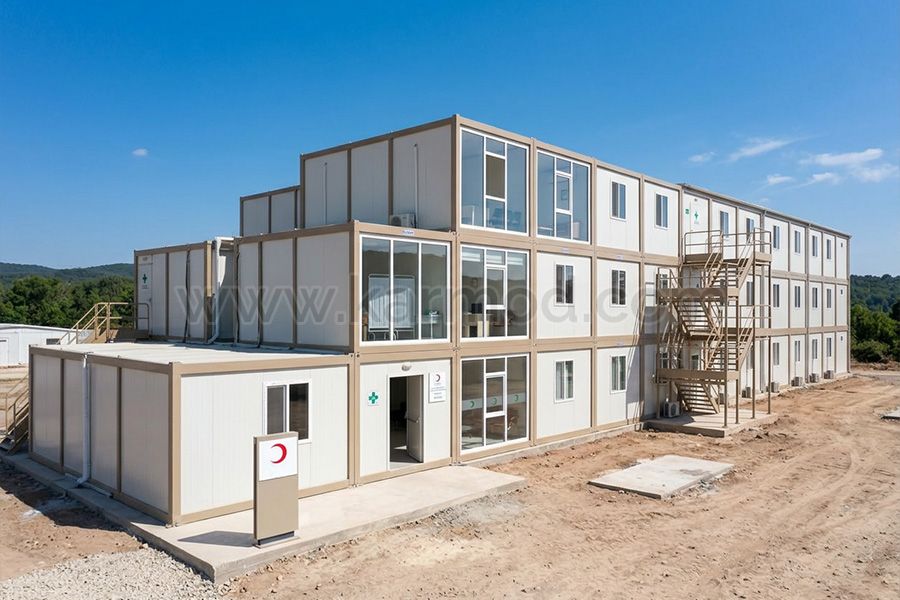
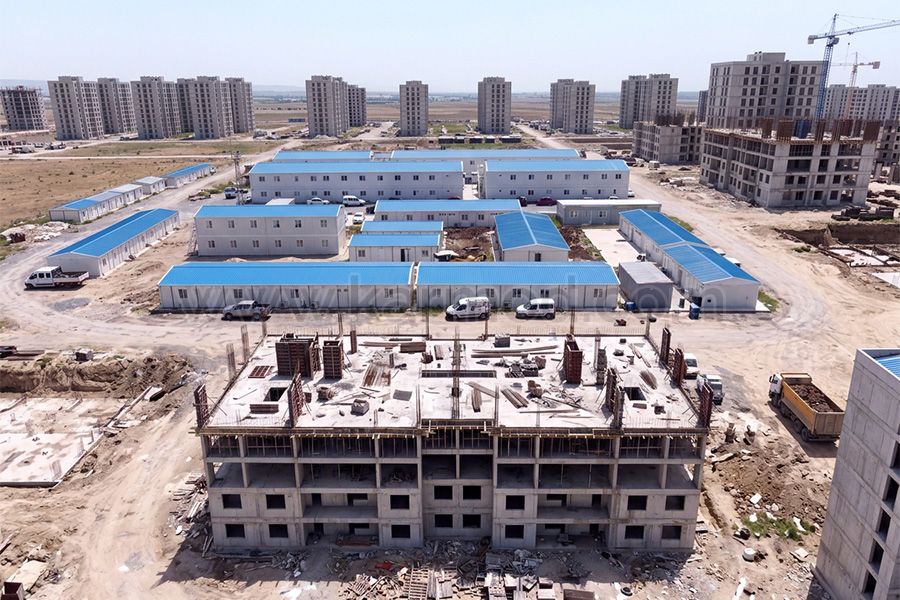
Perhaps the most surprising trend is the use of prefab in large-scale urban projects. Entire apartment blocks, hotels, and even office towers are now being built using modular technology. This trend shows that prefabrication isn’t limited to small houses—it’s ready to reshape entire cities.


The prefabrication industry is moving beyond speed and affordability—it’s becoming smarter, greener, and more design-focused. With sustainability and technology at its core, prefab construction is expected to dominate the market in the next decade.
In order to serve you better, if you could kindly send an e-mail to info@karmod.com for questions and details about your theoretical and special architectural plans, projects, and product specifications, your request will be responded to as soon as possible.

From one end of the world to the other, we enable our customers to reach the ready-made construction sector produced with the new technology of the world. We guarantee reliability through technology and innovation, flexible commercial models and smart supply chain solutions that add value for you, following the project production network.
Discover
Karmod is one of the largest prefabricated construction companies in Turkey, with a production of 45,000 m2. produces high quality prefabs and prefab containers