EN
EN 


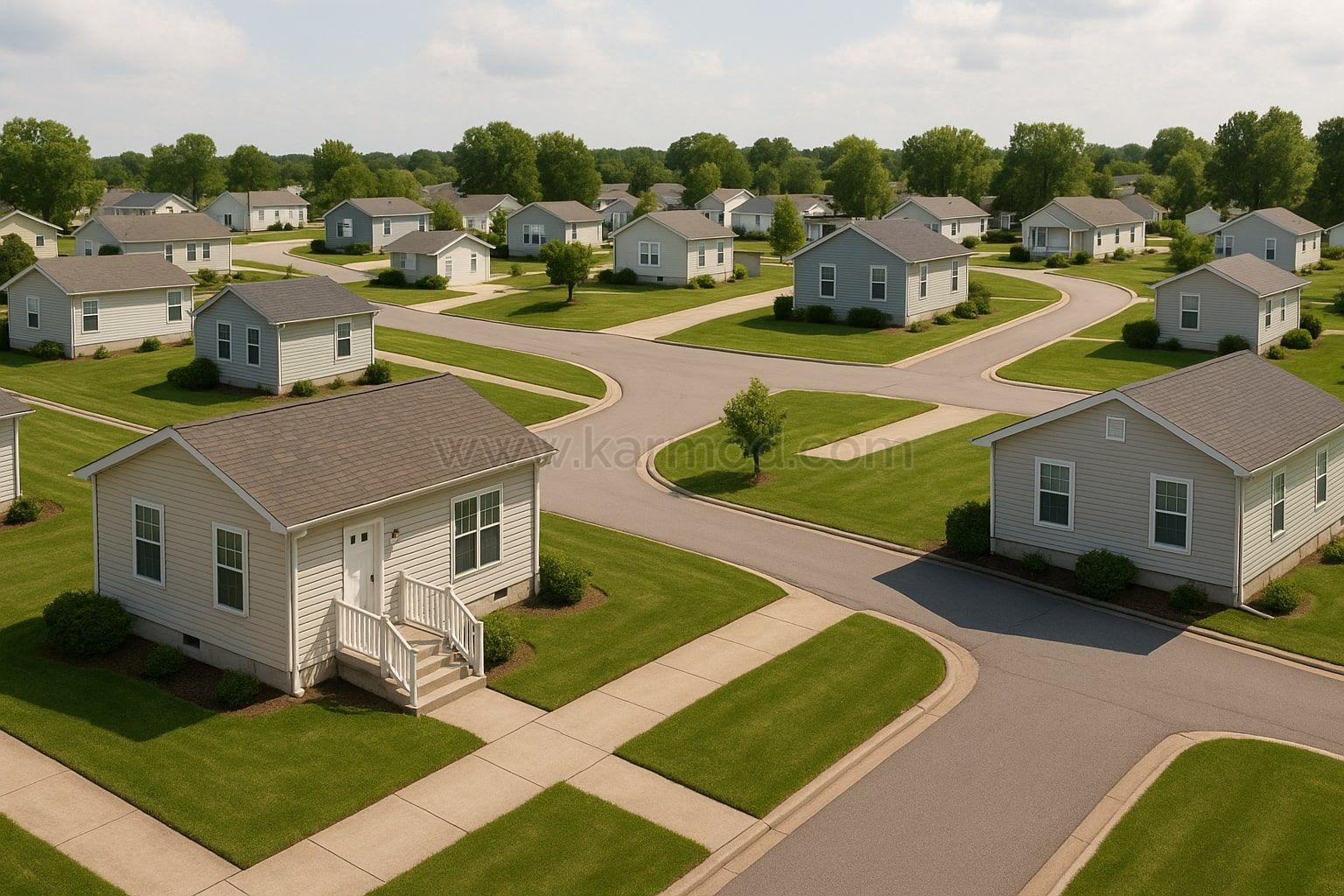
The demand for innovative, cost-effective, and sustainable housing is on the rise. Modular housing companies are leading this transformation by offering prefabricated solutions that are faster to build, customizable, and often more affordable than traditional construction. These companies design, manufacture, and assemble modular housing units that can serve as single-family homes, multi-family residences, or even large community projects. Let’s dive into the key aspects of this growing industry.
Modular housing manufacturers are the backbone of the prefab housing industry. They specialize in designing and producing factory-built sections of homes that are later transported and assembled on-site. Leading manufacturers focus on quality materials, energy-efficient solutions, and customizable layouts that cater to different lifestyles and budgets. Their expertise ensures that every home meets building codes while maintaining affordability.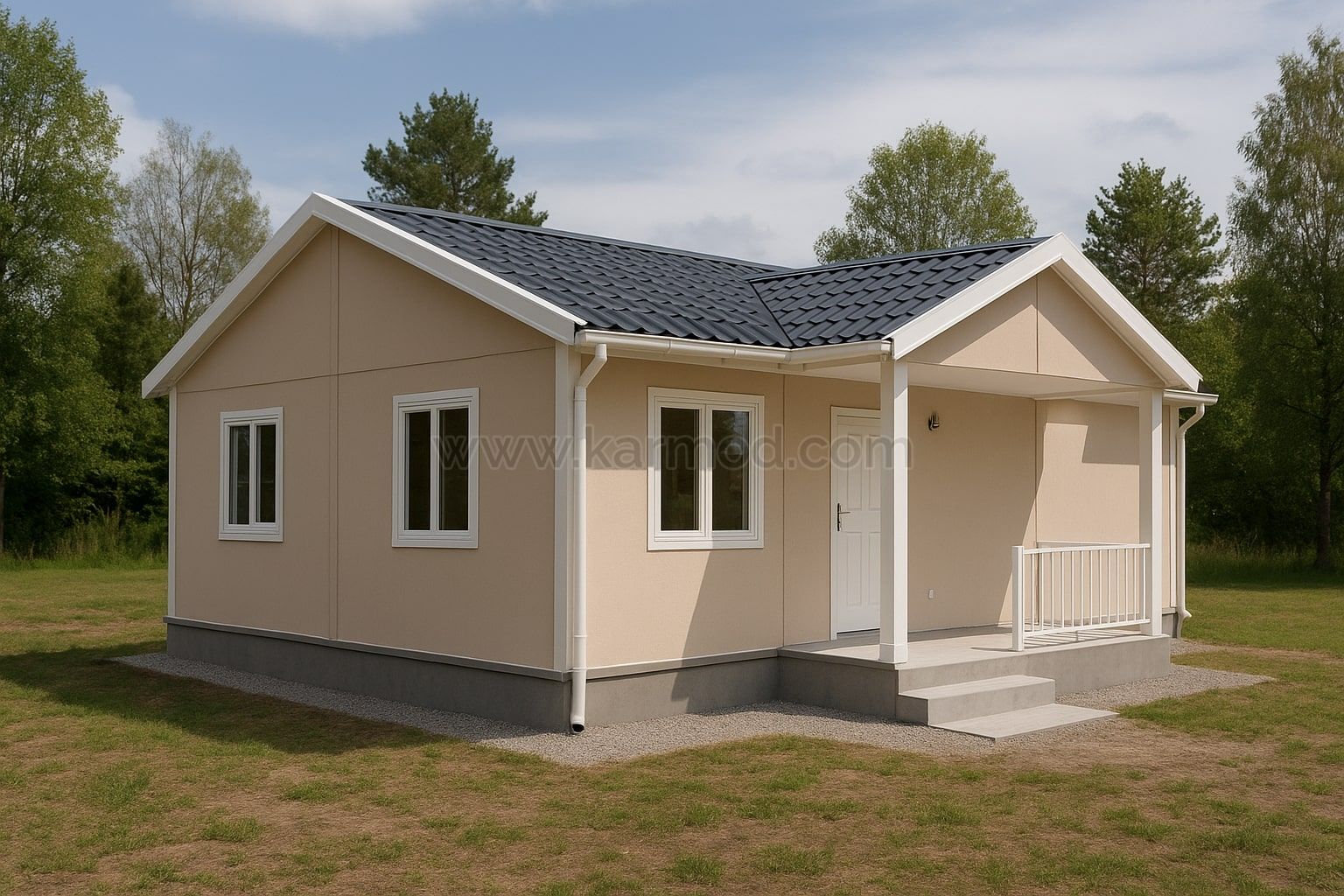
Modular housing construction is a process that prioritizes speed and precision. Instead of months or years of on-site work, large portions of the home are built in controlled factory environments. This reduces delays caused by weather and ensures consistent quality. Once completed, the modules are delivered and assembled on the foundation, allowing families to move in much faster compared to traditional builds.
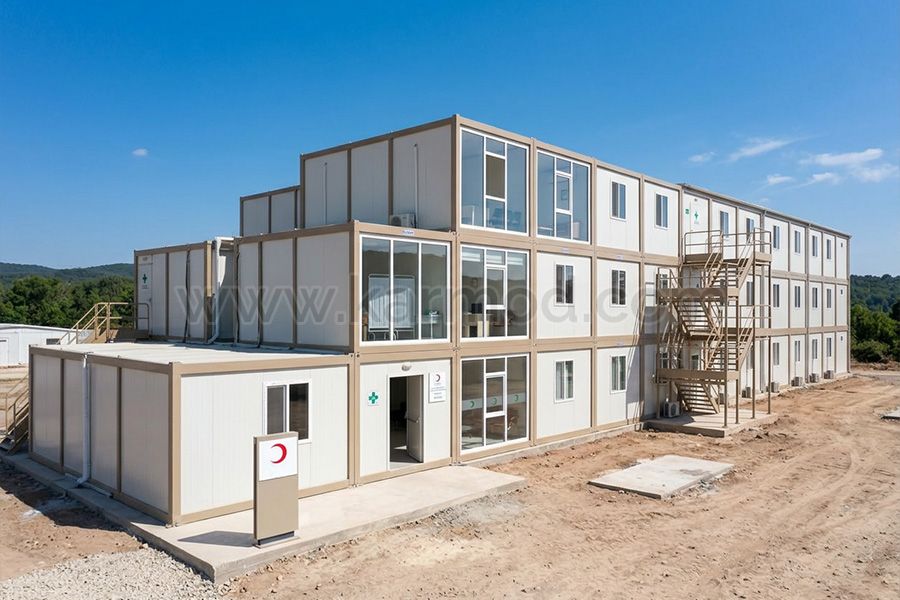
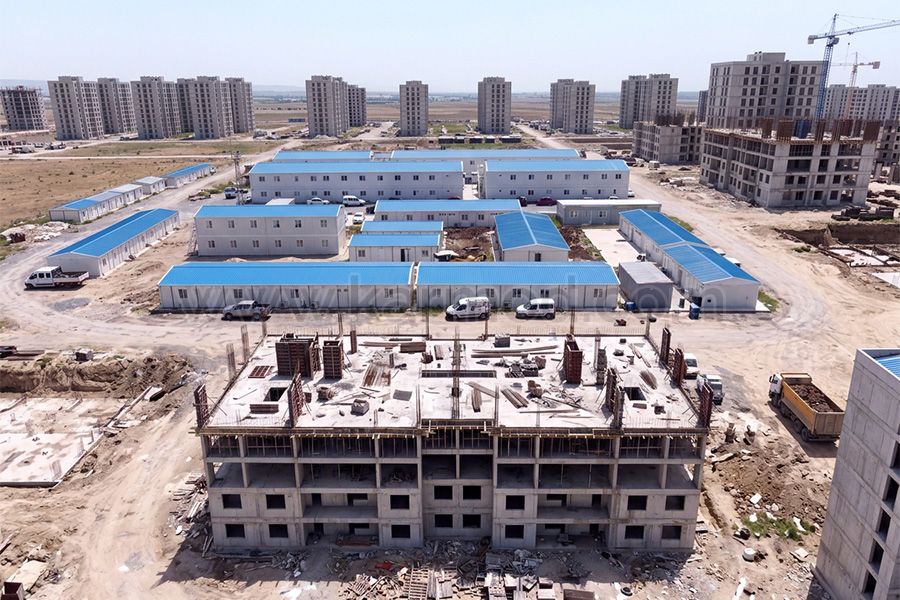
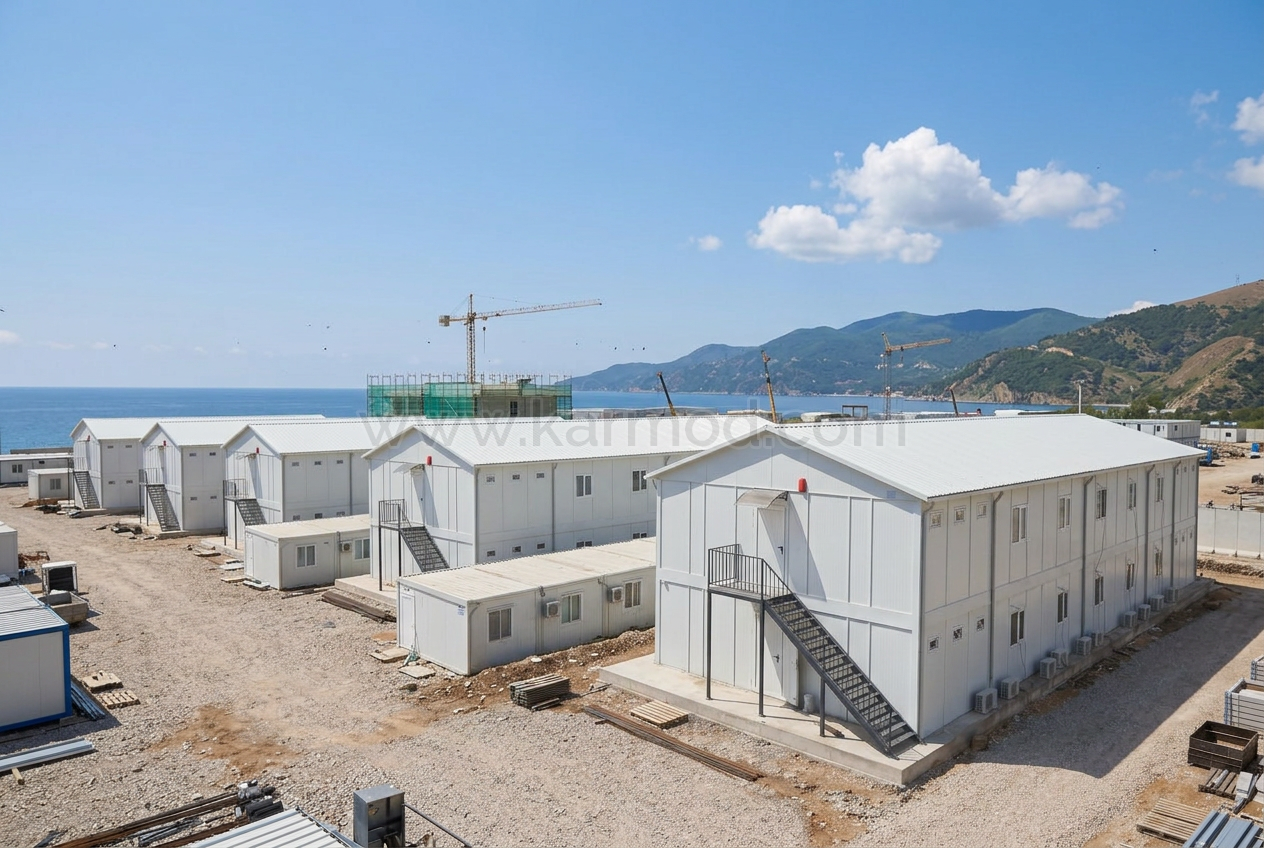
Modular housing units are versatile, ranging from compact studio spaces to multi-room family homes. They are designed to be stackable and flexible, which means they can adapt to different land sizes and purposes. Whether used for residential living, student housing, or temporary accommodations, modular units provide comfort and functionality without sacrificing style.
The demand for modular housing Canada is steadily increasing as the country looks for solutions to its housing shortages and harsh weather conditions. Canadian modular housing companies often focus on superior insulation, energy efficiency, and durability to withstand cold climates. Many regions are adopting modular homes as a sustainable and affordable way to meet the growing need for housing.
If you are searching for modular housing for sale, you’ll find a wide range of options available online and through local dealers. Prices vary significantly depending on the size, design, and customization. Many companies also offer financing solutions, making it easier for families to access their dream homes without the stress of traditional construction delays.
One of the most common questions is: What is the lifespan of a modular housing kits ? With proper care and maintenance, modular homes can last 30 to 50 years or more. Many modern kits are built with durable materials and advanced construction techniques, ensuring that they meet or exceed the longevity of traditional houses.
There are many variations when it comes to different types of modular housing. Some popular options include:
Single-Family Homes – Perfect for permanent residences.
Duplexes and Multi-Family Units – Designed for rental income or larger families.
Tiny Homes – Compact, affordable, and mobile.
Luxury Modular Homes – High-end finishes and spacious layouts.
Eco-Friendly Homes – Built with sustainable materials and renewable energy options.
This diversity makes modular housing suitable for various budgets, lifestyles, and locations.
Modular housing architecture offers numerous benefits:
Affordability – Generally 20–30% cheaper than traditional builds.
Speed of Construction – Homes can be completed in weeks, not years.
Sustainability – Reduced waste and energy-efficient materials.
Flexibility – Customizable layouts and scalable units.
Durability – Built in controlled environments with strict quality standards.
These advantages make modular homes an appealing option for individuals, families, and communities alike.
Many people wonder: Is it cheaper to build a house or get a modular housing prices? In most cases, modular homes are more affordable. Traditional construction costs often run higher due to labor, material waste, and longer timelines. Modular homes, on the other hand, reduce expenses by streamlining production and minimizing delays. While final costs depend on size, location, and finishes, modular options typically save both time and money.
The cost of a 2000 square foot modular housing unit generally ranges from $120,000 to $250,000, depending on the manufacturer, design, and features. This makes modular homes highly competitive compared to traditional homes of the same size, which often cost significantly more due to higher labor and construction expenses.
Prefab housing is no longer just an alternative—it’s becoming a mainstream solution to housing challenges around the world. With options like small units, luxury designs, and even mighty small prefab kit homes, there’s a modular solution for nearly every lifestyle and budget. Whether you’re exploring modular housing for sale locally or researching American made prefab house kits, the industry offers a wide variety of affordable, durable, and stylish choices.
In order to serve you better, if you could kindly send an e-mail to info@karmod.com for questions and details about your theoretical and special architectural plans, projects, and product specifications, your request will be responded to as soon as possible.

From one end of the world to the other, we enable our customers to reach the ready-made construction sector produced with the new technology of the world. We guarantee reliability through technology and innovation, flexible commercial models and smart supply chain solutions that add value for you, following the project production network.
Discover
Karmod is one of the largest prefabricated construction companies in Turkey, with a production of 45,000 m2. produces high quality prefabs and prefab containers