EN
EN 


The rising demand for affordable housing requires innovative approaches that balance cost, quality, and speed of delivery. Modular construction has emerged as a key strategy, offering prefabricated housing and apartment solutions that can be rapidly deployed while maintaining durability and design integrity. This article examines the role of modular construction in delivering affordable housing and apartments, exploring its benefits, applications, and future potential.
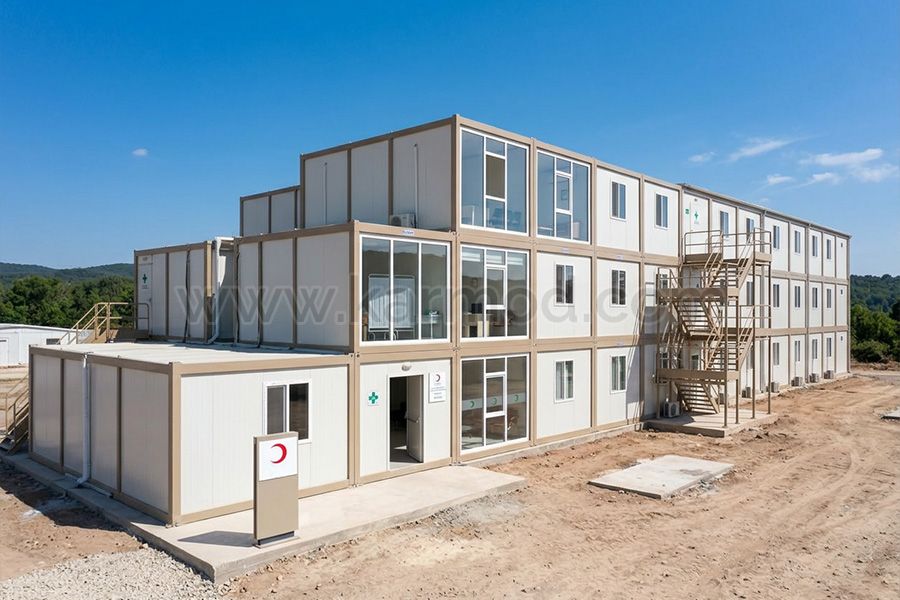
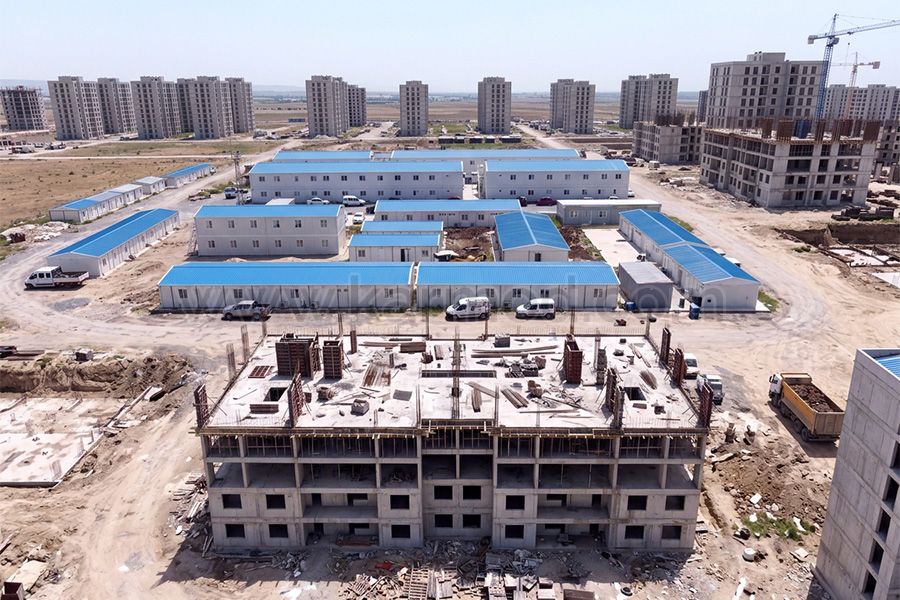
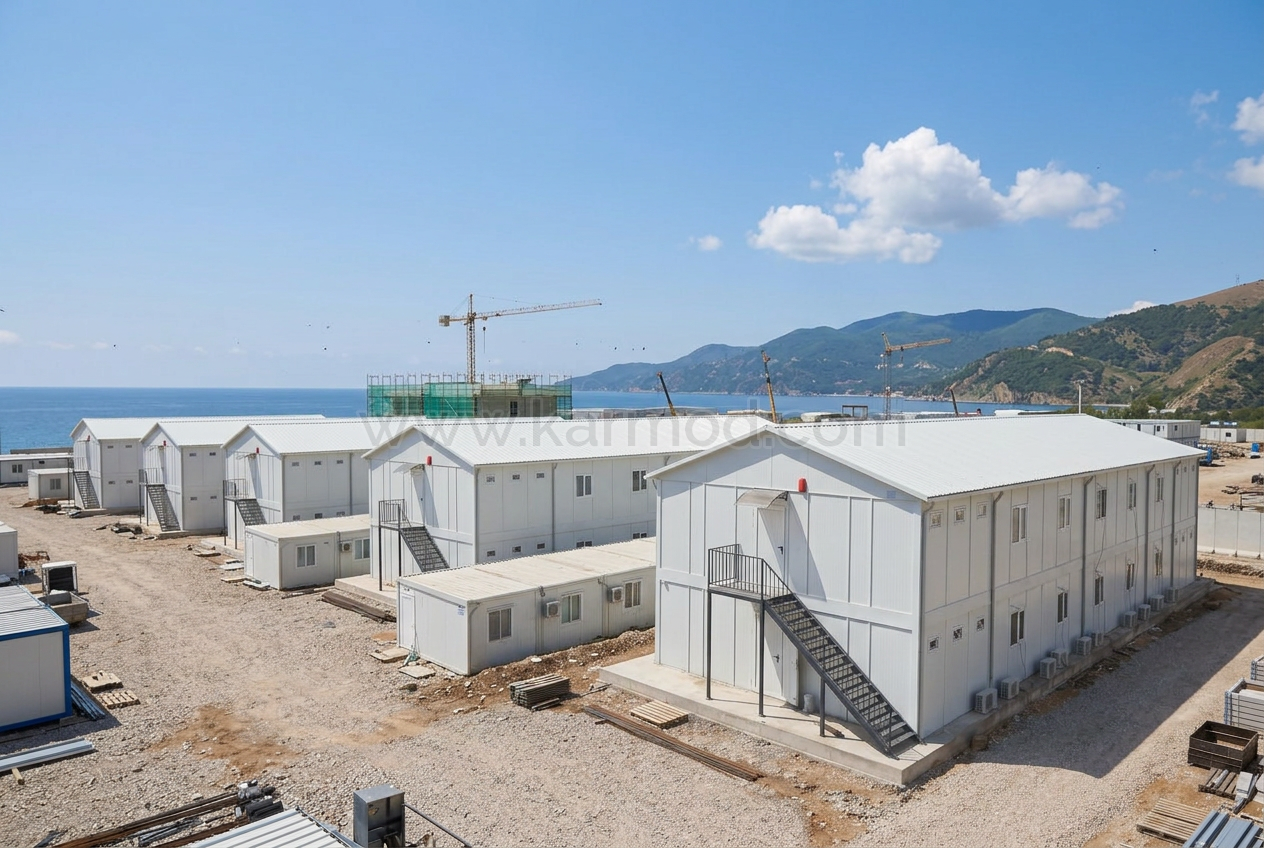
Modular affordable housing refers to residential units and apartment complexes built off-site in controlled environments, then transported and assembled on location. Unlike traditional construction, modular methods shorten delivery times, reduce costs, and improve quality control.


Modular affordable housing and apartments will continue to gain traction as cities seek scalable and sustainable solutions to the global housing crisis. The integration of smart technologies, low-carbon construction materials, and digital manufacturing systems will further enhance efficiency and affordability. In the coming decade, modular apartments may become a mainstream component of urban planning and housing policy.
Modular affordable housing and apartments represent a transformative shift in how communities are built. By combining cost-efficiency, sustainability, and rapid deployment, modular construction offers a path toward solving housing shortages while promoting inclusive and resilient urban environments. As demand rises, these solutions will play an essential role in shaping the future of cities worldwide.
In order to serve you better, if you could kindly send an e-mail to info@karmod.com for questions and details about your theoretical and special architectural plans, projects, and product specifications, your request will be responded to as soon as possible.

From one end of the world to the other, we enable our customers to reach the ready-made construction sector produced with the new technology of the world. We guarantee reliability through technology and innovation, flexible commercial models and smart supply chain solutions that add value for you, following the project production network.
Discover
Karmod is one of the largest prefabricated construction companies in Turkey, with a production of 45,000 m2. produces high quality prefabs and prefab containers