EN
EN 


The rising cost of student housing has pushed many young people to look for affordable alternatives without giving up comfort or functionality. Container living has become one of the most innovative solutions, offering budget-friendly homes that combine practicality with modern design. Students today are more open to flexible and creative lifestyles, and container spaces provide exactly that—an affordable option that doesn’t compromise on quality of life.
What makes container living even more appealing is the balance it creates between independence and cost efficiency. Unlike cramped dorms or overpriced apartments, container homes are designed to maximize every inch of space while keeping expenses under control. For students who value smart budgeting, eco-conscious living, and a touch of modern style, container homes offer an exciting way to experience college life in comfort.
For students, affordability is often the top priority when it comes to housing. Container living spaces are significantly cheaper than traditional apartments or dorm rentals, making them an attractive solution for those who want to cut costs without sacrificing comfort. Because containers can be repurposed and adapted into livable units at a fraction of the price, students gain access to private and functional housing at rates that align with a limited budget. This affordability frees up financial resources for other important aspects of student life such as tuition, books, or personal growth experiences.
Beyond affordability, container living resonates with the student lifestyle because it represents innovation, independence, and sustainability. Young people often seek living spaces that reflect their values—compact yet stylish, eco-friendly yet practical. Container homes are versatile enough to offer cozy study areas, small kitchens, and private sleeping quarters while still remaining accessible in cost. For students eager to live independently and responsibly, container housing delivers a lifestyle that blends economic sense with modern appeal.
One of the strongest reasons students turn to container housing is the noticeable difference in monthly expenses compared to conventional rentals. While typical student apartments or dormitories often come with high rent, utility bills, and maintenance costs, container living offers a leaner structure where students only pay for what they truly need. This financial relief is especially valuable in university cities where demand for housing drives prices upward.
Container homes are not only cheaper to rent or purchase but also less costly to maintain in the long run. Many container units are designed with energy-efficient features such as improved insulation and compact layouts that naturally reduce heating, cooling, and electricity bills. By combining affordability with long-term savings, container housing becomes a reliable solution for students determined to keep their living expenses under control.


Living in a container home may seem limiting at first glance, but clever interior design turns compact areas into highly functional and stylish student spaces. By using multifunctional furniture—like foldable desks, sofa beds, or wall-mounted shelves—every square meter is optimized to create both comfort and practicality. Designers often incorporate bright colors, mirrors, and natural light to make smaller spaces feel larger, ensuring that students never feel confined.
Another advantage is the ability to personalize these interiors. Students can transform their units into cozy sanctuaries with creative touches such as modular storage, sliding doors, or space-saving kitchenettes. These customizations not only enhance comfort but also allow students to express individuality in their living environment, something often missing in traditional dormitories.
One of the hidden strengths of container housing lies in its ability to reduce energy consumption while keeping upkeep simple. Modern student container units are often equipped with insulation systems that minimize heat loss in winter and maintain cool air during summer. This design reduces reliance on air conditioning and heating, leading to consistently lower energy bills. For students who are conscious of both their budgets and the environment, this becomes a double advantage—saving money while living sustainably.
Maintenance is another area where container homes excel. Built with durable steel structures and designed for resilience, these homes require far fewer repairs compared to traditional student apartments. Instead of dealing with constant plumbing issues, worn-out flooring, or outdated facilities, students enjoy a low-maintenance lifestyle that lets them focus on studies rather than housing problems.
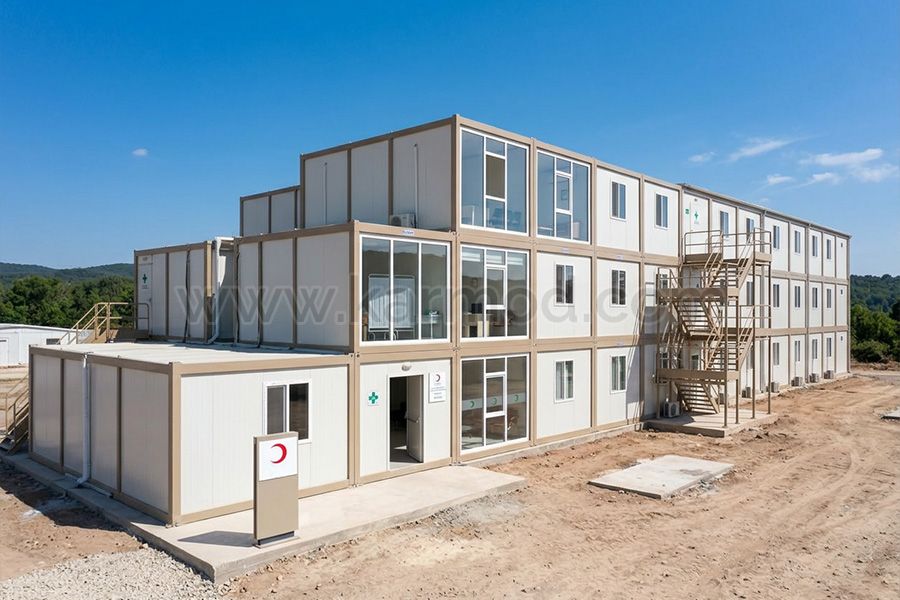
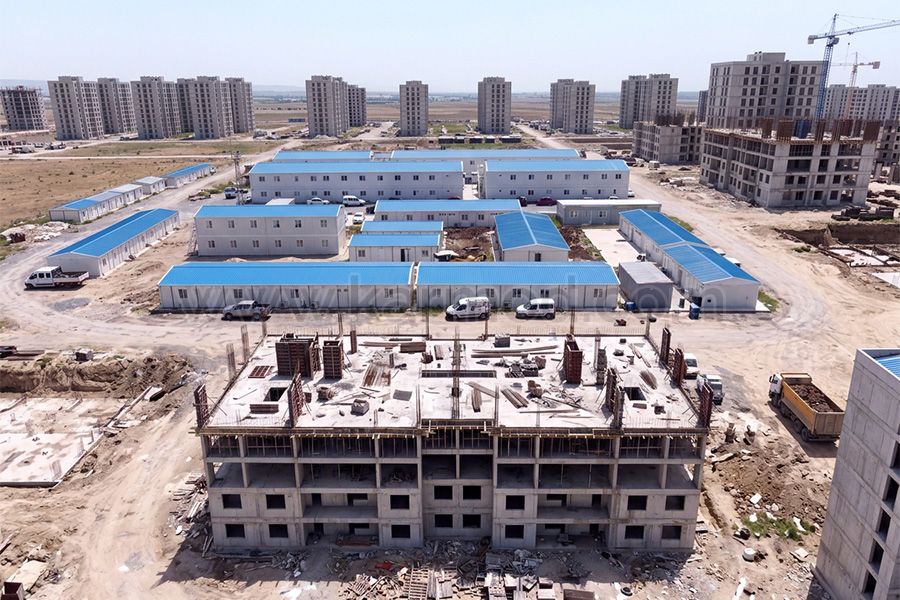
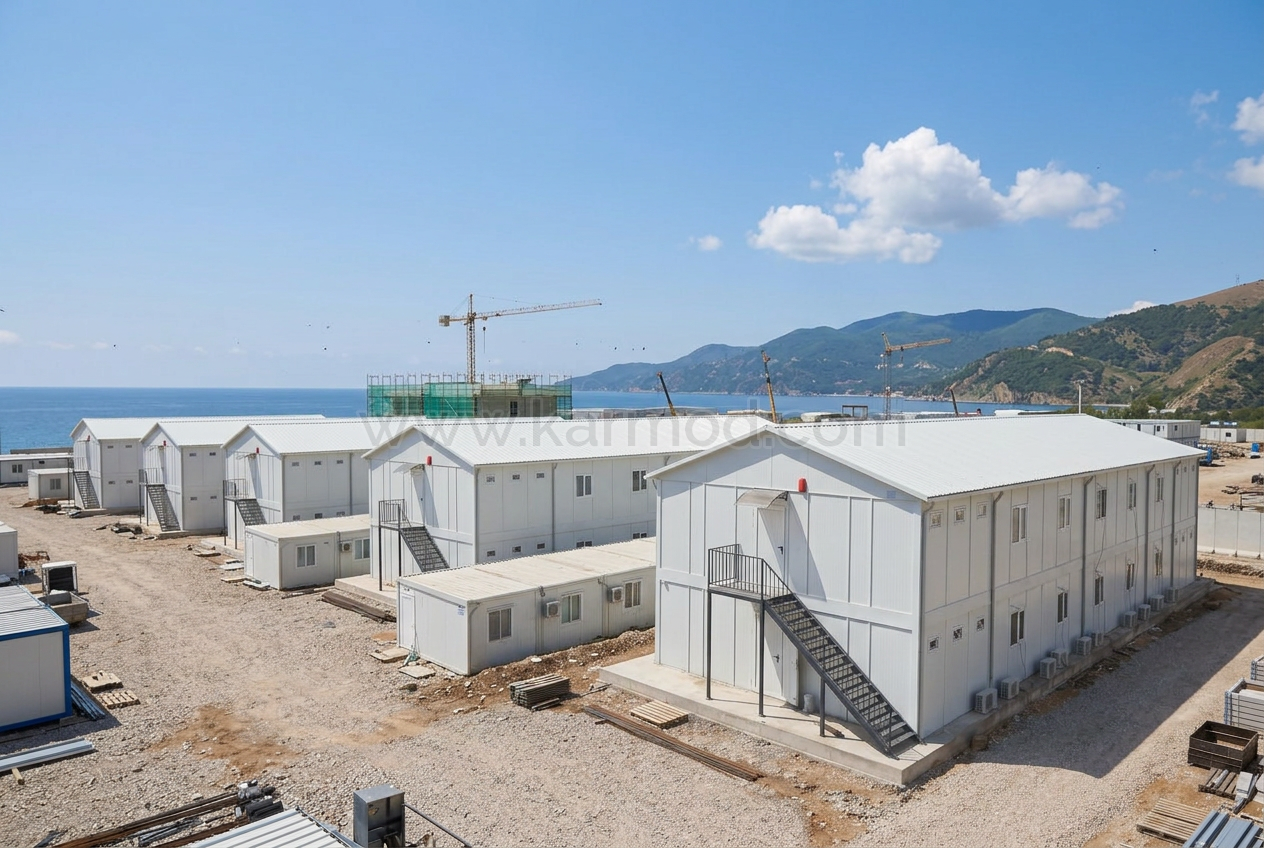
For many students, the social aspect of housing is just as important as affordability. Container housing projects often emphasize community living by grouping several units together into vibrant student villages. These developments create opportunities for collaboration, shared experiences, and a supportive environment where students can connect with peers from diverse backgrounds. Unlike traditional apartments, container communities are designed to foster interaction while still preserving individual privacy.
Shared facilities are another appealing feature. Many container housing complexes include communal study areas, outdoor lounges, fitness spaces, and even shared kitchens. This balance between private living and community amenities makes container housing more than just a budget solution—it becomes a lifestyle that supports academic success and personal well-being.
Container living stands out for its flexibility, making it especially attractive to students whose housing needs can change frequently. Unlike traditional apartments with rigid contracts or dormitories with limited options, container units can be used for short-term stays during academic years or extended into longer-term living solutions after graduation. This adaptability allows students to plan their housing according to their studies, internships, or future career paths.
Another important benefit is the modular nature of container homes. Units can be relocated, expanded, or even redesigned based on changing requirements. This means a student can start with a compact, affordable setup and later upgrade the space or even move the unit to a new location. Such flexibility ensures container housing grows with the individual rather than becoming an obstacle.
For students, feeling safe in their living environment is just as crucial as affordability and comfort. Container homes are built with strong steel structures that provide natural durability and resistance against external impacts. Unlike poorly maintained student apartments, these units are designed with modern safety standards in mind, offering peace of mind to both students and their families.
Many container housing projects also include added layers of security such as gated access, surveillance systems, and well-lit communal areas. These measures create a secure atmosphere where students can focus on their studies without worrying about safety concerns. By combining sturdy construction with thoughtful security planning, container living provides a reliable housing option for young people starting out on their academic journey.
One of the biggest advantages of container living for students is the ability to tailor the space to academic needs. Unlike generic dorm rooms, container units can be designed with dedicated study corners that encourage focus and productivity. Compact desks, ergonomic chairs, and clever use of vertical space ensure students have a quiet, organized environment for reading, writing, and attending online classes.
Beyond study areas, container housing often incorporates student-friendly features that make everyday life easier. Small but efficient kitchenettes, built-in storage, and cozy lounge areas create a balanced lifestyle between study and relaxation. These thoughtful touches make container homes more than just affordable shelters—they become supportive environments where students can thrive academically and personally.
A key advantage of container living is the mobility it offers, which perfectly suits the dynamic lifestyle of students. Unlike traditional rentals tied to a fixed address, container homes can be placed near university campuses, research centers, or even in quieter suburban areas for those who prefer peace. This flexibility gives students the chance to live closer to their academic or social life without being limited by high city rental prices.
Mobility also opens the door to exciting opportunities after graduation. Students can choose to relocate their units for internships, new job opportunities, or further studies abroad. Instead of starting from scratch in a new city, they can simply move with their container home, saving both time and money. This adaptability makes container housing not just a temporary solution, but a long-term lifestyle investment.
Sustainability is becoming a priority for many young people, and container housing aligns perfectly with this mindset. By repurposing shipping containers into living spaces, the construction process reduces waste and promotes recycling on a large scale. For environmentally conscious students, this represents not just a budget-friendly choice but also a lifestyle decision that supports global efforts toward greener living.
In addition to reusing materials, container homes can be equipped with eco-friendly features that further minimize environmental impact. Solar panels, rainwater collection systems, and energy-efficient appliances are often integrated into these units, allowing students to live more sustainably while saving on monthly expenses. This combination of affordability and eco-conscious design makes container housing a smart option for a generation eager to make responsible choices.
Across the globe, universities and private developers are experimenting with container villages to meet the growing demand for affordable student housing. In Europe, several universities have embraced container projects that provide hundreds of students with modern, compact units located just minutes away from campus. These villages often become vibrant hubs where young people share not only living space but also cultural and academic experiences.
In other regions, container communities have been designed to promote collaboration and innovation. Shared study halls, green outdoor areas, and creative lounges are integrated into these projects, transforming them into more than simple housing complexes. They serve as proof that affordable living can still offer quality, style, and community spirit, inspiring students worldwide to consider container living as a serious alternative.
Finding the right container living space as a student doesn’t have to be complicated. The first step is to research available options near your university or preferred location. Many developers now specialize in student-friendly container housing, offering both short-term and long-term contracts to fit academic schedules. It’s important to compare not only prices but also included amenities such as internet access, furnishing, and proximity to campus facilities.
Once you’ve identified potential options, the next step is to schedule a viewing or request a concept plan. This allows you to see how the space is designed and whether it meets your lifestyle needs. After making your choice, securing the unit usually involves signing a simple rental or purchase agreement with transparent terms. By following these steps, students can move into an affordable container home that combines comfort, practicality, and style.
Choosing a container home is more than just a budget decision—it’s an investment in comfort, independence, and a smarter student life. With modern designs, affordable costs, and the flexibility to adapt to changing needs, container living creates the perfect balance between financial responsibility and everyday convenience. Instead of settling for cramped dorms or overpriced rentals, students can enjoy private, efficient spaces designed to support both academic focus and personal growth.
Now is the time to take action. If you’re searching for a practical and affordable housing solution that reflects your lifestyle, container living is the answer. Explore available options today and discover how easily you can transform your student years into a comfortable and inspiring experience.
Ready to take the next step?
In order to serve you better, if you could kindly send an e-mail to info@karmod.com for questions and details about your theoretical and special architectural plans, projects, and product specifications, your request will be responded to as soon as possible.

From one end of the world to the other, we enable our customers to reach the ready-made construction sector produced with the new technology of the world. We guarantee reliability through technology and innovation, flexible commercial models and smart supply chain solutions that add value for you, following the project production network.
Discover
Karmod is one of the largest prefabricated construction companies in Turkey, with a production of 45,000 m2. produces high quality prefabs and prefab containers