EN
EN 


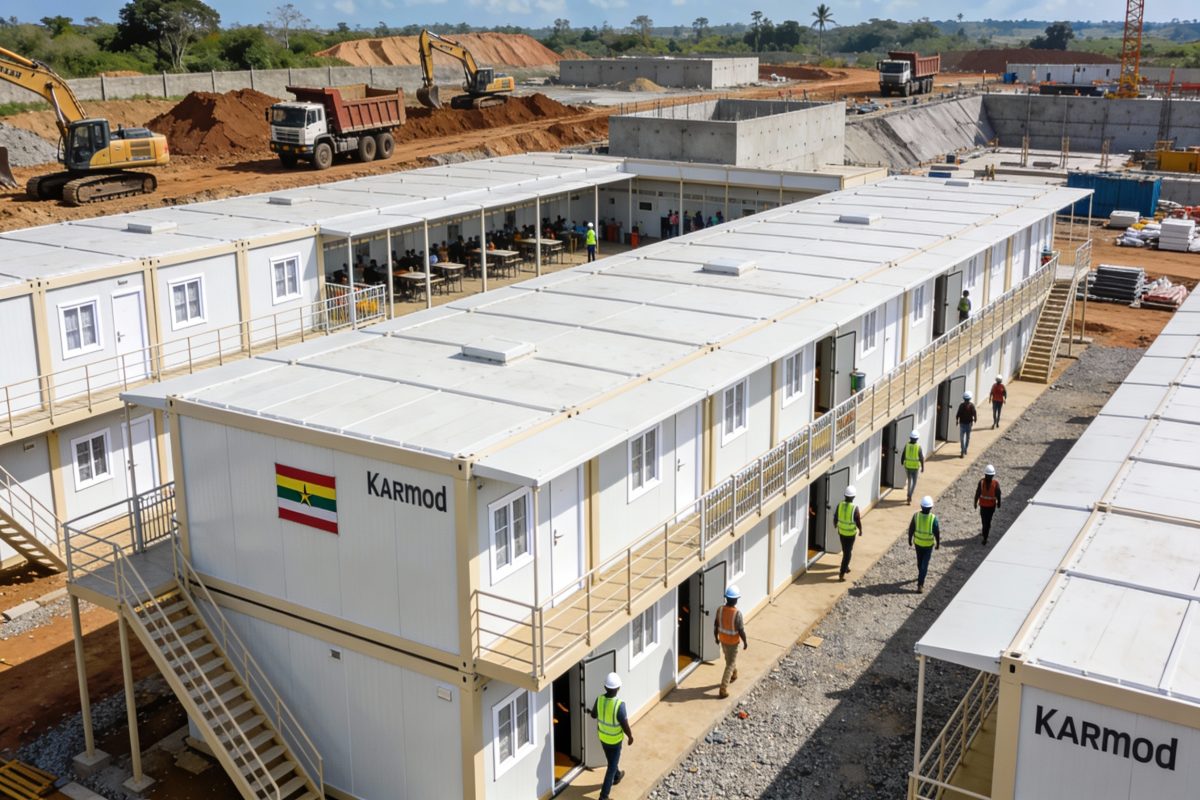
Liberia’s coastal geography, river networks, and dense tropical landscapes shape how projects are planned and delivered across the country. High humidity, heavy seasonal rainfall, and salt-laden air near the Atlantic create demanding conditions for building materials and site logistics. At the same time, growth in trade, port activity, agriculture, and resource-linked operations increases the need for facilities that can be deployed quickly and expanded in phases. In this environment, Liberia container buildings are gaining attention as a practical route to faster delivery and predictable build quality.
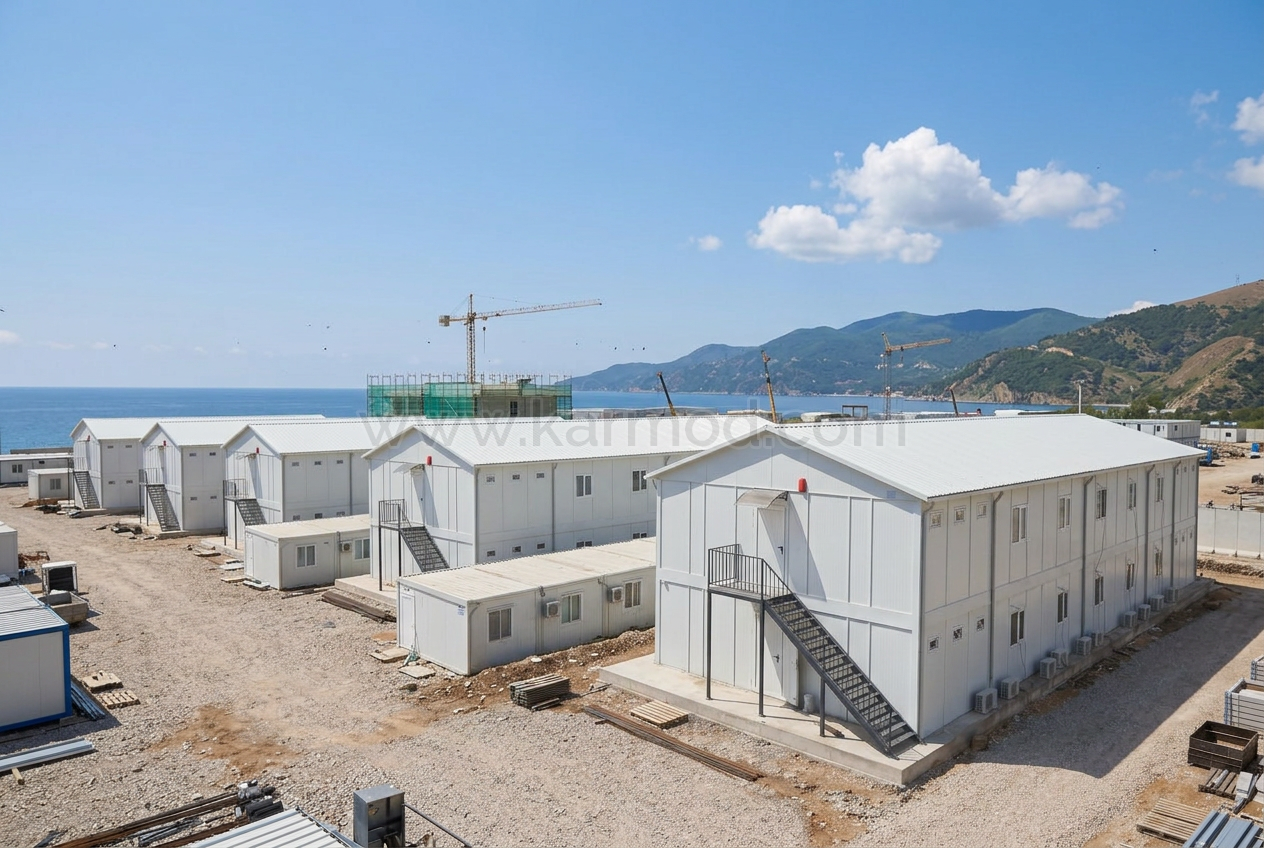
For organizations that need housing, offices, storage, and commercial units with controlled timelines, construction containers support modular construction strategies that reduce on-site complexity. Liberia container homes can serve workforce accommodation and community layouts, while prefabricated container systems enable standardized deployment across different regions. When designed for tropical exposure, climate-resistant container buildings can deliver reliable performance without depending on extended dry-weather construction windows.


Liberia container homes are increasingly evaluated for their modularity and the ability to standardize quality while still allowing customization. A key advantage is that core engineering—structural reinforcement, insulation strategy, openings, and service routing—can be defined upfront and repeated across multiple units. This is valuable for projects requiring consistent accommodation standards, whether for staff housing, remote operations, or phased residential development.
Sustainability benefits are strongest when the design is performance-led rather than purely conceptual. Factory-controlled manufacturing can reduce material waste and rework, while enabling more consistent detailing at joints, penetrations, and wet areas. Modular container buildings also make it easier to integrate efficiency measures such as optimized insulation, better glazing selections, and planned ventilation, supporting lower operational energy use over time.
Affordability is typically realized through schedule certainty, reduced site labor exposure, and repeatable design—not by lowering specifications. Liberia container homes can be delivered as single units, multi-unit compounds, or community layouts with shared service corridors and utility planning. Their flexibility also supports relocation: units can be moved if a site’s operational footprint changes, protecting investment across project phases.
Climate suitability is a critical requirement in Liberia’s humid, high-rainfall conditions. A reliable solution addresses corrosion protection, moisture management, and ventilation planning to reduce condensation risk. In coastal areas, finishes and detailing should account for salt exposure; in inland zones, roof design and rainwater handling become major performance factors. Climate-resistant container buildings succeed when these risks are engineered into the envelope from the beginning.


Secure storage is a recurring challenge in Liberia, especially where weather, site access, and temporary operations make permanent facilities slower to deliver. Liberia container storage solutions provide lockable, durable capacity that can be positioned close to the point of use and relocated as site layouts change. For logistics, agriculture, construction, and resource-linked operations, this creates a predictable way to manage inventory and equipment without long construction lead times.
Common storage requirements include:
Durability and security should be specified for tropical conditions: corrosion-resistant finishes, ventilation to limit condensation, and robust door and locking systems aligned with site protocols. The relocation advantage is equally important—container storage can be redeployed with standard handling equipment, reducing stranded infrastructure as projects evolve.
For buyers evaluating Liberia container buildings, supplier capability is measured in production control, material quality, and climate-ready detailing. Karmod is recognized for delivering prefabricated container systems with consistent manufacturing standards, supporting repeatable performance across multiple units and project sites. This reliability is particularly important where logistics and weather can make on-site modifications costly and unpredictable.
In Liberia’s humid, coastal-influenced environment, long-term performance depends on corrosion management, envelope integrity, and detailing that protects interfaces during transport and installation. Karmod’s approach emphasizes climate-resistant container buildings principles—aligning coatings, insulation strategy, ventilation planning, and internal fit-out with the intended use, whether accommodation, storage, or commercial deployment.
Customization is most valuable when it is functional: interior zoning, security upgrades, openings, and MEP provisions can be designed from the start to reduce on-site changes. This supports faster commissioning and clearer lifecycle planning, especially for organizations standardizing facility types across different locations.
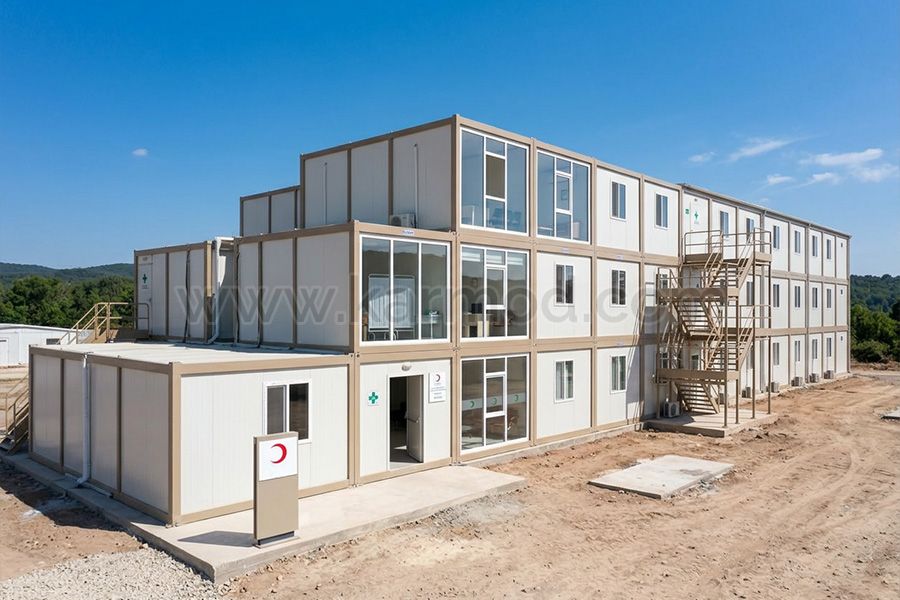
Liberia container offices support operational needs where speed and flexibility are critical—site management, administration, meeting rooms, welfare areas, and support functions can be deployed rapidly without waiting for conventional construction timelines. These units also help organizations establish consistent working environments across multiple sites, improving operational continuity.
For teams specifying a container office, modular planning enables scalability. Units can be expanded as staffing grows, layouts adjusted to match workflow changes, and modules relocated when sites shift. When combined with proper insulation and ventilation for tropical humidity, container offices can support stable indoor conditions that protect productivity and equipment.


From a cost perspective, the advantage is often realized through shorter setup time, reduced disruption, and simplified maintenance. Standardizing office modules can also support procurement efficiency and consistent quality controls across Liberia’s varied site conditions.
Liberia container buildings are increasingly used for commercial spaces that must open quickly and adapt to changing demand. Container-based commercial buildings can function as service centers, administrative hubs, training rooms, and mixed-use facilities—especially where phased development is preferred. Modular container buildings support expansion without shutting down operations, enabling businesses to scale as market conditions evolve.
Prefabricated container systems allow key elements—circulation, utility routing, and façade treatments—to be planned in advance. This improves predictability during installation and supports a consistent customer experience across different sites or branches.
Retail formats in Liberia often require agility: test a location, adjust the concept, and expand where performance is strong. Liberia container shop innovations support this strategy with units that can be deployed quickly, grouped into retail clusters, and reconfigured to suit seasonal or local demand.
Where inventory management matters, integrating Liberia container storage solutions behind or adjacent to retail units improves security and replenishment efficiency.
As urban areas expand and housing demand rises, Liberia container homes are being evaluated for apartment-style configurations built from standardized modules. This approach supports faster delivery when site planning, utilities, and approvals are aligned, while maintaining the ability to expand in phases.
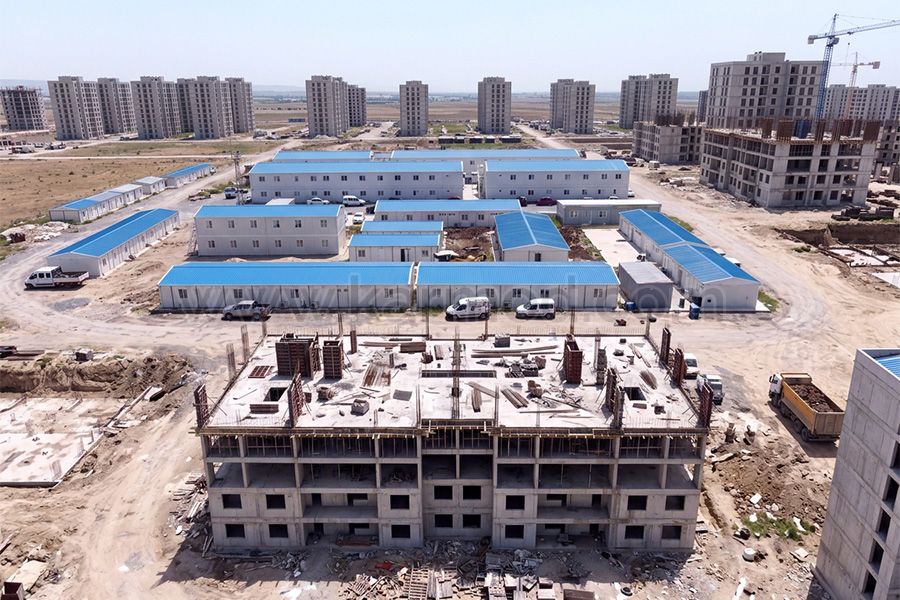
Community layouts can include shared courtyards, service corridors, and defined circulation to support livability at higher density. Modular container buildings also allow design teams to standardize unit types and assemble them in different configurations depending on plot size and neighborhood requirements.
Beyond housing and commerce, Liberia container buildings can support essential services and public infrastructure where rapid deployment and adaptability are priorities. When engineered for performance, these units provide durable spaces that can be expanded or repurposed as needs change.
For decision-makers comparing Liberia container buildings, the most important step is aligning design with operational reality: humidity exposure, rainfall intensity, transport logistics, and expected duty cycle. When these inputs are built into prefabricated container systems from the start, projects gain faster delivery, clearer cost control, and facilities that remain dependable in Liberia’s tropical conditions.
In order to serve you better, if you could kindly send an e-mail to info@karmod.com for questions and details about your theoretical and special architectural plans, projects, and product specifications, your request will be responded to as soon as possible.

From one end of the world to the other, we enable our customers to reach the ready-made construction sector produced with the new technology of the world. We guarantee reliability through technology and innovation, flexible commercial models and smart supply chain solutions that add value for you, following the project production network.
Discover
Karmod is one of the largest prefabricated construction companies in Turkey, with a production of 45,000 m2. produces high quality prefabs and prefab containers