EN
EN 


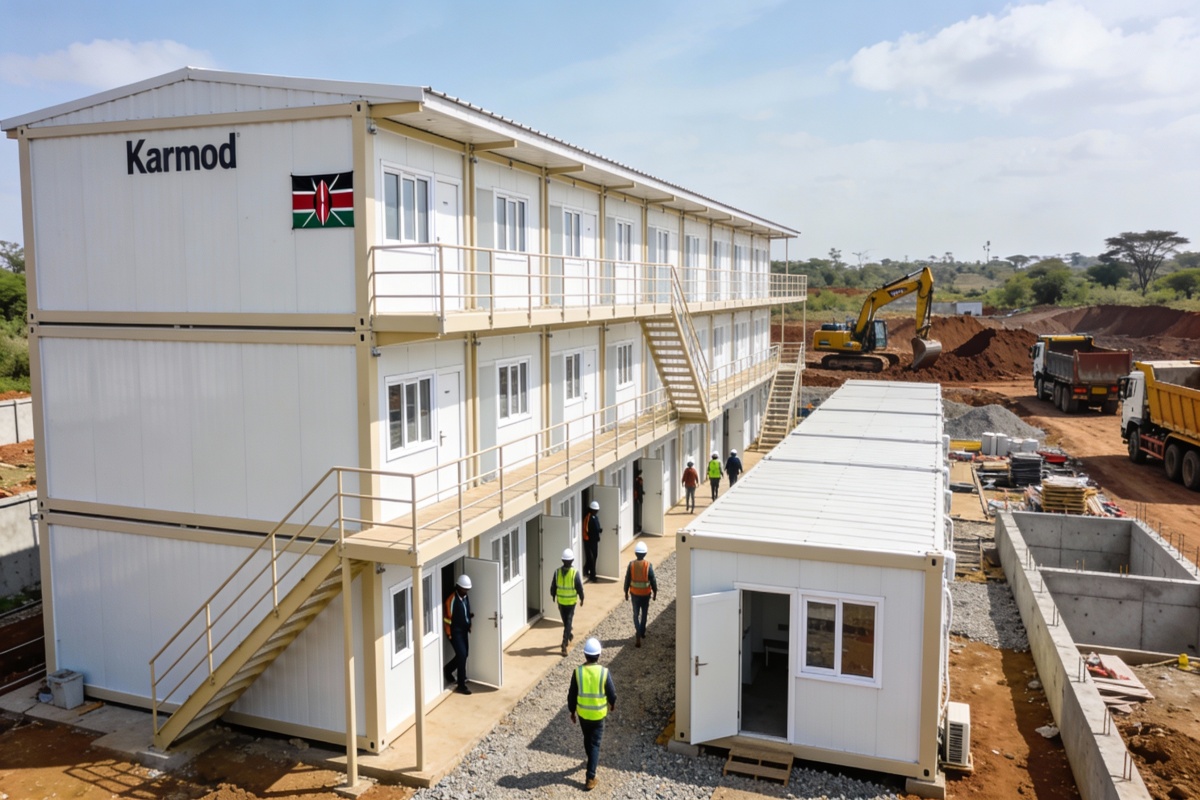
Situated on the equator in East Africa, Kenya spans the humid Indian Ocean coastline, fertile highlands around Nairobi and the Rift Valley, and semi-arid to arid regions in the north and northeast. This mix of climates—coastal humidity and salt air, highland temperature swings, intense sun, and seasonal rains—creates very different performance requirements for buildings depending on location.
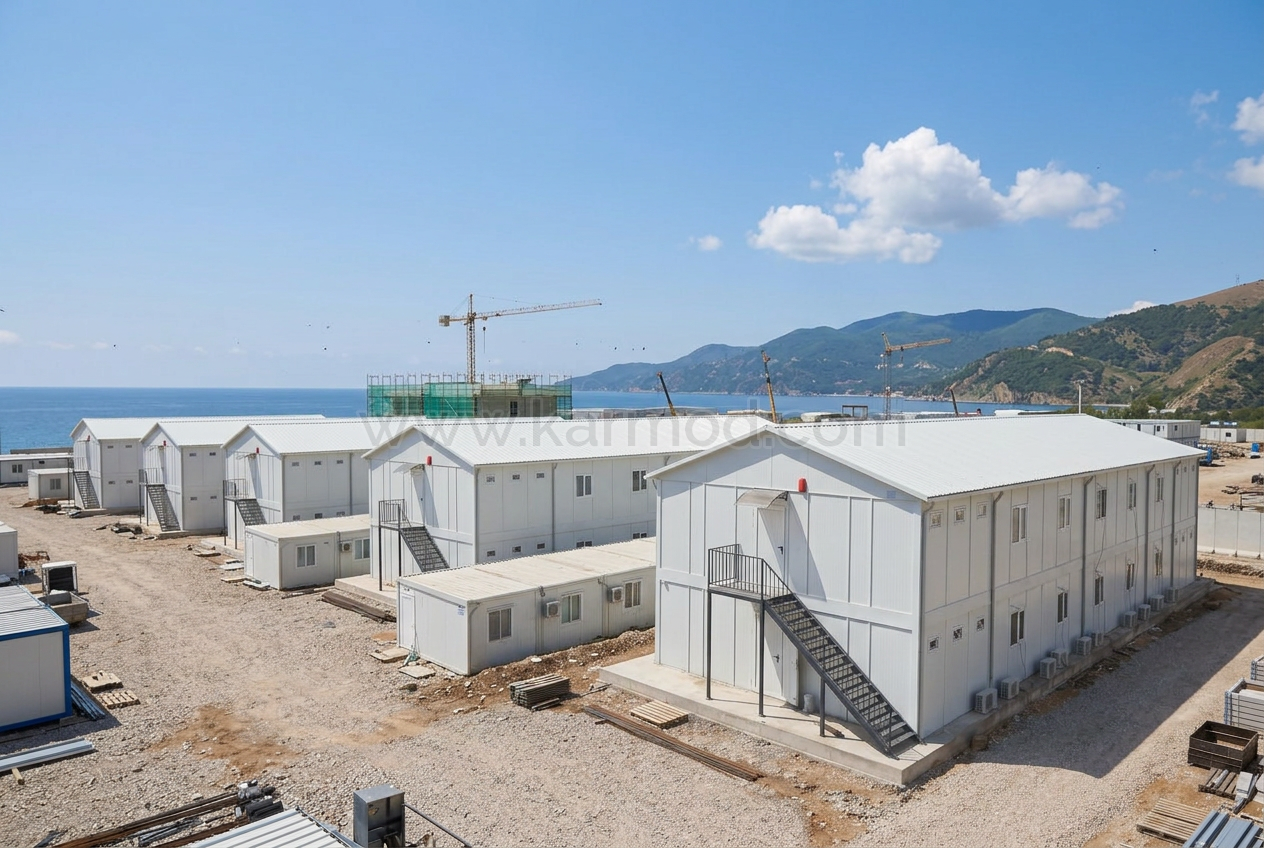
As Kenya’s economy continues to expand through logistics, agriculture, construction, and manufacturing, demand is rising for fast, reliable space that can be delivered with predictable quality. That is why container buildings are gaining ground across the country. Kenya container buildings support commercial intent use cases such as site facilities, storage, and scalable workspaces, while Kenya container homes offer a practical route to modern housing. With container solutions and modular construction, projects can be deployed quickly and expanded in phases without committing to long, weather-sensitive build cycles.


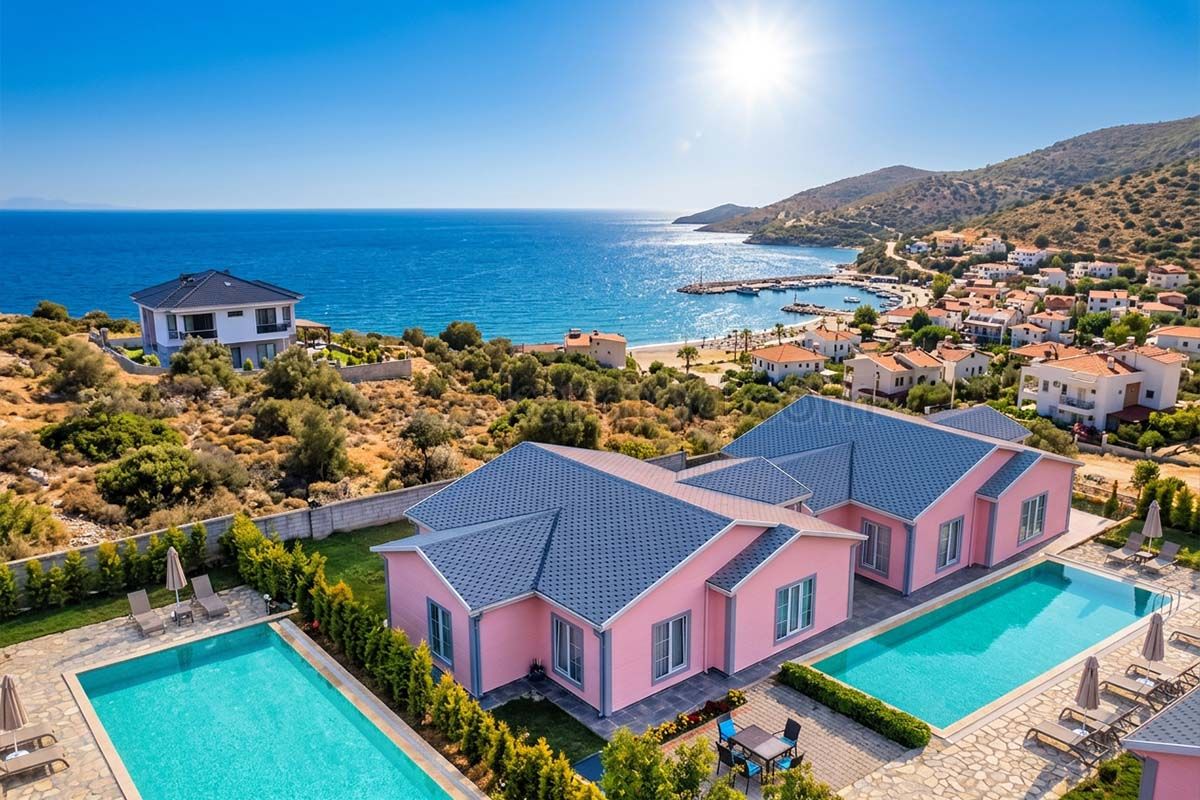
Kenya container homes are being chosen for their ability to create functional living space on compact plots, expand over time, and maintain consistent build quality through factory production. Modular container buildings can be configured as single-unit homes, multi-module family residences, or hybrid live-work layouts—especially useful in fast-growing urban and peri-urban areas where requirements can change quickly.
Sustainability in Kenya often means building with less waste and improving day-to-day efficiency in hot, sunny, or humid conditions. Prefabricated container systems help reduce on-site material losses and allow tighter control over insulation, openings, and moisture detailing. In coastal regions, corrosion protection, ventilation, and vapor management are essential. In the highlands, thermal comfort benefits from well-planned insulation and airtightness, while in semi-arid areas, shading and heat management become central to indoor comfort. When engineered correctly, climate-resistant container buildings can perform reliably across Kenya’s diverse environments.


Kenya container storage solutions are increasingly used wherever security, durability, and fast deployment matter—especially for supply chains moving between the Port of Mombasa, inland distribution routes, agricultural regions, and active construction zones. For many operators, the priority is straightforward: protect tools, inventory, spare parts, or materials in a unit that can be delivered quickly and placed exactly where operations need it.
Well-specified storage units focus on robust steel structure, reliable door systems, secure locking options, and protective finishes that handle sun exposure, heavy rain, and coastal humidity. Depending on the use case, Kenya container storage solutions can also be configured with shelving, partitioning, lighting, ventilation, and flooring choices to suit equipment-heavy environments.
A key operational advantage is relocation. As projects move or expand, storage units can be repositioned without rebuilding permanent structures, keeping capacity aligned with changing site needs.
For Kenya projects, selecting a manufacturer is largely about engineering reliability: materials and detailing must handle heat, heavy seasonal rainfall, coastal humidity, and frequent transport. Karmod is often evaluated on the basis of consistent manufacturing standards, dependable structural design, and the ability to customize modules to match project requirements without undermining performance.
In practice, long-term value comes from the technical package—corrosion protection for coastal environments, envelope performance for comfort and efficiency, joinery quality for repeated handling, and well-integrated openings and services. Prefabricated container systems built with these priorities help reduce site uncertainty and support repeat deployment across multiple locations or project phases.
Kenya container offices provide a practical way to establish professional work environments quickly—whether for construction programs, logistics yards, industrial operations, or expanding business districts. With container offices, teams can create site headquarters, meeting rooms, administration areas, and controlled-access workspaces using modular units that are easy to scale.
Office flexibility is driven by modular planning. Organizations can start with a compact setup and add modules as staffing grows, separate functions for privacy and workflow, or relocate units as projects change location. Compared to conventional builds, Kenya container offices can offer a meaningful cost advantage by shortening deployment timelines and reducing on-site labor intensity.


Kenya container buildings are increasingly used to deliver commercial space with speed and adaptability. Modular container buildings can function as customer-facing service points, small business complexes, showrooms, reception areas, and mixed-use facilities where rapid market entry matters. Prefabricated container systems also support staged growth, allowing businesses to expand footprint as demand increases.
Commercial performance is improved when design accounts for climate and operations: shading and ventilation strategies for comfort, durable finishes for high foot traffic, secure back-of-house areas, and clear circulation for customers and staff.
Kenya container shop innovations work well for pop-up formats, retail clusters, and branded outlets that need fast setup and flexibility. Units can be designed with prominent glazing, dedicated signage zones, and interior layouts that support product display and efficient stock handling. For operators testing new locations or responding to seasonal demand, modular container buildings reduce the commitment and timeline associated with traditional fit-outs.
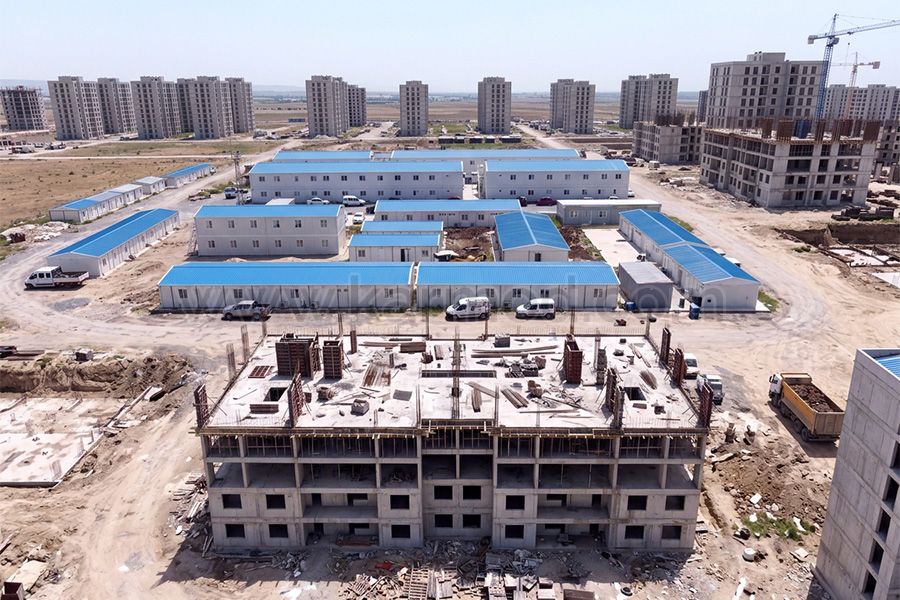
As urban growth places pressure on housing supply, Kenya container apartment concepts provide an alternative route to add units with consistent production quality. Prefabricated container systems can support repeatable apartment types—studios, one-bedroom units, and mixed layouts—while enabling phased construction that aligns with financing and infrastructure rollout.
Community planning is also possible with modular container buildings. By organizing units around shared courtyards, walkways, and common facilities, projects can create neighborhood-scale layouts that improve livability. With appropriate thermal detailing, ventilation, and moisture control, climate-resistant container buildings can provide comfort suited to both coastal and highland conditions.
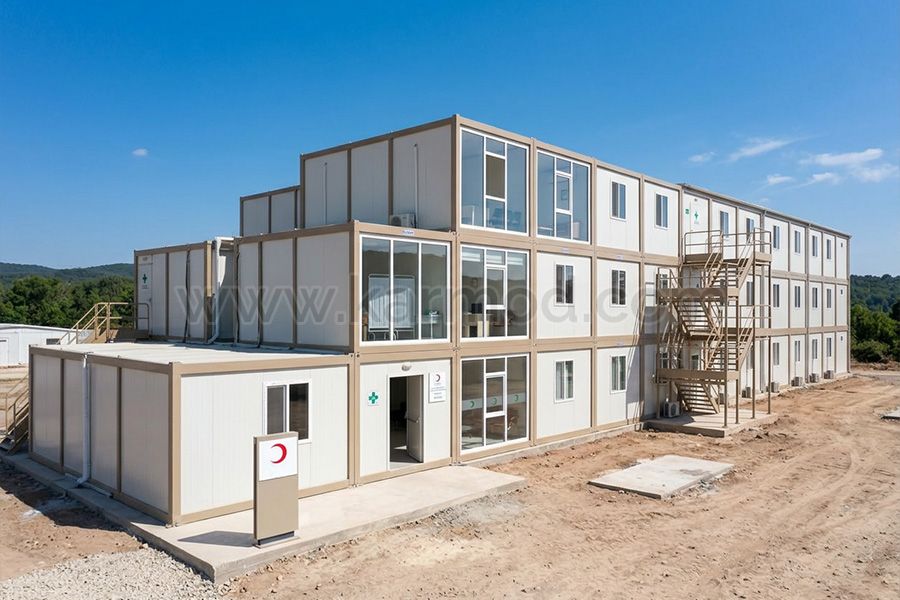
Beyond residential and commercial use, Kenya container buildings can support public and social infrastructure where speed, durability, and scalable space matter. Modular container buildings are increasingly relevant for education, healthcare access, and community services—especially when projects require quick delivery, predictable quality, and the ability to expand later.
When designed around climate, logistics, and lifecycle performance, Kenya container homes, Kenya container offices, and Kenya container storage solutions deliver practical value through modular container buildings engineered for relocation, durability, and controlled project delivery.
In order to serve you better, if you could kindly send an e-mail to info@karmod.com for questions and details about your theoretical and special architectural plans, projects, and product specifications, your request will be responded to as soon as possible.

From one end of the world to the other, we enable our customers to reach the ready-made construction sector produced with the new technology of the world. We guarantee reliability through technology and innovation, flexible commercial models and smart supply chain solutions that add value for you, following the project production network.
Discover
Karmod is one of the largest prefabricated construction companies in Turkey, with a production of 45,000 m2. produces high quality prefabs and prefab containers