EN
EN 


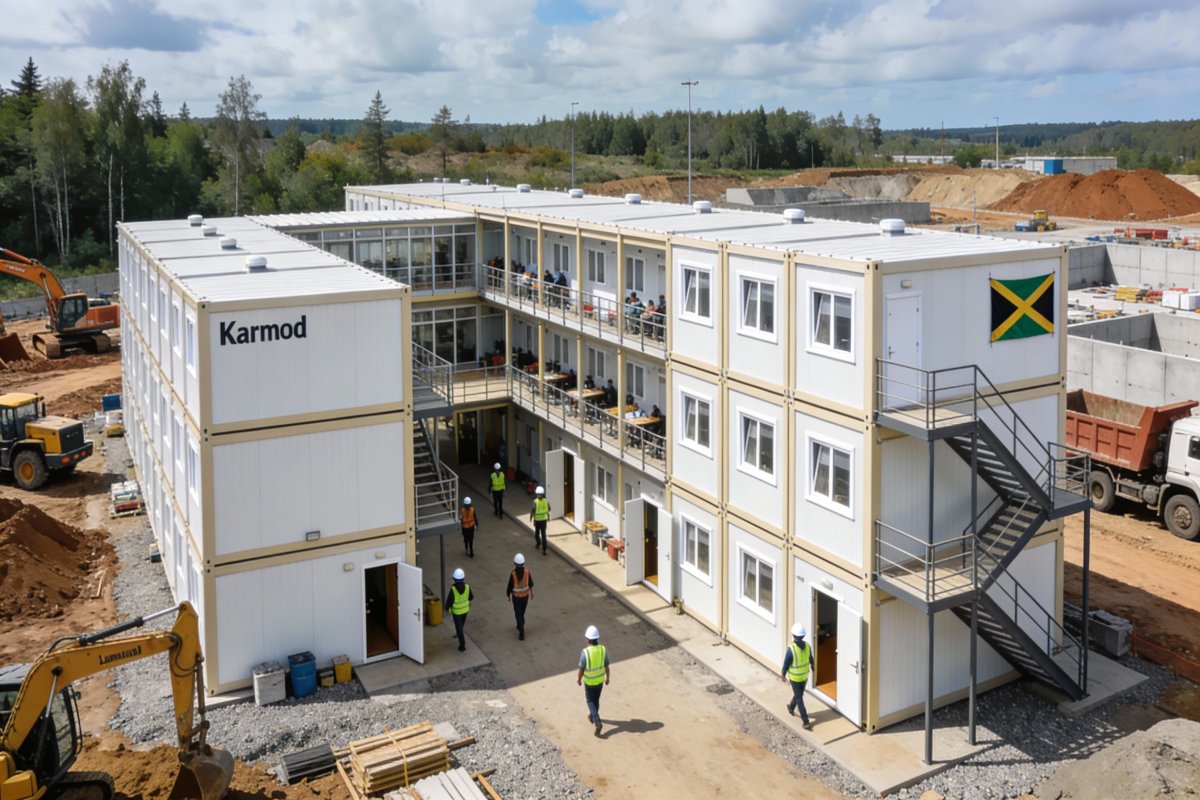
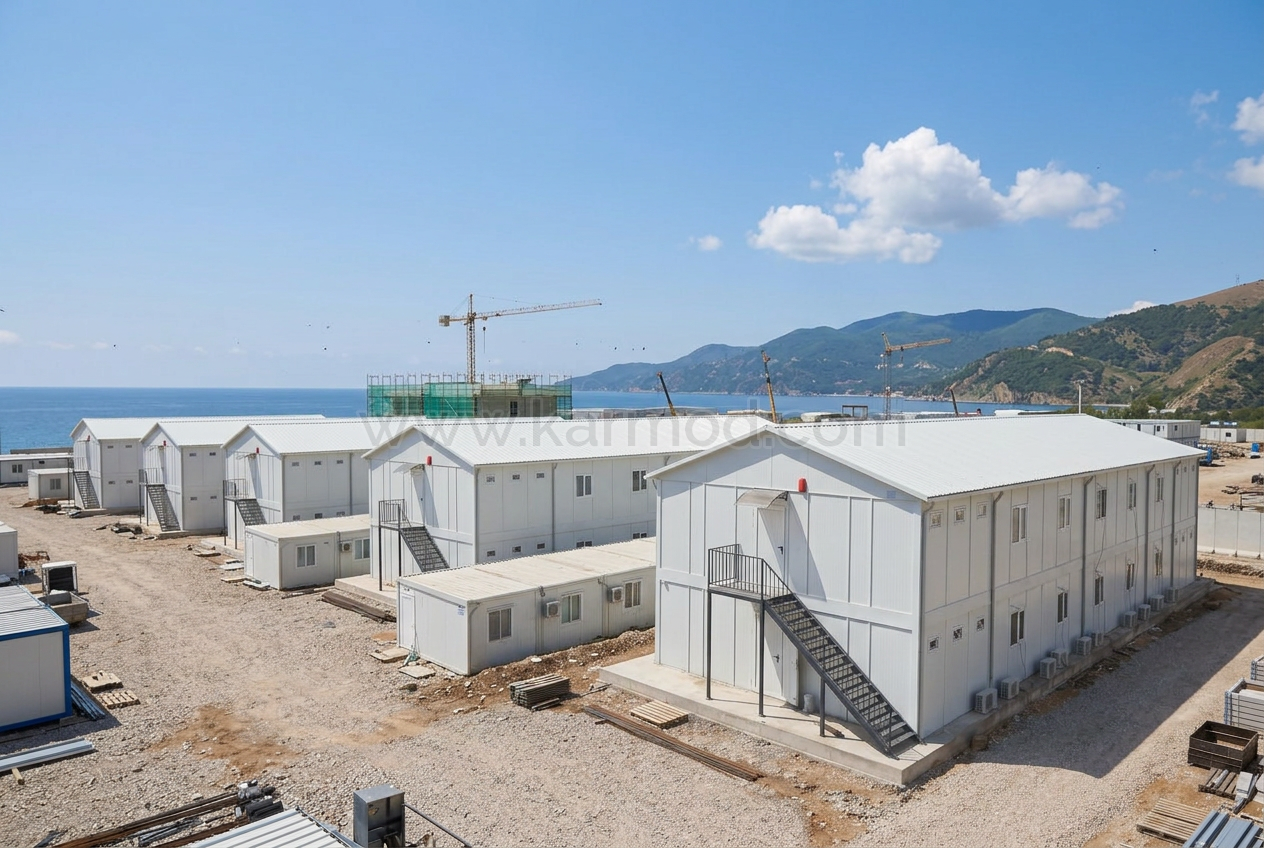
Jamaica’s geography combines coastal plains, mountainous interior terrain, and a network of ports that connect the island to regional trade routes. The tropical climate brings high humidity, strong sun, and seasonal storms—conditions that place real demands on building envelopes, corrosion protection, and fast project delivery. As tourism, logistics, construction, and light industry continue to evolve, organizations are increasingly evaluating faster ways to deploy reliable facilities without long on-site build cycles.
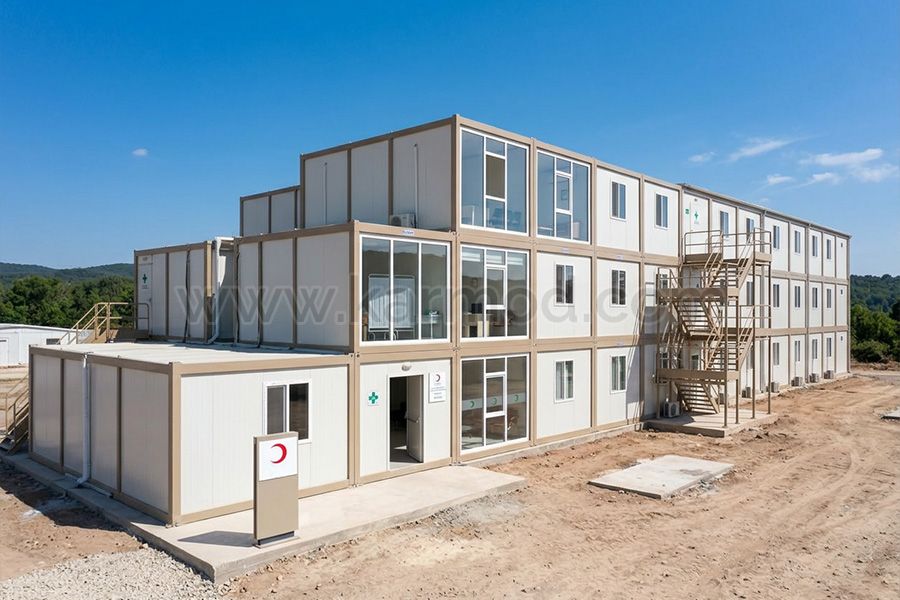
In this context, Jamaica container buildings are being specified for accommodation, offices, storage, and commercial use where speed, consistency, and controlled scope matter. Well-engineered solutions support Jamaica container homes for workforce housing, Jamaica container offices for operational hubs, and modular construction approaches that allow phased expansion. For project teams exploring construction containers and prefabricated delivery, container buildings offer a practical route to faster commissioning—especially when site conditions and weather windows are unpredictable.


Jamaica container homes are increasingly used beyond private residential concepts, including staff accommodation for tourism developments, temporary-to-permanent housing for project teams, and compact living units where land efficiency is important. The strength of this approach lies in repeatable engineering: structural framing, insulation strategy, openings, and interior planning can be standardized while still allowing layout customization. This makes modular container buildings a useful option for buyers who need multiple units delivered with consistent quality.
Sustainability benefits are strongest when design is performance-led. Factory-controlled production can reduce on-site waste, limit rework, and support predictable detailing at joints and penetrations. Prefabricated container systems also simplify material planning and allow teams to predefine energy-saving measures—such as high-performance insulation, efficient glazing, and ventilation choices—before installation. Instead of relying on last-minute site fixes, climate-resistant container buildings focus on envelope integrity from the beginning.
Affordability is typically achieved through schedule certainty and reduced site labor exposure, not by reducing specifications. Jamaica container homes can be delivered as single modules, paired units, or multi-unit compounds with shared circulation and service zones. Their flexibility supports modularity: add units as headcount grows, reconfigure internal partitions when functions change, or relocate units if the site plan evolves.
Climate suitability is essential for Jamaica’s coastal humidity and storm periods. A robust solution considers corrosion-resistant coatings, controlled ventilation to manage moisture, and insulation that maintains comfort under intense solar load. Where buildings may face wind-driven rain, detailing around openings, roof edges, and module connections becomes critical. When these factors are engineered properly, container homes can stay reliable across the island’s varied microclimates.


Across Jamaica, storage needs can change quickly—especially for construction sites, port-adjacent logistics, agriculture, and maintenance operations. Jamaica container storage solutions provide secure capacity that can be deployed fast, positioned close to the point of use, and relocated as sites change. For operators who need predictable security and durability, these units reduce reliance on temporary sheds that may not perform well in tropical conditions.
Typical use cases include:
Durability should be specified for real conditions: robust doors and locks, ventilation to reduce condensation, and corrosion protection suitable for coastal exposure. A key advantage is relocation—container storage can move with standard handling equipment, helping teams avoid stranded infrastructure and supporting phased development.
Selecting a supplier for Jamaica container buildings is primarily an engineering decision: material quality, repeatable production standards, and climate-oriented detailing affect long-term performance far more than surface appearance. Karmod is known for delivering container-based solutions with reliable manufacturing control, enabling clients to specify consistent performance across multiple units and projects.
For Jamaica, climate-resistant container buildings depend on corrosion-aware materials, careful treatment of steel surfaces, and envelope choices that support thermal comfort and moisture management. Karmod’s approach prioritizes practical reliability—consistent assembly quality, transport-ready detailing, and fit-out options that can be aligned with intended use, whether accommodation, storage, or operational facilities.
Customization is most valuable when it supports function: interior zoning, electrical and mechanical provisions, window and door placement, and security upgrades can be defined at the design stage. This reduces on-site modifications, speeds commissioning, and helps owners maintain consistent standards across different locations.
As organizations seek faster ways to establish operational hubs, Jamaica container offices provide practical workspaces that can be installed and commissioned in a short timeframe. These units can be planned for site management, administration, meeting areas, welfare zones, and client-facing reception—supporting day-to-day operations without waiting for conventional construction schedules.
For teams evaluating a container office approach, the advantage is scalable planning. Jamaica container offices can expand by adding modules, separating quiet and active work zones, and standardizing layouts across multiple sites. This modular strategy is particularly useful for projects that ramp up in phases or require temporary relocation during site changes.


Cost efficiency is best measured through total operational impact: shorter installation reduces downtime, and standardized modules simplify maintenance and procurement over time. When paired with appropriate insulation, ventilation, and moisture control, container offices can support stable working conditions under Jamaica’s tropical heat and humidity.
Jamaica container buildings are increasingly used to create commercial footprints that can open quickly and adapt over time. For business operators, container-based commercial buildings can serve as service centers, administrative hubs, training rooms, ticketing points, and mixed-use facilities—especially where speed to operation matters. Modular expansion supports phased development: establish core functions first, then add capacity as demand becomes clearer.
Commercial performance depends on planning details such as circulation, utility routing, and façade treatment that supports brand and user experience. With prefabricated container systems, these elements can be predesigned and repeated across locations, helping organizations keep standards consistent while scaling.
Retail concepts benefit from flexibility: pilot locations, refine layouts, and scale where footfall supports growth. Jamaica container shop innovations support this model with units that can be installed quickly, arranged into retail clusters, or adapted for seasonal demand. This approach reduces long construction cycles and allows operators to align investment with performance.
Where inventory control is critical, integrating Jamaica container storage solutions adjacent to retail spaces supports secure back-of-house operations and efficient replenishment.
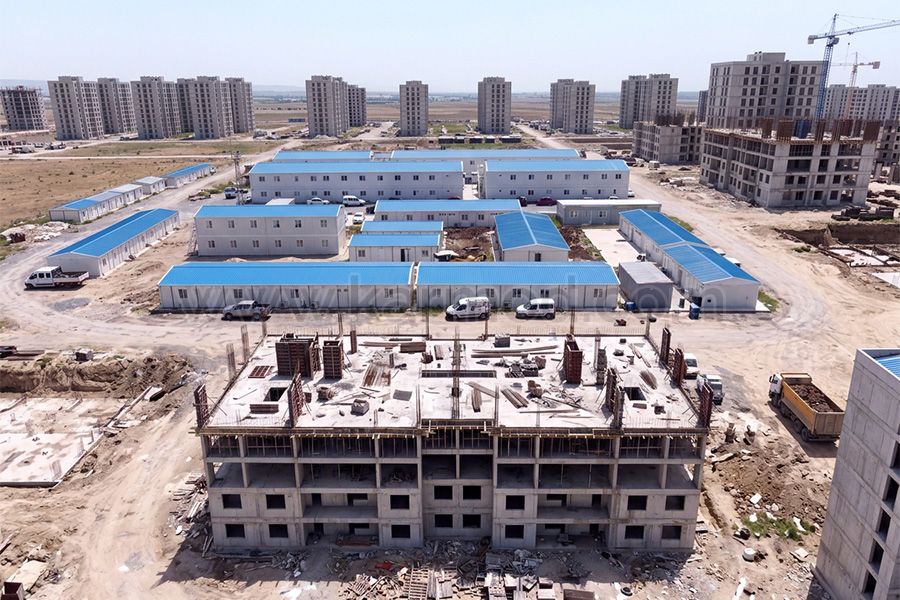
In areas where housing supply and project timelines are under pressure, Jamaica container homes can be planned as apartment-style modules assembled into multi-unit layouts. The objective is not novelty, but repeatable housing delivery that supports consistent quality and faster deployment—when approvals, utilities, and site logistics are aligned.
Community layouts can include shared courtyards, service corridors, and defined circulation to support livability at higher density. Modular container buildings also allow designers to standardize high-performing unit types and then combine them into different block arrangements depending on site constraints and local planning priorities.
The use of container-based solutions in Jamaica extends beyond housing and commerce. When engineered for performance, Jamaica container buildings can support public and community functions where speed, durability, and adaptability are important.
For organizations evaluating Jamaica container buildings, the decision is strongest when it is tied to clear inputs: climate exposure, expected duty cycle, transport frequency, and required performance standards. When these are designed into prefabricated container systems from the start, buyers gain faster delivery, clearer cost control, and facilities that remain dependable across Jamaica’s tropical conditions.
In order to serve you better, if you could kindly send an e-mail to info@karmod.com for questions and details about your theoretical and special architectural plans, projects, and product specifications, your request will be responded to as soon as possible.

From one end of the world to the other, we enable our customers to reach the ready-made construction sector produced with the new technology of the world. We guarantee reliability through technology and innovation, flexible commercial models and smart supply chain solutions that add value for you, following the project production network.
Discover
Karmod is one of the largest prefabricated construction companies in Turkey, with a production of 45,000 m2. produces high quality prefabs and prefab containers