EN
EN 


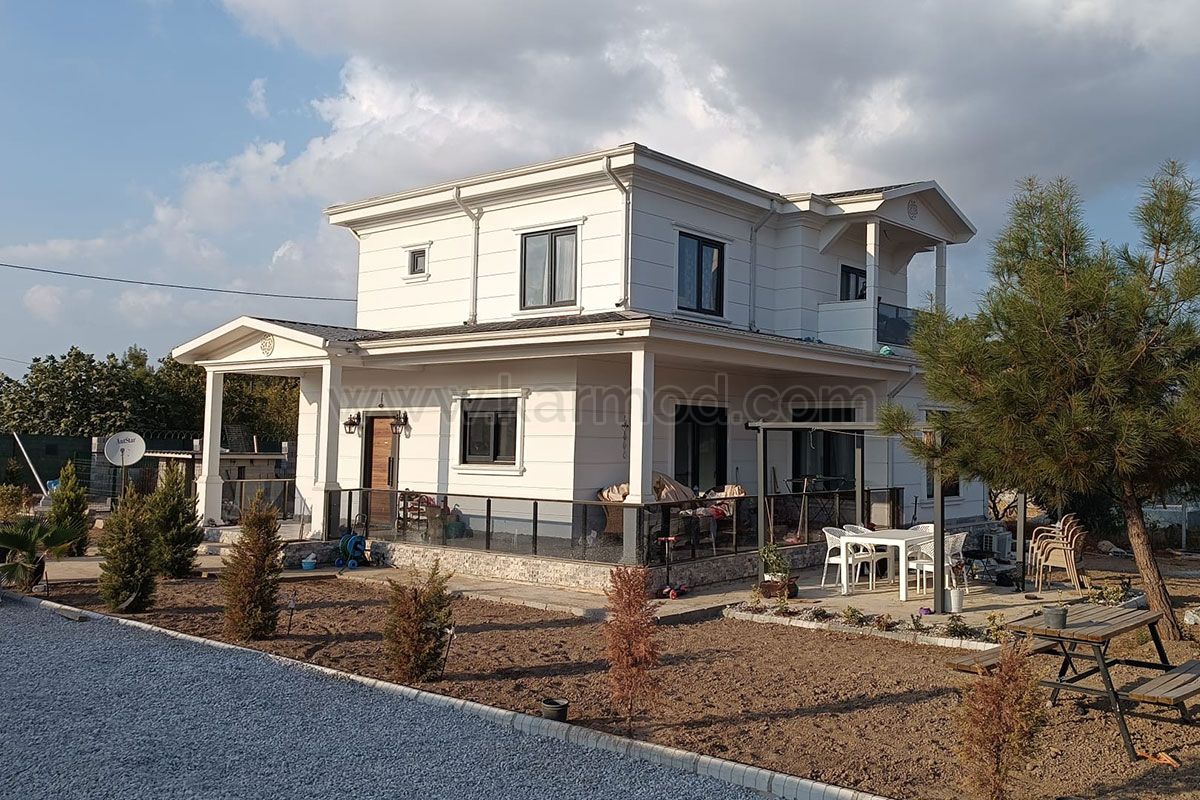
The cost of a prefabricated building depends on size, design, and materials used. In general, prefab homes or offices are often 10–25% cheaper than traditional buildings because components are produced in bulk under controlled conditions. However, costs for transportation, site preparation, and installation must also be considered.
A common misconception is that prefab buildings are temporary or short-lived. In reality, modern prefabricated structures can last 30–60 years, sometimes even longer with proper maintenance. The use of steel frames, reinforced concrete panels, and advanced insulation technologies has extended their durability significantly.
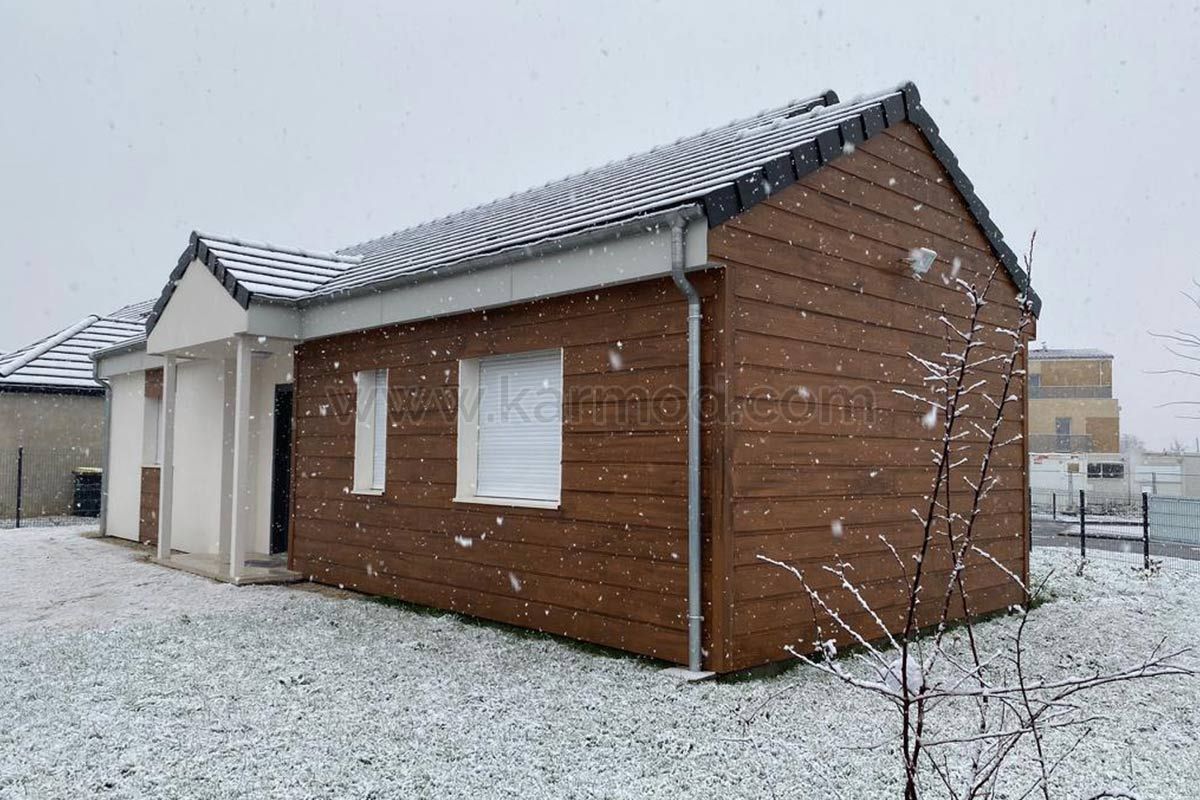
Despite their many advantages, prefab buildings do have drawbacks. Transportation and logistics can increase costs if the site is far from the factory. Customization is often limited compared to traditional construction. Some buyers also face financing and insurance challenges, as not all lenders view prefab properties the same as conventional ones.
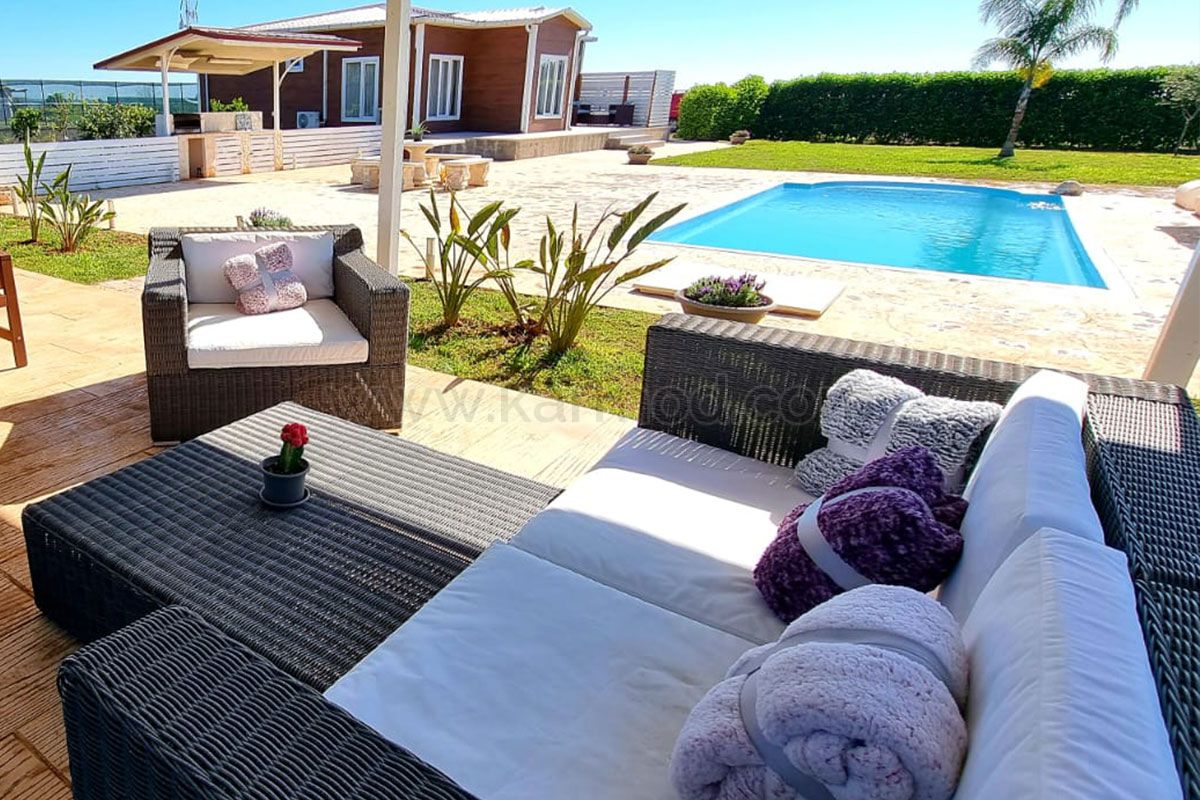
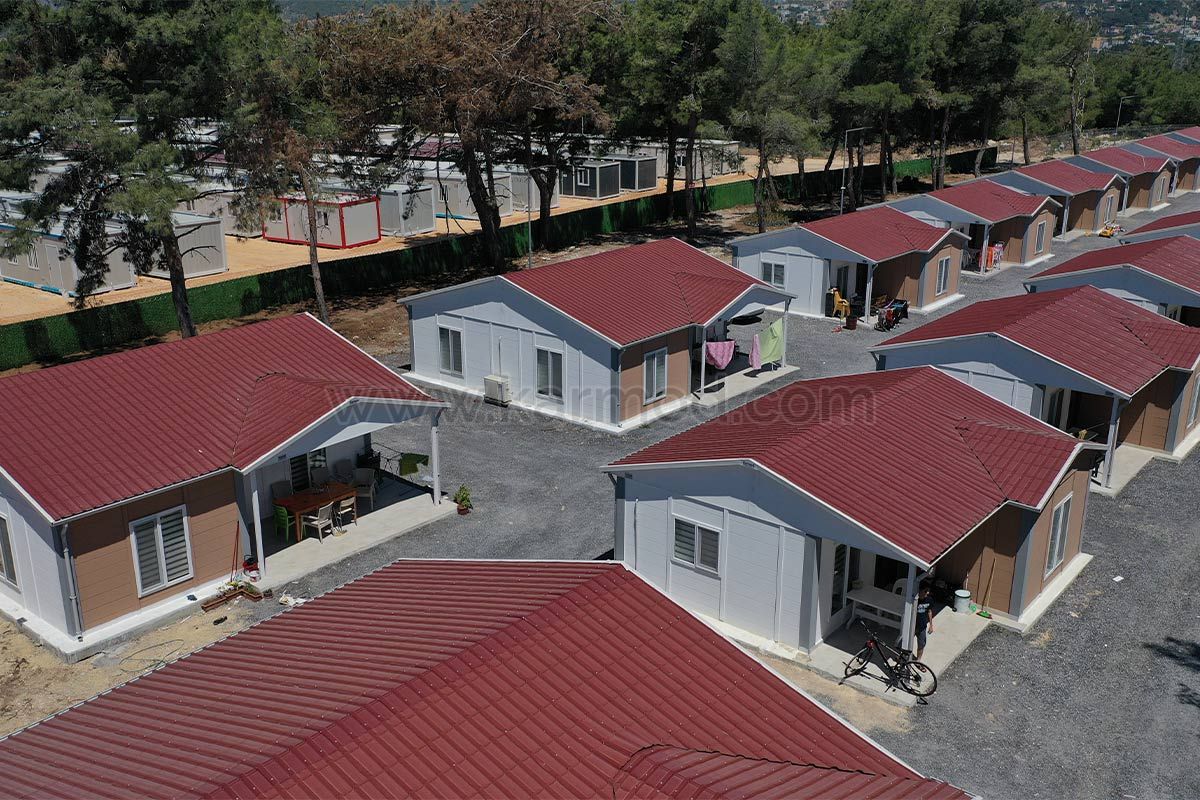
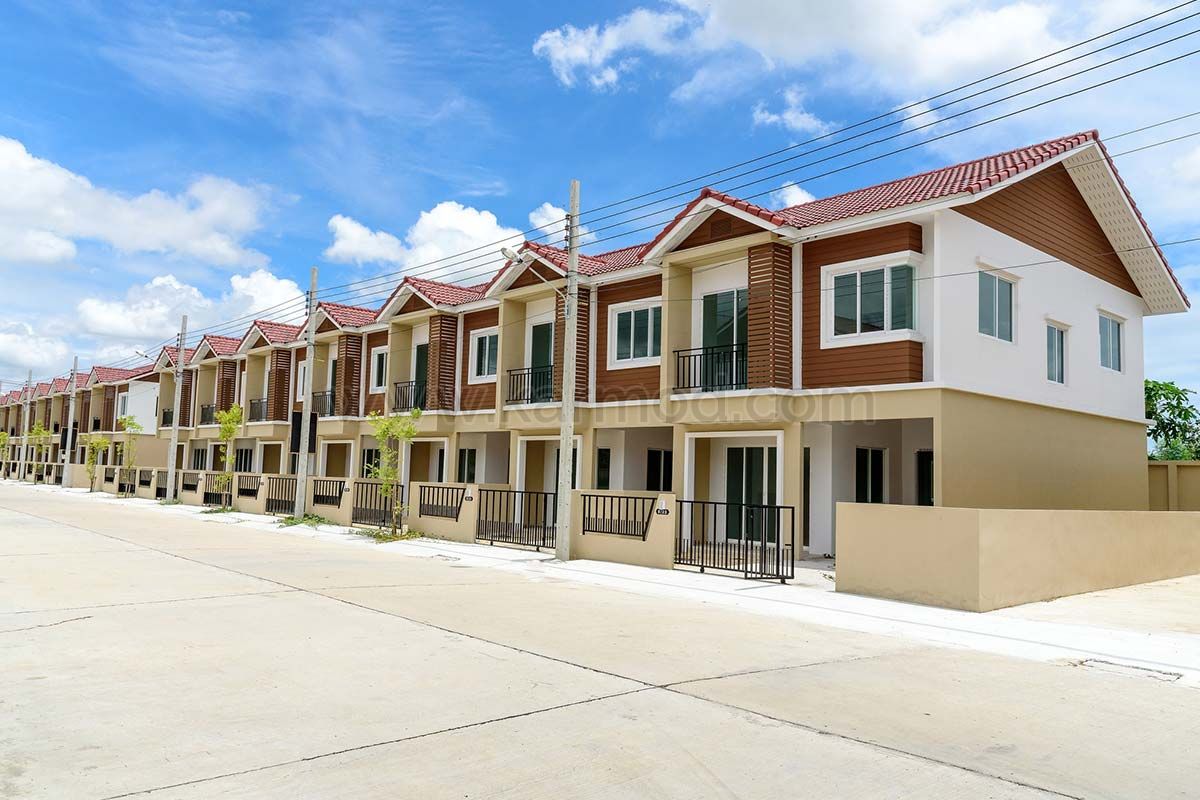
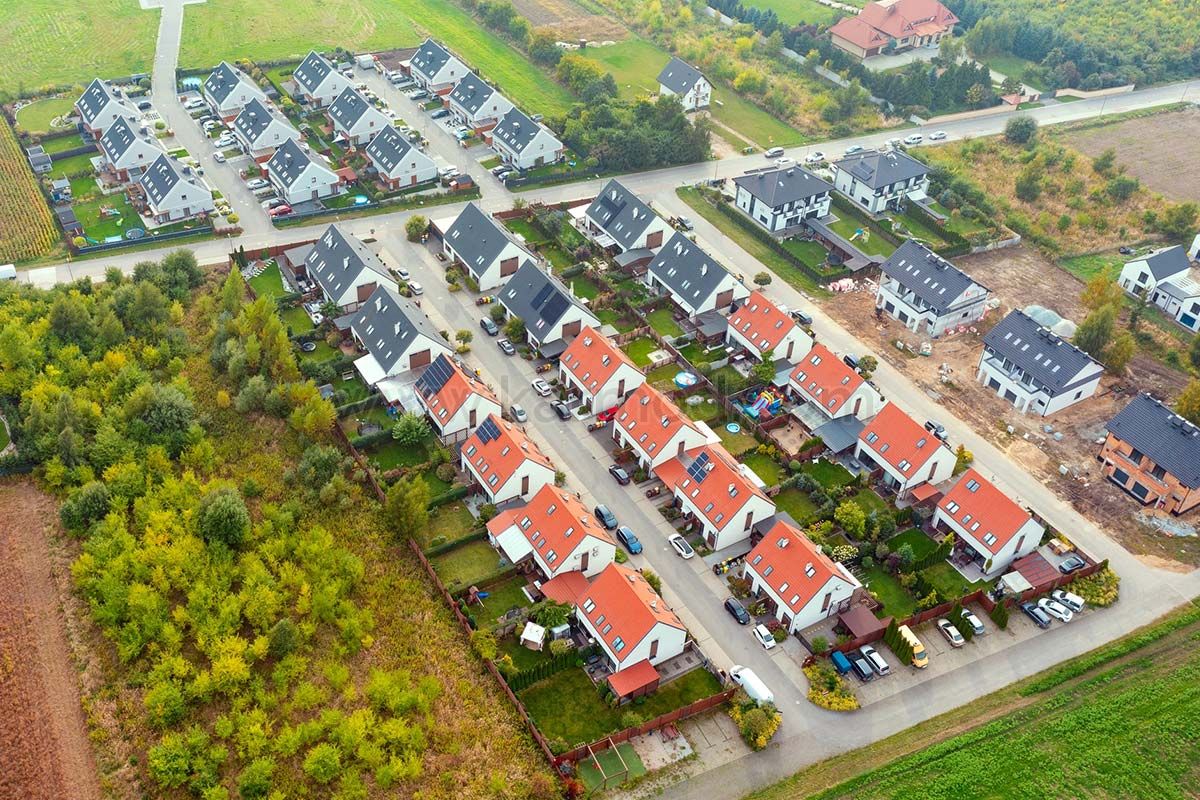
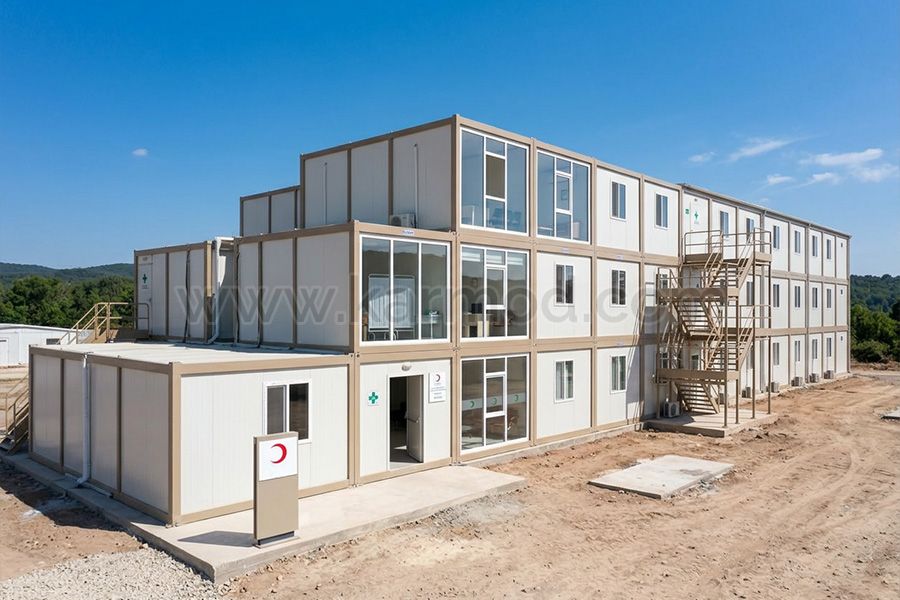
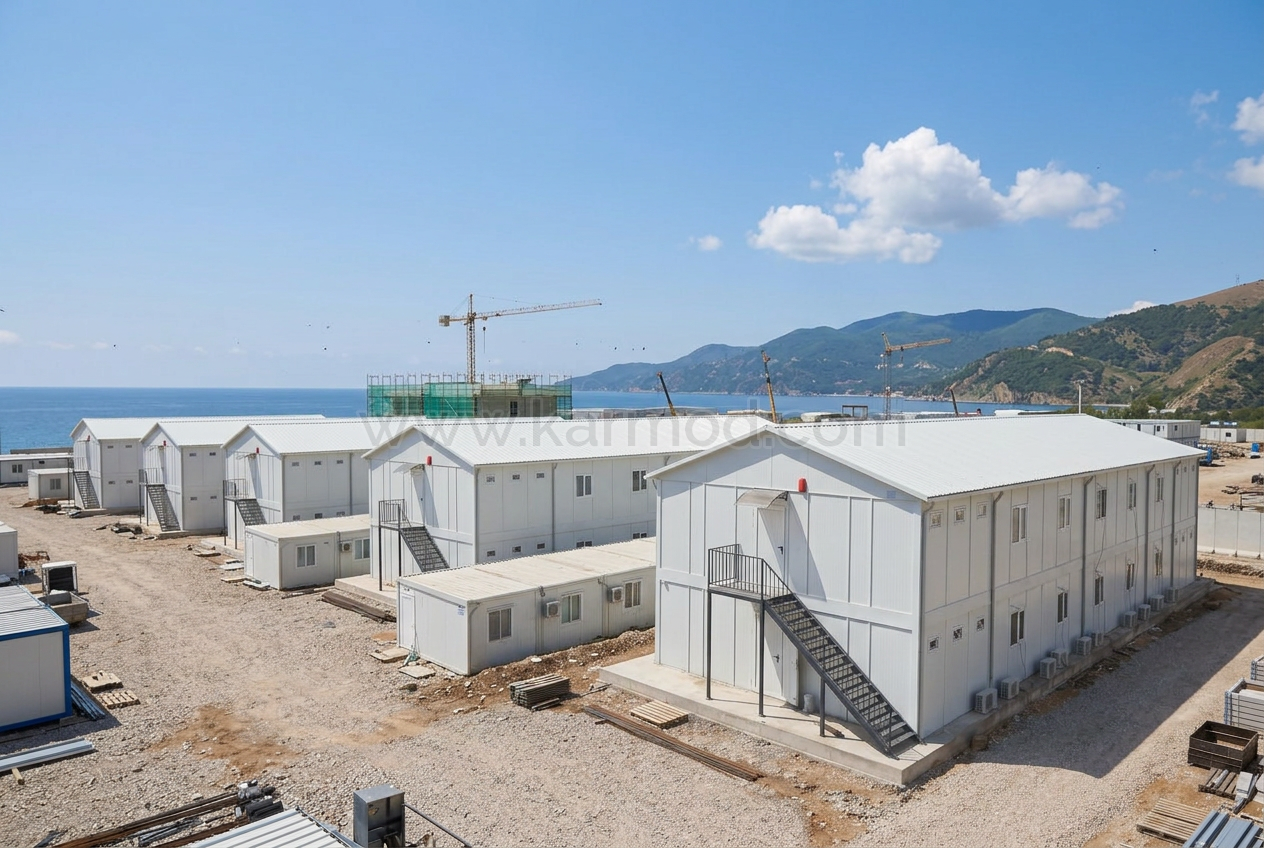
Prefabricated buildings come in several types, including modular homes, panelized houses, and mobile units. The benefits include cost savings, faster assembly, and reduced material waste. Risks may involve dependency on specific manufacturers, limited local expertise for installation, and potential zoning restrictions. Balancing these factors helps determine whether prefab is the right choice for a project.
Prefabricated construction is the process of manufacturing building components in a factory before assembling them on-site. Unlike traditional methods where everything is built from scratch on location, prefabrication allows builders to save time, maintain quality control, and minimize weather-related delays.
The terms "modular" and "prefab" are often used interchangeably, but they are not identical. Prefabrication refers broadly to any building process where components are made off-site. Modular construction is a subset of prefab where entire sections or “modules” are built and then assembled. In short, all modular buildings are prefabricated, but not all prefabricated buildings are modular.
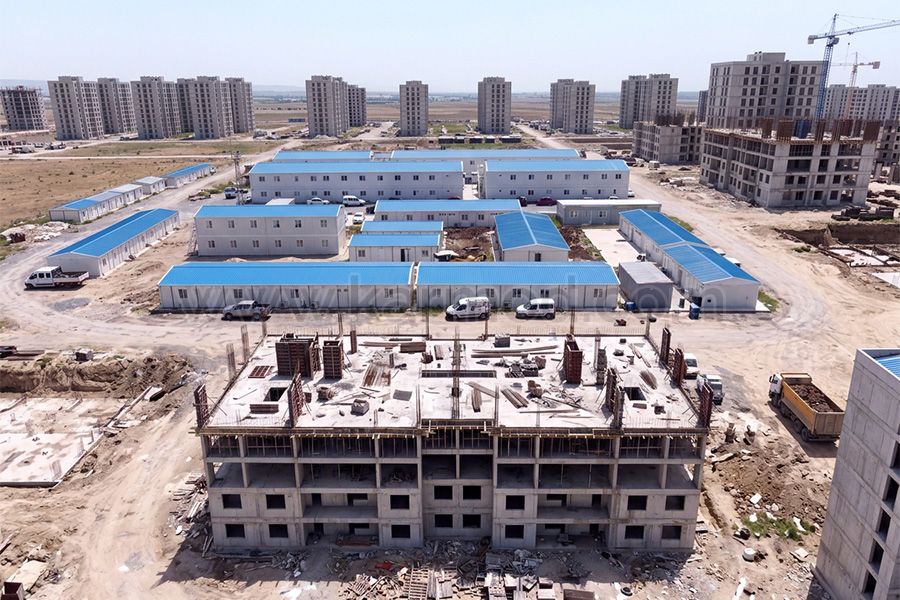
The prefab market includes both global and local suppliers. Major manufacturers provide modular housing kits, commercial building solutions, and specialized prefab units like hospitals or schools. Suppliers often offer design, transportation, and installation services as part of a package, giving clients a streamlined construction process. Choosing a reliable manufacturer with a proven track record is essential for quality and long-term durability.
In order to serve you better, if you could kindly send an e-mail to info@karmod.com for questions and details about your theoretical and special architectural plans, projects, and product specifications, your request will be responded to as soon as possible.

From one end of the world to the other, we enable our customers to reach the ready-made construction sector produced with the new technology of the world. We guarantee reliability through technology and innovation, flexible commercial models and smart supply chain solutions that add value for you, following the project production network.
Discover
Karmod is one of the largest prefabricated construction companies in Turkey, with a production of 45,000 m2. produces high quality prefabs and prefab containers