EN
EN 


Universities worldwide are under pressure to provide affordable, sustainable, and modern housing for their rapidly growing student populations. Traditional dormitories are costly to build and maintain, while private rentals near campuses often place a heavy financial burden on students and their families. This challenge has sparked a global search for innovative accommodation solutions that combine affordability with comfort and sustainability.
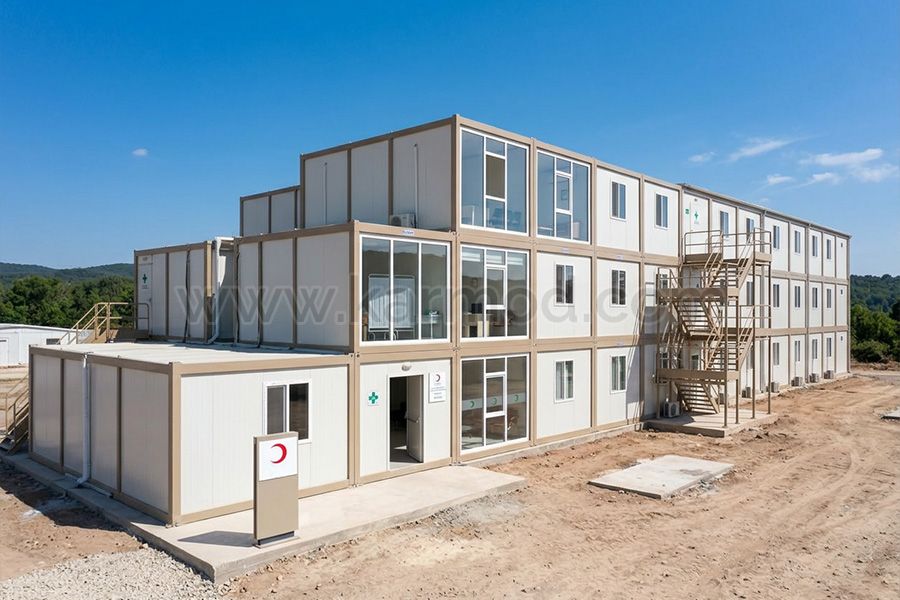
Container homes are at the center of this transformation. By converting durable shipping containers into modern, functional living spaces, campuses are introducing a housing model that is cost-effective, eco-friendly, and highly adaptable. These modular homes are not just temporary fixes; they represent the future of student accommodation and reflect the priorities of today’s generation.
Over the last decade, container homes have evolved from experimental projects into mainstream housing solutions. Universities across Europe, North America, and Asia have already embraced these modular units as an efficient response to housing shortages. Their rapid rise demonstrates that container housing is more than a passing trend—it is a structural shift in how campuses provide accommodation.
The popularity of these homes comes from their speed of construction and adaptability. Universities can install fully equipped units in a matter of months, making them far more responsive to sudden increases in enrollment or the arrival of international students.
Students are drawn to container homes because they provide both affordability and independence. Unlike crowded dormitories, container units offer private or semi-private spaces, often with modern designs that appeal to younger generations. This gives students a sense of identity and freedom.
Affordability is equally important. With tuition fees and living costs on the rise, container homes provide a budget-friendly solution without sacrificing comfort. For many students, this means less financial stress and more focus on academics.


Universities and investors see container housing as a financially smart choice. Construction costs are significantly lower compared to traditional dorms, while operational expenses remain minimal thanks to efficient insulation and durable materials.
This combination makes container projects a win-win solution for both institutions and residents.
Container housing offers unmatched flexibility in design. Universities can customize layouts to create single rooms, shared apartments, or even larger student villages. This adaptability ensures that different cultural, social, and academic needs are met.
In addition, campuses can integrate shared facilities such as kitchens, study lounges, gyms, or outdoor spaces. This versatility makes container homes a dynamic option for both short-term and long-term housing.
Sustainability has become one of the top priorities for universities and students alike. Container homes align perfectly with this demand, offering a housing solution that minimizes environmental impact while delivering modern comfort. Unlike traditional construction, which requires vast amounts of new materials and generates significant waste, container housing often starts by repurposing existing shipping containers. This recycling approach alone makes it a strong example of sustainable living.
Beyond recycling, container housing also integrates energy-efficient systems and green technologies. Students living in these spaces not only enjoy lower energy bills but also gain exposure to eco-conscious practices that prepare them for a more sustainable future. For universities, adopting such projects enhances their green image and demonstrates a strong commitment to environmental responsibility.
Key eco-friendly advantages include:
By combining these benefits, container homes prove to be more than just an affordable housing option—they are also a powerful step toward greener campuses worldwide.
One of the strongest advantages of container housing is the speed of installation. Entire student complexes can be built in just a few weeks, compared to years for traditional dormitories. This allows universities to adapt quickly to changing enrollment numbers.
Scalability is another asset. Campuses can expand housing gradually by adding new units, ensuring that they only build what they need without overspending on infrastructure.
Student life is about more than just academics—it’s also about building connections. Container housing projects often include thoughtfully designed communal areas, such as co-working spaces, outdoor lounges, and shared kitchens.
These features create a sense of belonging and community, making container housing a social as well as practical solution. By combining private living quarters with shared spaces, universities strike the perfect balance between independence and collaboration.
Safety and comfort are top concerns for both students and parents. Modern container homes use fireproof materials, advanced ventilation systems, and secure locks, ensuring a safe living environment.
Technology integration adds another layer of appeal:
These features make container homes not only practical but also future-ready.
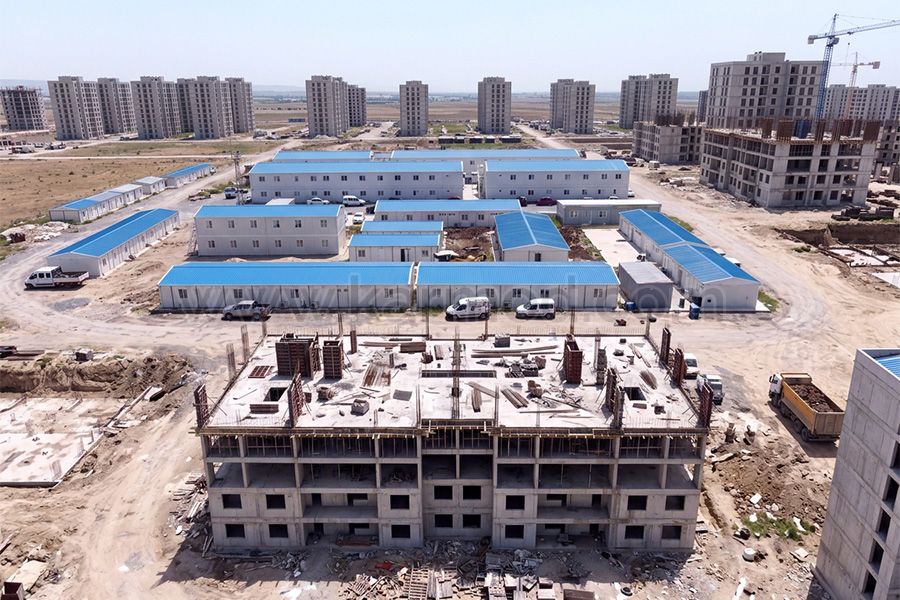
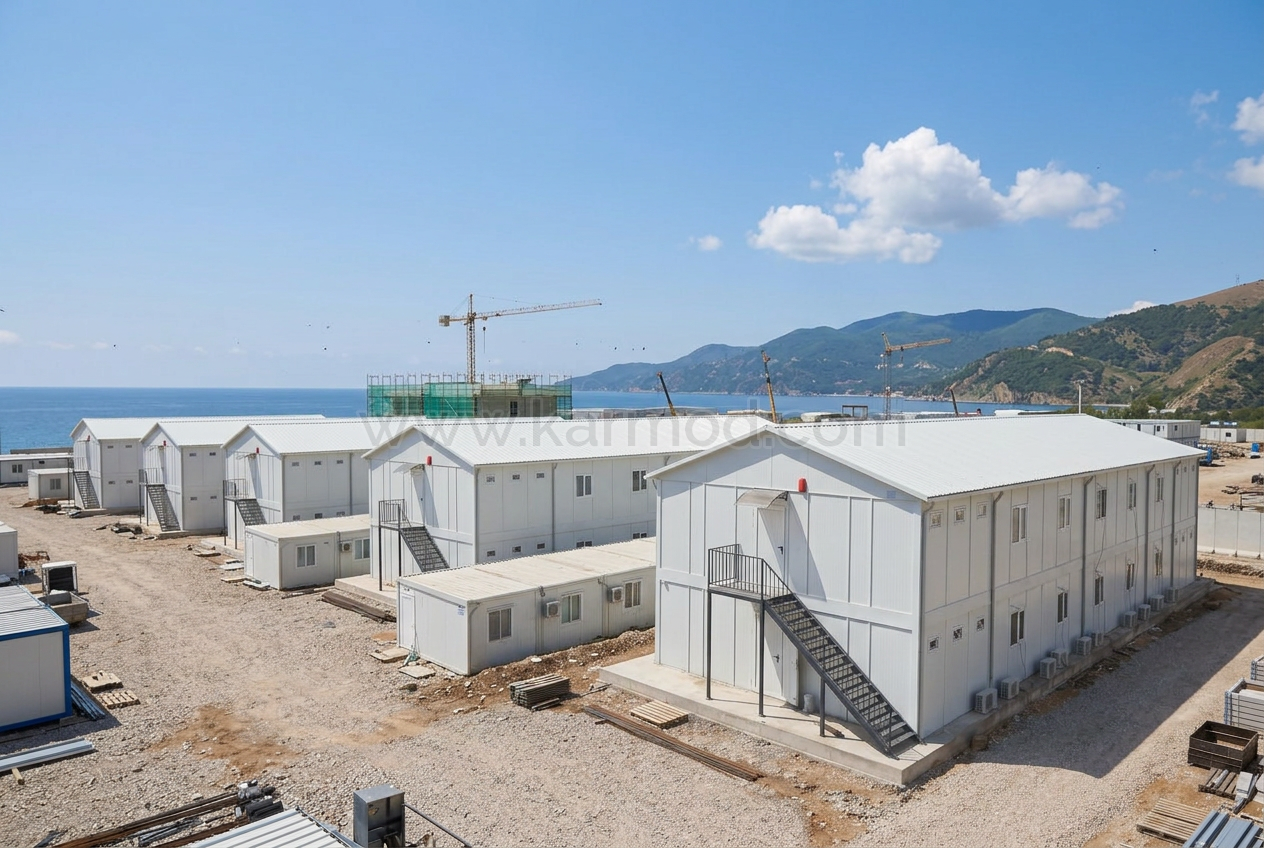
The rise of container housing is not just a theoretical concept—it has already been successfully implemented across different regions of the world. Universities and developers have proven that container-based student accommodation can be both practical and attractive. These examples show that the model is scalable, adaptable to different climates, and capable of meeting the needs of diverse student populations.
By looking at international success stories, other campuses gain confidence in adopting container housing as a reliable solution. Here are some remarkable examples that demonstrate the potential of this innovative housing model:
Global success stories include:
These success stories demonstrate that container homes are not just an alternative—they are a proven global solution that can be replicated and customized to suit any campus.
The number of students worldwide continues to grow, creating intense pressure on universities to provide affordable housing. Container homes provide a quick and reliable solution, ensuring that no student is left without accommodation.
By lowering rent, universities also make themselves more attractive to international students, who are often highly sensitive to living expenses.
Comfortable living directly influences student well-being. Container homes, with their bright interiors and modern design, provide a stress-free environment that supports productivity.
Students also value independence and personal space, which container housing delivers. By improving their daily lives, these homes indirectly contribute to academic performance and mental health.
Container housing is perfectly suited for integrating renewable energy technologies. Solar panels, water recycling, and smart energy meters can all be installed with ease.
This reduces bills and helps students practice sustainable living habits, preparing them for an eco-conscious future.
One of the strengths of container housing is its adaptability to diverse climates. With proper insulation and ventilation, these units can provide comfort in hot, cold, or humid environments.
Universities in different regions can customize designs to suit local weather conditions, making container homes a truly global solution for student housing.
Durability is a key advantage of container housing. Steel structures are resistant to pests, weather, and general wear, meaning they can last for decades with minimal upkeep.
This makes container housing a long-term investment for universities, offering consistent value year after year without the high renovation costs of traditional dorms.
Container housing is not just about providing bedrooms. With clever design, campuses can integrate study areas, libraries, and leisure spaces within container complexes.
This creates a holistic living environment where students can focus on academics while also enjoying relaxation and social activities—all within walking distance of their homes.
One of the biggest challenges in student housing is the limited space available. Container homes solve this issue by combining smart interior design with modular, multi-functional furniture. Every square meter is optimized to create a balance between comfort and practicality. Students living in such units enjoy the feeling of a modern, organized space where nothing is wasted.
These space-saving solutions not only improve daily living but also encourage students to adopt a minimalist lifestyle. By reducing clutter and maximizing functionality, container homes deliver a stylish and efficient environment that perfectly fits student needs.
Examples of modular and space-saving designs include:
With these design elements, container housing proves that small spaces can still offer comfort, style, and functionality, making them ideal for student life.
The success of container housing often comes from collaboration between universities and private developers. By working together, campuses can secure funding, ensure professional construction, and deliver housing solutions faster.
These partnerships also open the door for public-private investments, making container housing an attractive project for both education institutions and real estate investors.
From an investment perspective, container housing is extremely attractive. Demand for student accommodation is consistently high, ensuring full occupancy and reliable rental income.
Low construction costs, fast payback periods, and sustainable branding make this model a secure and profitable investment for private and institutional stakeholders alike.
Looking ahead, container housing has the potential to become a new global standard for student accommodation. Its affordability, scalability, and eco-friendly design align perfectly with the needs of universities and the expectations of students.
As campuses continue to expand and adapt, container homes will likely play an essential role in shaping the next generation of student housing worldwide.
Are you ready to embrace the future of student accommodation with container housing?
We provide tailored solutions that combine affordability, sustainability, and modern design.
Transform your vision into reality today and bring innovative, sustainable housing to your campus.
In order to serve you better, if you could kindly send an e-mail to info@karmod.com for questions and details about your theoretical and special architectural plans, projects, and product specifications, your request will be responded to as soon as possible.

From one end of the world to the other, we enable our customers to reach the ready-made construction sector produced with the new technology of the world. We guarantee reliability through technology and innovation, flexible commercial models and smart supply chain solutions that add value for you, following the project production network.
Discover
Karmod is one of the largest prefabricated construction companies in Turkey, with a production of 45,000 m2. produces high quality prefabs and prefab containers