EN
EN 


Large infrastructure projects need more than machinery, materials, and technical teams. Before construction can move efficiently, the site must have organized spaces for management, workers, safety teams, storage, dining, sanitation, and daily coordination. This is especially important for projects such as highways, bridges, airports, tunnels, railways, ports, and large civil engineering works.
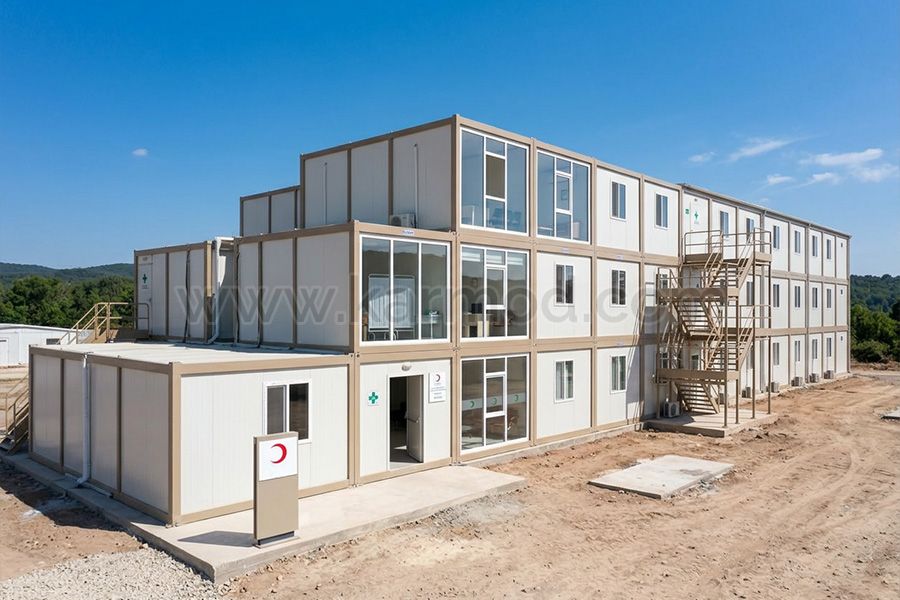
An infrastructure project site camp modular solution helps create these facilities quickly and practically. Modular buildings can be used as offices, worker accommodation, dining halls, sanitary units, storage areas, medical rooms, meeting spaces, and security points. Since they can be installed, expanded, relocated, or removed according to project needs, they are highly suitable for complex construction sites with changing phases.
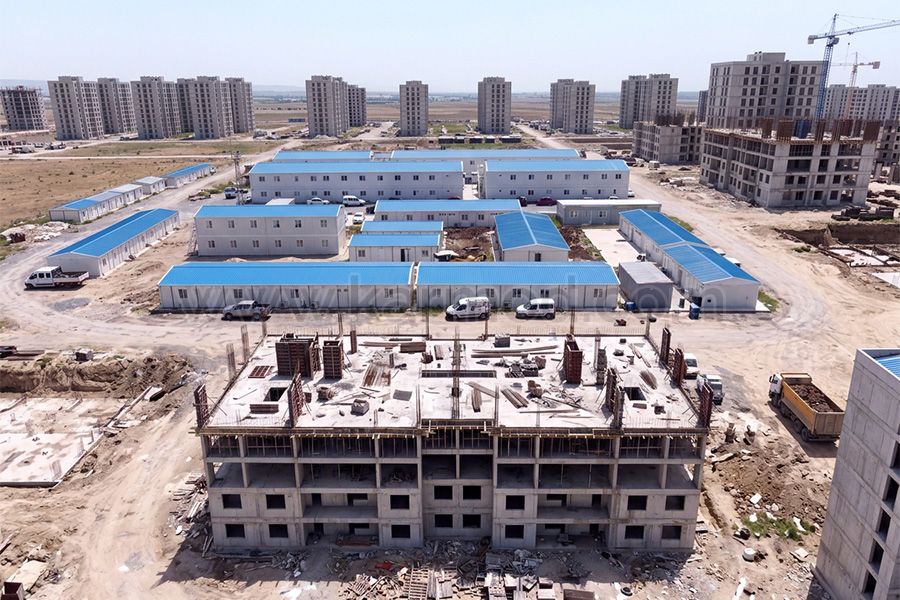
A civil engineering camp is usually required when a project is located far from existing buildings or when the workforce is too large to depend on local facilities. Infrastructure projects often cover wide areas and may continue for months or years, so the camp must support both daily work and worker welfare.
Modular camps make site preparation faster. Instead of building permanent structures, project owners can use prefabricated units that are manufactured in advance and delivered to the site. This helps reduce setup time and allows teams to begin operations sooner.
Another benefit is flexibility. As the project develops, the number of workers, engineers, subcontractors, and site managers may change. Modular buildings can be added or removed according to these changes without disrupting the entire camp layout.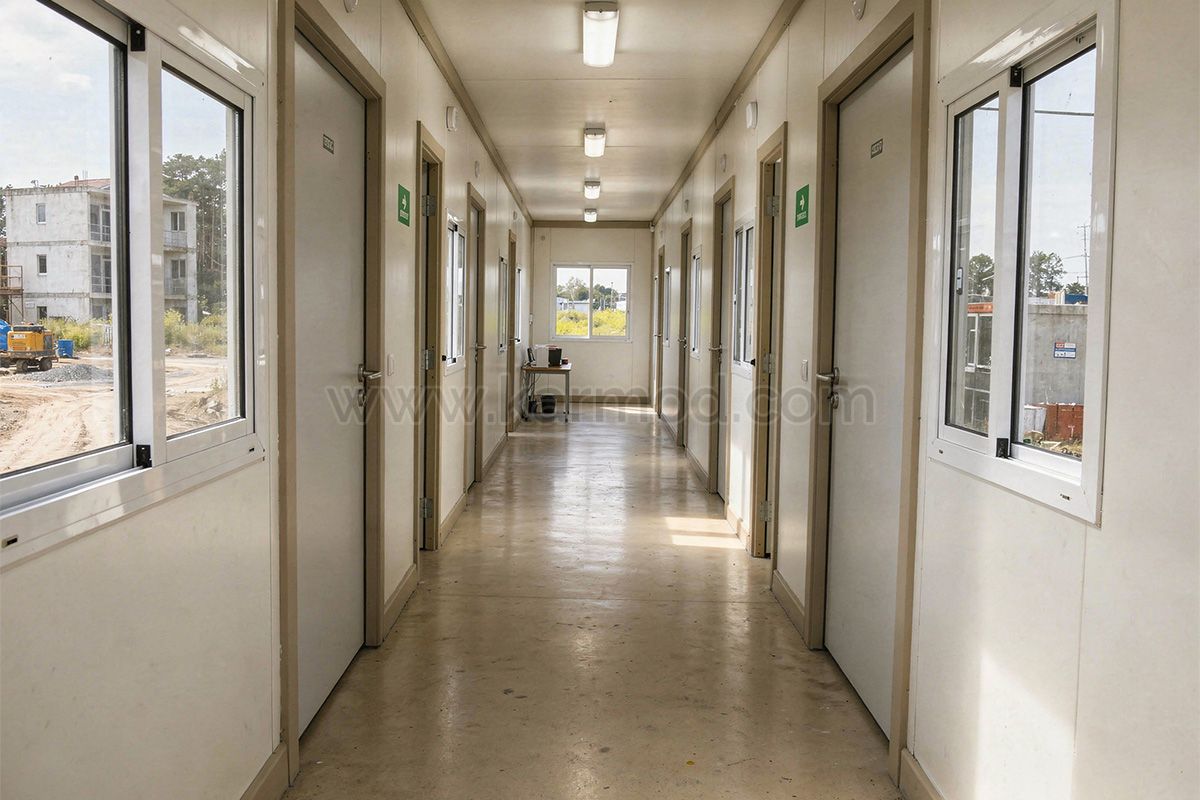
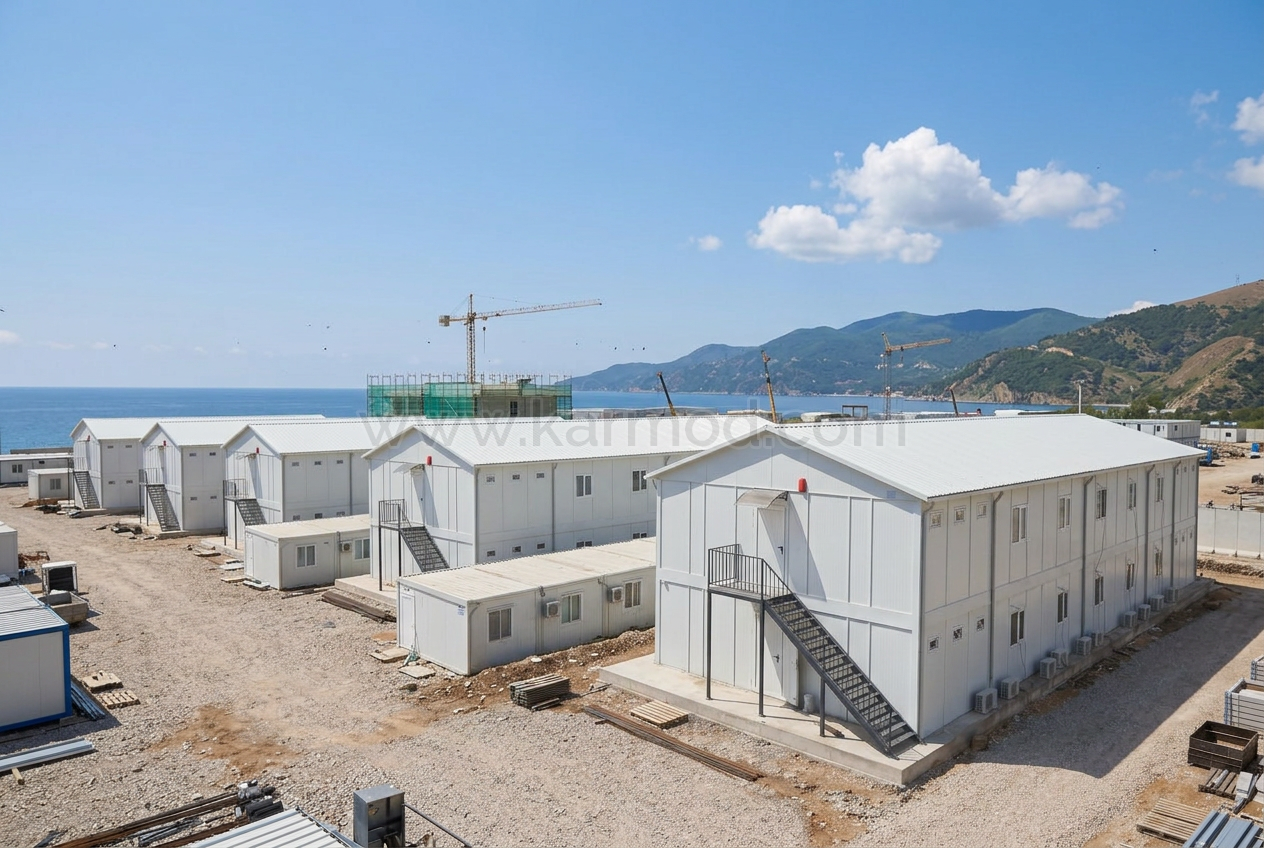
Infrastructure construction housing should provide safe, clean, and comfortable living conditions for workers who stay near the site. Many infrastructure projects are located outside city centers, near transport corridors, or in developing zones where accommodation options may be limited.
Worker housing units can include bedrooms, lockers, lighting, ventilation, heating, cooling, and bathroom facilities. Depending on the project size, accommodation may be arranged as shared rooms, dormitory-style units, or separate rooms for supervisors and technical staff.
A good accommodation plan should also include dining areas, kitchens, laundry rooms, recreation spaces, first-aid rooms, and sanitary facilities. These support units help workers rest properly and maintain a stable daily routine during demanding construction periods.


An airport EPC modular building can be used during airport construction, expansion, renovation, or terminal development projects. Airport projects require strong coordination because many teams work on different areas such as runways, terminals, aprons, hangars, service roads, utilities, and technical systems.
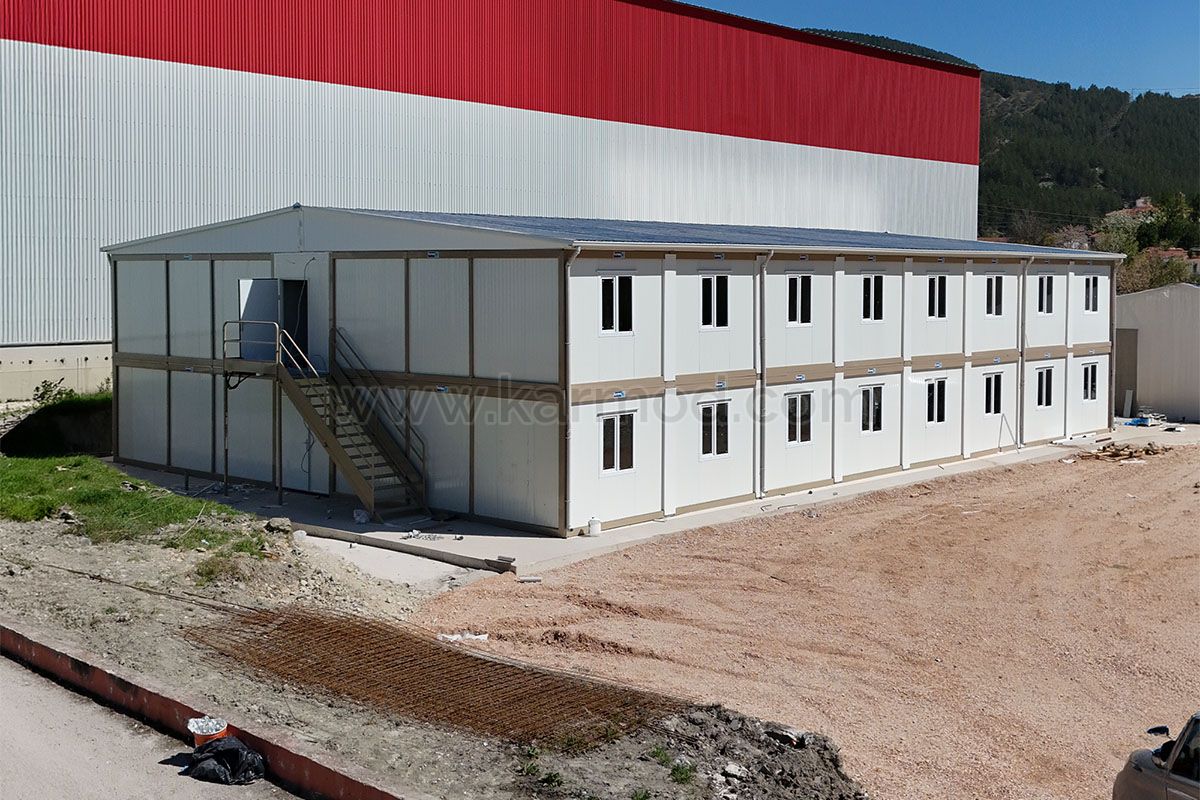
Modular office buildings can provide workspace for EPC contractors, project managers, engineers, planning teams, safety officers, quality control staff, and subcontractors. These offices may include meeting rooms, document control areas, technical rooms, reception spaces, and staff workstations.
Airport construction sites may also need worker accommodation, dining facilities, sanitary units, storage buildings, security cabins, and training rooms. Modular solutions allow these facilities to be installed near the active work zone while keeping the overall site organized.
A large infrastructure project camp should be planned according to workforce size, site access, construction phases, safety requirements, and available land. The layout must separate accommodation areas, office zones, vehicle routes, material storage areas, and high-risk construction zones.
Clear pedestrian paths, lighting, signage, emergency access, fire safety equipment, and controlled entry points are important for safe movement inside the camp. Dining halls, sanitary units, and medical rooms should be placed where workers can reach them easily.
For long-term infrastructure projects, the camp may also need recreation areas, prayer rooms, training spaces, parking zones, maintenance units, and communication infrastructure. A well-planned camp becomes the operational center of the project and supports smoother site management.
Infrastructure projects move through different stages, and each stage may require different facilities. During early mobilization, the site may need offices, storage units, security cabins, and basic welfare facilities. As construction expands, more accommodation, dining, sanitation, and technical spaces may be required.
Modular buildings make this transition easier. New units can be added when the workforce increases, and unnecessary units can be removed when the project enters a smaller phase. This prevents overbuilding and helps control costs.
For example, an airport project may first require planning offices and survey team facilities. Later, during runway or terminal construction, the camp may need larger worker accommodation, contractor offices, and quality control rooms. During finishing and commissioning, some units can be repurposed for testing teams, inspection staff, or maintenance crews.
Modular site camps help improve safety and organization on infrastructure projects. When workers have dedicated areas for accommodation, meals, hygiene, training, and rest, the site becomes easier to manage. Teams can attend briefings, access welfare facilities, and follow daily schedules more efficiently.
Site offices also support better documentation and communication. Project managers can track progress, coordinate subcontractors, manage permits, store drawings, and organize inspections from a central location.
Because modular buildings are produced in controlled conditions, their quality, dimensions, insulation, electrical systems, and interior layouts can be planned before delivery. This helps reduce uncertainty during site mobilization and supports faster project startup.
In order to serve you better, if you could kindly send an e-mail to info@karmod.com for questions and details about your theoretical and special architectural plans, projects, and product specifications, your request will be responded to as soon as possible.

From one end of the world to the other, we enable our customers to reach the ready-made construction sector produced with the new technology of the world. We guarantee reliability through technology and innovation, flexible commercial models and smart supply chain solutions that add value for you, following the project production network.
Discover
Karmod is one of the largest prefabricated construction companies in Turkey, with a production of 45,000 m2. produces high quality prefabs and prefab containers