EN
EN 


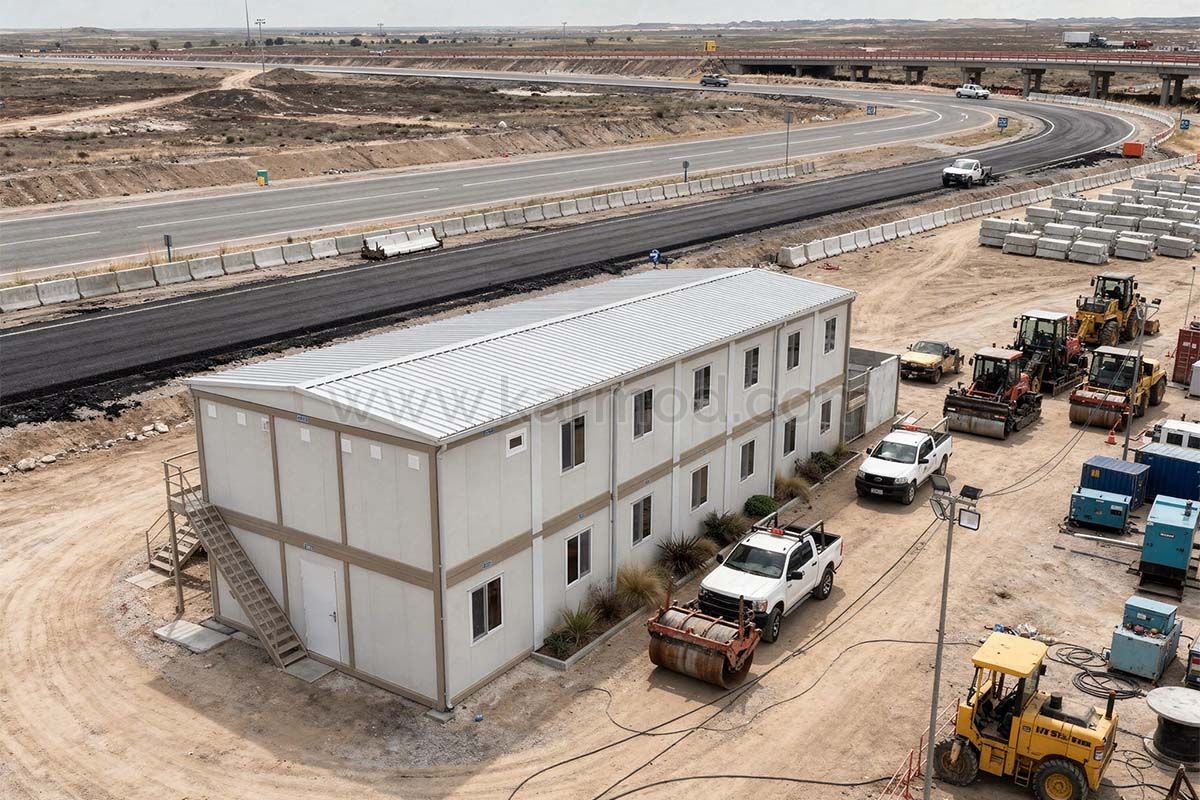
Highway construction projects move across long corridors instead of staying in one fixed location. As the road alignment progresses, crews may work on earthworks, drainage, bridges, asphalt paving, retaining structures, signage, lighting, and safety barriers in different sections. Because of this changing work area, project teams need camp facilities that can be installed near the active construction zone and moved when necessary.
A highway construction camp modular solution gives contractors a practical way to create worker accommodation, site offices, dining areas, sanitary units, storage spaces, and support facilities along the project route. These modular camps help reduce travel time, improve daily coordination, and support safer site management during road construction works.
A motorway camp container system is useful because highway construction often takes place outside city centers, near undeveloped land, rural areas, or long transport corridors. Workers may not have easy access to nearby housing, restaurants, offices, or welfare facilities.
Modular camps allow companies to bring essential infrastructure directly to the project area. Offices can be used for engineering teams, surveyors, safety officers, and site managers. Accommodation units can house workers close to the work zone. Dining, sanitation, and rest facilities can support daily routines without depending on external services.
This setup helps keep crews closer to the active construction section. It also makes it easier to organize shifts, conduct safety briefings, manage equipment movement, and respond to changing project needs.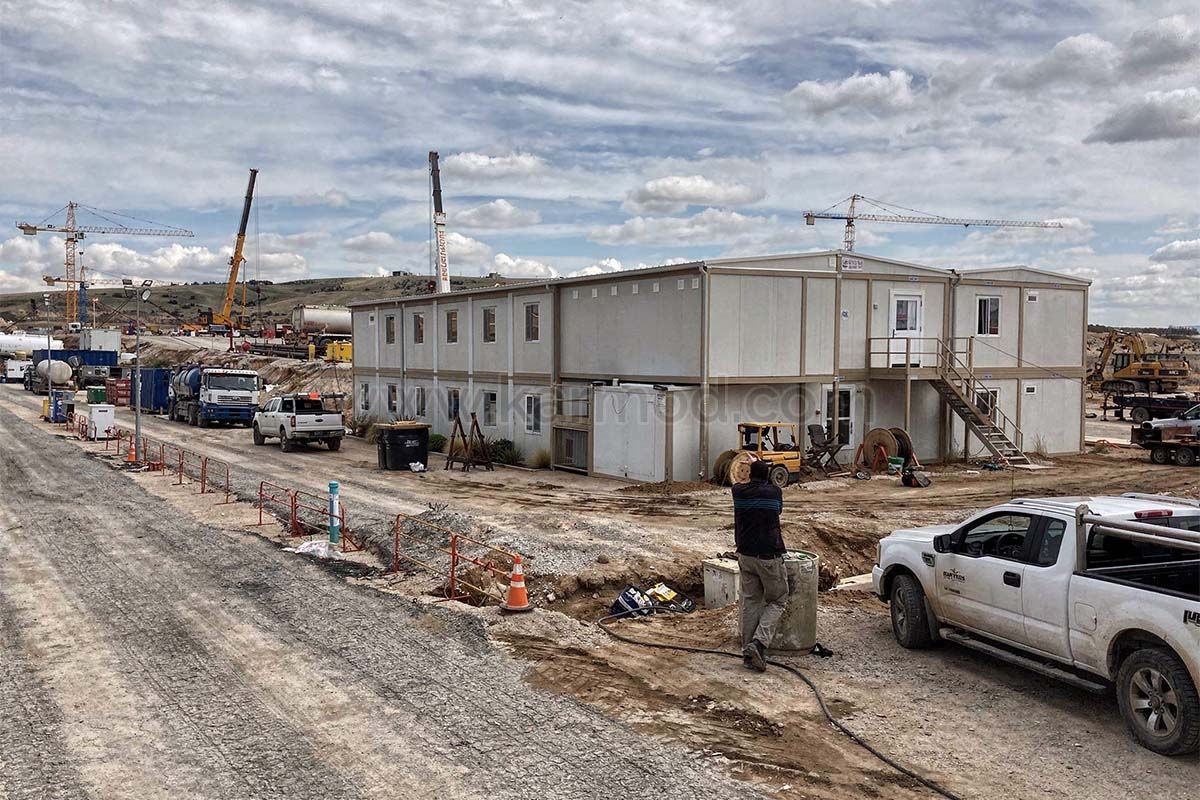
Highway worker housing should be planned for comfort, hygiene, and safety. Road construction teams often work long shifts in outdoor conditions, so they need reliable spaces for rest, meals, cleaning, and personal storage.
Road construction accommodation units can include beds, lockers, lighting, ventilation, heating, cooling, and bathroom options. Depending on the workforce size, the layout may include shared rooms, dormitory-style units, or separate rooms for supervisors and technical staff.
A complete housing area may also include dining halls, kitchens, showers, toilets, laundry rooms, recreation areas, first-aid rooms, and changing spaces. These facilities help workers recover after demanding shifts and maintain a stable daily routine throughout the project.
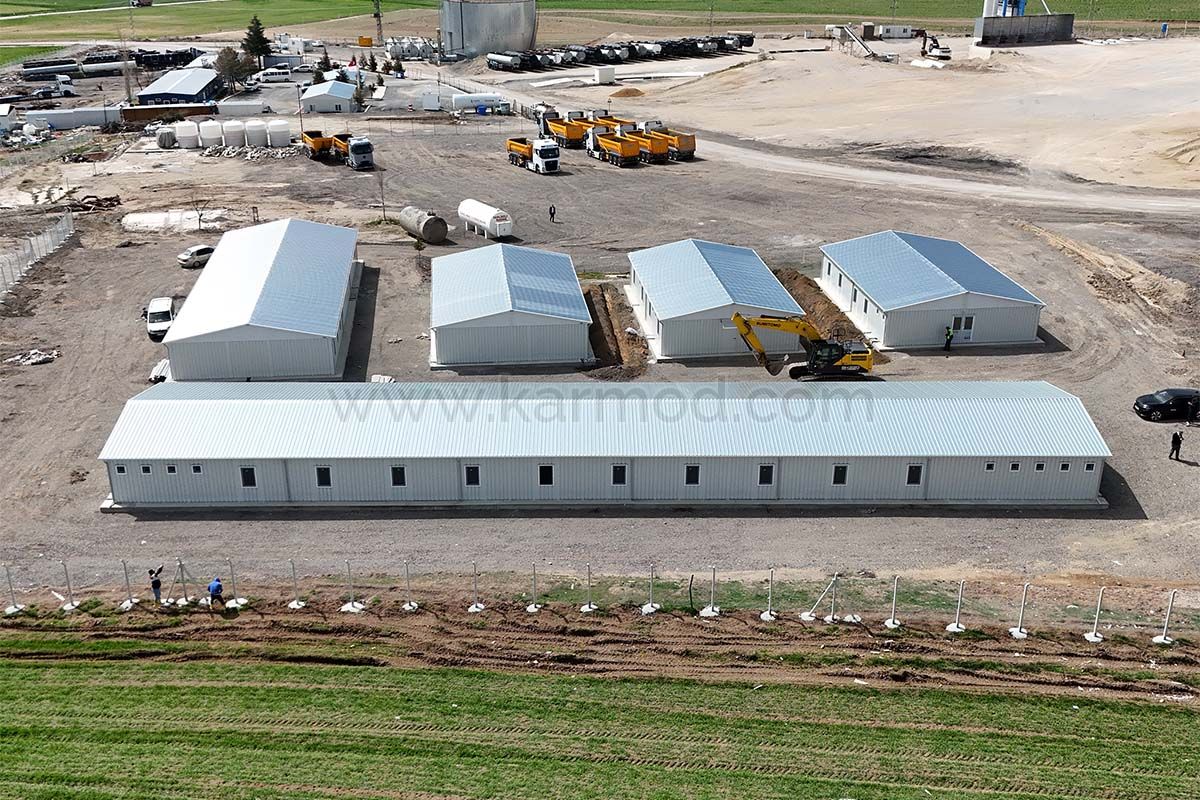
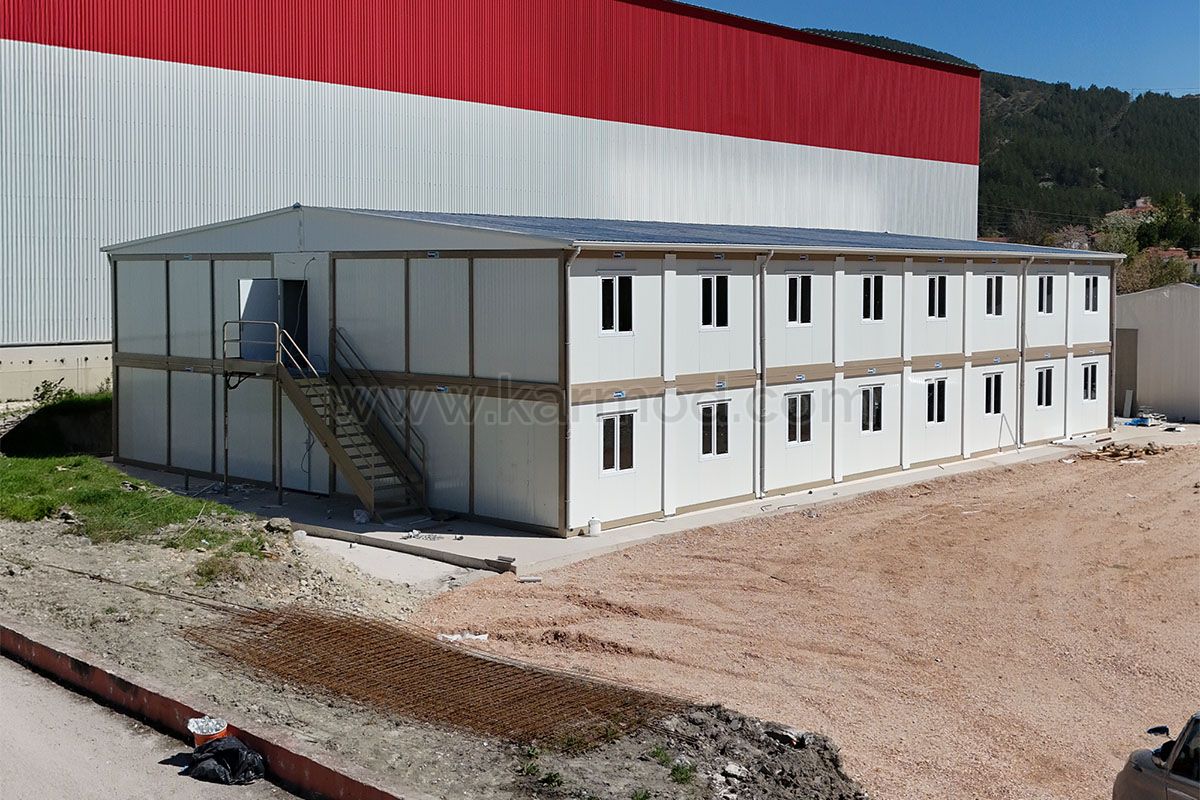
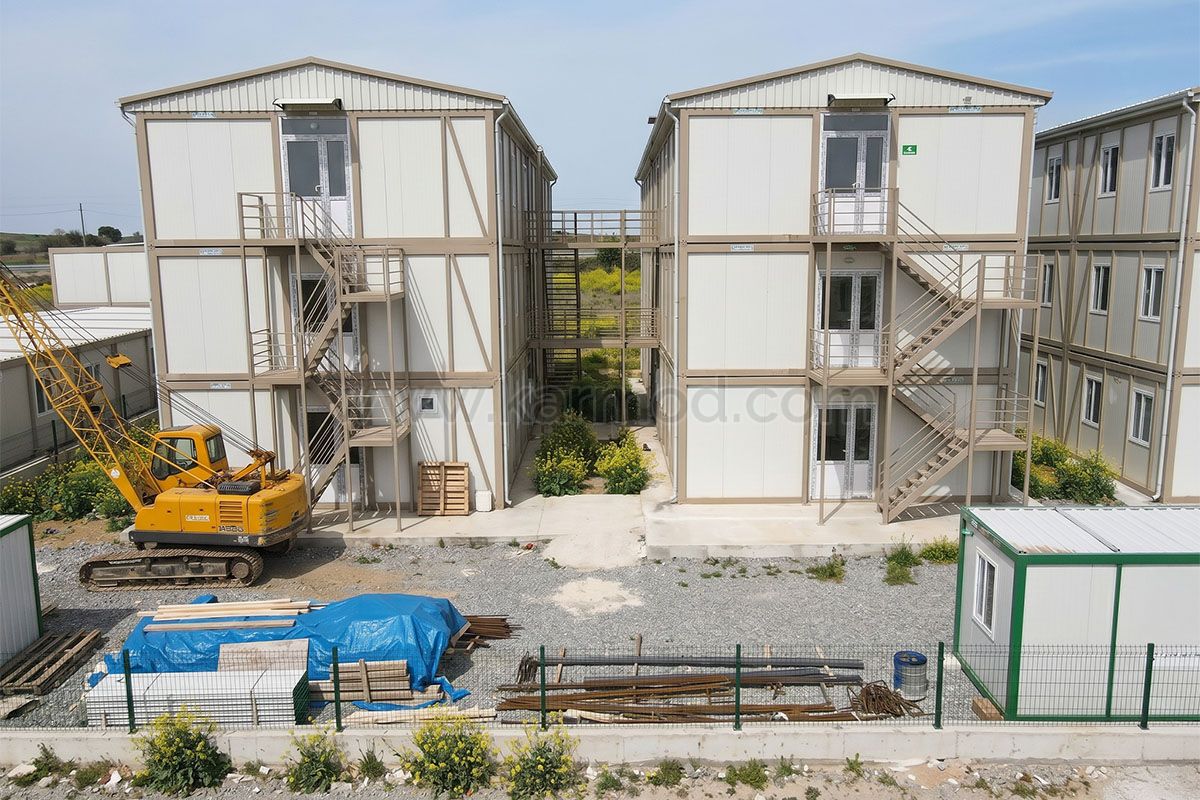
An expressway project camp can include several types of modular buildings, each serving a different function. Site office containers may be used for planning, reporting, document control, meeting coordination, quality inspection, and safety management.
Storage containers can hold tools, small equipment, traffic cones, safety barriers, signs, spare parts, testing devices, and protective equipment. Sanitary units provide toilets, showers, and washing areas for workers. Kitchen and dining units help serve meals close to the construction route.
For larger highway projects, the camp may also include training rooms, medical units, security cabins, maintenance areas, parking zones, and fuel control points. When these units are planned together, the camp becomes a functional base for both field crews and management teams.
A freeway construction site office should be located where managers and engineers can access the work zone efficiently without being exposed to unnecessary traffic risks. Since highway projects involve heavy machinery, trucks, temporary traffic diversions, and active road users, office placement must be planned carefully.
The office area should be separated from high-speed traffic, haul roads, asphalt plants, crushing areas, and heavy equipment routes. Safe pedestrian access, visible signage, lighting, parking areas, and emergency routes should be included in the layout.
Inside the office, teams may need workstations, meeting rooms, drawing storage, communication systems, internet access, permit files, and inspection records. A properly arranged office helps improve coordination between contractors, engineers, authorities, and traffic management teams.
A highway mobilization camp must be flexible because road projects often advance section by section. A camp may first support earthworks and drainage teams in one location, then later move closer to paving, bridge, or finishing works in another section.
Modular buildings can be transported by truck, installed on prepared ground, connected to utilities, and reused throughout the project. If the workforce increases, more units can be added. If the project enters a smaller phase, some units can be removed or relocated.
This mobility helps contractors avoid unnecessary long-distance transport for workers. Instead of sending crews from a distant base every day, the camp can follow the project corridor and stay close to the main work areas.
Highway camps must be planned with traffic safety, noise control, and dust exposure in mind. Active road construction involves trucks, graders, excavators, compactors, asphalt machinery, and sometimes traffic moving near the work zone. Worker facilities should be positioned away from heavy traffic routes and high-risk equipment areas.
Dust from earthworks, aggregate handling, and unpaved access roads can affect offices and accommodation units. Sealed windows, proper ventilation, washable surfaces, and suitable camp placement can help reduce dust impact. Noise from machinery and traffic can also be managed by placing accommodation areas farther from active work zones and using insulated building materials.
Traffic management is especially important. Separate vehicle and pedestrian routes, controlled entry points, speed limits inside the camp, lighting, barriers, and warning signs help create a safer environment for workers and visitors.
Worker camps are usually set up near the active construction section of the highway corridor. Modular units are transported to a selected location, placed on prepared ground, connected to utilities, and arranged as offices, accommodation, dining, sanitation, storage, and security areas. As the project progresses, the camp can be moved closer to the next work zone.
A road construction mobilization camp may need accommodation units, site offices, meeting rooms, dining halls, kitchens, sanitary containers, showers, laundry rooms, first-aid rooms, storage containers, security cabins, parking areas, and maintenance spaces. Larger projects may also require training rooms, recreation areas, communication rooms, and traffic management offices.
The relocation frequency depends on the project length, construction schedule, road alignment, terrain, workforce size, and available access roads. Some camps may stay in one location for several weeks or months, while others may move more often as crews complete different sections of the highway. Modular units make this relocation process easier than permanent buildings.
Highway camp placement should consider safe access roads, distance from live traffic, separation from heavy machinery routes, pedestrian safety, parking organization, emergency access, visibility, lighting, and controlled entry points. The camp should not interfere with public traffic flow, construction logistics, or temporary road diversions.
Noise and dust impacts can be reduced through careful camp positioning, insulated building materials, sealed doors and windows, proper ventilation, washable interior surfaces, and separation from active construction zones. Water spraying on dusty roads, speed control inside the camp, and organized vehicle routes can also help improve worker comfort and safety.
In order to serve you better, if you could kindly send an e-mail to info@karmod.com for questions and details about your theoretical and special architectural plans, projects, and product specifications, your request will be responded to as soon as possible.

From one end of the world to the other, we enable our customers to reach the ready-made construction sector produced with the new technology of the world. We guarantee reliability through technology and innovation, flexible commercial models and smart supply chain solutions that add value for you, following the project production network.
Discover
Karmod is one of the largest prefabricated construction companies in Turkey, with a production of 45,000 m2. produces high quality prefabs and prefab containers