EN
EN 


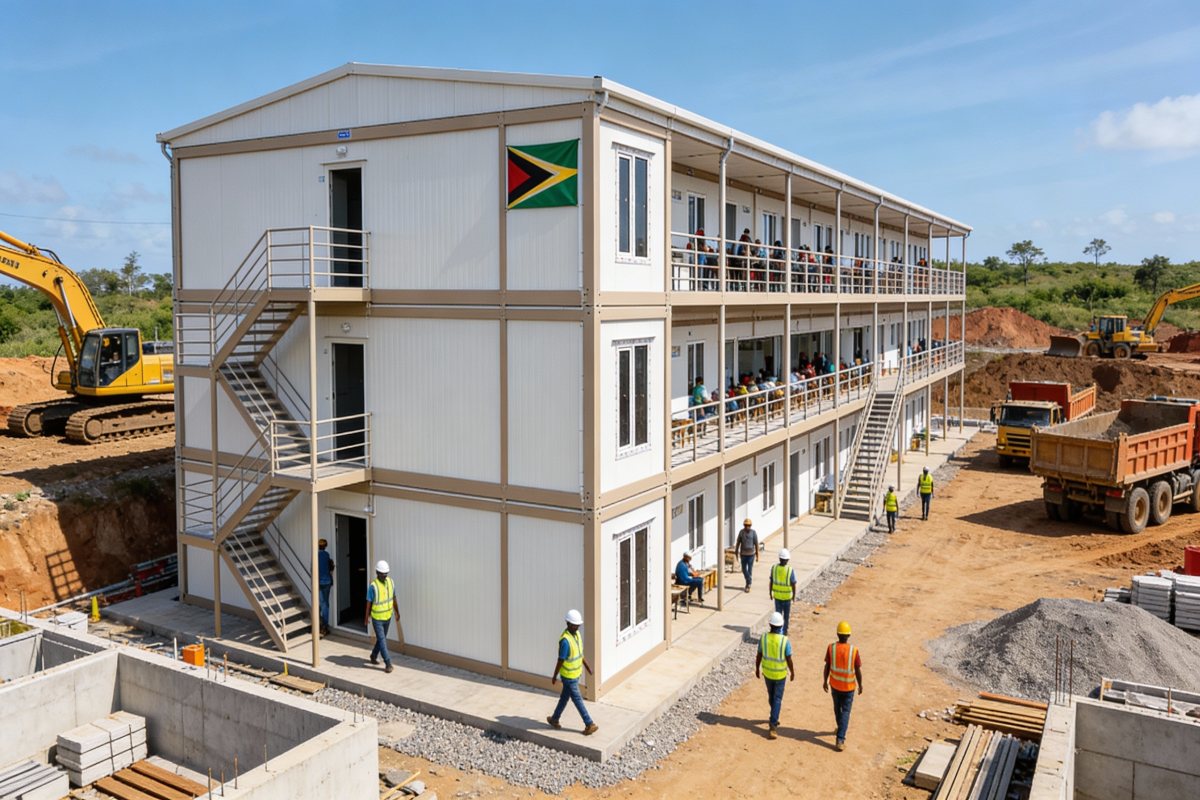
Guyana sits on the northern shoulder of South America, where the Atlantic coastline meets vast rainforests and a river network that shapes transport and settlement patterns. The climate is tropical—high humidity, heavy seasonal rainfall, and strong sun—so construction choices are often judged by how well they manage moisture, heat gain, and long-term durability in coastal and inland conditions. As the economy expands through sectors such as energy, mining, agriculture, logistics, and public infrastructure, project teams increasingly look for building methods that shorten delivery times without sacrificing performance.
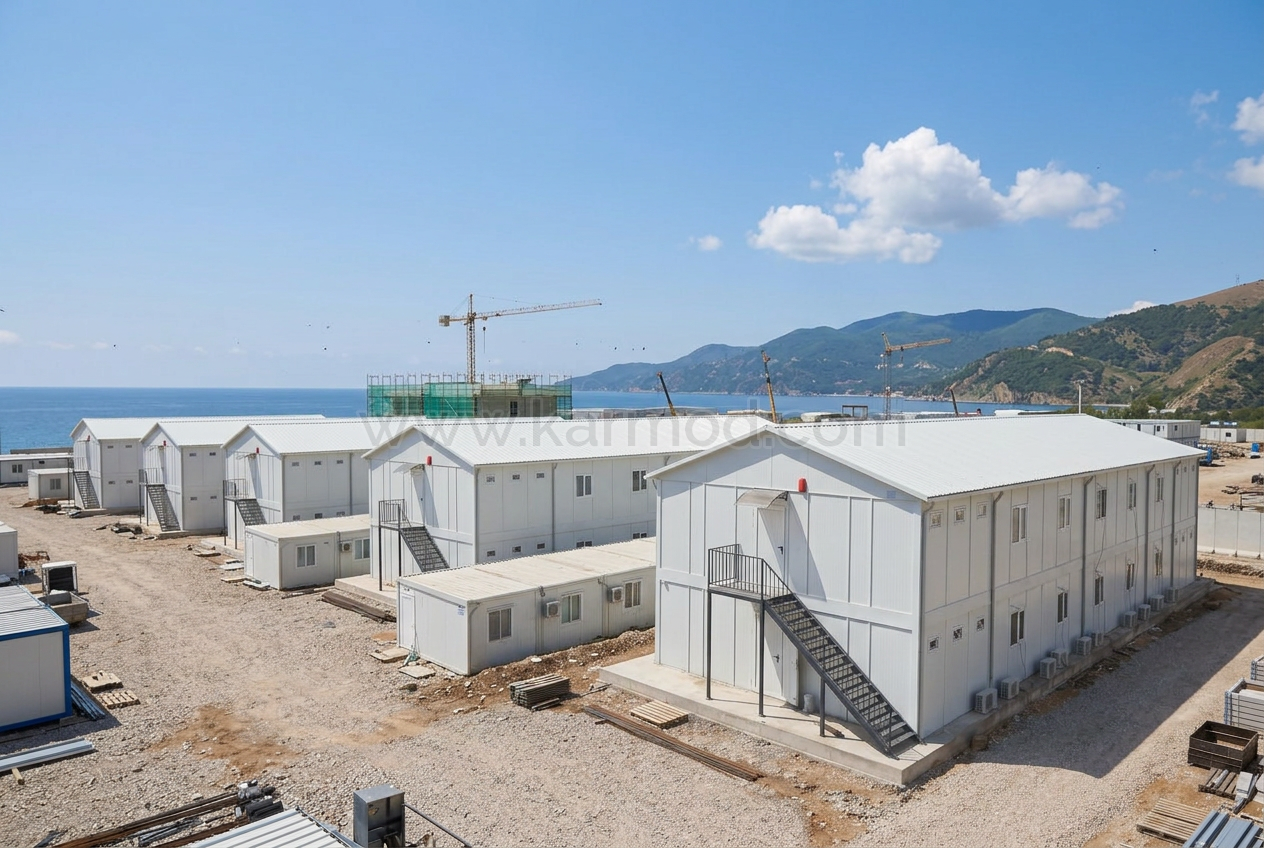
This is where container buildings are gaining serious attention. In Guyana, container homes and commercial units are being specified for speed, predictable quality, and straightforward logistics—especially when conventional construction faces schedule pressure, remote sites, or weather disruption. Modern container platforms also support modular construction workflows, enabling modular container buildings and prefabricated container systems that can be expanded, relocated, or repurposed as projects evolve.


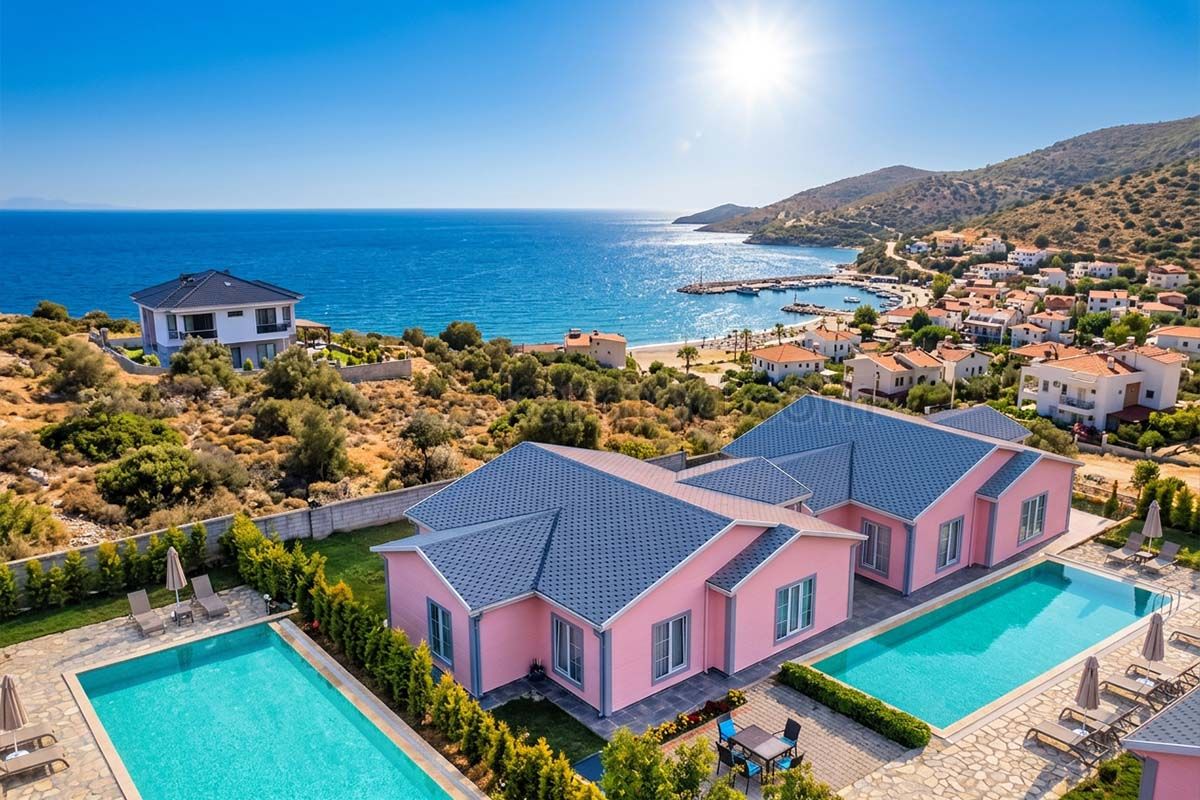
Guyana container homes are often chosen for one practical reason: they convert a fixed footprint into a flexible living environment. With modular planning, a compact starter unit can be configured for fast occupancy and later extended into larger layouts, multi-room plans, or multi-storey arrangements. This approach supports predictable timelines—an advantage for employer housing, remote workforce accommodation, and private developments that must stay on schedule through the rainy season.
From a performance standpoint, climate-resistant container buildings matter in Guyana’s conditions. Humidity, salt air near the coast, and intense rainfall put pressure on building envelopes. Well-designed prefabricated container systems address these realities with controlled factory production, sealed detailing, and material choices that prioritize corrosion resistance, insulation continuity, and interior comfort. The result is a container home that can be specified for ventilation strategy, thermal control, and moisture management rather than relying on site improvisation.


Across Guyana’s project-driven economy, storage is rarely “just storage.” Equipment must be protected from humidity, rain, and theft; spare parts need orderly access; and sites must stay operational even when roads, ports, or weather cause delays. Guyana container storage solutions answer these needs with durable enclosures that can be delivered quickly and positioned where the work happens—near a pit, a farm perimeter, a warehouse yard, or a construction compound.
Unlike improvised sheds or temporary structures, container-based storage is defined by repeatable engineering and relocation advantage. A secure unit can be moved with a project, reassigned to a new site, or reorganized into a compound layout without rebuilding from scratch. For multi-location operators, this adaptability can reduce downtime and simplify standard operating procedures for site management.
Selecting a container manufacturer for Guyana is primarily an engineering decision: the structure must be reliable in tropical humidity, withstand heavy rainfall cycles, and remain stable through repeated transport and installation. Karmod is often evaluated on these fundamentals—manufacturing consistency, the ability to specify climate-resistant container buildings, and a track record of delivering modular container buildings that are practical to deploy in real project conditions.
For B2B buyers, reliability shows up in the details: predictable tolerances, robust connections, and building envelopes designed for moisture control and thermal comfort. Karmod’s approach aligns with prefabricated container systems that can be customized without becoming one-off experiments—whether the requirement is an accommodation unit, a site office, a storage module, or a multi-unit complex. This balance between customization and standardization helps projects protect schedule, quality, and long-term maintainability.
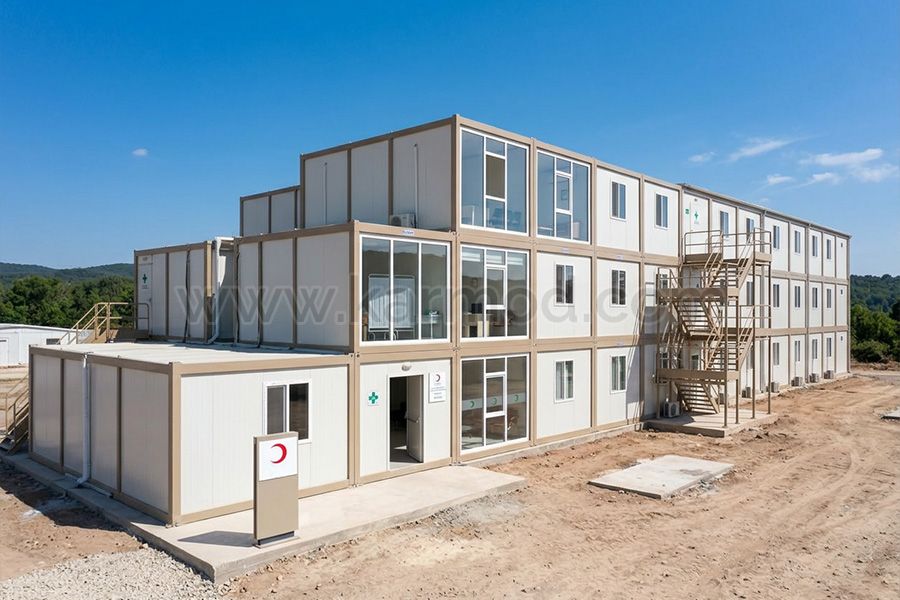
For fast-moving projects, Guyana container offices provide a practical way to establish administrative, engineering, and meeting space without waiting for conventional construction cycles. A well-planned office unit can be deployed near operations to improve coordination, reduce travel time, and support better supervision and documentation. With modular container buildings, teams can also expand office capacity as headcount grows, adding modules for meeting rooms, site clinics, or welfare facilities.
Modern office design also has a performance side. In Guyana’s climate, comfort depends on more than furniture: ventilation planning, insulation, and material choices influence productivity. This is why many projects specify climate-resistant container buildings that support stable interior conditions while remaining straightforward to install and relocate.
container offices are particularly effective when businesses need predictable delivery and phased growth. Instead of overbuilding a permanent facility on day one, organizations can start with essential workspace and scale the site as the project matures.


Commercial development in Guyana often requires speed, clarity of scope, and the ability to respond to shifting demand—especially in growth corridors where services expand quickly. Guyana container buildings support this reality by enabling modular commercial layouts: single-unit service points, multi-unit business complexes, or mixed-use compounds that can expand over time. For operators, modular container buildings can also reduce disruption, since additions can be installed in phases without shutting down the entire facility.
When designed as prefabricated container systems, commercial units can integrate practical features such as customer-facing entrances, sheltered walkways, storage back-of-house space, and service zones for utilities. The value is not novelty; it is controlled delivery and repeatable performance—particularly important where climate-resistant container buildings must handle sun exposure, wind-driven rain, and heavy daily use.
Retail operators often need a location-ready format that can be deployed quickly, branded clearly, and adapted to different sites. Guyana container shops meet that requirement by combining a compact footprint with strong visibility and flexible fit-out options. Pop-up retail is one use case, but longer-term retail clusters are equally practical—especially where developers want phased leasing and the option to reconfigure tenant layouts over time.
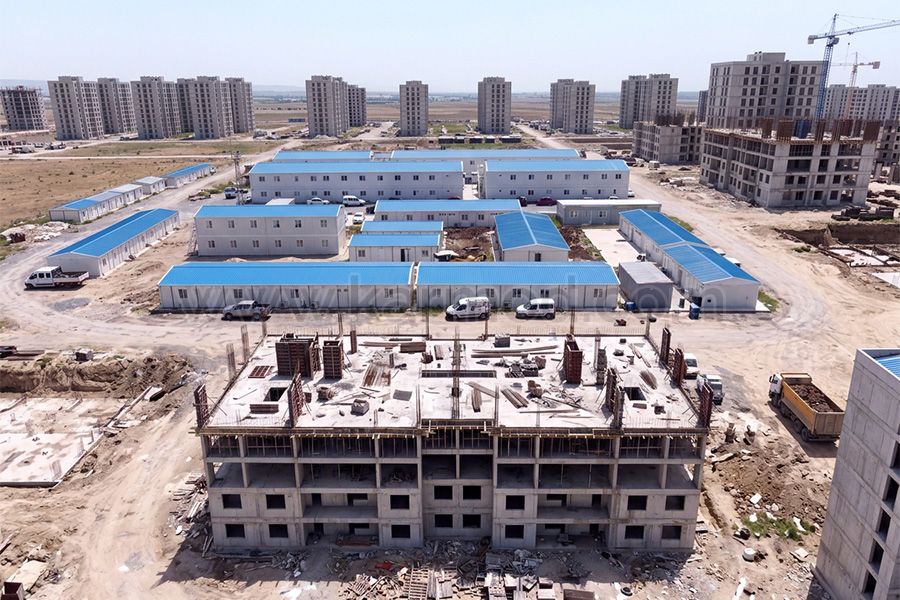
As towns expand and housing demand increases near employment and services, Guyana container homes are also being explored in multi-unit formats. Container apartment concepts can support faster delivery of small-to-mid scale housing where budgets and timelines are tight. Modular container buildings make it possible to plan repeatable unit types—studios, one-bedroom layouts, or duplex configurations—while keeping installation logistics manageable.
Community design becomes essential at the apartment scale. Thoughtful layouts can create shared courtyards, shaded walkways, and practical service access, improving daily usability without inflating complexity. When climate-resistant container buildings are specified with appropriate insulation and ventilation strategies, the result can be compact urban living that remains comfortable through humid seasons and heavy rainfall cycles.
Beyond residential and commercial use, Guyana container buildings are increasingly relevant for public-service and community infrastructure—where delivery speed, durability, and relocation capability can directly improve access. Modular container buildings can support practical, repeatable formats for education, healthcare, and civic functions, especially when projects need to reach smaller communities or temporary service locations.
For these applications, engineering reliability matters more than aesthetics. Prefabricated container systems can be designed to support safe circulation, secure storage, and easy maintenance. When climate-resistant container buildings are specified for local conditions, they become dependable assets for public programs rather than short-term stopgaps.
In order to serve you better, if you could kindly send an e-mail to info@karmod.com for questions and details about your theoretical and special architectural plans, projects, and product specifications, your request will be responded to as soon as possible.

From one end of the world to the other, we enable our customers to reach the ready-made construction sector produced with the new technology of the world. We guarantee reliability through technology and innovation, flexible commercial models and smart supply chain solutions that add value for you, following the project production network.
Discover
Karmod is one of the largest prefabricated construction companies in Turkey, with a production of 45,000 m2. produces high quality prefabs and prefab containers