EN
EN 


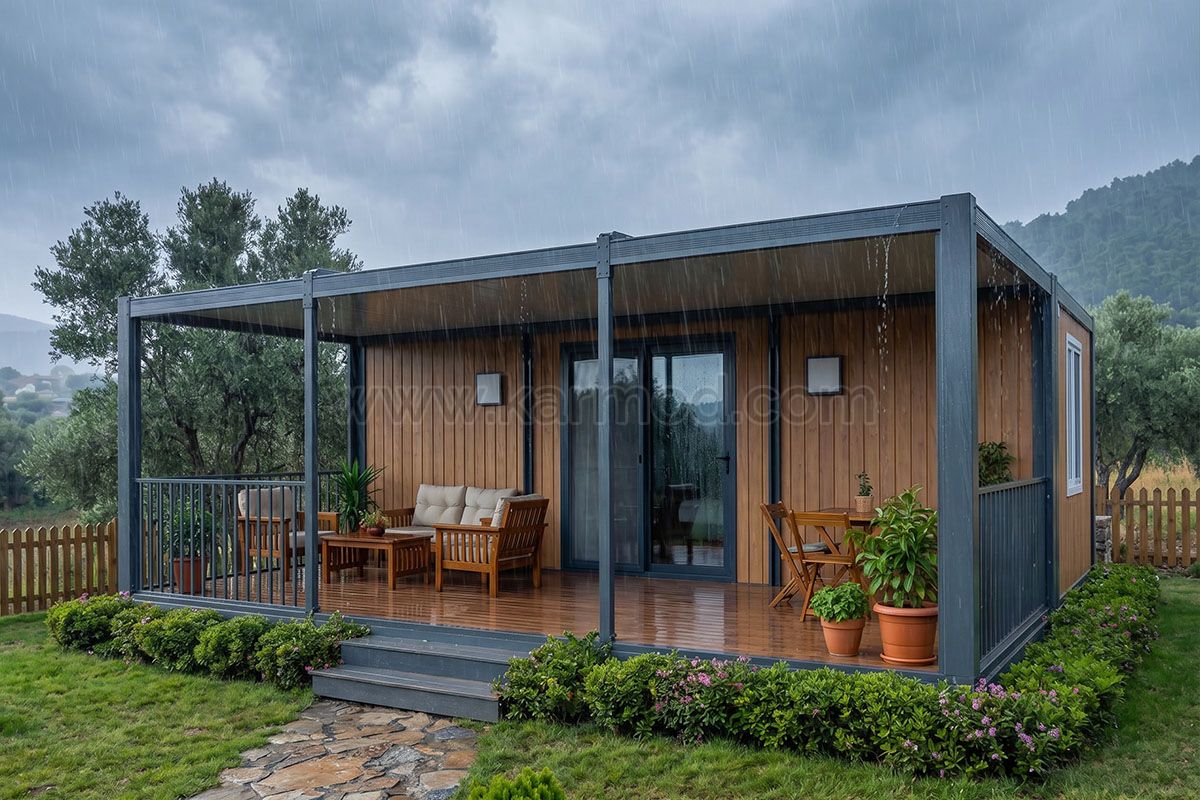
Traveling across Europe with a wheeled tiny house is not just a road trip; it’s a lifestyle choice. It blends freedom, simplicity, and smart living into one moving space. But as romantic as the idea sounds, the reality depends heavily on preparation. A well-planned tiny house tour feels effortless. A poorly planned one turns into a series of avoidable problems. This guide walks you through the real, practical steps—based on experience, not theory—to make your European journey smooth, safe, and genuinely enjoyable.
Before the engine starts, paperwork comes first. Europe is not a single legal zone when it comes to road regulations. Each country has its own rules regarding trailer dimensions, weight limits, towing licenses, and parking permissions. Ignoring this part can quickly turn a dream trip into a logistical headache.
Most European countries allow tiny houses on wheels as trailers, but strict limits apply. Total width, height, and maximum weight vary, and toll systems often classify your vehicle differently depending on combined weight. This directly affects costs and permitted routes. A tiny house designed within EU-standard trailer limits saves money, time, and stress at borders.
Equally important is parking and overnight stays. Wild camping laws differ dramatically from country to country. While some regions are relaxed, others enforce heavy fines. Planning approved parking spots, campsites, and private land agreements in advance gives peace of mind and keeps your trip enjoyable rather than tense.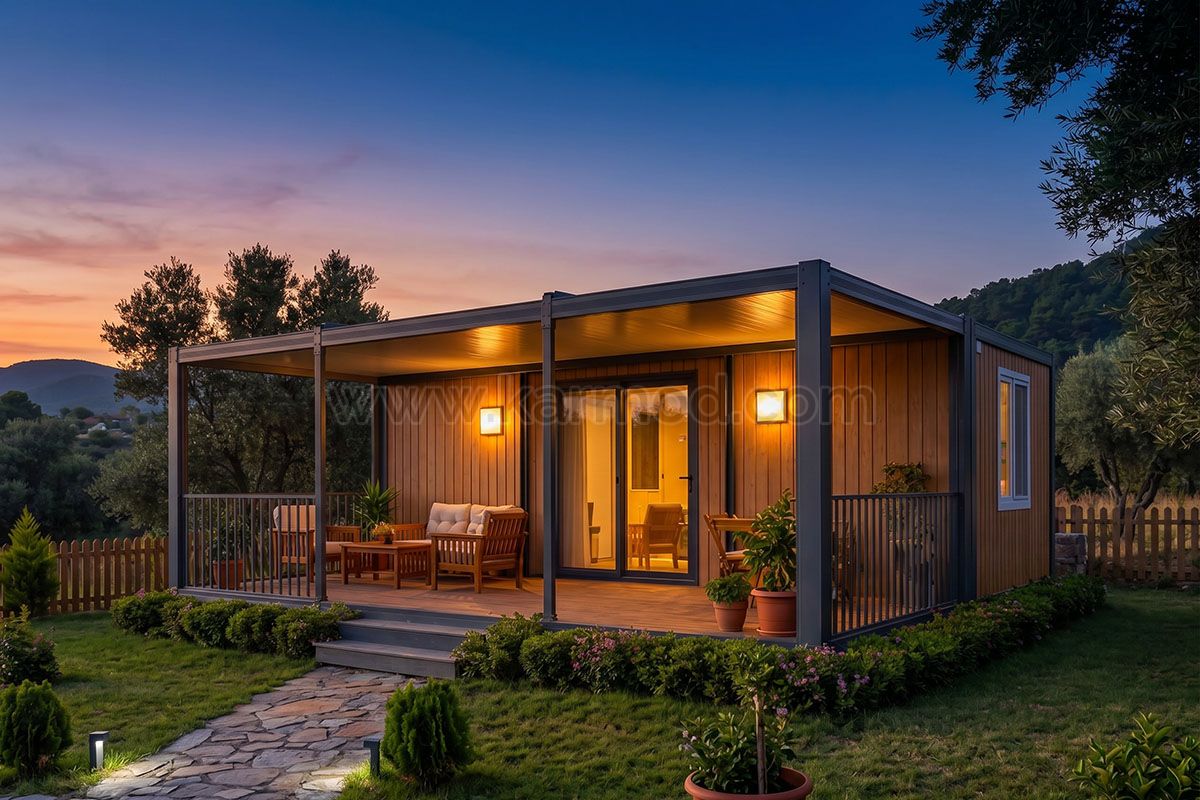
Not every tiny house is suited for a continental tour. A model that works perfectly in one location may struggle after thousands of kilometers. Structural integrity matters more than aesthetics when you’re crossing borders and climates.
A travel-ready wheeled tiny house must have a reinforced chassis, vibration-resistant connections, and lightweight but durable materials. Cabinets, appliances, and fixtures should be secured as if the house were a vehicle—because it is one. Poorly fixed interiors wear out fast on uneven roads.
Insulation also plays a major role. Europe offers everything from Mediterranean heat to alpine cold within the same journey. A well-insulated tiny house with proper ventilation keeps energy consumption low and comfort high. This is where professional manufacturing truly shows its value; experienced builders know how to balance weight, strength, and thermal performance.
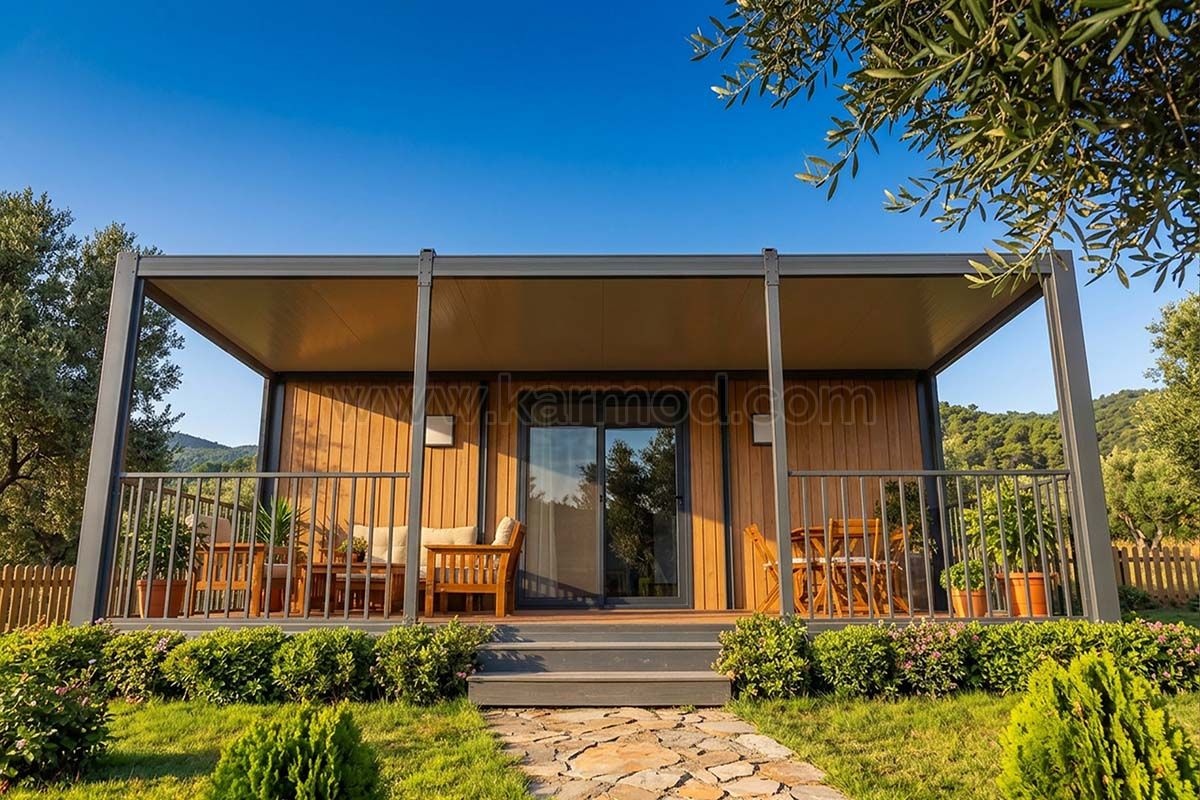
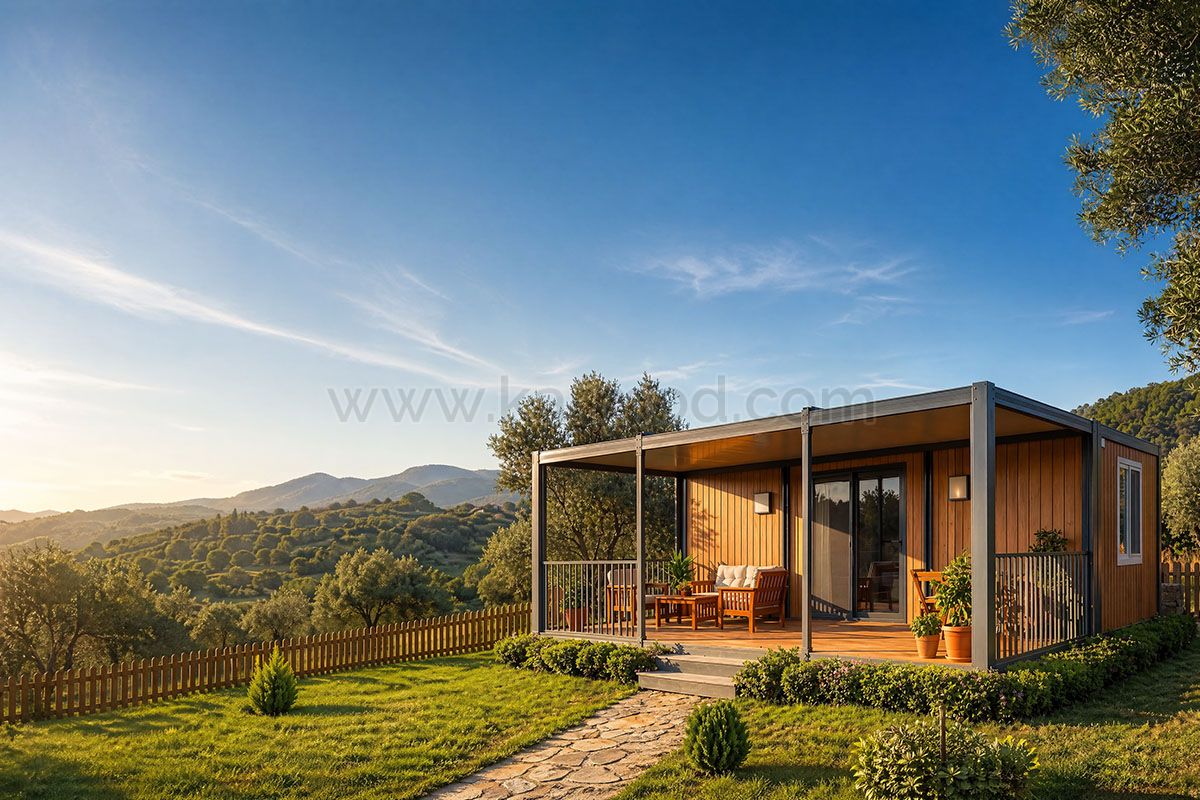
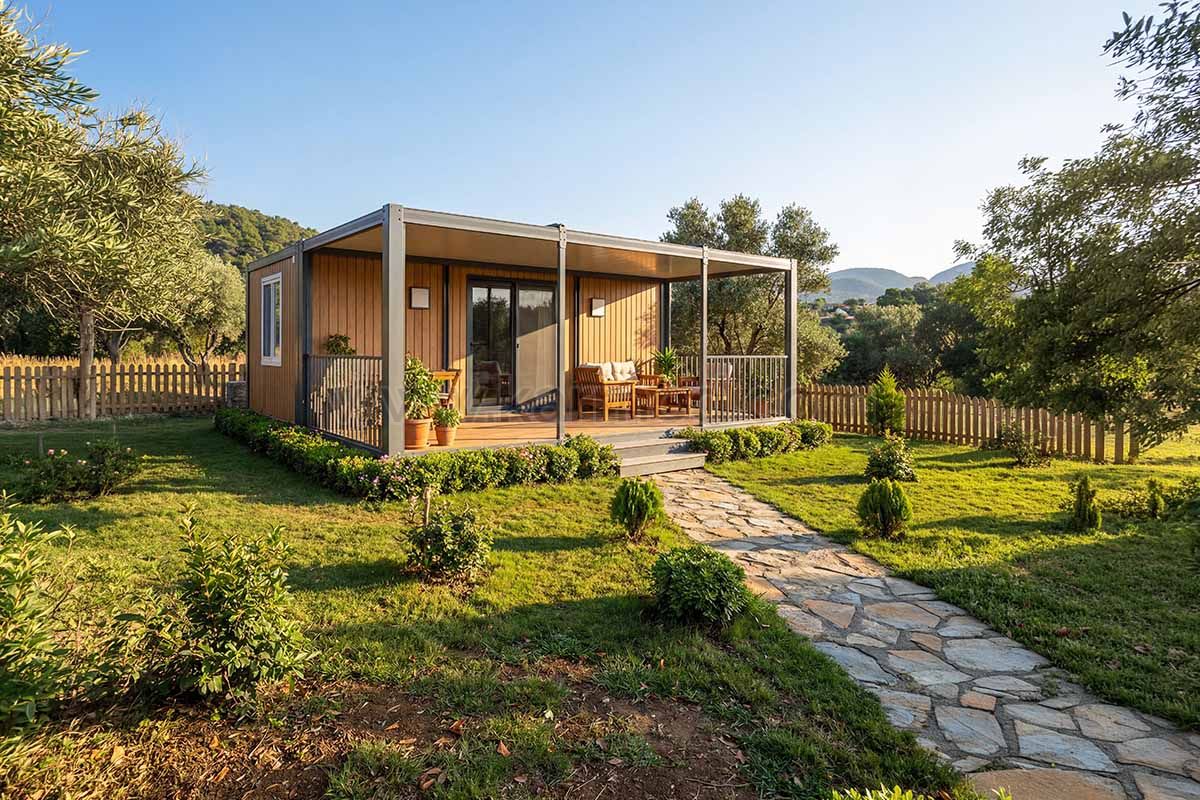
Independence is one of the biggest advantages of a wheeled tiny house, but only if utilities are planned correctly. Power, water, and waste systems must support off-grid living without constant compromises.
Solar panels combined with efficient battery storage are the most practical solution for long trips. They reduce campsite dependency and allow flexibility in remote areas. However, system sizing is critical. Underpowered setups lead to constant energy anxiety, while optimized systems provide silent, reliable comfort.
Water management deserves equal attention. Freshwater tanks, greywater storage, and composting or cassette toilets must comply with European environmental rules. Easy access for refilling and emptying saves hours over the course of a long tour and keeps daily life simple rather than restrictive.
Driving a tiny house across Europe is not the same as driving a campervan. Route planning must account for road width, bridge height limits, steep gradients, and tight village streets. Navigation apps alone are not enough.
Experienced tiny house travelers plan routes that favor highways and well-maintained secondary roads. Scenic detours are tempting, but some mountain roads or historic town centers are simply not trailer-friendly. Researching routes in advance prevents last-minute stress and risky maneuvers.
Timing also matters. Traveling outside peak tourist seasons reduces traffic, lowers campsite prices, and improves overall comfort. A flexible itinerary allows you to stay longer in places you love and move on quickly when conditions aren’t ideal.
Space inside a wheeled tiny house is precious, and weight distribution is critical for safe towing. Overloading one side or exceeding axle limits can cause handling problems and long-term structural damage.
Every item inside should earn its place. Multi-purpose furniture, modular storage, and built-in compartments help maintain order without clutter. Heavy items should be stored low and centered to keep the house stable on the road.
This is where thoughtful design meets real-life usability. Tiny houses built by professionals who understand travel behavior offer smarter layouts that feel larger, calmer, and easier to live in—especially during extended journeys.
Long-distance travel demands more than optimism. Proper insurance coverage is non-negotiable. This includes trailer insurance, vehicle insurance, and liability coverage that is valid across multiple European countries.
Security is another key factor. Reinforced doors, quality locks, and discreet exterior design reduce risks when parking overnight. Inside, fire extinguishers, smoke detectors, and carbon monoxide alarms should be standard, not optional.
Peace of mind comes from knowing your tiny house is built to handle the unexpected. Solid construction, tested systems, and responsive support from the manufacturer make all the difference when you’re far from home.
A European tiny house tour is only as good as the structure you’re traveling with. Professionally built wheeled tiny houses are designed with regulations, durability, and real-world use in mind. They save you from costly retrofits and unpleasant surprises down the road.
Working with an experienced ready-structure manufacturer means:
If you’re planning a journey like this, starting with the right tiny house is not an expense—it’s an investment in comfort, safety, and freedom.
A wheeled tiny house opens the door to a slower, richer way of exploring Europe. With the right preparation and the right structure, the road becomes home rather than an obstacle.
If you’re considering a custom-built wheeled tiny house designed specifically for long-distance European travel, now is the perfect time to explore your options. A well-designed model tailored to your route, lifestyle, and comfort expectations will turn your tour into an experience you’ll want to repeat—again and again.
When you’re ready, getting a professional consultation and a clear price offer is the smartest first step.
In order to serve you better, if you could kindly send an e-mail to info@karmod.com for questions and details about your theoretical and special architectural plans, projects, and product specifications, your request will be responded to as soon as possible.

From one end of the world to the other, we enable our customers to reach the ready-made construction sector produced with the new technology of the world. We guarantee reliability through technology and innovation, flexible commercial models and smart supply chain solutions that add value for you, following the project production network.
Discover
Karmod is one of the largest prefabricated construction companies in Turkey, with a production of 45,000 m2. produces high quality prefabs and prefab containers