EN
EN 


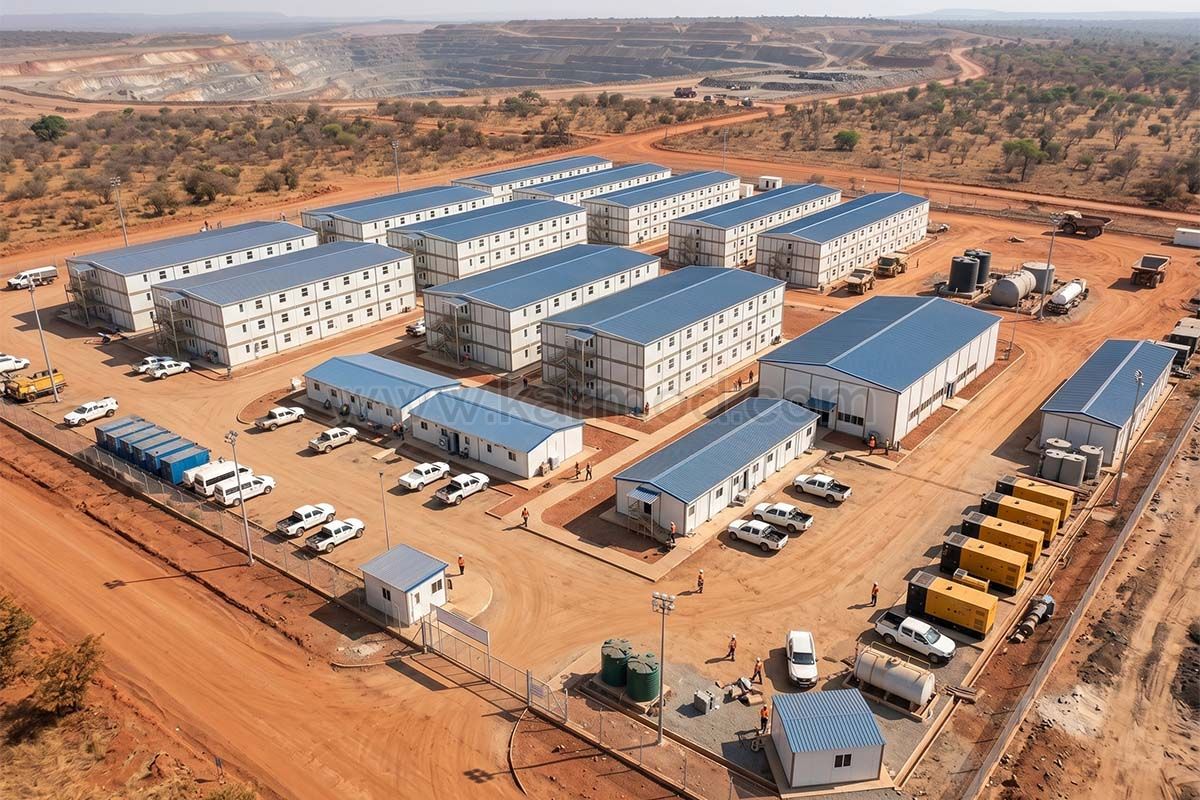
Zambia has long been recognized as one of Africa’s most important mining countries. With its rich copper reserves, expanding mineral exploration activities, and increasing interest from international investors, the country continues to play a strategic role in both the regional and global mining economy. As mining projects grow in scale and new operational areas are developed, the demand for reliable infrastructure becomes more critical than ever.
Mining infrastructure is not limited to extraction facilities, processing plants, transport routes, or energy systems. It also includes the living and working environments that support the people behind every successful mining operation. Engineers, technicians, machine operators, supervisors, contractors, administrative teams, and service personnel all require safe, functional, and comfortable spaces close to the worksite.
For Zambia’s mining industry, worker accommodation infrastructure is therefore a key part of operational continuity. When accommodation is planned properly, mining companies can mobilize their workforce faster, improve daily productivity, and create more stable site operations. When it is delayed or poorly designed, the consequences may appear in lower morale, increased fatigue, workforce turnover, and project inefficiencies.
Mining operations often take place in remote or developing regions where permanent housing, urban services, and public infrastructure may be limited. In such environments, mining companies must provide accommodation systems that can support the daily life of workers while also meeting the operational needs of the project.
A mining accommodation camp should be more than a temporary sleeping area. It should function as a complete living environment where workers can rest, eat, socialize, receive basic healthcare, and prepare for demanding shifts. The quality of this environment has a direct impact on performance, safety, motivation, and employee retention.
In Zambia, where mining continues to attract investment and exploration activity, the need for scalable accommodation solutions is becoming increasingly important. As workforce numbers change from one project phase to another, mining companies need infrastructure that can grow, adapt, and remain efficient over time. This is one of the main reasons why modular construction methods are becoming highly relevant for the sector.
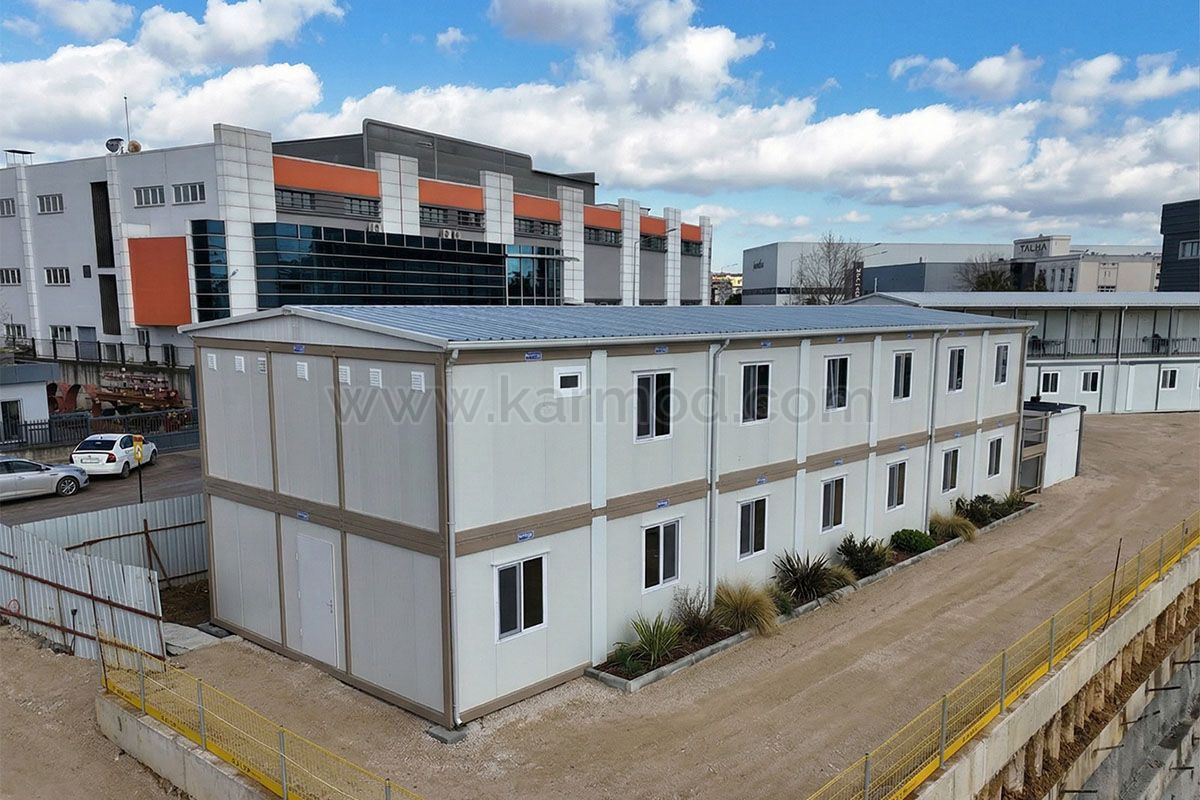
Conventional construction methods may be suitable for many permanent urban developments, but mining projects often present different conditions. Remote locations, limited access to materials, transportation difficulties, labor availability, weather-related delays, and changing project timelines can all make traditional construction more complex and less predictable.
For a mining company, time is a critical factor. If worker accommodation, site offices, sanitation buildings, or support facilities are not ready on schedule, workforce mobilization may be delayed. This can affect site preparation, contractor coordination, production planning, and overall project efficiency.
Another challenge is flexibility. Mining projects usually move through several stages, beginning with exploration and continuing through development, production, expansion, and sometimes relocation or downsizing. Fixed traditional buildings may not respond well to these changing requirements. Once built, they are difficult to expand, move, or repurpose without additional cost and disruption.
Modular construction offers a practical alternative to these challenges by creating buildings that are faster to install, easier to expand, and more suitable for changing mining operations.
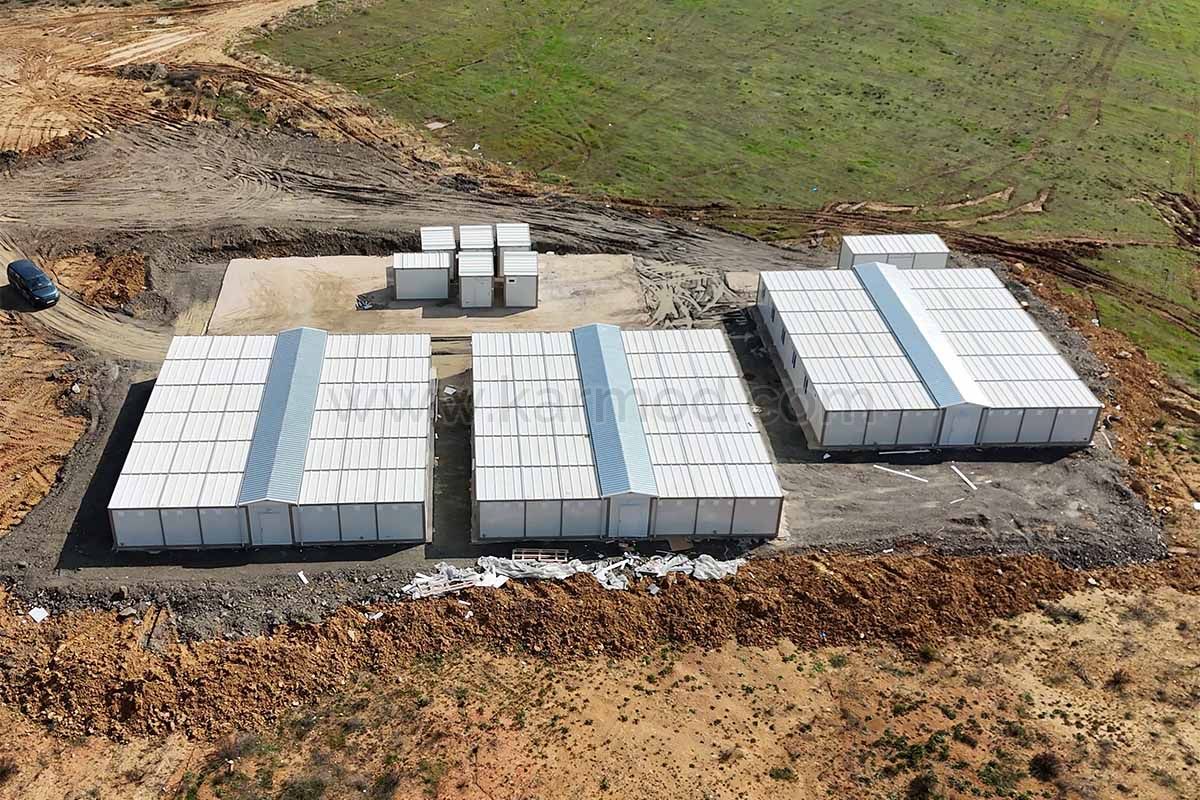
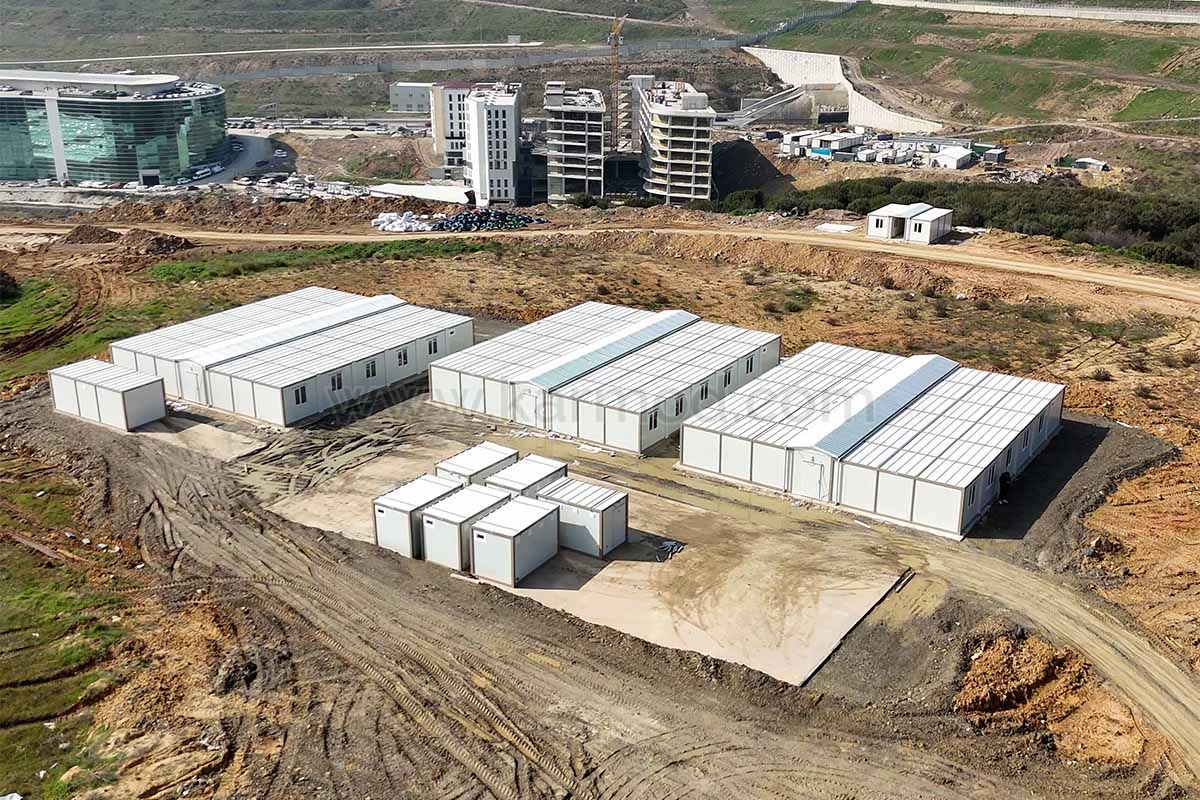
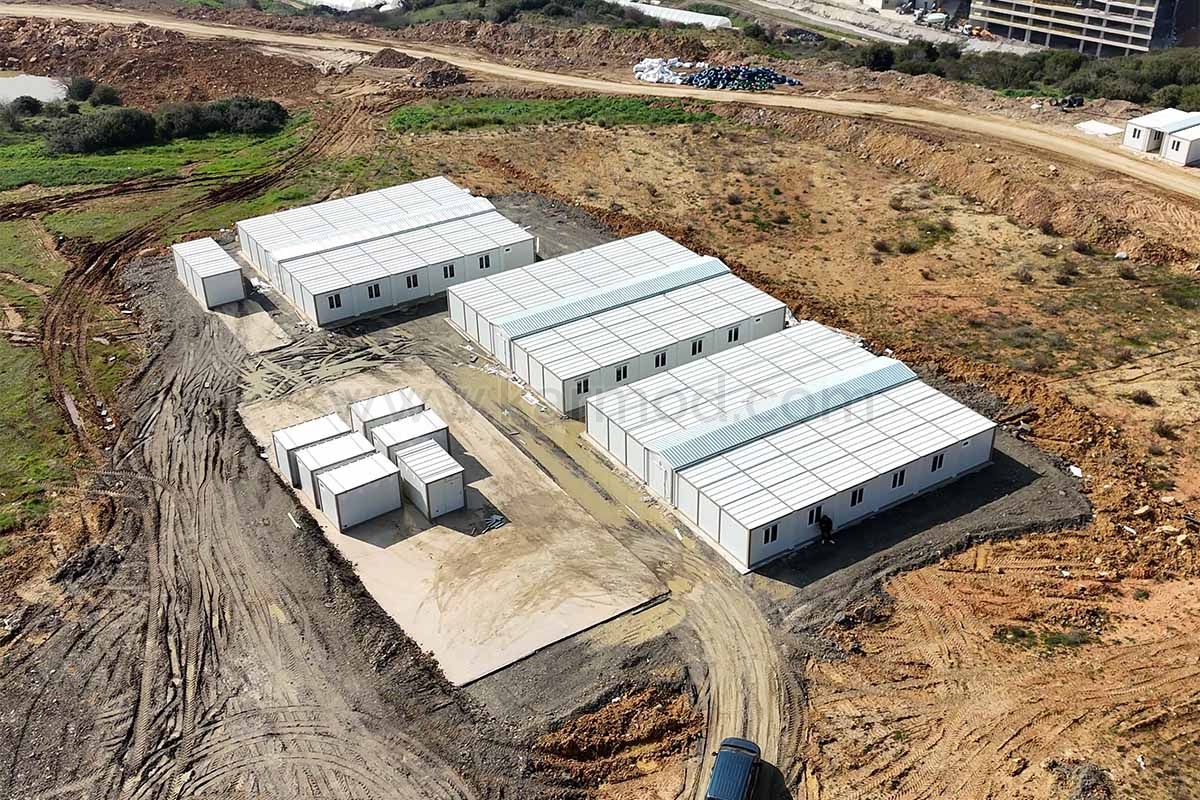
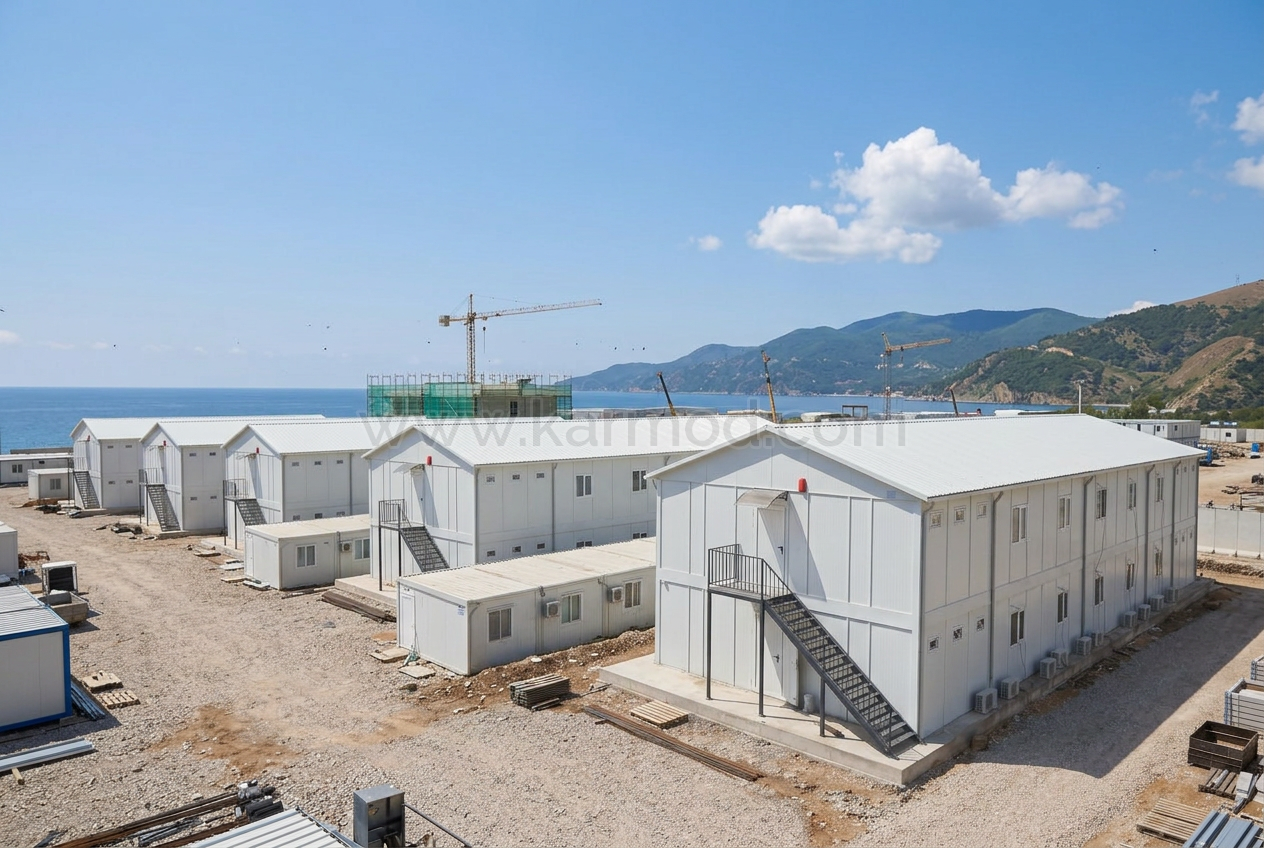
Modular construction is based on the production of building units or components in a controlled manufacturing environment. These units are then transported to the project site and assembled quickly. This method reduces the amount of work required on site and allows projects to be completed with greater speed and quality control.
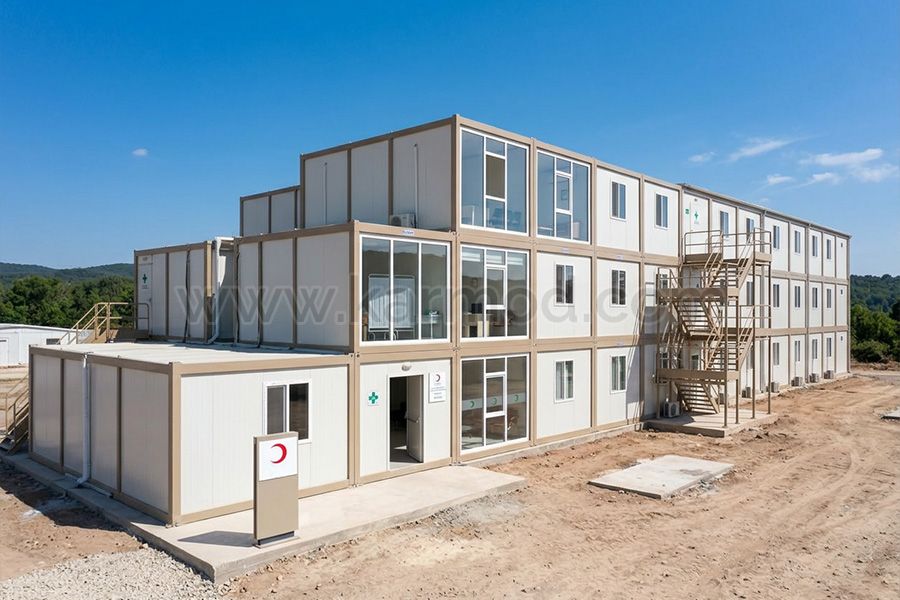
For mining companies operating in Zambia, this approach can provide significant advantages. Accommodation units, administrative offices, medical facilities, dining halls, kitchens, sanitary buildings, laundry areas, storage units, and technical service buildings can all be developed through modular systems. This allows mining camps to be planned as complete operational environments rather than isolated temporary structures.
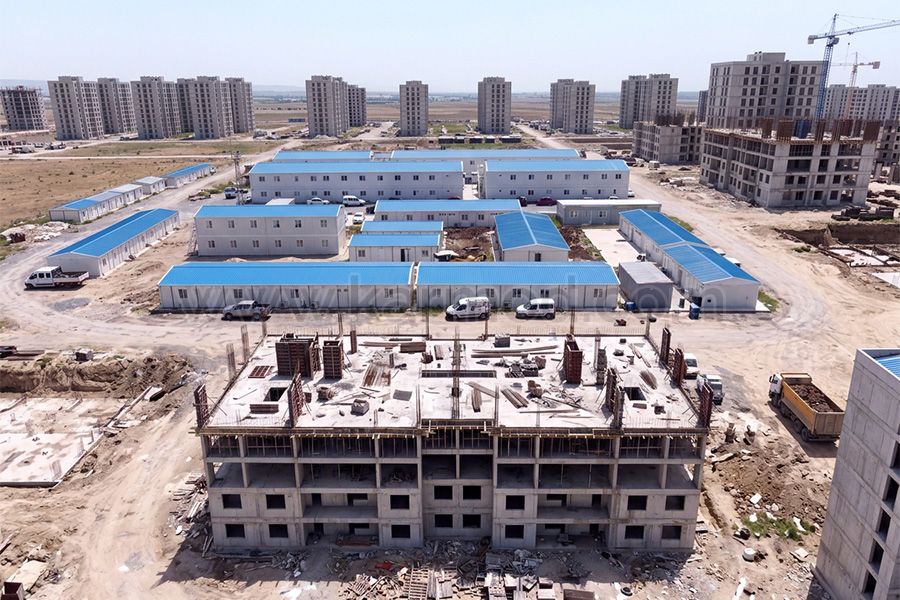
The speed of modular construction is especially valuable in mining projects where rapid workforce deployment is required. While traditional construction can be slowed down by site conditions and long building processes, modular buildings can be prepared more efficiently and installed in a shorter timeframe. This helps mining companies begin operations faster and manage project schedules with greater confidence.
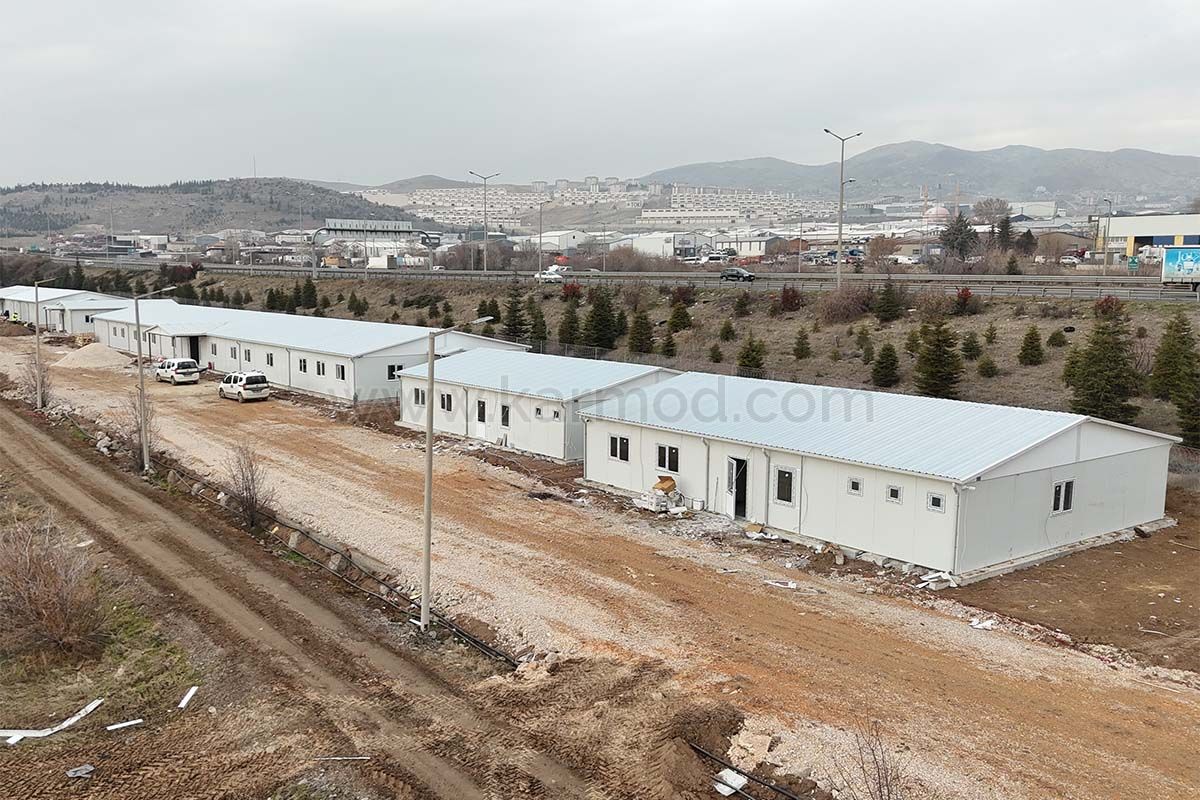
Worker comfort is one of the most important elements of mining accommodation infrastructure. Mining is physically demanding, and many employees work long shifts in challenging environments. After work, they need clean, safe, and comfortable spaces where they can rest properly and recover for the next shift.
Modular accommodation buildings can be designed to meet different workforce needs. They can include executive accommodation for senior personnel, shared rooms for technical teams, dormitory-style layouts for larger worker groups, and specialized units for supervisors or contractors. The internal layout can be adapted according to the project’s workforce structure and operational requirements.
Good accommodation design also supports hygiene, privacy, ventilation, thermal comfort, and practical daily use. Insulated building systems can help improve indoor comfort in Zambia’s varied climate conditions, while integrated electrical, plumbing, and air conditioning systems can create a more complete living environment. These features contribute not only to worker wellbeing, but also to productivity and workforce stability.
A successful mining camp requires more than bedrooms. It needs a full support system that allows workers and management teams to operate efficiently in remote locations. Modular construction makes it possible to create this type of integrated camp infrastructure with speed and consistency.
In a well-planned mining camp, accommodation buildings can be supported by site offices, training rooms, induction centers, clinics, dining areas, kitchens, shower and toilet blocks, laundry facilities, storage buildings, security cabins, maintenance units, recreation spaces, and prayer rooms. Each of these facilities contributes to the daily functionality of the camp.
When these buildings are designed together as part of a coordinated infrastructure plan, mining companies can create a more organized and efficient site environment. This approach helps improve workforce management, supports health and safety standards, and allows operational teams to work with better structure and control.
In order to serve you better, if you could kindly send an e-mail to info@karmod.com for questions and details about your theoretical and special architectural plans, projects, and product specifications, your request will be responded to as soon as possible.

From one end of the world to the other, we enable our customers to reach the ready-made construction sector produced with the new technology of the world. We guarantee reliability through technology and innovation, flexible commercial models and smart supply chain solutions that add value for you, following the project production network.
Discover
Karmod is one of the largest prefabricated construction companies in Turkey, with a production of 45,000 m2. produces high quality prefabs and prefab containers