EN
EN 


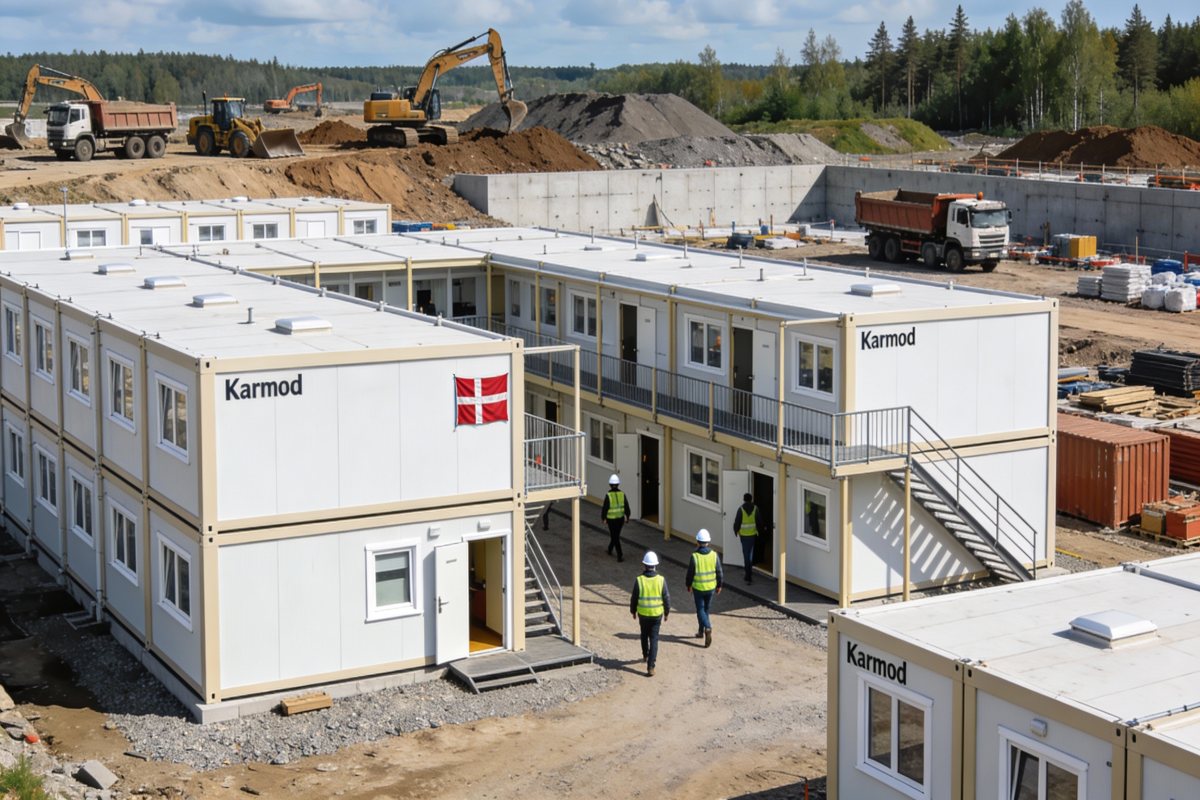
Denmark sits at the gateway between continental Europe and Scandinavia, shaped by low-lying coastlines, islands, and a strong maritime culture. Its oceanic climate brings frequent wind, high humidity, and cool seasons, while the economy is driven by advanced manufacturing, renewable energy, logistics, and a mature construction sector that values efficiency and environmental performance. In this setting, Denmark container buildings are increasingly considered alongside container homes and modular construction as practical, engineered solutions for fast delivery and consistent quality.
As projects across Denmark face tighter timelines, limited urban space, and demanding sustainability targets, prefabricated container systems provide a disciplined alternative to conventional builds. A well-designed container module can function as a standalone unit or as part of larger modular container buildings, supporting repeatable performance across multiple sites. This approach is especially relevant where exposure to coastal air and year-round moisture makes durability and envelope design critical.


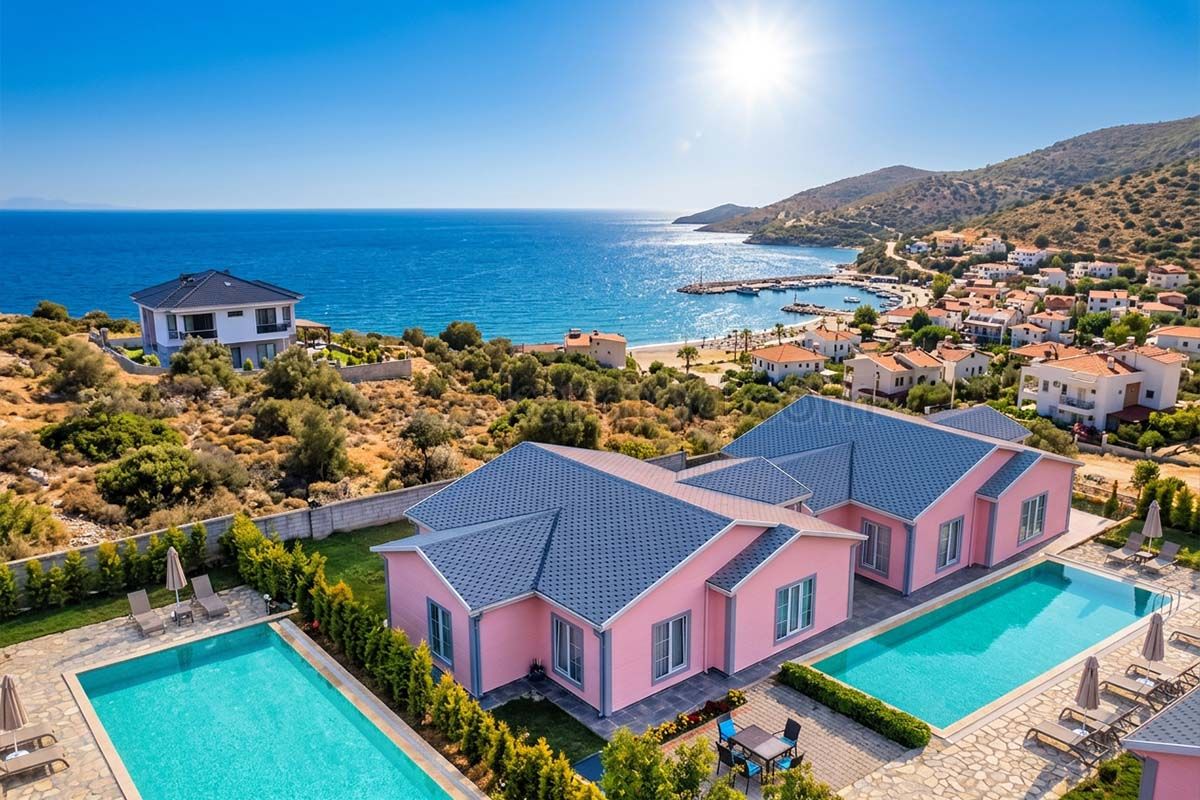
Denmark container homes align naturally with the country’s preference for purposeful design and resource efficiency. By rethinking shipping containers as structural modules, developers and private buyers can create compact or spacious layouts that are delivered faster than many traditional alternatives, while keeping workmanship consistent through factory-controlled production.
Sustainability is often the starting point. Reusing container structures can reduce demand for new raw materials, and many projects integrate energy-conscious choices such as high-performance insulation, airtight detailing, and efficient mechanical systems. When combined with responsible material selection for interiors and façades, Denmark container homes can support long-term environmental goals without sacrificing comfort.
Affordability is best understood as cost predictability. Factory fabrication limits weather disruption, reduces rework, and helps keep labor planning stable. For clients comparing options in urban areas like Copenhagen or Aarhus, modular container buildings can offer a clear route to controlled budgets and shorter project schedules.
Flexibility and modularity allow spaces to evolve. A Denmark container home can be planned as a starter unit and expanded later by adding modules for additional bedrooms, work areas, or shared living space. This modular approach is also suitable for staff accommodation, temporary housing needs, and mixed-use developments where phasing is important.
Climate suitability matters in Denmark’s humid, windy conditions. Climate-resistant container buildings typically require corrosion protection suitable for coastal environments, careful vapor and moisture management to prevent condensation, and ventilation strategies that maintain indoor air quality year-round. With the right envelope build-up, insulation thickness, and thermal-bridge control, container homes can remain comfortable through cold seasons while reducing heating demand.


For industrial and site-based operations, Denmark container storage solutions provide secure capacity that can be deployed quickly and relocated as needs change. In a country where logistics and maritime trade are central, container storage offers a familiar, standardized format that works across ports, distribution hubs, farms, and construction zones.
Mining and quarrying activities—though more limited than in some regions—still require rugged, lockable storage for tools, spare parts, and maintenance equipment. Containers support controlled access and can be positioned close to operations to reduce downtime.
Agriculture uses container storage for seasonal machinery, feed, packaging, and protected space for equipment that must stay dry. With insulation, ventilation, and tailored shelving, containers can function as organized micro-warehouses in rural areas where permanent structures may be impractical.
Logistics operators benefit from modular capacity for overflow inventory, secure staging areas, and temporary storage during peak cycles. Standardized sizes simplify transport planning, and units can be scaled up across multiple locations.
Construction sites consistently need durable storage for materials, tools, and sensitive components. Containers help protect equipment from theft and weather while keeping workflows efficient. Because they can move with the project, they reduce the need to rebuild storage infrastructure at each new site.
Durability and security are core advantages. Steel construction, reinforced doors, and configurable locking systems can be specified to match risk profiles. In Denmark’s coastal conditions, corrosion protection and robust exterior finishes are especially important to keep storage units dependable over long service periods. The relocation advantage supports changing site layouts and short-term projects without sacrificing control or protection.
In Denmark, reliability and engineering discipline often matter more than novelty. Karmod is frequently evaluated as a strong option for projects that require consistent manufacturing standards, repeatable module performance, and materials designed for challenging environments. Rather than positioning container systems as improvised structures, Karmod’s approach treats them as engineered building components—important for long-term performance in Denmark’s humid, wind-exposed climate.
Quality is reflected in structural integrity, joinery accuracy, and controlled production processes that reduce site variability. For climate-resistant container buildings, material choice and surface protection are critical: corrosion resistance, robust coatings, and well-detailed interfaces around openings help maintain durability, especially near coastal areas where salt exposure accelerates wear.
Customization is also practical in Denmark’s diverse use cases. From storage and technical rooms to accommodation and offices, prefabricated container systems can be configured around insulation levels, interior finishes, mechanical layouts, and façade treatments. This flexibility helps clients align the final solution with operational demands, local expectations, and project-specific constraints.
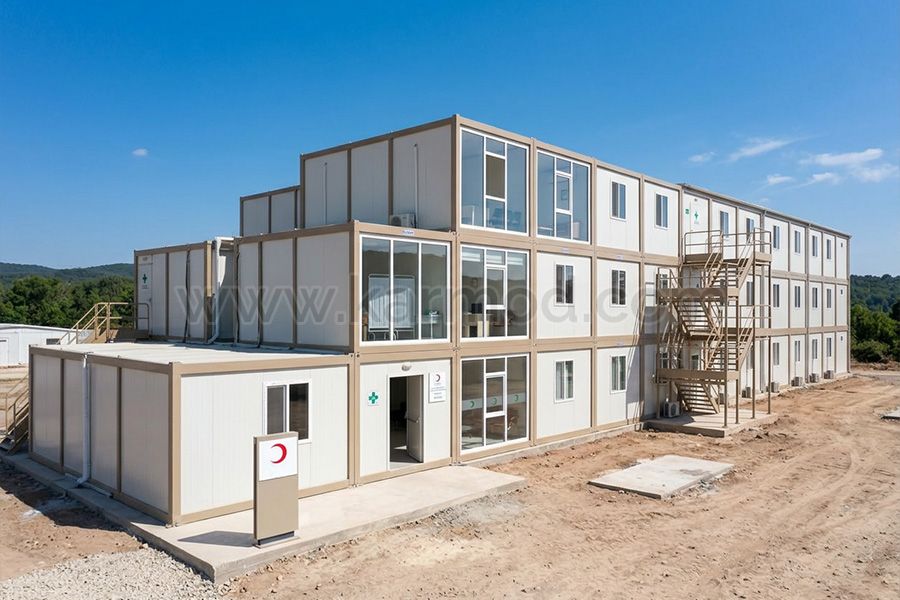
As Danish businesses adapt to changing work patterns and project-based operations, Denmark container offices offer functional space that can scale with minimal disruption. A properly designed container offices setup can serve as a site headquarters, a satellite branch, or a permanent modular office environment—delivered fast and installed with predictable planning.
Office flexibility comes from modular layouts: open work areas, meeting rooms, reception zones, and quiet rooms can be planned within single units or across multi-module configurations. For teams that grow or reorganize frequently, additional modules can be added without redesigning an entire building.
Scalability is a key operational benefit. Companies can start with a compact footprint and expand as staffing increases, while maintaining consistent build quality and building services integration. This approach is particularly useful for contractors, logistics firms, and industrial operations that require space near active sites.
Cost advantage is driven by shortened timelines and reduced on-site labor uncertainty. With appropriate insulation, ventilation, and acoustic detailing, Denmark container offices can support comfortable working conditions throughout the year, while the modular format allows relocation if business priorities change.


Denmark container buildings are also gaining relevance for commercial uses where speed, repeatability, and future expansion are priorities. Modular container buildings can support retail units, service facilities, showrooms, and business complexes—either as standalone structures or as phased developments that grow over time.
For commercial sites, prefabricated container systems allow clear scheduling and controlled manufacturing, reducing disruption in busy districts and minimizing weather-related delays. Interiors can be planned for customer flow, staff operations, and storage, while external finishes can be tailored to match surrounding architecture or branding requirements.
Modular expansion is particularly valuable for businesses that anticipate growth. Additional units can be added to increase floor area, create new customer zones, or integrate back-of-house functions without restarting the project from scratch.
Denmark container shop concepts support modern retail strategies that rely on agility. Pop-up shops can be deployed quickly for seasonal tourism, events, and market testing. Retail clusters—built from multiple modules—can create compact shopping environments with cafes, boutique units, and service points that can be reconfigured as tenant needs change.
Branding flexibility is a practical advantage: façades, signage zones, glazing, and interior finishes can be adapted to match each retailer’s identity. For multi-tenant clusters, standardized modules simplify maintenance while still allowing variation in frontage and customer experience.
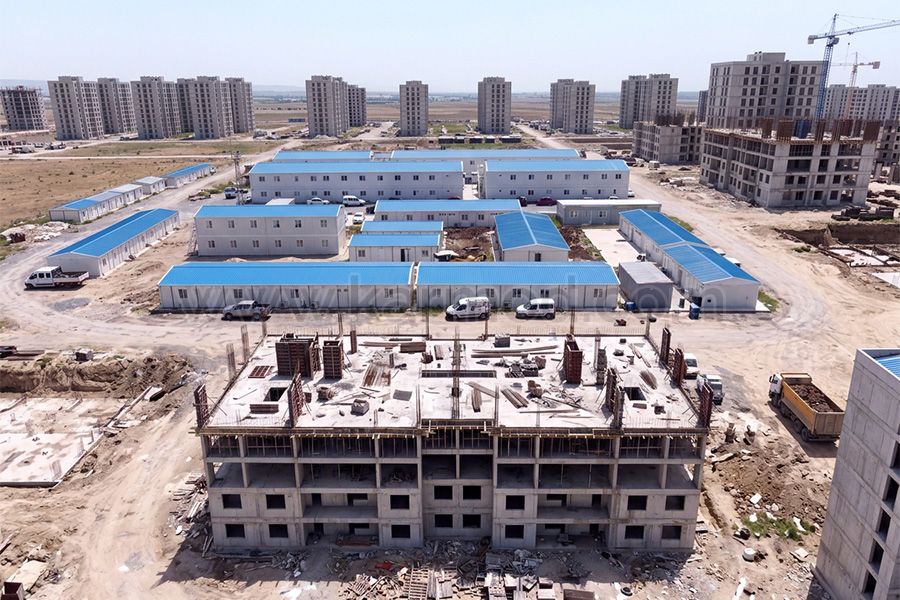
Denmark’s focus on efficient urban planning and sustainable development makes container-based multi-unit housing increasingly relevant in certain scenarios. Denmark container homes can be scaled into apartment formats that support infill projects, temporary housing during renovation cycles, or staff accommodation near industrial zones and logistics corridors.
Modular container buildings enable repeatable apartment layouts that can be assembled in phases, supporting staged delivery when land access or permitting constraints require a controlled rollout. Community layouts can incorporate shared courtyards, circulation corridors, and communal facilities, creating livable density without sacrificing usability.
To perform in Denmark’s climate, climate-resistant container buildings should prioritize moisture control, ventilation design, acoustic separation, and energy efficiency. These technical decisions are what differentiate a durable apartment solution from a short-term structure.
The value of container-based construction in Denmark extends beyond housing and business use. Modular container buildings and prefabricated container systems can support public and community infrastructure where speed, repeatability, and adaptability are essential.
Schools can add classrooms rapidly to manage capacity changes or renovation schedules, while maintaining consistent indoor comfort and standardized room dimensions.
Clinics and healthcare support spaces can be configured for consultation rooms, triage units, staff areas, and mobile outreach functions. With the right interior materials and building services planning, these units can be designed for reliable daily operation.
Community centers can use modular space for youth programs, training facilities, and neighborhood services. The ability to expand or relocate modules helps municipalities respond to changing demographics and urban development needs.
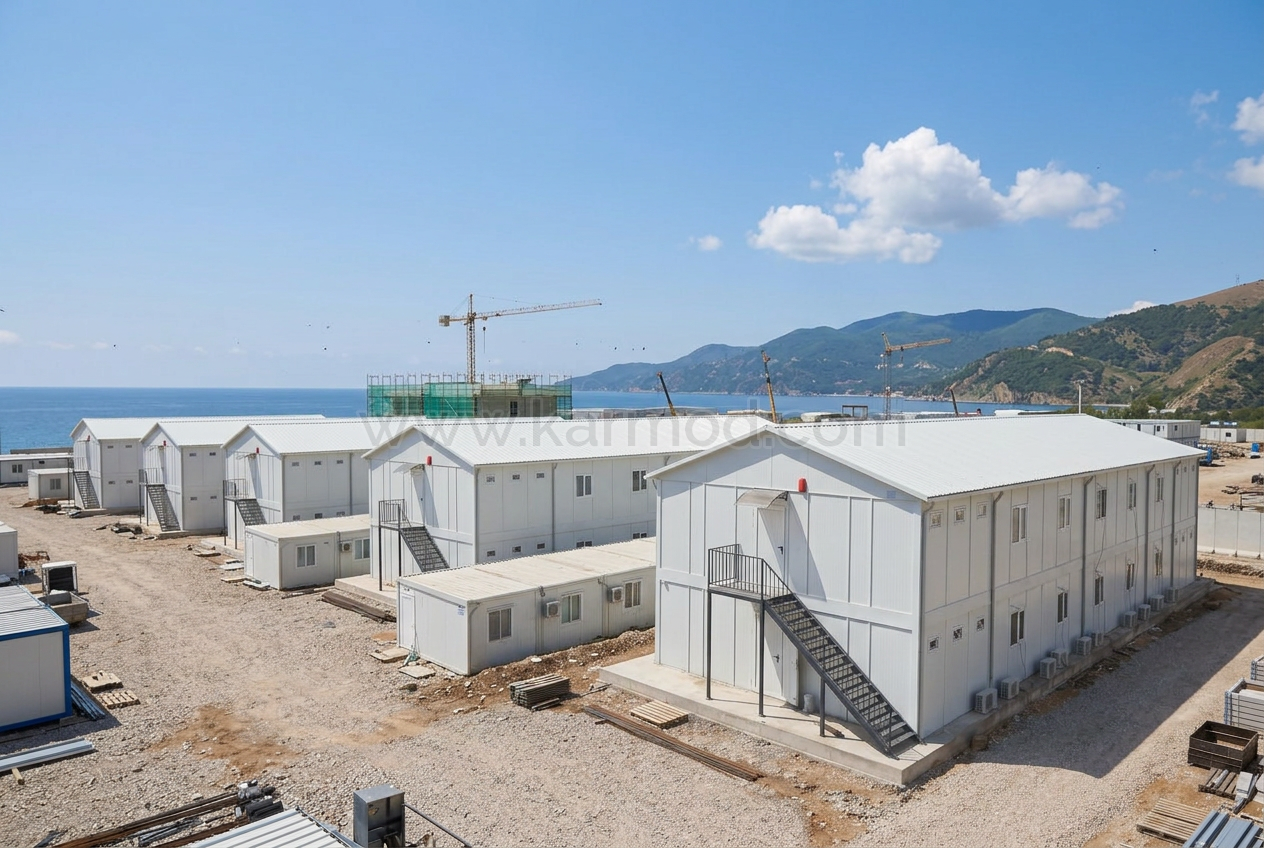
Public infrastructure projects often require technical rooms, site offices, and secure storage near active worksites. Combining Denmark container offices with Denmark container storage solutions creates integrated compounds that can be deployed quickly and adapted as projects progress.
Across these applications, the strongest outcomes come from disciplined engineering: corrosion protection suitable for maritime exposure, moisture management for humid conditions, and energy-focused envelope design. With those fundamentals in place, Denmark container buildings can deliver dependable performance with the flexibility demanded by modern projects.
In order to serve you better, if you could kindly send an e-mail to info@karmod.com for questions and details about your theoretical and special architectural plans, projects, and product specifications, your request will be responded to as soon as possible.

From one end of the world to the other, we enable our customers to reach the ready-made construction sector produced with the new technology of the world. We guarantee reliability through technology and innovation, flexible commercial models and smart supply chain solutions that add value for you, following the project production network.
Discover
Karmod is one of the largest prefabricated construction companies in Turkey, with a production of 45,000 m2. produces high quality prefabs and prefab containers