EN
EN 


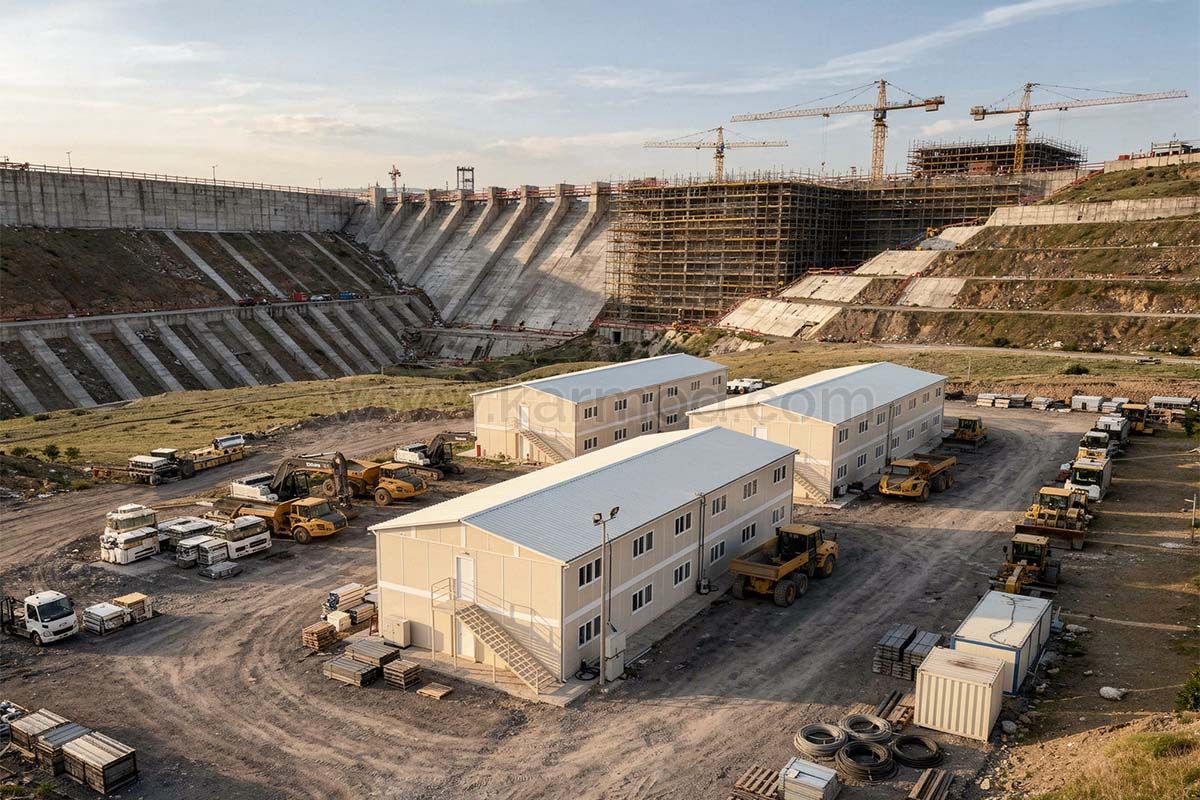
Dam construction projects usually take place in demanding locations such as river valleys, reservoir areas, mountain regions, rural zones, and remote infrastructure corridors. These sites often have limited access to existing accommodation, offices, dining areas, and worker welfare facilities. For this reason, a well-planned dam construction camp worker housing solution is essential before large-scale construction begins.
Dam Construction Worker Camps provide modular accommodation, site offices, kitchens, dining halls, sanitary units, storage spaces, first-aid rooms, security cabins, and welfare areas for construction teams. Because dam projects can continue for long periods and require large workforces, modular camp systems help contractors create a safe, organized, and expandable living environment near the project site.
A dam camp prefab system gives project teams the ability to establish worker facilities quickly in areas where permanent buildings may not be practical. Dam construction involves many different activities, including excavation, concrete works, embankment filling, spillway construction, tunnel works, road access, mechanical installation, and water control structures.
Each phase may require different teams and different levels of camp capacity. Modular buildings make this easier because accommodation units, offices, dining halls, and service buildings can be added as the workforce grows. When the project moves into a smaller phase, some units can be removed, relocated, or reused on another site.
This flexibility is especially valuable for remote dam sites where time, transportation, and site preparation are critical factors.
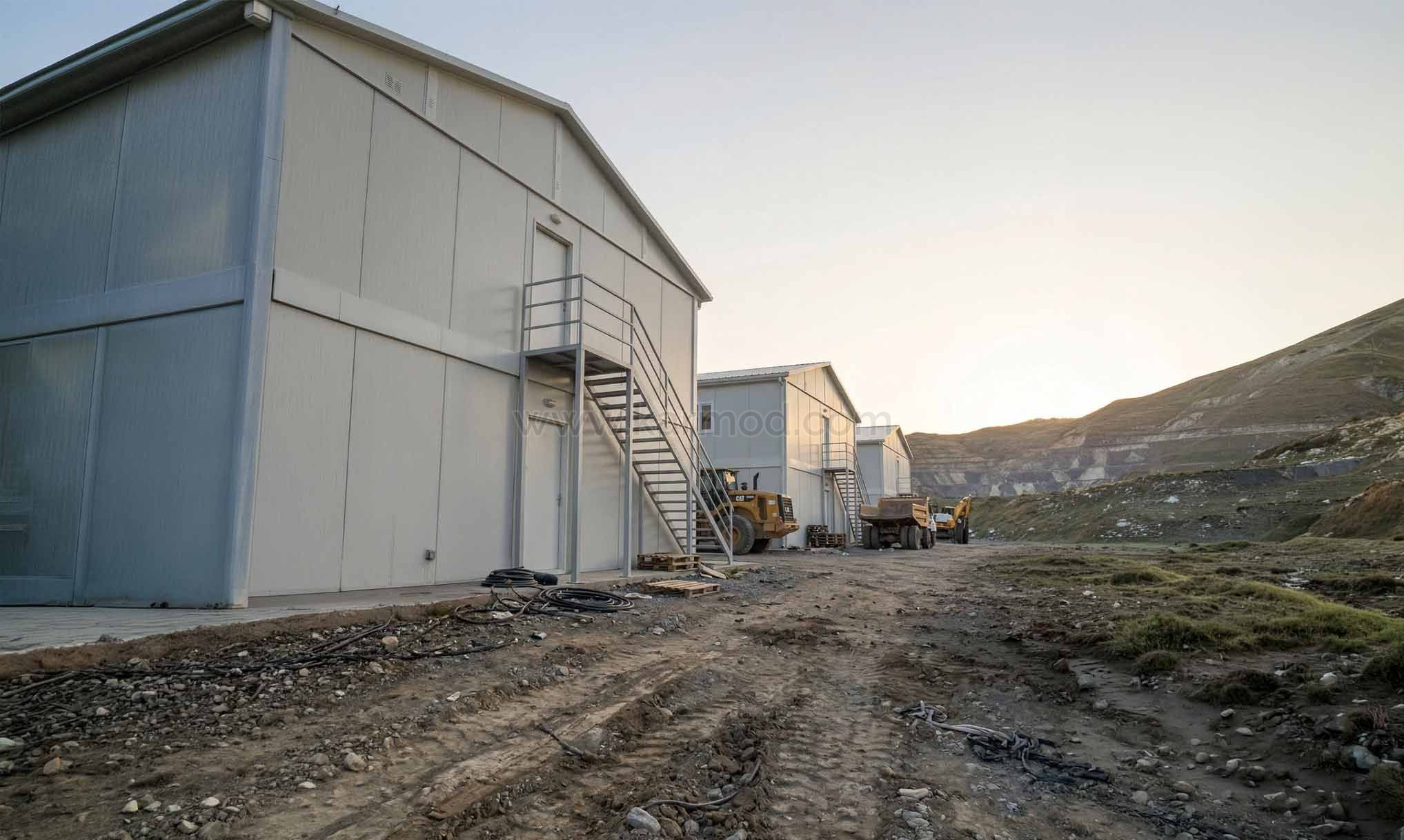
Reservoir construction housing must be planned around both worker comfort and site conditions. Dam sites are often located far from city centers, which means workers may need to stay near the construction area for long periods.
Accommodation units can include beds, lockers, lighting, ventilation, heating, cooling, electrical systems, and bathroom options. Depending on the project, rooms may be arranged for shared worker use, dormitory-style housing, or separate accommodation for engineers, supervisors, and technical staff.
A complete camp should also include dining areas, kitchens, laundry rooms, showers, toilets, recreation areas, first-aid rooms, and changing facilities. These spaces help workers rest properly after long shifts and support a stable daily routine throughout the project.
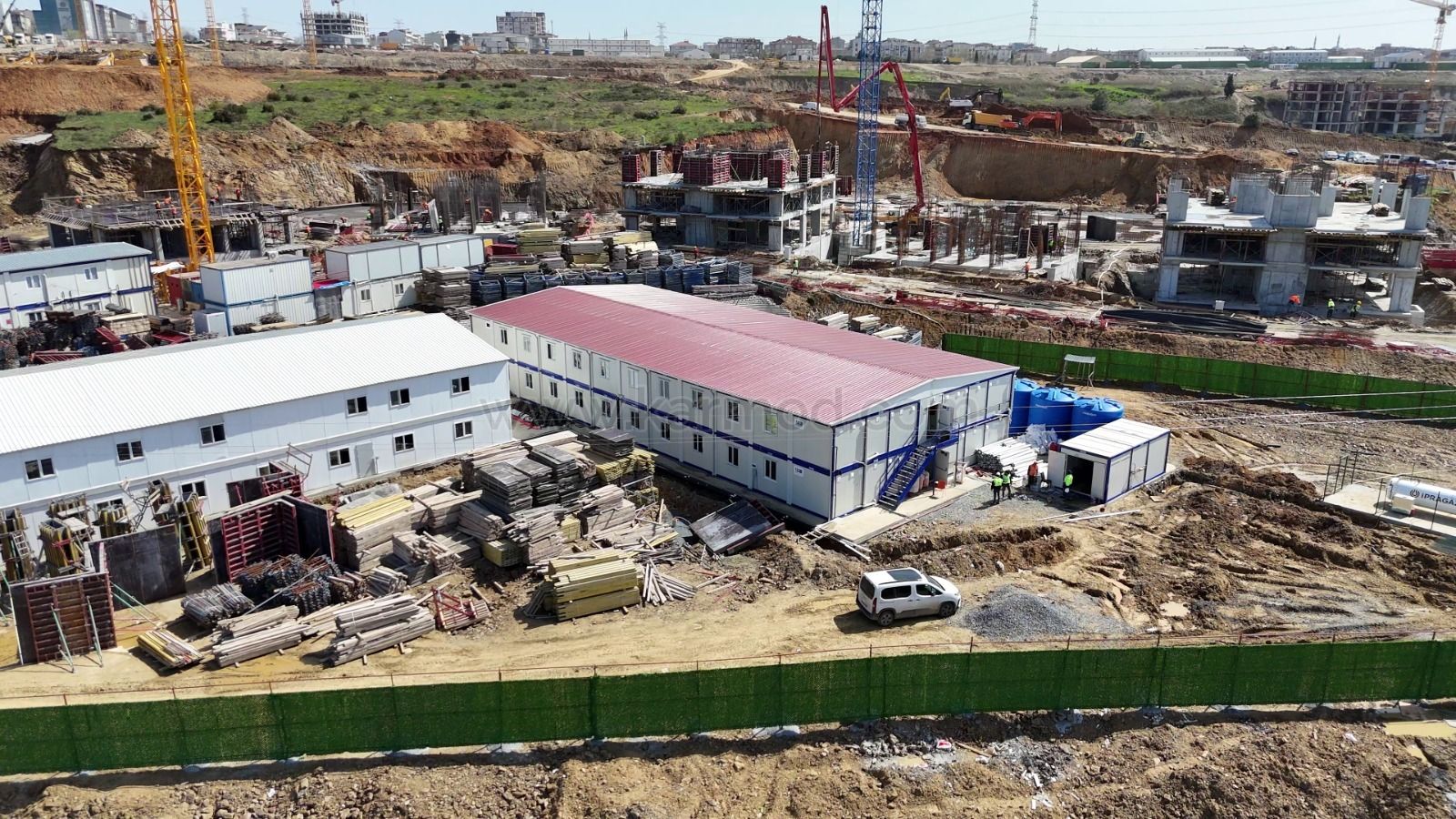
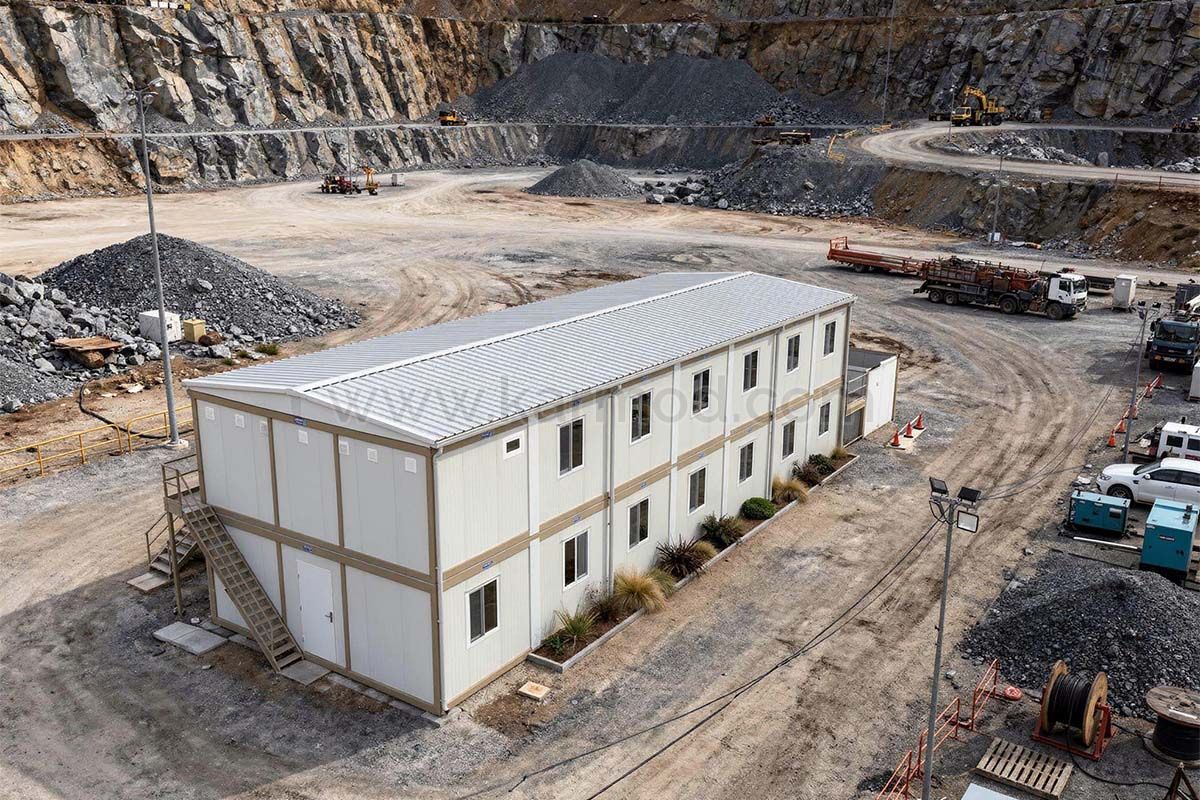
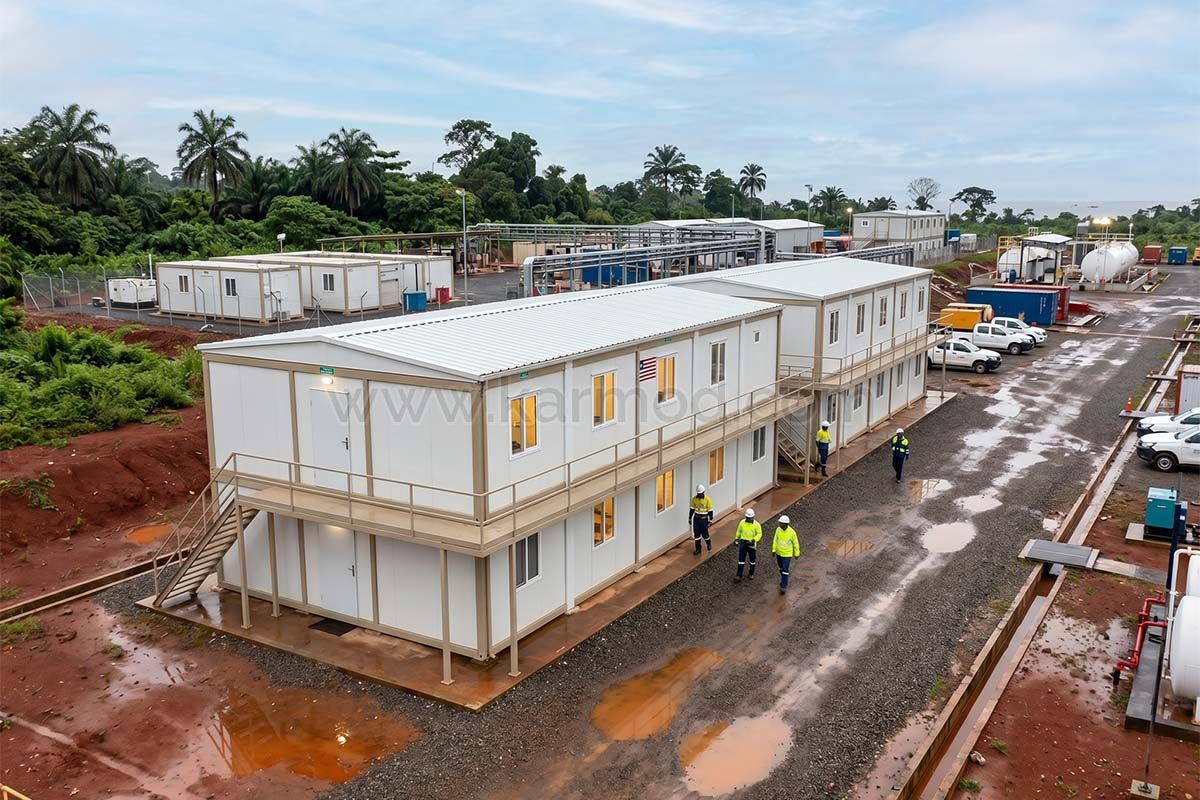
Dam project worker accommodation should be designed according to workforce size, project duration, construction phases, climate, and available land. A small irrigation dam camp may need only a limited number of accommodation and office units, while a major hydroelectric or reservoir project may require a large camp with hundreds of beds and multiple support buildings.
The layout should separate sleeping areas from heavy vehicle routes, material storage zones, fuel areas, and active construction points. Clear pedestrian paths, lighting, emergency access, and controlled entry points help create a safer camp environment.
For long-term projects, worker welfare becomes even more important. Clean rooms, reliable food service, proper sanitation, medical support, and recreation areas can improve morale and reduce fatigue during demanding construction periods.
An embankment dam camp must support teams working on earthworks, material hauling, compaction, drainage layers, slope protection, and quality control. These activities involve heavy equipment, large material movements, and continuous site coordination.
Modular offices can be used by engineers, survey teams, safety officers, quality inspectors, and site managers. Storage containers can hold tools, protective equipment, testing devices, spare parts, and small machinery. Dining halls, sanitary units, laundry rooms, and rest areas can be positioned close enough for daily use while remaining safely separated from active construction zones.
Because embankment dam projects often require large volumes of soil, rock, or aggregate, camp placement should also consider haul roads, dust exposure, noise, and vehicle circulation.
Concrete dam site housing supports workers involved in formwork, reinforcement, concrete batching, pouring, curing, inspection, and mechanical installation. These works may continue in shifts, especially during intensive construction periods.
The camp should provide reliable accommodation and welfare areas for workers returning from physically demanding tasks. Shower units, laundry rooms, changing areas, dining halls, and medical rooms are particularly important in concrete dam projects because workers may be exposed to dust, cement materials, moisture, and heavy site activity.
Office buildings can also support technical documentation, concrete quality records, laboratory coordination, daily reporting, and contractor meetings. A well-organized camp helps keep site management and field operations connected throughout the project.
Dam camps often face difficult logistics. Access roads may be narrow, steep, temporary, or affected by rain and seasonal changes. Transporting modular units, food, water, fuel, equipment, and maintenance supplies requires careful planning before camp installation.
Environmental planning is also important because many dam camps are located near rivers, streams, reservoirs, forests, or agricultural land. Wastewater management, solid waste storage, fuel handling, drainage, erosion control, and clean water supply must be planned carefully to reduce environmental impact.
For an irrigation dam camp or a large reservoir project, the camp design should consider flood risk, river level changes, soil stability, protected areas, and local permit requirements. Proper planning helps the camp operate safely while supporting environmental compliance.
In order to serve you better, if you could kindly send an e-mail to info@karmod.com for questions and details about your theoretical and special architectural plans, projects, and product specifications, your request will be responded to as soon as possible.

From one end of the world to the other, we enable our customers to reach the ready-made construction sector produced with the new technology of the world. We guarantee reliability through technology and innovation, flexible commercial models and smart supply chain solutions that add value for you, following the project production network.
Discover
Karmod is one of the largest prefabricated construction companies in Turkey, with a production of 45,000 m2. produces high quality prefabs and prefab containers