EN
EN 


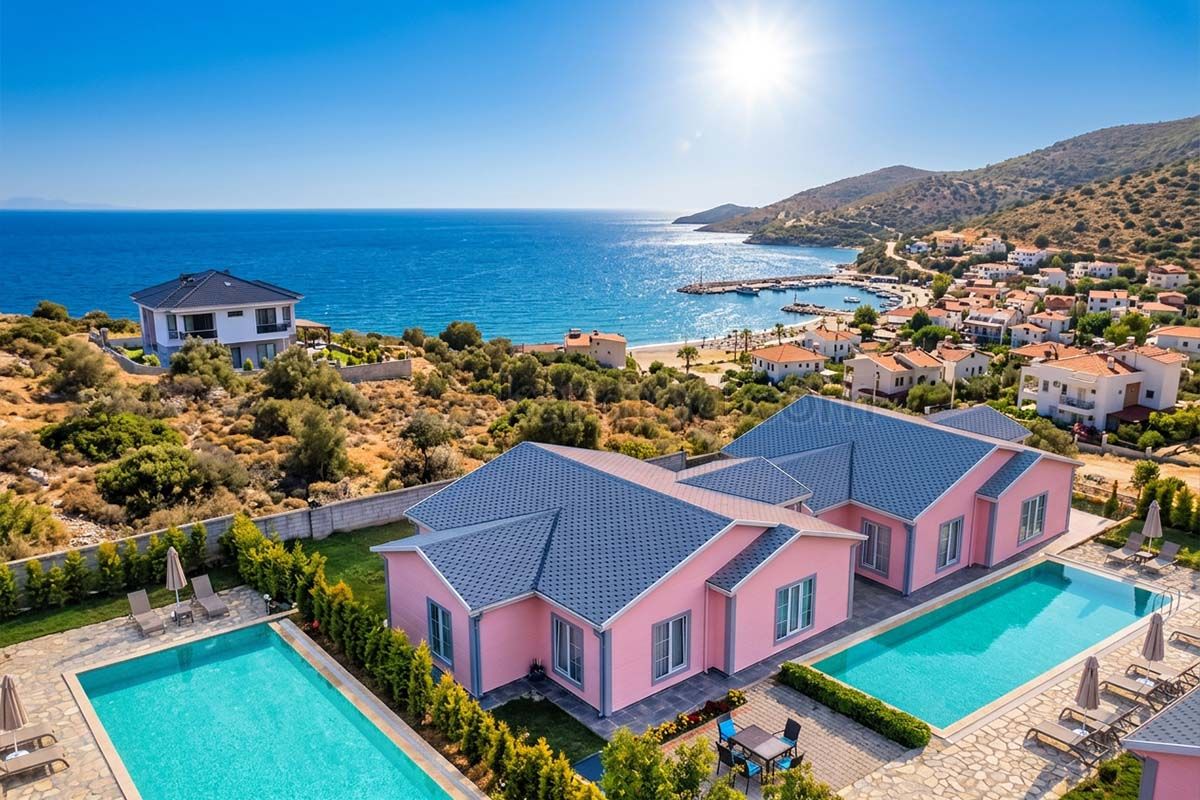
Croatia sits at the crossroads of Central and Southeast Europe, stretching from the Adriatic coastline to the Dinaric Alps and the inland plains of Slavonia. This geographic variety brings equally varied climate conditions—salt-laden coastal humidity and hot summers along the sea, colder winters and temperature swings inland—which directly shape how fast, durable, and relocatable buildings should be planned for business operations.
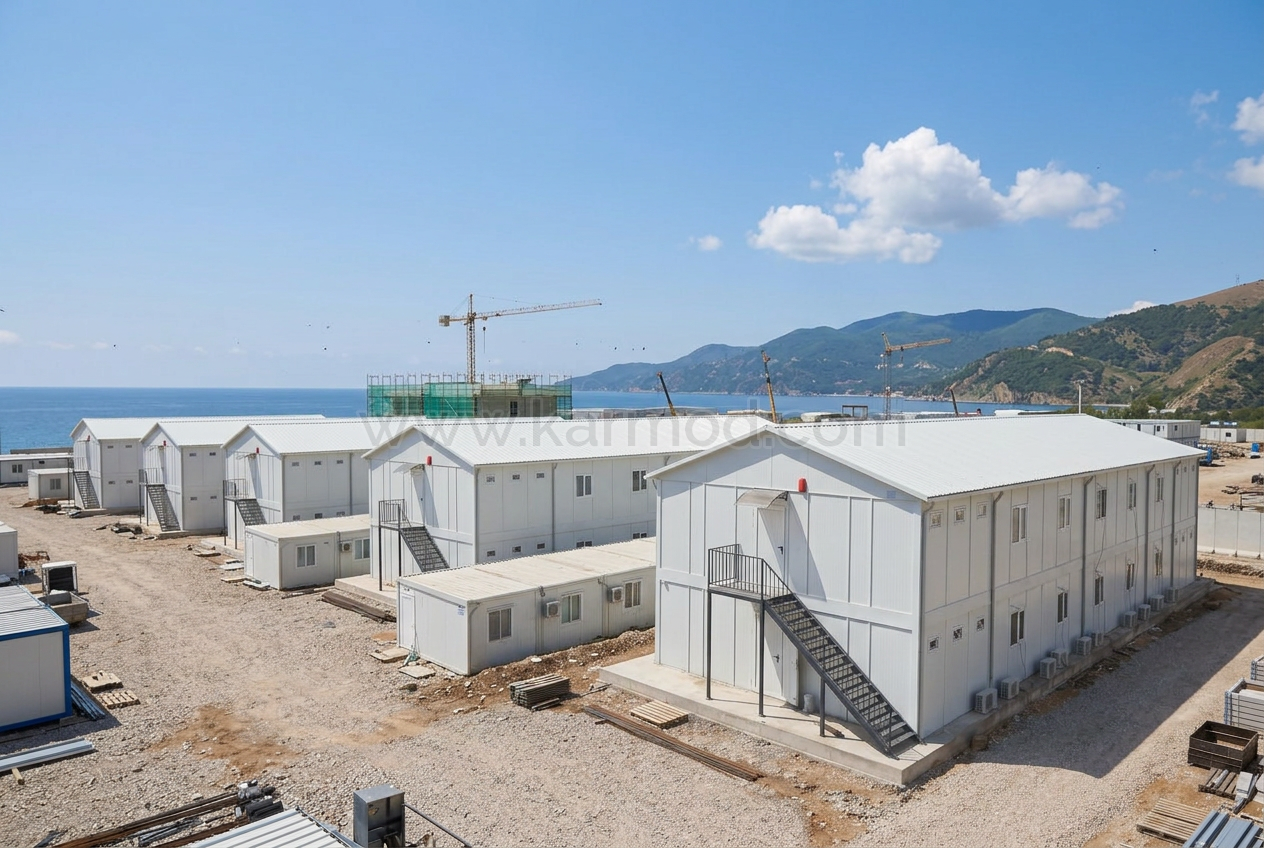
For international contractors, developers, and project owners, containers have become a practical building platform across Croatia’s growing tourism infrastructure, port-driven logistics, industrial zones, and construction corridors. Modern container buildings can be delivered quickly, standardized for repeatable quality, and configured as container homes, container offices, or storage units—making them a strong fit for modular construction strategies where timelines, compliance, and operational continuity matter.


Croatia container homes are increasingly evaluated as a smart response to fluctuating land costs, seasonal accommodation needs, and the demand for efficient construction in coastal and inland regions alike. The strength of modular container buildings is that they optimize usable space without locking owners into a single layout. Units can be arranged as compact single-level residences, stacked for multi-storey capacity, or expanded over time as requirements change.
Sustainability is also practical here, not a slogan. By rethinking steel modules as residential shells, Croatia container homes can reduce on-site waste and shorten the disruptive phases of traditional construction. When combined with high-performance insulation, controlled ventilation, and smart window placement, prefabricated container systems can support comfortable interiors while addressing regional needs—managing coastal humidity and salt exposure near the Adriatic, and supporting thermal stability during colder inland winters.
Affordability is best understood as predictability. Instead of open-ended site variables, container-based residential projects benefit from standardized production, controlled detailing, and repeatable assembly steps. This helps decision-makers plan budgets and schedules with greater certainty, especially when projects must align with tourism calendars, workforce deployments, or phased development plans.
Flexibility is where container homes stand out most. Interior partitions, wet-area modules, façade finishes, and building services can be selected to match local expectations and project performance targets. With climate-resistant container buildings, the goal is long-term reliability: corrosion protection strategies for maritime conditions, robust roof detailing for rain events, and insulation systems designed for both summer heat and winter cold.


As Croatia continues to strengthen its role in Adriatic logistics and regional trade, the need for secure, relocatable storage is expanding across ports, industrial areas, and construction supply chains. Croatia container storage solutions offer a controlled, lockable environment for tools, spare parts, inventory, and sensitive materials—without waiting for permanent warehouse build-outs or committing to fixed layouts that may not match changing project phases.
Mining and quarrying operations require storage that can be transported close to extraction points, secured after hours, and positioned to reduce internal handling time. In these environments, modular container buildings configured for storage can be reinforced with heavy-duty flooring, optimized access points, and robust locking systems to reduce operational risk.
Agriculture in regions such as Slavonia benefits from storage that can follow seasonal workflows—secure housing for equipment, small machinery, irrigation components, packaging materials, and maintenance supplies. Because units can be relocated, the same asset can serve multiple sites over the year, improving utilization and controlling costs.
Logistics and freight-related businesses rely on predictable storage capacity that scales with demand. Croatia container storage solutions can be deployed as single units for local distribution points or arranged as multi-unit compounds for higher throughput. Their modular nature supports step-by-step expansion, helping businesses align storage investment with actual growth rather than overbuilding from day one.
On construction sites, secure storage is often the difference between schedule stability and daily disruption. Climate-resistant container buildings used as storage help protect materials from rain, coastal humidity, and dust, while the relocation advantage supports project turnover—moving units from one site to the next as teams mobilize.
Selecting a container manufacturer for Croatia is less about a single product and more about engineering consistency—how well details perform across coastal and inland climates, how reliably components fit during installation, and how effectively the building system supports real operational constraints. Karmod approaches Croatia container buildings with a focus on production discipline and long-term performance, prioritizing stable structural design, careful material selection, and repeatable quality checks.
For climate-resistant container buildings, durability starts with protective strategies: corrosion-resistant approaches for maritime air, façade and roof detailing that manages wind-driven rain, and insulation assemblies designed to maintain comfort without excessive energy demand. This matters for decision-makers who need assets to stay serviceable through multiple relocations or long operating cycles.
Customization is most valuable when it is controlled. Karmod’s modular approach supports project-specific layouts—different openings, interior zoning, mechanical and electrical planning, and finish selections—while keeping the underlying system coherent. The result is a predictable build process that supports procurement planning, transport coordination, and site installation without unnecessary complexity.
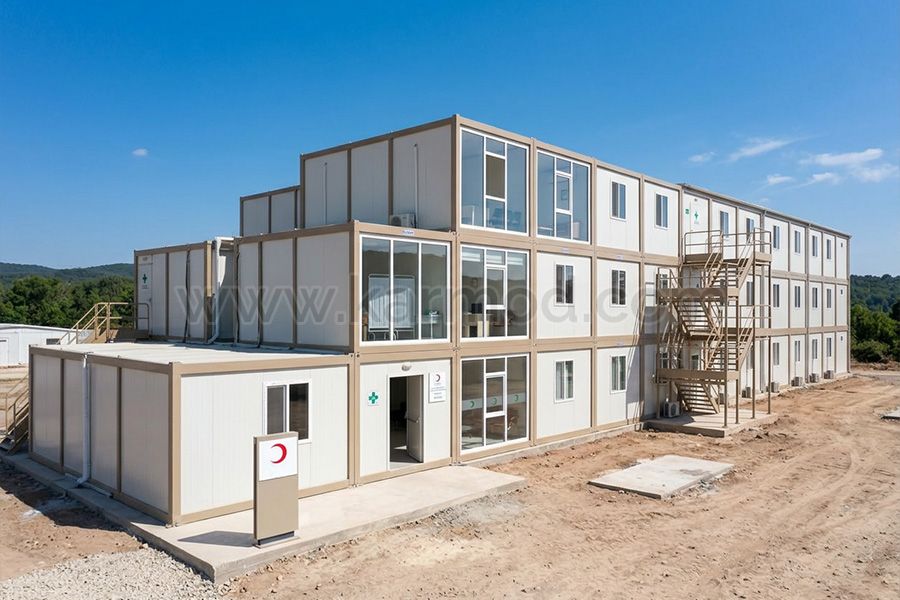
Across Croatia’s ports, infrastructure upgrades, energy projects, and industrial development zones, Croatia container offices provide an efficient way to establish operational space quickly while maintaining professional working conditions. A container office can serve as a site management hub, meeting room suite, supervision space, or administrative block—delivered and installed with far less disruption than conventional construction.
Office flexibility is central to the value proposition. Interior plans can be configured for open workstations, private offices, reception, technical rooms, and welfare areas depending on operational requirements. For projects that move between locations, container offices also protect continuity by allowing the same workplace to be relocated rather than rebuilt.
Scalability supports growth. Croatia container offices can start as a single module and expand into multi-unit office complexes by adding meeting rooms, training spaces, or dedicated departments as headcount increases. This is particularly useful for phased construction programs or seasonal operations that need capacity changes without structural overcommitment.
The cost advantage is tied to time and predictability. Prefabricated container systems shorten the path from procurement to usable space, which reduces downtime and helps teams begin work sooner. This faster commissioning can translate into measurable project efficiency—especially when access windows, permits, or workforce schedules are tight.


Croatia container buildings are not limited to temporary site facilities. For many businesses, container-based commercial buildings offer a practical way to launch or expand operations with controlled schedules and modular growth built into the design. Whether the goal is a small service building, a customer-facing facility, or a multi-function complex, modular container buildings can be planned to meet performance requirements while remaining adaptable to future change.
Commercial layouts can be arranged as linear storefronts, courtyard-style service hubs, or stacked compositions that maximize tight urban plots. Prefabricated container systems also simplify multi-phase expansion: the building can begin with core functions and later add additional modules for new services, storage, staff facilities, or customer flow improvements.
For business complexes, the modular approach supports consistency across multiple locations. Companies that operate across regions can deploy standardized building typologies—similar office layouts, standardized service points, and repeatable branding elements—while still tailoring façade and interior finish choices to local context and customer expectations.
Retail environments in Croatia often face seasonal peaks, tourism-driven location changes, and the need for rapid setup in high-footfall areas. Croatia container shop innovations provide a scalable platform for pop-up shops, branded kiosks, and compact stores where speed and design control are essential. Units can be configured with display windows, secure back-of-house storage, and customer-friendly entry layouts, supporting a professional retail presence without long build programs.
Retail clusters are another practical model. Multiple container shops can be grouped into curated marketplaces or retail villages—useful for events, waterfront promenades, transit-adjacent areas, and developing urban zones. Branding flexibility is built into the approach: façade treatments, signage integration, interior finishes, and lighting layouts can align the container shop with premium brand standards while keeping future relocation and reconfiguration on the table.
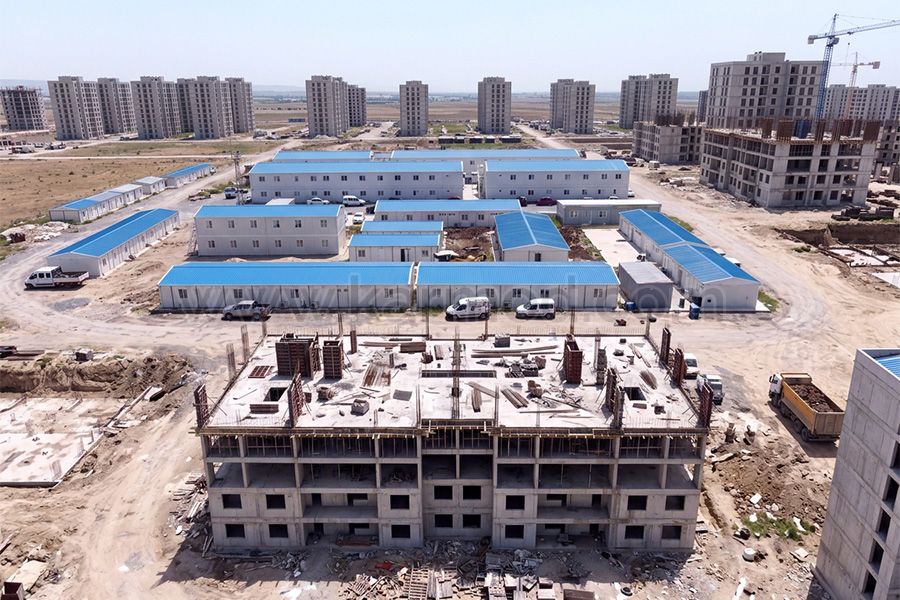
In cities where housing demand, workforce mobility, and redevelopment pressures intersect, Croatia container apartment dreams are increasingly discussed as an alternative pathway for compact, well-planned residential capacity. Container apartments can be designed as studio and one-bedroom units, combined into larger family layouts, or stacked into multi-storey residential blocks with shared circulation and community spaces.
Where housing shortages push timelines and budgets, modular container buildings can support faster delivery of livable units while maintaining consistent construction quality. With careful acoustic detailing, thermal performance planning, and durable exterior systems, climate-resistant container buildings can provide long-term usability rather than short-term fixes—especially when integrated into community layouts that include shared courtyards, stair cores, and service infrastructure.
For public and private stakeholders, the advantage is a phased model: start with a manageable unit count, validate operations and occupancy performance, and expand with additional modules as demand is confirmed. This approach aligns investment with real-world usage and reduces the risk of overbuilding.
Beyond residential and commercial applications, Croatia container buildings support practical public infrastructure where speed, resilience, and replicable delivery matter. Modular solutions can be deployed as classrooms and training rooms, local clinics and triage points, community centers, and administrative support buildings—especially when communities need facilities quickly or when existing buildings require renovation without stopping public services.
For schools, modular container buildings can add capacity during population shifts or campus upgrades, providing standardized learning environments with controlled insulation, ventilation planning, and daylight strategies. For clinics and healthcare support points, prefabricated container systems enable functional zoning—waiting, consultation, staff areas, and storage—while simplifying installation logistics.
Community centers, sports support buildings, and public service units also benefit from modularity, allowing municipalities and operators to scale facilities based on real demand. With climate-resistant container buildings engineered for Croatia’s coastal humidity and inland seasonal shifts, these projects can be planned as durable assets that remain adaptable as community needs evolve.
In order to serve you better, if you could kindly send an e-mail to info@karmod.com for questions and details about your theoretical and special architectural plans, projects, and product specifications, your request will be responded to as soon as possible.

From one end of the world to the other, we enable our customers to reach the ready-made construction sector produced with the new technology of the world. We guarantee reliability through technology and innovation, flexible commercial models and smart supply chain solutions that add value for you, following the project production network.
Discover
Karmod is one of the largest prefabricated construction companies in Turkey, with a production of 45,000 m2. produces high quality prefabs and prefab containers