EN
EN 


Zambia, characterized by wide open landscapes, varied terrain, and a strong focus on long-term development, provides a practical environment for container homes. These steel-based residences offer an efficient alternative to conventional housing by combining durability, adaptability, and controlled construction quality. Suitable for both expanding urban areas and remote regions, container homes respond well to Zambia’s climatic conditions and evolving housing needs.
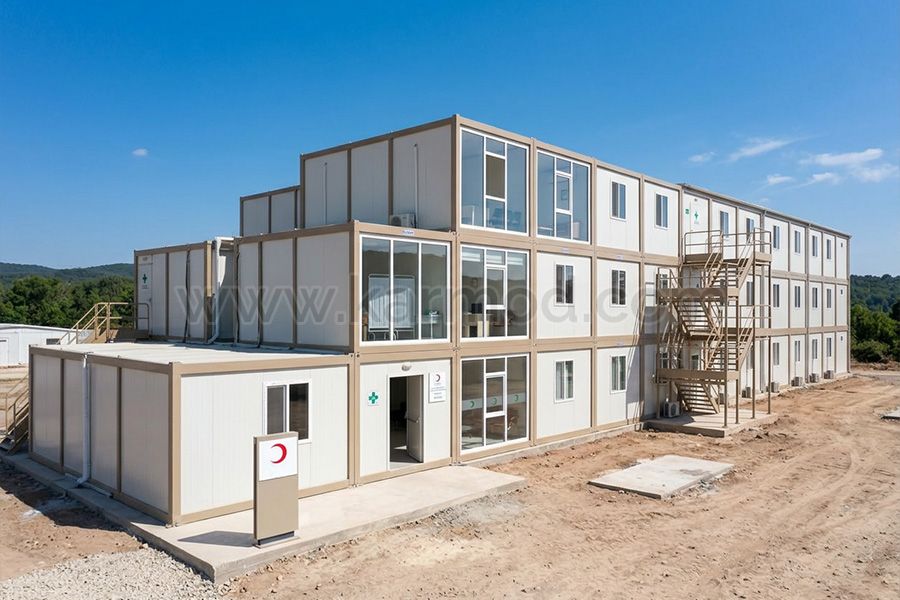
Shipping container homes in Zambia are valued for their structural strength and resilience. Built from heavy-duty steel units, they are capable of handling high temperatures, seasonal rainfall, and long-term use with minimal structural wear. When supported by appropriate insulation and ventilation solutions, container houses provide comfortable living conditions while maintaining a compact and efficient footprint.
Karmod develops container homes with a clear focus on functional planning and long-term usability. Interior layouts are designed to support daily living needs, while exterior structures prioritize durability and low maintenance. From compact starter homes to larger family-oriented layouts, container-based housing can be adapted to different residential and investment goals across Zambia.


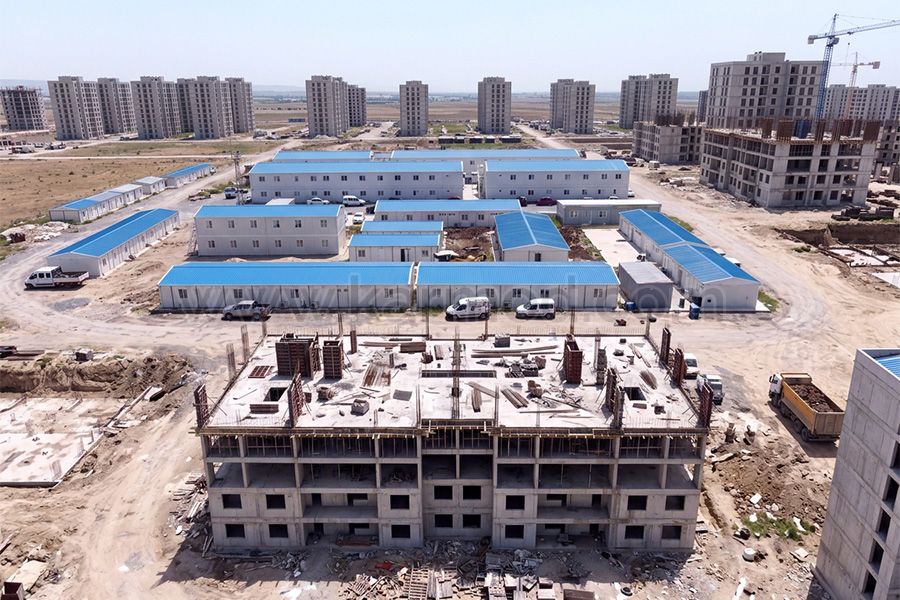
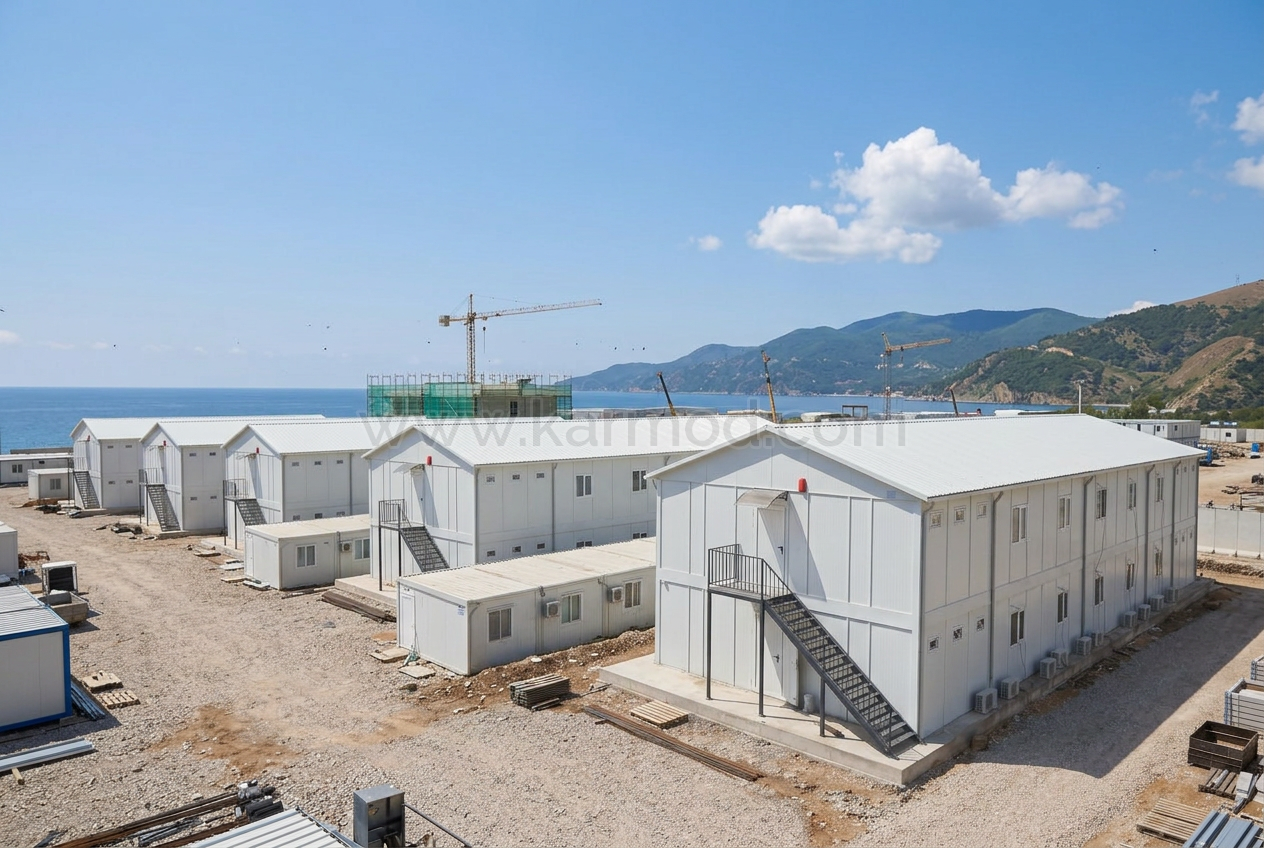
A key advantage of container homes in Zambia is the speed and predictability of the construction process. Production and preparation are carried out in a controlled environment, reducing delays caused by weather or site limitations. This approach allows projects to be completed efficiently, supporting residential use as well as accommodation or workspace applications.
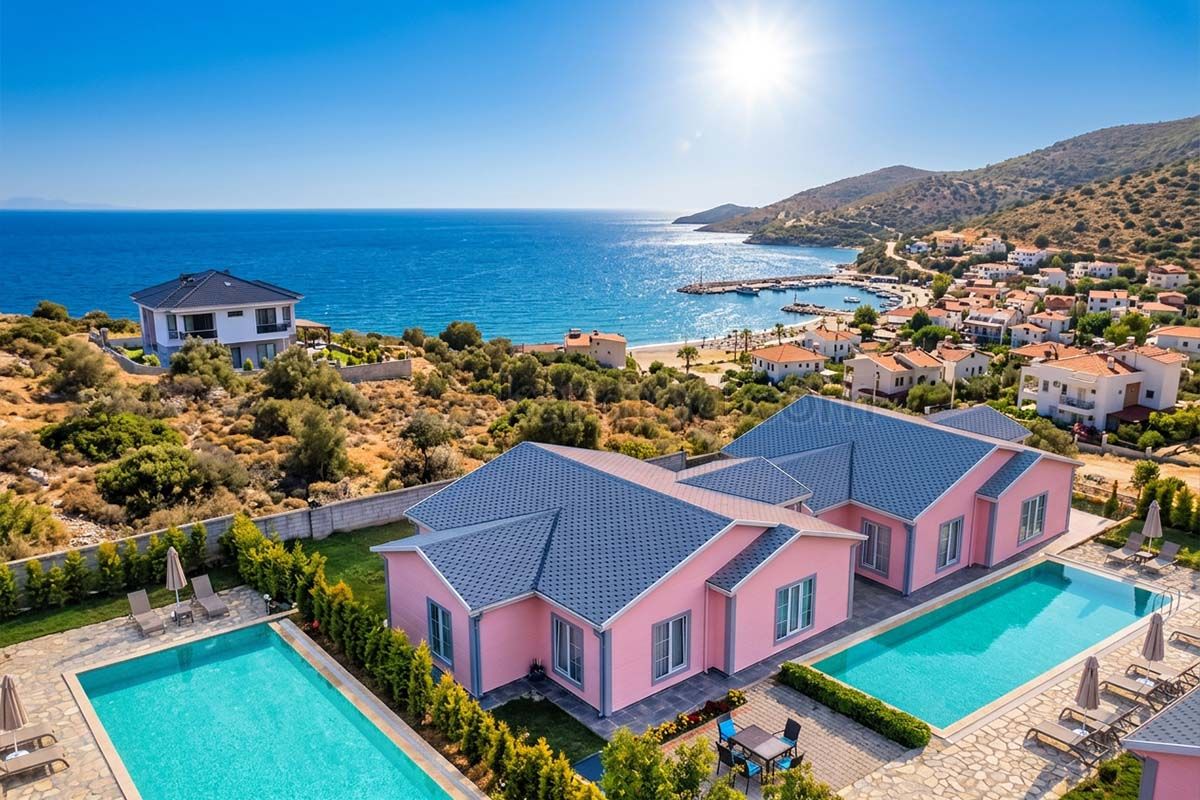
For clients seeking larger living areas with refined detailing, Karmod also develops spacious steel-based residential concepts designed to offer enhanced interior comfort while maintaining structural reliability. These solutions emphasize long-term performance and suitability for Zambia’s environmental conditions.


Choosing a container home in Zambia reflects a preference for efficient planning, adaptable design, and reliable construction outcomes. With professional guidance and careful project preparation, container-based housing can deliver long-term residential value while supporting sustainable development goals.


Container home designs in Zambia range from compact single-unit residences to multi-container configurations suitable for families or shared living. This flexibility allows homes to be adapted to different land sizes, climates, and functional requirements without altering the core steel structure.
Zambia’s climate places importance on thermal performance and interior comfort. Container homes intended for year-round use are designed with insulation systems that help regulate indoor temperatures during hot periods while maintaining comfort during cooler seasons.
Exterior design options allow container houses to blend into both urban and rural environments. Facade treatments, roof solutions, and window placements can be selected to suit local preferences and surrounding landscapes.
Interior planning focuses on efficient circulation and balanced use of space. Open living areas, integrated storage solutions, and adaptable room layouts help container homes feel practical and comfortable despite their compact form.
Karmod’s design approach emphasizes clarity, usability, and long-term performance. Each container home is planned to support daily routines while maintaining a clean and modern interior character.
For residential or investment-oriented projects, container-based housing in Zambia offers a controlled and adaptable solution that aligns with evolving housing demands.
Container home costs in Zambia vary depending on size, layout complexity, insulation level, and interior specifications. Rather than fixed pricing, projects are typically assessed individually to reflect functional needs and site conditions.
Smaller container houses generally require a lower initial investment compared to conventional construction. As additional features such as enhanced insulation, expanded layouts, or upgraded interiors are introduced, overall costs adjust accordingly. Even with these additions, container homes remain a financially manageable option due to predictable production and reduced construction timelines.
Climate-responsive design elements can influence pricing. Homes intended for high-temperature regions may require specific insulation and ventilation solutions, increasing upfront costs while supporting long-term comfort and energy efficiency.
Shorter build schedules also contribute to cost control. Reduced on-site labor and fewer delays help limit unexpected expenses, making container homes suitable for both residential use and income-generating applications.
Karmod supports transparent cost planning by aligning design decisions with budget expectations throughout the project lifecycle.
Building a container home in Zambia begins with site evaluation and functional planning. Factors such as land access, local climate conditions, and intended use shape the overall design strategy.
Steel container structures provide a durable base well suited to Zambia’s environmental conditions. Proper insulation, moisture control, and ventilation systems are essential to ensure indoor comfort and long-term performance.
Container homes can also support reduced environmental impact through efficient use of materials and optional energy-support systems, depending on location and project goals.
Working with experienced container home builders supports accurate planning and smoother implementation. Professional coordination helps ensure that structural design, interior layout, and installation stages align with practical and regulatory considerations.
Container home kits offer an alternative approach for projects prioritizing simplified logistics. Pre-engineered components allow for efficient assembly while maintaining design consistency and structural reliability.
Design flexibility remains one of the strongest advantages of container-based housing. Interior layouts, window placements, and exterior finishes can be adapted to suit individual preferences without compromising the steel structure.
Container homes provide a durable and efficient housing option for Zambia’s diverse regions. With appropriate planning and professional support, they can serve as long-term residences or investment properties.
Container homes in Zambia are generally subject to construction and zoning principles applied to residential buildings. Requirements may vary depending on location, land classification, and intended use.
Building permits, site approvals, and technical documentation are commonly required, particularly in urban areas. Structural safety, insulation performance, and utility connections are typical aspects reviewed during approval processes.
Climate conditions make insulation and weather protection especially important. Proper design solutions help ensure compliance while supporting long-term comfort and durability.
Utility connections such as water, electricity, and wastewater systems must be planned in accordance with local procedures. Accurate documentation and inspections are often part of this process.
Working with an experienced provider helps align design and construction with local expectations. Karmod supports container home projects through technical planning and implementation guidance, helping ensure each home is developed responsibly within Zambia’s regulatory framework.
In order to serve you better, if you could kindly send an e-mail to info@karmod.com for questions and details about your theoretical and special architectural plans, projects, and product specifications, your request will be responded to as soon as possible.

From one end of the world to the other, we enable our customers to reach the ready-made construction sector produced with the new technology of the world. We guarantee reliability through technology and innovation, flexible commercial models and smart supply chain solutions that add value for you, following the project production network.
Discover
Karmod is one of the largest prefabricated construction companies in Turkey, with a production of 45,000 m2. produces high quality prefabs and prefab containers