EN
EN 


Yemen’s diverse cultural heritage and demanding climate have increased interest in container homes as a practical yet contemporary housing option. At Karmod, building a container home in Yemen goes far beyond stacking steel units. Each project is planned around personal living needs, local conditions, and long-term durability. Designed to perform well in high temperatures and challenging environments, shipping container homes offer ease of transport, efficient on-site installation, and controlled construction costs, making them a realistic housing solution across different regions of the country.
Choosing Karmod means working with a team experienced in container-based housing systems that convert industrial structures into comfortable living spaces. Strong steel frames, climate-appropriate insulation, and flexible interior layouts allow container houses to serve as permanent residences, staff accommodation, or mixed-use spaces. In Yemen’s demanding conditions, structural stability and material quality play a critical role, and these factors are carefully addressed in every container home project. Whether intended for private use or investment purposes, container houses provide a balanced combination of strength, comfort, and modern design.
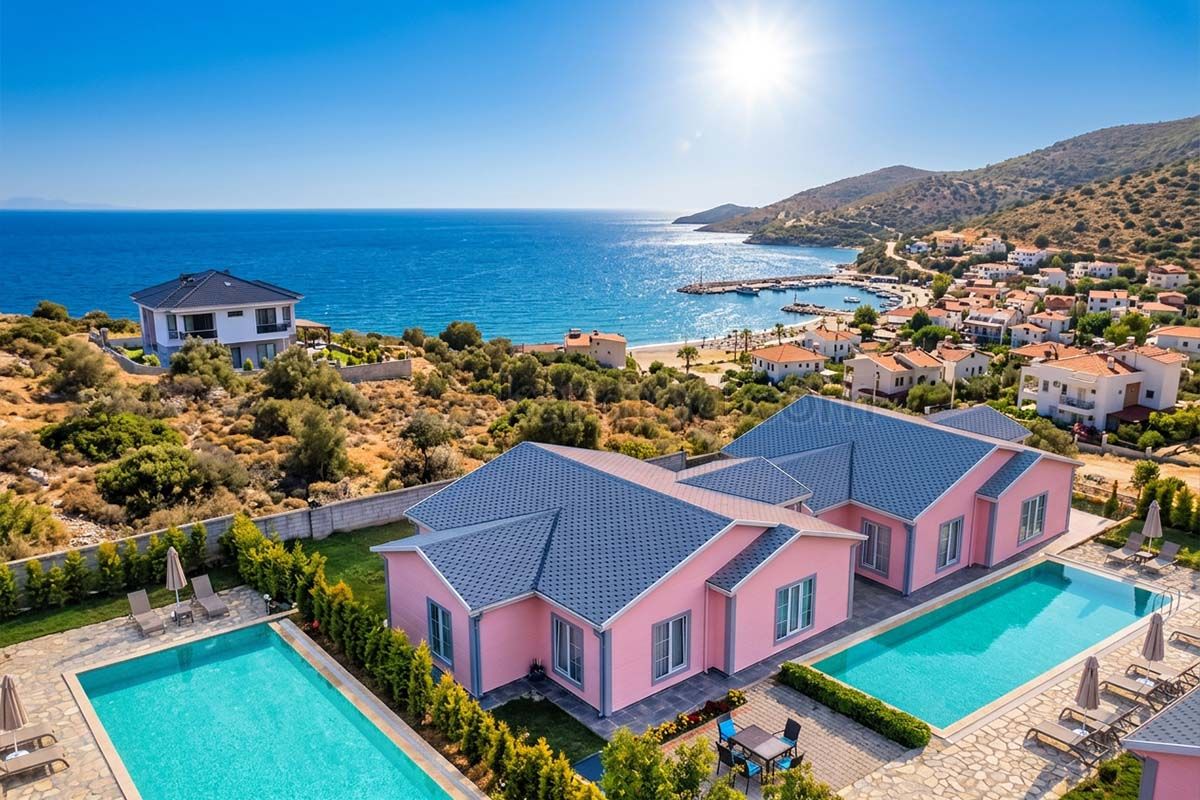
From compact residential units to larger multi-room layouts, our housing solutions support a wide range of functional requirements and aesthetic preferences. At Karmod, interior planning focuses on efficient use of space while maintaining comfort and visual balance. Each container home can be customized in terms of room configuration, façade treatments, and interior finishes, allowing homeowners to shape a living environment that aligns with personal expectations and local lifestyles. Careful material selection and controlled production processes help shorten construction timelines without compromising structural reliability.


For projects that require more interior volume and enhanced living comfort, larger container-based residences offer expanded layouts suitable for family living. These designs emphasize spatial flow, privacy, and long-term usability while maintaining the core advantages of container construction. Thoughtful planning ensures that living areas, bedrooms, and service spaces are proportioned for daily comfort, while structural systems are designed to perform reliably in varying climatic conditions. Karmod supports clients throughout the process, from early planning stages to final delivery.
Yemen’s architectural traditions and environmental conditions encourage housing solutions that are both resilient and adaptable. Container home designs respond well to these needs by offering flexible layouts that can be adjusted for urban plots, rural land, or coastal regions. Karmod brings its international experience in container housing to Yemen, adapting design principles to suit local expectations, climate challenges, and functional requirements.


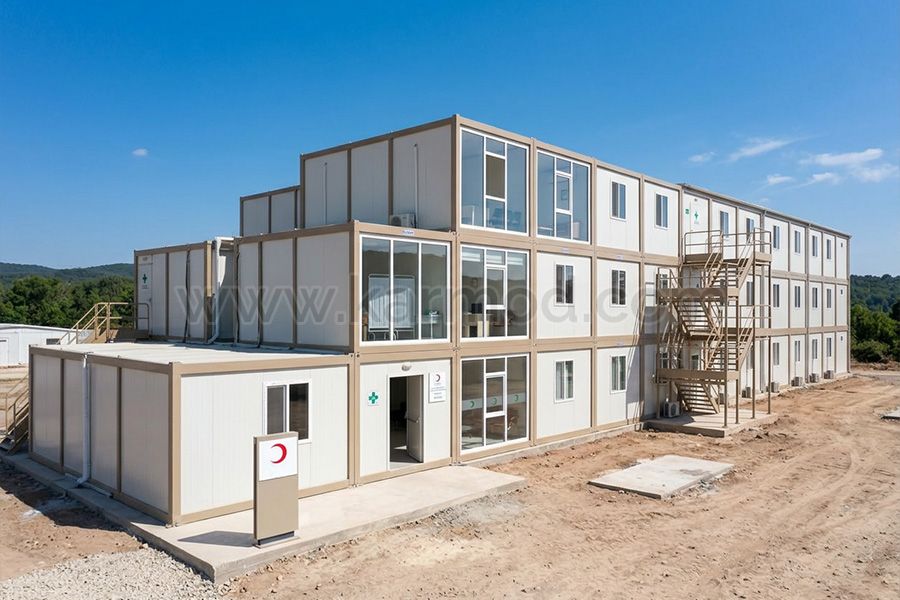
Container homes in Yemen are particularly suitable for regions exposed to high temperatures, strong winds, and limited infrastructure. Steel container structures provide a solid base, while added insulation and ventilation systems improve indoor comfort. Design options range from single-unit homes to multi-container configurations, allowing homeowners to scale their living space as needed. By integrating regional architectural references, container houses can visually align with their surroundings rather than appearing out of place.
Interior planning is a defining element of successful container home projects. Well-considered layouts maximize usable floor area while maintaining natural light and airflow. Finishes and materials are selected to balance durability with comfort, offering interiors that feel practical rather than industrial. These design approaches support everyday living needs in Yemen, where thermal comfort and efficient space use are essential.


Beyond visual appeal, container home designs emphasize functionality and long-term efficiency. Energy-conscious solutions, including solar-ready systems and optimized insulation, help reduce operating costs and support independent living where utility access may be limited. Whether designed as a compact dwelling or a larger family residence, container homes offer adaptable solutions suited to different budgets and site conditions.
Karmod works closely with clients to ensure that every container home reflects both practical needs and personal preferences. From early design discussions to final installation, attention is given to structural integrity, comfort, and usability. This collaborative approach helps transform container housing concepts into reliable living environments across Yemen.
Explore how Karmod’s container home designs contribute to modern housing solutions in Yemen. With a focus on quality, adaptability, and climate-conscious planning, container homes offer a forward-looking approach to residential construction.
Container homes present a cost-conscious housing alternative in Yemen, where conventional construction can be time-consuming and resource-intensive. Their controlled production process and simplified on-site assembly help manage overall expenses while maintaining structural reliability. Understanding the cost components involved is essential for anyone considering container-based housing in the region.
The overall cost of a container home in Yemen depends on several factors, including size, layout complexity, interior specifications, and site conditions. A basic single-container home with essential features may begin around $10,000, while larger or more customized container houses with advanced finishes and integrated systems can range between $20,000 and $50,000. These figures remain competitive when compared to traditional construction methods.
One of the key cost advantages of container housing is scalability. Homeowners can start with a smaller unit and expand over time by adding additional containers. This phased approach is particularly practical for families planning gradual investment or for properties in remote areas where logistics require careful planning. Container homes are easier to transport and assemble, reducing site-related expenses.
Durability also plays a role in long-term value. Designed to withstand harsh environmental conditions, container houses offer structural longevity with reduced maintenance requirements. Optional energy-efficient features, such as solar integration and enhanced insulation, further contribute to lower operating costs over time, supporting sustainable living practices in Yemen.
Karmod applies its international experience in container housing to deliver solutions adapted to local needs. Each project is planned with cost transparency, functional efficiency, and long-term performance in mind, ensuring that container home investments remain both practical and dependable.
Choosing a container home in Yemen represents a strategic balance between affordability, adaptability, and durability. With careful planning and the right technical expertise, container-based housing offers a reliable path toward modern living conditions suited to the country’s unique environment.
Yemen’s climatic diversity and infrastructure challenges make container homes a logical construction choice. The inherent strength of steel containers allows them to perform well in extreme heat and variable weather conditions. Their standardized structure supports efficient planning and shorter construction schedules, which is especially valuable in areas with limited access to conventional building resources.
Selecting experienced container home specialists is a critical step in ensuring project success. Knowledge of local conditions, transport logistics, and on-site installation requirements directly influences build quality and timelines. Working with a provider like Karmod helps align design expectations with practical construction realities, from early planning through final assembly.
Container home configurations allow a high level of customization. Insulation systems, interior layouts, energy solutions, and exterior finishes can all be adapted to suit personal preferences and site-specific needs. Whether designed for urban living or remote locations, container houses can be planned to support both grid-connected and independent living scenarios.
Off-site production plays a key role in reducing construction disruptions. Container housing components are prepared under controlled conditions and then assembled on location, limiting exposure to weather delays and minimizing site labor requirements. The reuse of shipping containers also supports resource efficiency, aligning container homes with environmentally responsible building practices.
For homeowners seeking greater independence, container homes can incorporate off-grid features such as solar power systems and water management solutions. These options are particularly relevant in regions where access to public utilities may be inconsistent. Karmod’s experience in container-based housing ensures that such systems are integrated safely and effectively.
Building a container home in Yemen requires informed planning and reliable technical support. With a structured approach and experienced guidance, container housing can deliver durable, comfortable living spaces adapted to local conditions.
Container homes are increasingly considered as alternative housing solutions, but successful implementation depends on careful planning and regulatory awareness. In Yemen, local requirements, land-use considerations, and environmental factors all influence how container houses can be developed.
Designing container home plans suitable for Yemen requires attention to climate-related factors such as heat management, ventilation, and material performance. Proper insulation and shading strategies help improve indoor comfort, while durable finishes protect the structure from long-term exposure to harsh conditions.
In some areas, architectural compatibility with surrounding buildings may be an important consideration. Container homes can be designed to reflect local styles through façade treatments and layout choices, helping them integrate more naturally into existing neighborhoods. Working with an experienced provider simplifies this adaptation process.
Before construction begins, consultation with local authorities is essential to understand applicable zoning rules and permit requirements. Regulations may vary depending on whether the container home is classified as a temporary or permanent structure. Early coordination helps avoid delays and ensures smoother project execution.
Structural safety standards may also apply, particularly in regions exposed to seismic activity or seasonal rainfall. Professional planning and engineering support help ensure that container houses meet these expectations while maintaining efficiency and comfort.
Karmod supports container home projects with comprehensive planning, design adaptation, and technical expertise. By addressing regulatory considerations alongside functional requirements, container housing in Yemen can be developed responsibly and effectively.
In order to serve you better, if you could kindly send an e-mail to info@karmod.com for questions and details about your theoretical and special architectural plans, projects, and product specifications, your request will be responded to as soon as possible.

From one end of the world to the other, we enable our customers to reach the ready-made construction sector produced with the new technology of the world. We guarantee reliability through technology and innovation, flexible commercial models and smart supply chain solutions that add value for you, following the project production network.
Discover
Karmod is one of the largest prefabricated construction companies in Turkey, with a production of 45,000 m2. produces high quality prefabs and prefab containers