EN
EN 


When it comes to creating comfortable living spaces in Southeast Asia, container homes offer a forward-thinking approach that suits Thailand’s climate and lifestyle. From coastal provinces to the hills of Chiang Mai, shipping container homes can be adapted to different terrains while maintaining structural strength. At Karmod, we transform industrial steel units into refined container houses designed for long-term residential use. Each project is carefully engineered to complement tropical surroundings while delivering contemporary architecture and practical comfort.
The advantages of a container home in Thailand extend far beyond appearance. Steel structures, when properly insulated and treated, perform reliably in high humidity, intense sun exposure, and seasonal monsoon rains. Modern waterproofing systems, elevated foundations, and ventilation planning help protect against moisture buildup and heat gain. As a result, container-based housing offers durability with reduced maintenance demands. For those comparing structural alternatives, steel houses provide another resilient construction method suitable for Thai conditions.
Karmod’s approach is shaped by local expectations of craftsmanship, efficiency, and harmony with the environment. Our container home designs prioritize natural airflow, shaded outdoor areas, and smart interior layouts that maximize usable space. Repurposing shipping containers also reduces material waste, aligning with Thailand’s growing interest in environmentally responsible construction. For clients evaluating different building systems, our modular homes portfolio can be reviewed separately.


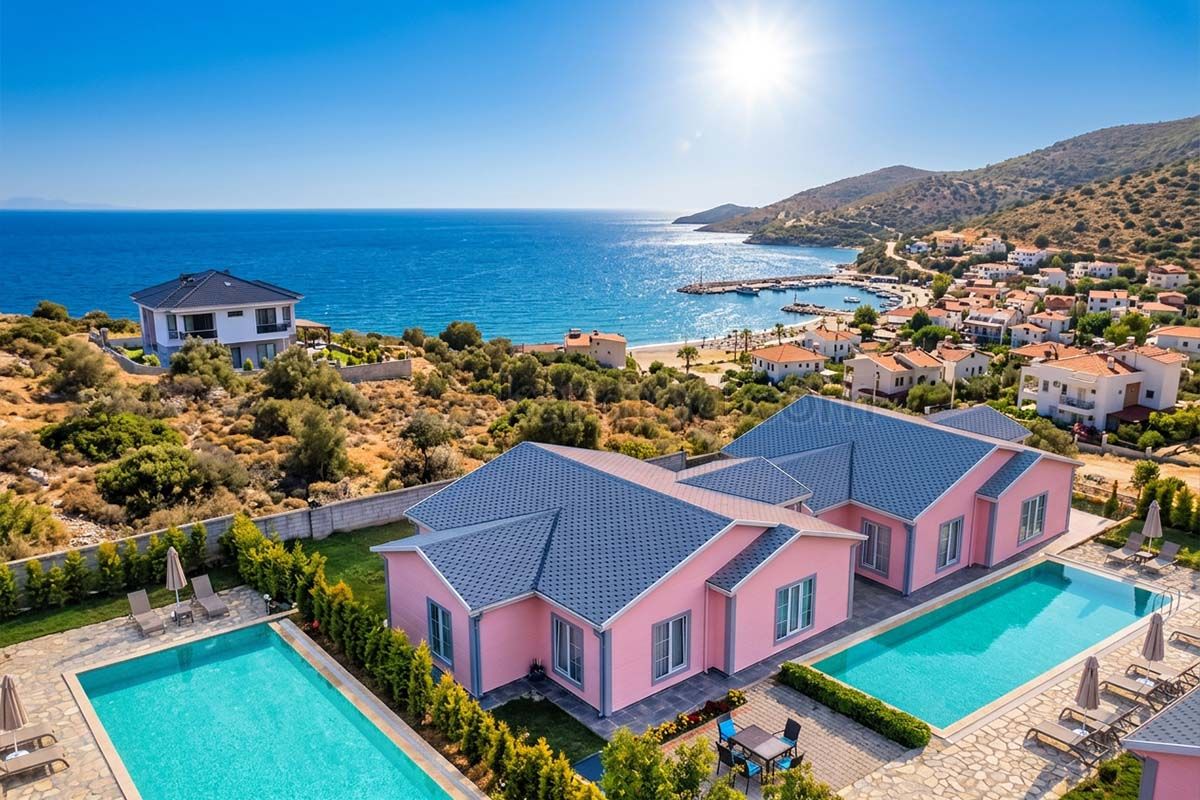
Thailand’s dynamic property market creates diverse opportunities for container houses. In tourist destinations such as Phuket, Krabi, or Koh Samui, shipping container homes can function as boutique rentals or private holiday retreats. In Bangkok and other urban centers, compact container-based housing provides efficient solutions for limited plots. Investors also appreciate the speed of installation and predictable budgeting. Those seeking alternative architectural concepts may also explore our prefabricated villas for comparison.
Choosing a container home in Thailand means embracing architectural flexibility without sacrificing structural reliability. Whether you envision a private residence, a guesthouse, or an income-generating rental, Karmod guides you through planning, design, production, and installation. Our focus remains on delivering durable, climate-appropriate container homes that meet both residential and commercial expectations.


Container home designs in Thailand range from compact single-unit studios to multi-container family residences. This flexibility allows homeowners to select layouts that respond to plot size, budget, and intended use. In coastal regions, elevated terrace models with shaded decks are especially popular. In city environments, stacked configurations maximize vertical space while preserving outdoor areas.
Karmod develops shipping container homes that integrate insulation systems, reflective roofing, and cross-ventilation planning to improve indoor comfort in tropical heat. Floor plans can include open-plan living areas, private bedrooms, and covered verandas that support Thailand’s indoor-outdoor lifestyle. Each model balances aesthetics with structural engineering, ensuring long-term performance in humid conditions.


Customization is a defining feature of container houses. Window placement, façade cladding, roof extensions, and interior finishes can all be adjusted to suit regional preferences. A beachfront container home may prioritize panoramic glazing and outdoor lounging areas, while a hillside residence might focus on shaded balconies and rain protection. By combining architectural creativity with durable steel construction, container-based housing offers design freedom without excessive construction time.
Selecting the right design begins with understanding how the home will be used—permanent residence, seasonal retreat, or hospitality investment. Karmod’s team provides tailored guidance to ensure that each container home model aligns with climate, land characteristics, and lifestyle needs in Thailand.
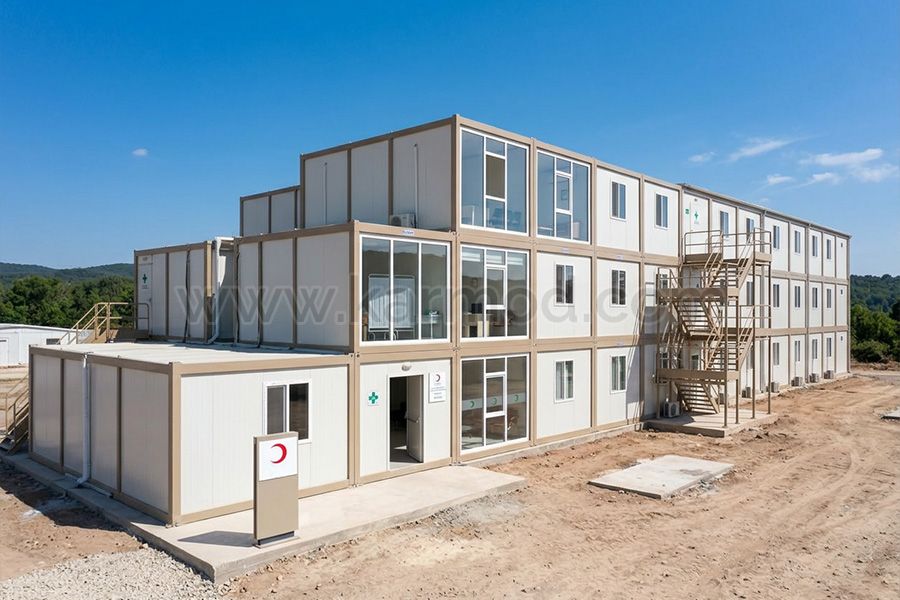
Multi-container configurations allow for expanded living areas while maintaining structural stability. By connecting two or more shipping containers, larger floor plans can include spacious kitchens, additional bedrooms, or separate guest units. These layouts are well-suited to family homes or boutique rental projects in Thailand’s resort areas.
Architectural features such as covered walkways, internal courtyards, and rooftop terraces enhance airflow and shading. Proper insulation and moisture control systems are integrated during production, supporting year-round comfort despite Thailand’s high temperatures and humidity levels.
Container home cost in Thailand depends on size, structural modifications, interior finishes, and site conditions. A compact single-unit model will require a lower investment compared to multi-container residences with customized façades and extended terraces. Transportation distance and foundation requirements also influence the final budget.
One of the main advantages of shipping container homes is cost predictability. Since major structural components are prepared in controlled production facilities, construction timelines are shorter and on-site labor is reduced. This helps minimize unexpected expenses, particularly in remote or island locations.
Beyond the initial price, long-term value should also be considered. Durable steel frames, protective coatings, and modern insulation systems contribute to lower maintenance requirements. Energy-efficient glazing and ventilation planning can further reduce cooling costs, which is especially important in Thailand’s warm climate.
For an accurate estimate, project-specific details such as land slope, accessibility, and utility connections must be reviewed. Karmod provides transparent pricing proposals based on clearly defined specifications, helping clients plan their investment with confidence.
Constructing a container home in Thailand begins with site evaluation. Factors such as soil condition, flood risk, and sun orientation influence foundation design and structural planning. In coastal areas, corrosion-resistant treatments are particularly important due to salt exposure.
After finalizing architectural drawings, production of the container house takes place in a controlled facility. Structural reinforcements, insulation layers, electrical systems, and interior finishes are completed before transportation to the project site. This streamlined process reduces disruption and accelerates installation.
Climate-responsive design is essential. Roof insulation, shading elements, and strategic window placement help manage internal temperatures. In rural areas, off-grid options such as solar panels and water storage systems can be integrated into the overall design.
Location choice also shapes the project’s character. Chiang Mai offers cooler mountain conditions suitable for nature-oriented retreats, while Phuket and Krabi attract hospitality investments. Urban plots in Bangkok require careful planning to optimize space efficiency.
Working with experienced container home specialists ensures that engineering standards, material quality, and installation procedures meet expectations. Karmod oversees each stage—from concept development to final assembly—delivering container-based housing solutions adapted to Thailand’s environmental conditions.
Interior planning plays a central role in maximizing the comfort of container homes. Because shipping containers have defined structural dimensions, thoughtful layout design is essential. Open-plan arrangements create visual continuity, while built-in storage reduces clutter.
Light color palettes, reflective surfaces, and wide sliding doors enhance the perception of space. Large windows not only increase natural light but also support ventilation, reducing reliance on air conditioning. In Thailand’s climate, combining ceiling fans with cross-breeze design improves energy efficiency.
Natural materials such as wood accents, bamboo textures, and stone finishes integrate well with tropical surroundings. These elements soften the industrial character of steel structures while maintaining a contemporary aesthetic.
Bathrooms and kitchens are engineered with moisture-resistant materials to handle humidity. Proper insulation and vapor barriers protect interior surfaces and ensure long-term durability.
Karmod designs container house interiors with both practicality and aesthetics in mind, creating living spaces that feel refined rather than constrained by their structural origin.
Before building a container home in Thailand, it is important to review local zoning requirements and construction permissions. Regulations may vary between provinces, particularly in coastal or protected areas. Land classification, building height limits, and usage type can influence project approval.
Detailed architectural and structural drawings are typically required for permit applications. These documents outline dimensions, materials, and intended use of the container house. Ensuring compliance from the planning stage reduces the risk of delays.
Utility connections, drainage planning, and environmental considerations should also be addressed early in the process. In certain regions, additional assessments may be necessary depending on land characteristics.
Karmod assists clients by preparing comprehensive project documentation and coordinating with local partners when required. With proper planning and professional guidance, developing a container home in Thailand can proceed smoothly and efficiently.
In order to serve you better, if you could kindly send an e-mail to info@karmod.com for questions and details about your theoretical and special architectural plans, projects, and product specifications, your request will be responded to as soon as possible.

From one end of the world to the other, we enable our customers to reach the ready-made construction sector produced with the new technology of the world. We guarantee reliability through technology and innovation, flexible commercial models and smart supply chain solutions that add value for you, following the project production network.
Discover
Karmod is one of the largest prefabricated construction companies in Turkey, with a production of 45,000 m2. produces high quality prefabs and prefab containers