EN
EN 


Rwanda, often called the “Land of a Thousand Hills,” is known for its distinctive topography, stable development path, and growing focus on long-term sustainability. Within this context, container homes offer a practical residential solution that aligns with the country’s environmental priorities and construction realities. Designed for efficiency and durability, container-based housing provides adaptable living spaces suitable for both urban areas and elevated rural terrain.
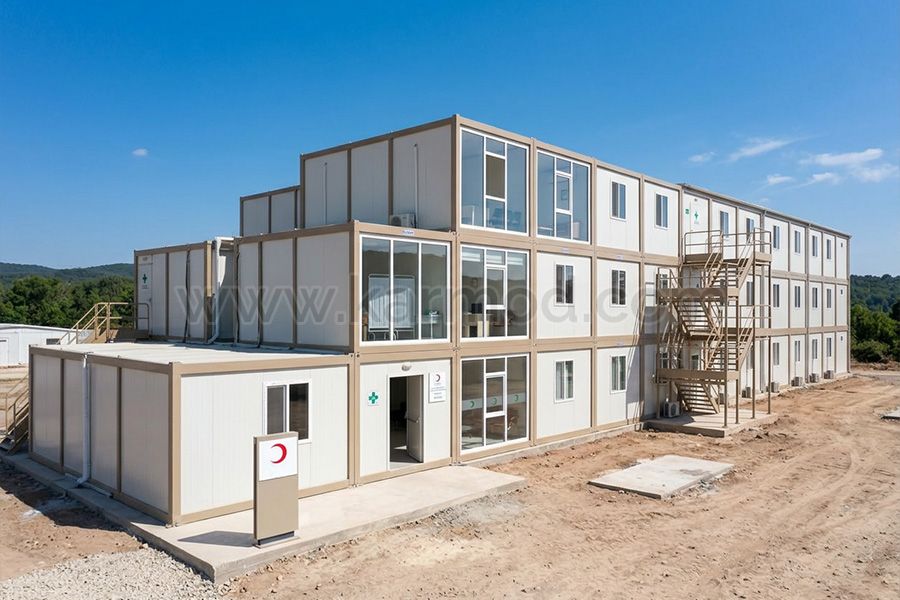
Shipping container homes respond well to Rwanda’s tropical climate and varied elevations. Built from structurally reinforced steel units, these homes perform reliably during periods of heavy rainfall while maintaining interior comfort during warmer seasons. Proper insulation, ventilation planning, and precise fabrication allow container houses to remain functional across changing weather conditions. Their flexible layouts also support a wide range of residential needs, from compact primary homes to secondary residences near tourism corridors.
Karmod develops container homes with a focus on durability, spatial efficiency, and long-term usability. Each unit is planned to balance interior comfort with structural performance, ensuring that daily living requirements are met without unnecessary complexity. For visitors reviewing alternative construction systems on the website, other building systems are presented separately and do not overlap with container-based residential solutions.


A key advantage of container homes is the controlled construction process. Compared to conventional on-site building, production timelines are more predictable and less affected by seasonal conditions. This efficiency is particularly relevant in Rwanda, where residential demand continues to expand alongside infrastructure development. Container-based housing supports faster project completion while maintaining consistent build quality.
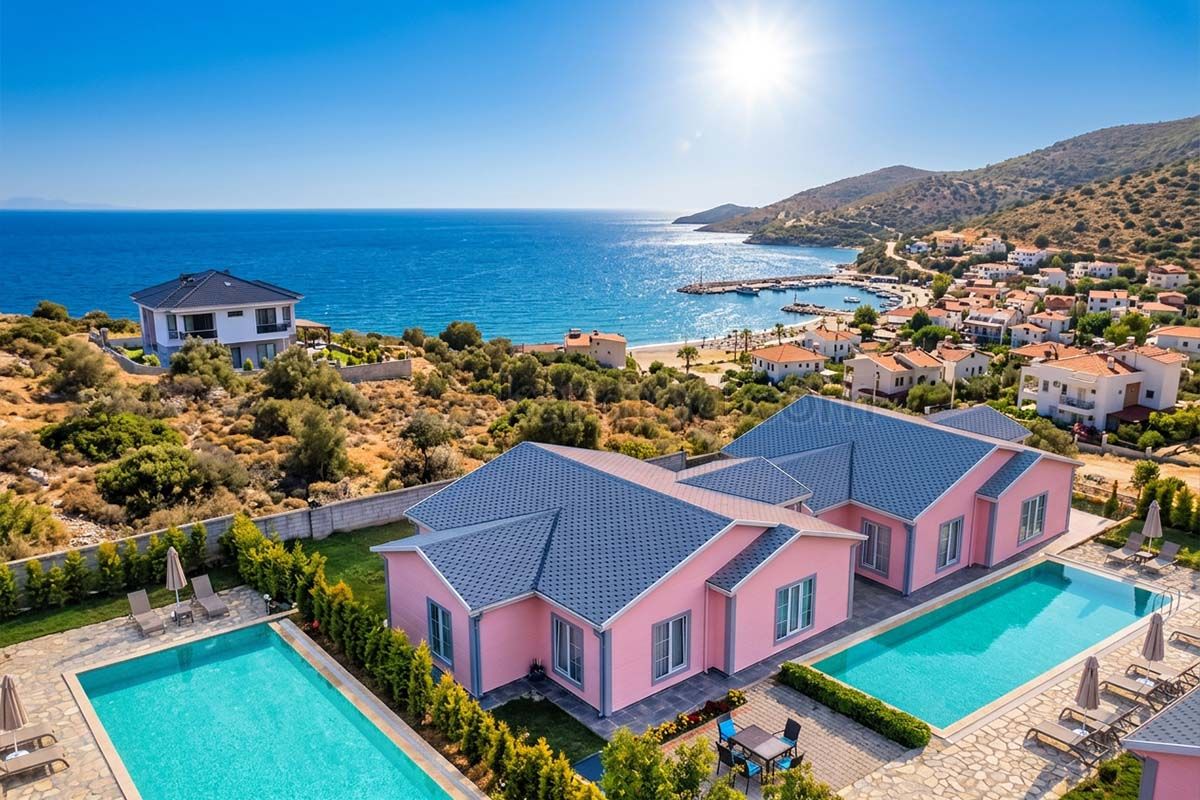
For clients seeking larger residential formats, container house configurations can be expanded to include defined private areas, open living zones, and shaded outdoor connections. These designs prioritize long-term occupancy and practical use rather than temporary accommodation, making them suitable for permanent living across different regions of Rwanda.


Choosing a container home in Rwanda supports a housing approach centered on efficiency, material responsibility, and contemporary living standards. Karmod assists clients throughout planning and implementation, helping translate site conditions and functional needs into reliable residential spaces suited to Rwanda’s evolving landscape.
Container home designs in Rwanda emphasize practical layouts and structural clarity. Rather than relying on decorative excess, these homes focus on usable interior space, daylight access, and straightforward circulation. This design logic suits both dense urban plots and hillside locations where land efficiency is essential.


Container houses can be arranged as single-unit dwellings or combined into multi-unit residences depending on household size and intended use. In Kigali and other growing cities, compact layouts support efficient residential use, while expanded configurations are often preferred for family homes outside city centers. Each model allows flexibility without altering the core structural system.
Interior planning plays a central role in the comfort of container-based housing. Clearly defined living areas, functional kitchens, and well-proportioned private spaces help create a balanced residential environment. Material selections typically prioritize durability and ease of maintenance, which is particularly relevant in regions with seasonal humidity.
Across Rwanda, container home designs are increasingly considered for permanent residences as well as long-term investment properties. Their consistent construction quality and adaptable layouts make them suitable for a wide range of residential objectives.
Karmod’s experience in container housing ensures that each design is developed with technical accuracy and long-term use in mind, supporting reliable residential performance over time.
Container home costs in Rwanda vary depending on size, layout complexity, interior specifications, and site conditions. Entry-level container houses generally require lower initial investment compared to conventional construction, making them accessible to a broad range of homeowners.
Cost efficiency is closely linked to the controlled production process. Standardized fabrication helps limit unexpected expenses, while shorter construction timelines reduce indirect costs. These factors make container-based housing a practical option for both urban and rural residential projects.
Beyond initial construction, container homes can also support manageable operating costs when insulation, ventilation, and layout planning are addressed correctly. This balance between upfront investment and long-term performance contributes to the overall sustainability of the home.
Building a container home in Rwanda involves coordinated planning between design development, site preparation, and installation. The process typically begins with selecting an appropriate plot and defining the intended residential use. Container homes are produced in controlled environments, allowing consistent quality before on-site placement.
Rwanda’s varied terrain requires careful consideration of foundation solutions. Sloped or elevated sites may differ from urban plots, but container houses adapt well due to their structural strength and flexible foundation options.
Working with experienced container home specialists helps ensure that key technical aspects such as insulation, ventilation, and moisture control are addressed correctly. Karmod supports this process by aligning design decisions with site conditions and long-term residential requirements.
With proper planning, container homes can be installed efficiently, offering a streamlined residential building approach suited to Rwanda’s development context.
As with any residential construction in Rwanda, container homes must comply with local planning and building requirements. These regulations may vary depending on location, land designation, and intended use, making early consultation with local authorities an important step.
Container house projects are generally expected to meet standards related to structural safety, insulation, ventilation, and utility connections. Given Rwanda’s tropical climate, attention to airflow and thermal comfort is particularly important during planning and approval stages.
Designing a container home that reflects environmental considerations and local development goals can support smoother approval processes. Material efficiency and responsible land use are often viewed positively when aligned with regional planning objectives.
By working with experienced providers such as Karmod, clients can navigate regulatory requirements more confidently and develop container home projects that combine compliance, functionality, and long-term residential value in Rwanda.
In order to serve you better, if you could kindly send an e-mail to info@karmod.com for questions and details about your theoretical and special architectural plans, projects, and product specifications, your request will be responded to as soon as possible.

From one end of the world to the other, we enable our customers to reach the ready-made construction sector produced with the new technology of the world. We guarantee reliability through technology and innovation, flexible commercial models and smart supply chain solutions that add value for you, following the project production network.
Discover
Karmod is one of the largest prefabricated construction companies in Turkey, with a production of 45,000 m2. produces high quality prefabs and prefab containers