EN
EN 


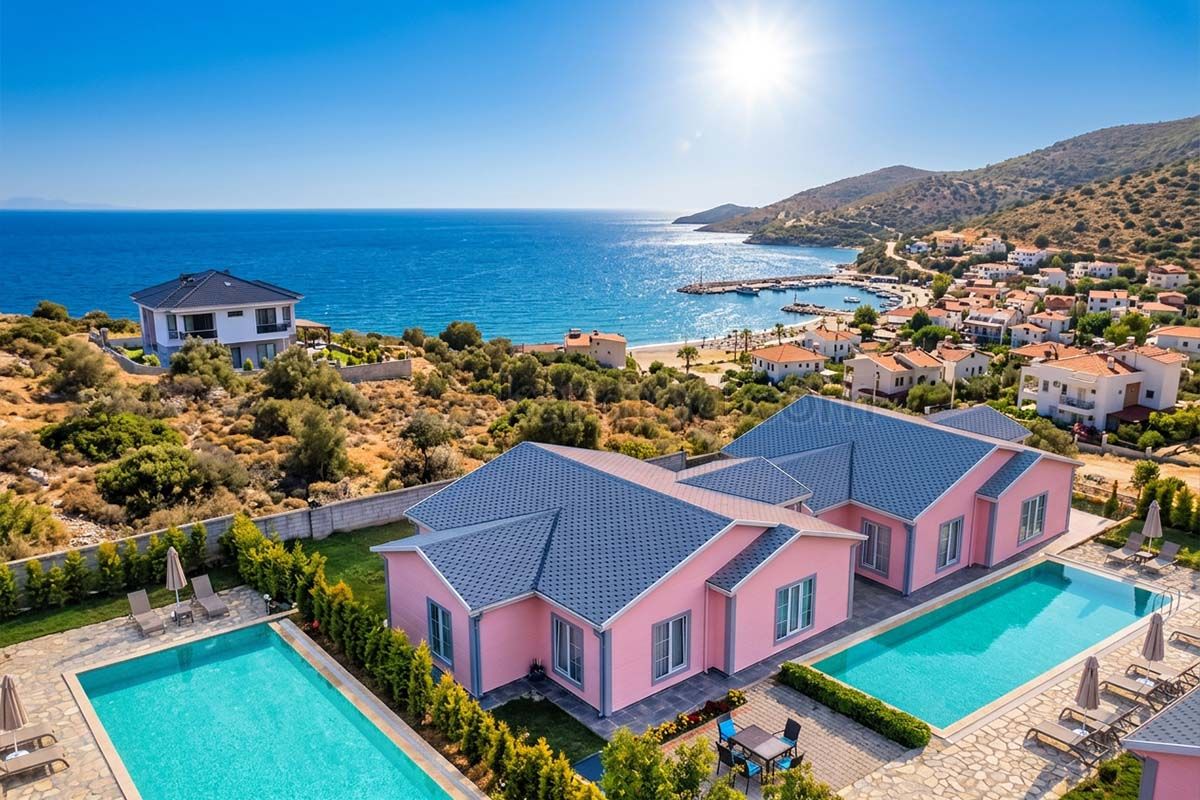
Container homes are reshaping residential construction across Europe, and Poland has become one of the most promising markets for this modern housing solution. At Karmod, we design and manufacture high-quality container homes that respond to both urban density and rural expansion needs. Whether you envision a compact house near Warsaw or a peaceful retreat in the countryside, our shipping container homes are engineered for long-term comfort, energy efficiency, and architectural clarity.
Poland’s climate requires housing that performs reliably in cold winters and mild summers. Our container houses are built with reinforced steel structures and advanced insulation systems designed specifically for Central European weather conditions. Unlike conventional construction, shipping container homes are produced in controlled factory environments, ensuring consistent quality and significantly shorter delivery times.
Flexibility is one of the strongest advantages of container-based housing. Layouts can range from compact studio units to spacious multi-container family homes. Some clients also explore alternatives such as modular homes when comparing different construction systems. Container homes, however, offer a distinctive architectural identity combined with efficient production and installation processes.


Karmod’s container homes are designed with precision engineering and contemporary aesthetics. Each unit integrates thermal insulation, durable exterior coatings, and modern interior finishes that align with Polish building expectations. Our goal is to deliver structures that are not only visually refined but also practical for year-round living.
As property prices continue to rise in major Polish cities, container houses present a cost-controlled alternative for both private homeowners and investors. These homes can be placed in urban plots, suburban developments, or rural landscapes while maintaining architectural harmony with their surroundings.


If you are evaluating different structural systems, our steel houses offer another durable housing option. Each system is developed to meet different design and investment priorities while maintaining high engineering standards.
Shipping container homes also support environmentally responsible construction. By repurposing steel containers and minimizing material waste during production, container-based housing reduces on-site disruption and resource consumption. Karmod prioritizes high-grade materials and efficient insulation solutions to improve overall energy performance.


The adaptability of container homes makes them suitable for phased expansion. Additional units can be integrated later, allowing homeowners to increase living space as needs evolve. This flexibility is especially valuable for young families, tourism investors, and entrepreneurs seeking scalable property solutions.
Container housing continues to gain attention in Poland because it offers architectural distinction, predictable costs, and faster completion timelines compared to many conventional builds.
Whether you are drawn to the clean lines of steel container homes or the practical benefits of container-based construction, Karmod provides comprehensive support from design to installation. Contact us to explore how a container home can align with your lifestyle or investment plans in Poland.
Container home designs in Poland range from minimalist single-container layouts to multi-unit residences created by combining several modules. This structural flexibility allows architects to design open-plan interiors, mezzanine levels, rooftop terraces, and large glass facades that maximize natural light even during shorter winter days.
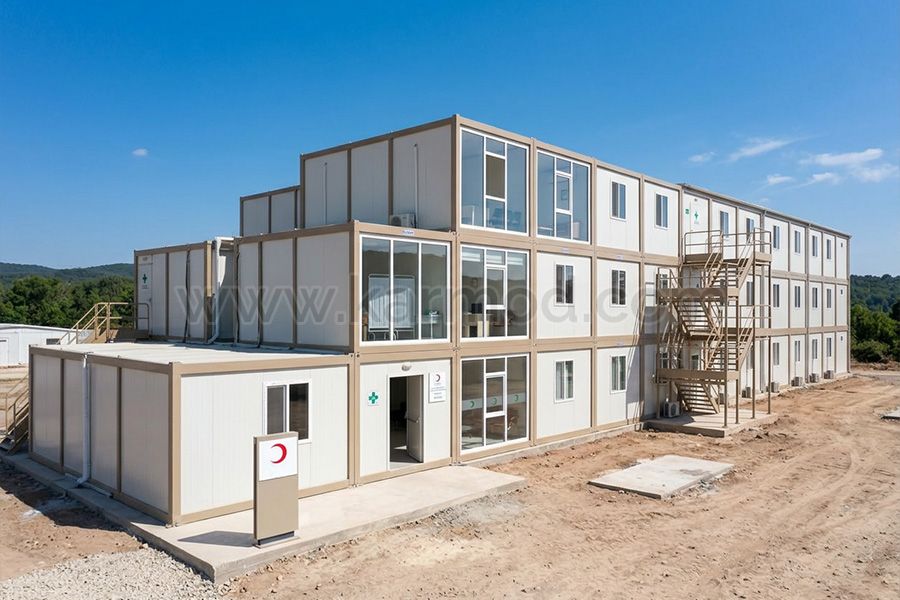
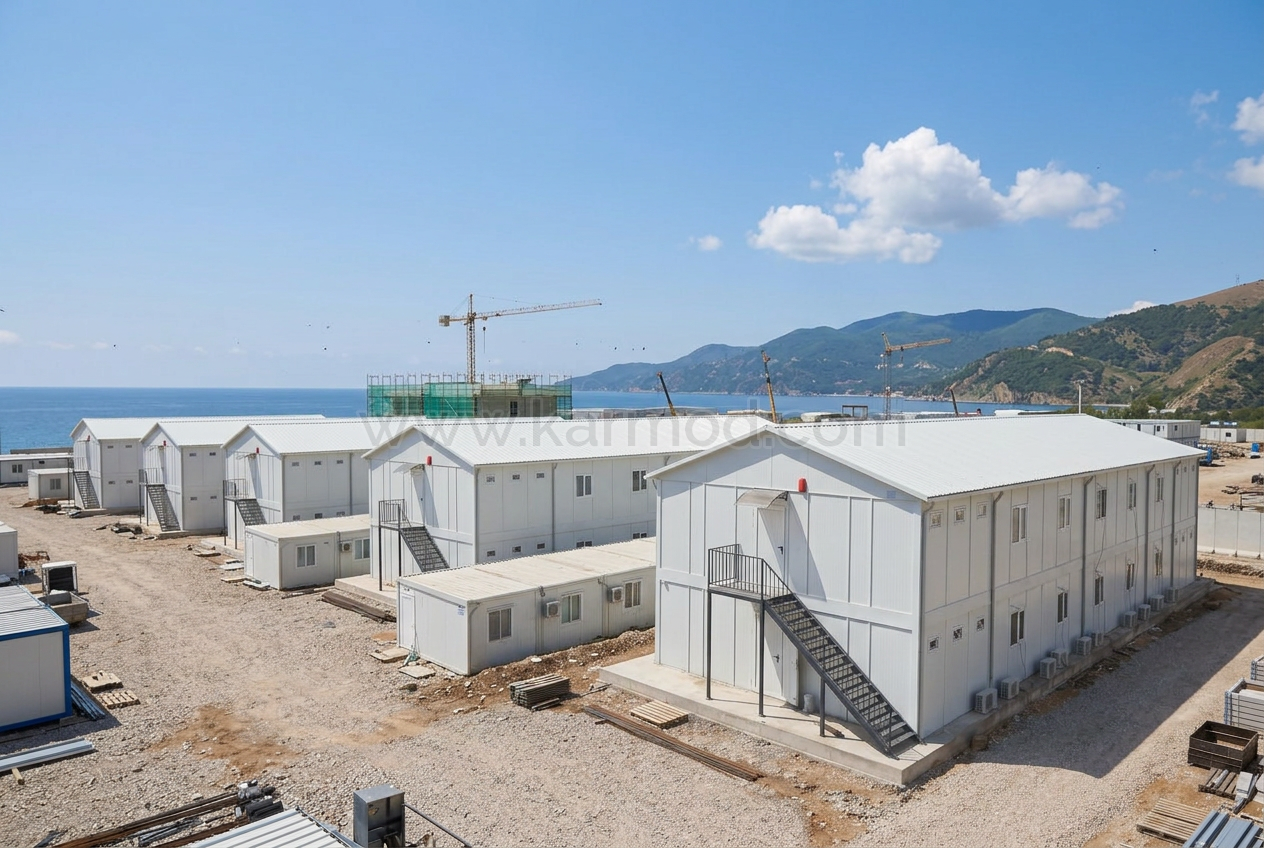
In suburban and rural areas, single-story container houses are often preferred for their simplicity and efficient land use. In urban environments, stacked configurations create modern multi-level homes that optimize compact plots. Each design is adapted to Polish planning norms and climate conditions.
Interior customization plays a central role in container home development. Clients can select floor finishes, kitchen layouts, façade cladding, and window systems to match their aesthetic preferences. Enhanced thermal insulation and energy-efficient glazing ensure indoor comfort throughout Poland’s colder months.
Karmod’s production process ensures that structural reinforcements, electrical systems, and plumbing installations are completed before delivery. This reduces on-site work and allows for controlled quality assurance at every stage.
For those exploring premium alternatives, options such as prefabricated villas represent a different architectural approach. Container homes, however, remain a distinctive solution for buyers who value efficient construction, modern aesthetics, and adaptable design.
From compact urban residences to spacious family homes, container house models in Poland continue to evolve, offering solutions that combine structural strength with architectural creativity.
The cost of container homes in Poland depends on several variables, including size, configuration, insulation level, and interior specifications. A compact single-container home will naturally require a lower investment than a multi-container residence designed for permanent family living.
Customization elements such as upgraded insulation systems, triple-glazed windows, underfloor heating, or smart home integrations can influence the final budget. In Poland’s colder climate, enhanced thermal performance is often a priority, which may slightly increase initial costs but improves long-term energy efficiency.
Site-related factors also play a role. Foundation preparation, utility connections, and transportation distance from the production facility to the building site must be considered when calculating total project costs.
One of the primary financial advantages of shipping container homes is cost predictability. Since major construction stages are completed in a factory environment, unexpected on-site expenses are minimized. Shorter construction timelines can also reduce labor-related costs.
For investors developing rental units or tourism accommodation, container houses offer phased expansion opportunities. Additional modules can be added as demand grows, allowing gradual capital allocation.
To receive an accurate container home quotation in Poland, it is essential to evaluate your plot conditions, design preferences, and performance expectations. Our team provides transparent cost guidance tailored to your specific project requirements.
Building a container home in Poland begins with selecting a suitable plot and reviewing local zoning conditions. Soil quality, access routes, and infrastructure availability influence foundation type and installation planning.
After finalizing architectural drawings, the production phase takes place in a controlled facility. Structural reinforcements, insulation layers, internal wall finishes, electrical wiring, and plumbing systems are integrated before the units are transported to the site.
Given Poland’s cold winters, insulation is one of the most critical aspects of container house construction. High-performance insulation materials, vapor barriers, and energy-efficient windows help maintain stable indoor temperatures and reduce heating costs.
Installation typically involves positioning the containers on prepared foundations, connecting utilities, and completing exterior detailing. Compared to many conventional builds, this process can be completed in a significantly shorter timeframe.
For clients interested in sustainable solutions, container homes can be equipped with solar panels, heat recovery ventilation systems, and energy-efficient lighting. These features enhance environmental performance while reducing long-term operational costs.
Working with an experienced manufacturer ensures compliance with engineering standards and proper coordination throughout design, production, and installation phases.
Before starting a container home project in Poland, it is important to review local building regulations and land-use classifications. Requirements may vary depending on whether the property is located within a city boundary, suburban development zone, or rural area.
Container houses are typically assessed under existing building frameworks that address structural safety, fire protection, insulation standards, and infrastructure connections. Architectural documentation and technical drawings are generally required during the approval process.
Municipal authorities may also evaluate building height, setback distances, and exterior appearance to ensure compatibility with surrounding developments. Early consultation with local planning offices can help clarify these conditions before construction begins.
Utility connections such as electricity, water supply, and sewage systems must comply with local standards. In areas without direct infrastructure access, alternative systems may require additional administrative review.
Professional guidance simplifies the regulatory pathway and reduces the risk of delays. By aligning your container home design with Polish planning requirements from the outset, you can move confidently toward project completion.
If you are planning to build a container home in Poland, our team is ready to provide design consultation and technical support tailored to your location and project goals.
In order to serve you better, if you could kindly send an e-mail to info@karmod.com for questions and details about your theoretical and special architectural plans, projects, and product specifications, your request will be responded to as soon as possible.

From one end of the world to the other, we enable our customers to reach the ready-made construction sector produced with the new technology of the world. We guarantee reliability through technology and innovation, flexible commercial models and smart supply chain solutions that add value for you, following the project production network.
Discover
Karmod is one of the largest prefabricated construction companies in Turkey, with a production of 45,000 m2. produces high quality prefabs and prefab containers