EN
EN 


Container homes have become a practical housing option in Papua New Guinea, combining durable construction with a streamlined building approach. Across a country defined by mountainous terrain, remote communities, and coastal settlements, shipping container homes can offer a clearer path from planning to installation than many conventional builds. When designed with local site realities in mind, container-based housing can support comfortable living while keeping the structure compact, resilient, and efficient.
Built from reinforced steel units, container homes can handle Papua New Guinea’s heavy rainfall and consistently high humidity when corrosion protection, ventilation, and moisture control are treated as core design priorities. The home’s layout can also be planned for practical daily life—shaded entries, covered outdoor zones, and window placement that encourages airflow. Rather than emphasizing expansion as a default, well-designed container houses focus on getting the initial footprint right and allowing future changes only where the site and foundations support them safely.
At Karmod, container home projects are developed to match Papua New Guinea’s conditions and logistical constraints. Design decisions are shaped around transport access, assembly planning, and long-term durability, ensuring the finished home is not only visually clean but also comfortable and dependable in tropical environments.


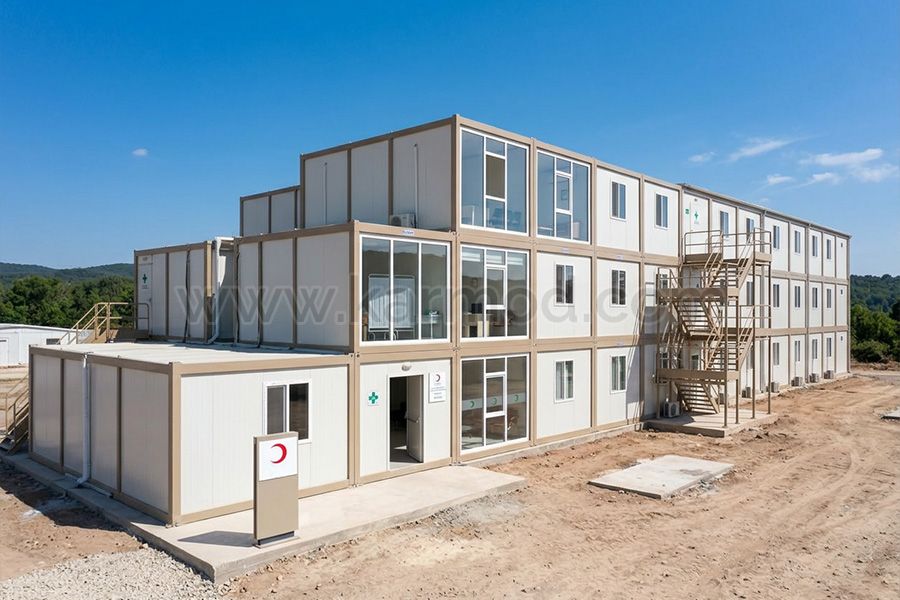
Container homes can also serve broader functional needs beyond private housing, including staff accommodation, site offices, clinics, and small community facilities. In locations where infrastructure is limited, controlled fabrication and quicker installation can reduce disruption and speed up occupancy. Sustainability benefits are strongest when projects pair resource-efficient construction with climate-appropriate design choices, such as ventilation planning and durable finishes suited to humid environments.
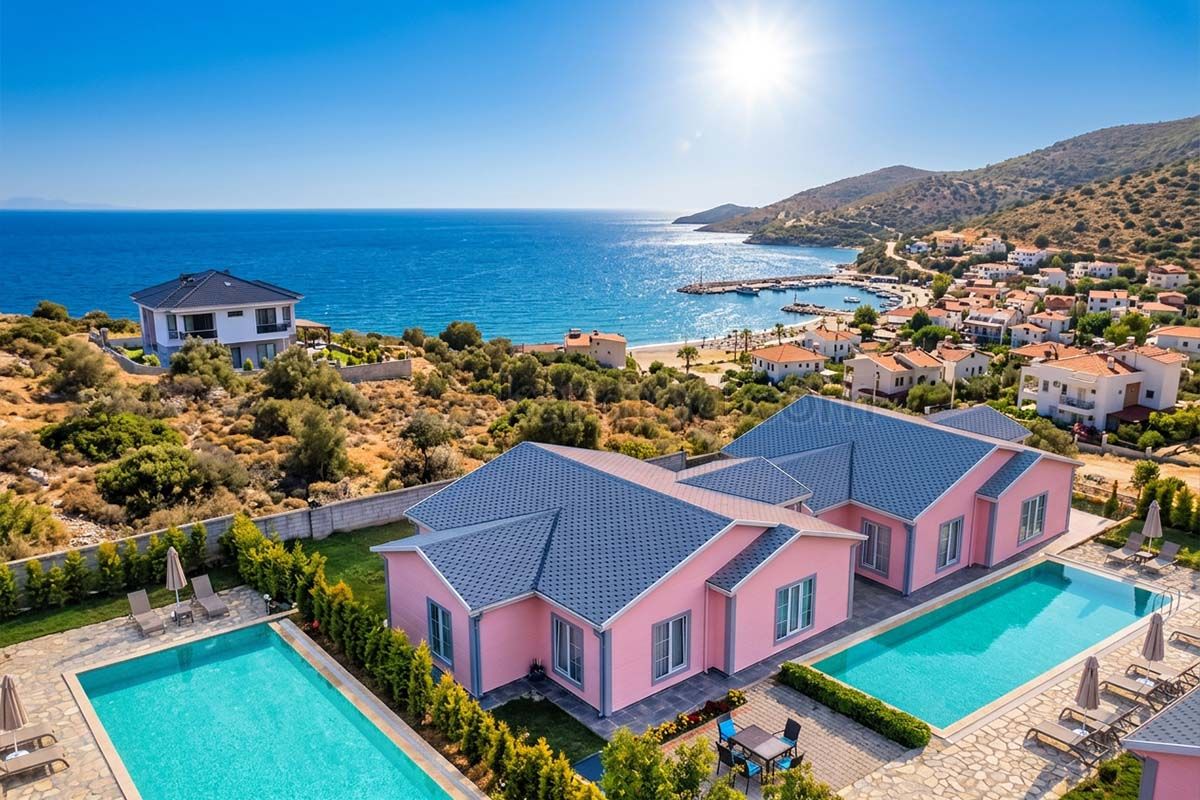
For clients comparing other housing solutions, Karmod also provides alternatives through its wider portfolio, including modular homes. These options are developed separately from container homes and may be considered when different room sizes, architectural forms, or site-specific requirements make another structure type more suitable.


From urban centers to remote islands, container homes are often chosen for their defined scope and manageable installation process. Relocation can be feasible in specific cases, but most residential projects are planned as permanent homes with foundations designed for the site’s ground conditions and drainage needs. For clients seeking a different layout scale or architectural direction, prefabricated villas offer an alternative residential format within Karmod’s broader offering.
Investing in a container home can be a practical step toward durable, climate-appropriate housing in Papua New Guinea. Contact Karmod today to explore container home options designed for your location, your usage needs, and the realities of building across diverse terrain.


Container home designs in Papua New Guinea work best when they prioritize ventilation, moisture resistance, and layouts that suit daily living in tropical conditions. Whether the project is planned for a coastal site, a high-rainfall inland area, or a remote community with limited access, container houses can be configured to deliver durable housing with a clean, modern profile.
Successful design choices often begin with how the home handles heat and humidity. Cross-ventilation, shaded openings, and covered exterior transitions can improve comfort while supporting lower operational demand. Karmod develops shipping container home layouts that consider orientation and airflow, helping the interior feel comfortable even in warm, wet weather.
Interior planning is especially important in compact structures. Well-designed container home interiors rely on practical storage, efficient circulation, and durable finishes that handle humidity. Kitchens and bathrooms require careful detailing for ventilation and moisture management, while bedroom placement and social areas should reflect how the household will actually use the space.
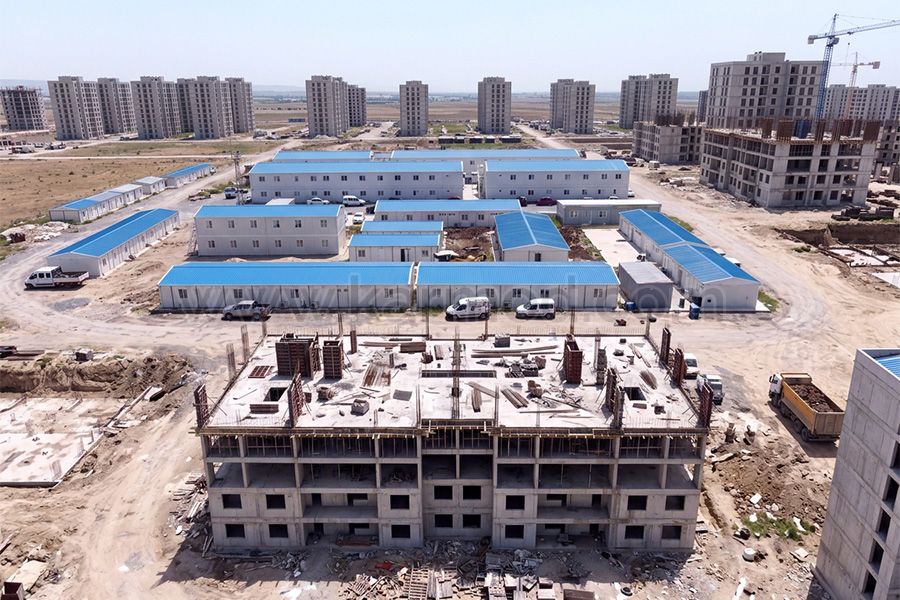
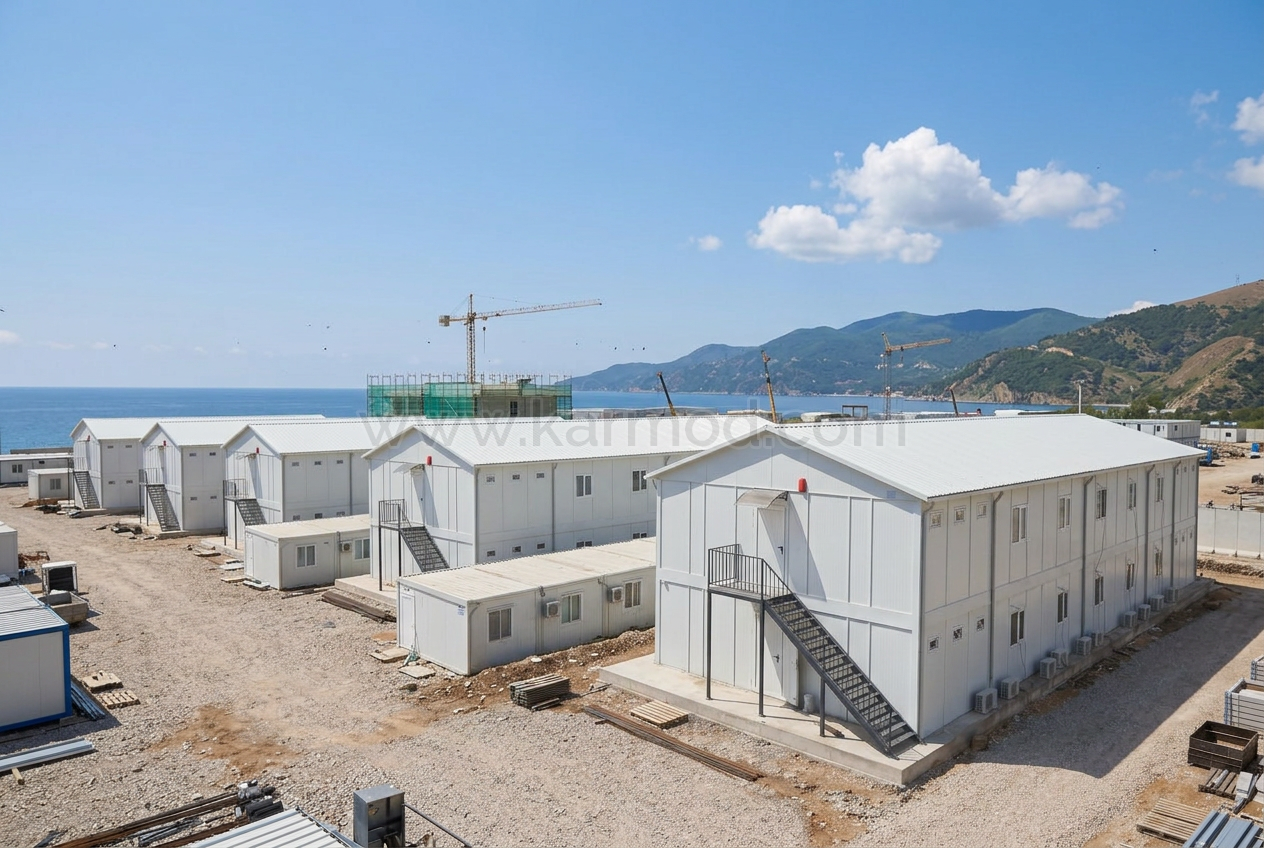
Container homes can be configured as single-unit residences, multi-container family homes, or multi-room layouts for staff or project accommodation. The right model depends on site constraints, access routes for delivery, and the intended duration and intensity of use. Karmod supports customization while maintaining disciplined planning so the final home feels coherent and purposeful.
If you are exploring modern container housing in Papua New Guinea, focus on designs that are engineered for the climate first. Comfort, durability, and maintainability are the foundations of a successful project.
Container homes are often evaluated in Papua New Guinea for their defined build scope and the possibility of reducing on-site construction time. However, overall cost depends on more than the container unit itself. Project budgets are influenced by the home’s size, interior specifications, insulation strategy, corrosion protection, transport logistics, and the site’s foundation and access requirements.
In Papua New Guinea, logistics can be a major cost factor, particularly for remote regions or island locations. Transport planning, lifting requirements, and delivery access should be assessed early, alongside drainage and foundation decisions that reflect local rainfall and ground conditions. A compact home with standard finishes will be planned differently from a multi-container residence with upgraded interiors, expanded covered outdoor areas, or higher-performance climate detailing.
Container homes can also reduce indirect costs when controlled fabrication shortens on-site work. This can be valuable in environments where prolonged construction is harder to manage due to weather, access, or limited local labor availability for specialized tasks.
Karmod supports container home planning with clear specifications and a structured scope, helping clients align design choices with practical budgets and the realities of building in Papua New Guinea.
Building a container home in Papua New Guinea begins with site evaluation and climate planning. High humidity, frequent heavy rainfall, and variable access conditions make drainage, corrosion protection, and ventilation central to long-term performance. Steel container homes can be a strong solution when the building envelope is designed as an integrated system—insulation, airflow, moisture barriers, and durable finishes working together.
Many projects benefit from a phased approach: defining the layout and technical details first, then preparing foundations and access routes, followed by delivery and installation. In remote areas, careful planning can reduce delays and limit the amount of work required on site. Karmod coordinates design and fabrication so installation can proceed efficiently once site readiness is confirmed.
Container homes can be planned for primary residences, staff housing, or seasonal use, depending on local needs. Interior details should be chosen with maintenance in mind, especially in humid conditions where material performance matters. Open-plan social areas, shaded outdoor transitions, and strong ventilation strategies can improve comfort while supporting a home that feels natural to live in.
If you're ready to explore container housing options in Papua New Guinea, consider how your location, logistics, and climate priorities shape the best design path. With professional planning and disciplined execution, container homes can provide durable, comfortable housing across diverse environments.
If you're ready to embrace a modern and practical living solution in Papua New Guinea, explore the possibilities with Karmod’s steel houses. Contact us today to learn more about how we can make your vision a reality.
Container home projects in Papua New Guinea should treat local approvals and compliance as an early planning step. Requirements can vary by province, municipality, and site conditions, so the most reliable approach is to consult the relevant local authorities for guidance on permits, zoning, and inspection expectations.
Documentation may include architectural drawings, structural information, and site details to demonstrate that the home will be safe and suitable for the intended use. In practice, areas with challenging terrain or exposure to heavy rainfall may require additional attention to foundations, drainage, and structural detailing. Working with experienced professionals helps ensure that container home plans are prepared clearly and that common compliance issues are addressed early.
Because climate is a major factor in performance, design documentation should reflect ventilation, moisture control, and material durability. Structural modifications—such as openings for doors and windows—should be engineered carefully to preserve the integrity of the container unit and support long-term safety.
Whether you are planning a remote retreat or a home near an urban center, careful compliance planning helps prevent delays and ensures the finished home is livable, durable, and properly documented. Karmod supports clients with a structured approach that prioritizes buildability, quality, and climate-appropriate design.
In order to serve you better, if you could kindly send an e-mail to info@karmod.com for questions and details about your theoretical and special architectural plans, projects, and product specifications, your request will be responded to as soon as possible.

From one end of the world to the other, we enable our customers to reach the ready-made construction sector produced with the new technology of the world. We guarantee reliability through technology and innovation, flexible commercial models and smart supply chain solutions that add value for you, following the project production network.
Discover
Karmod is one of the largest prefabricated construction companies in Turkey, with a production of 45,000 m2. produces high quality prefabs and prefab containers