EN
EN 


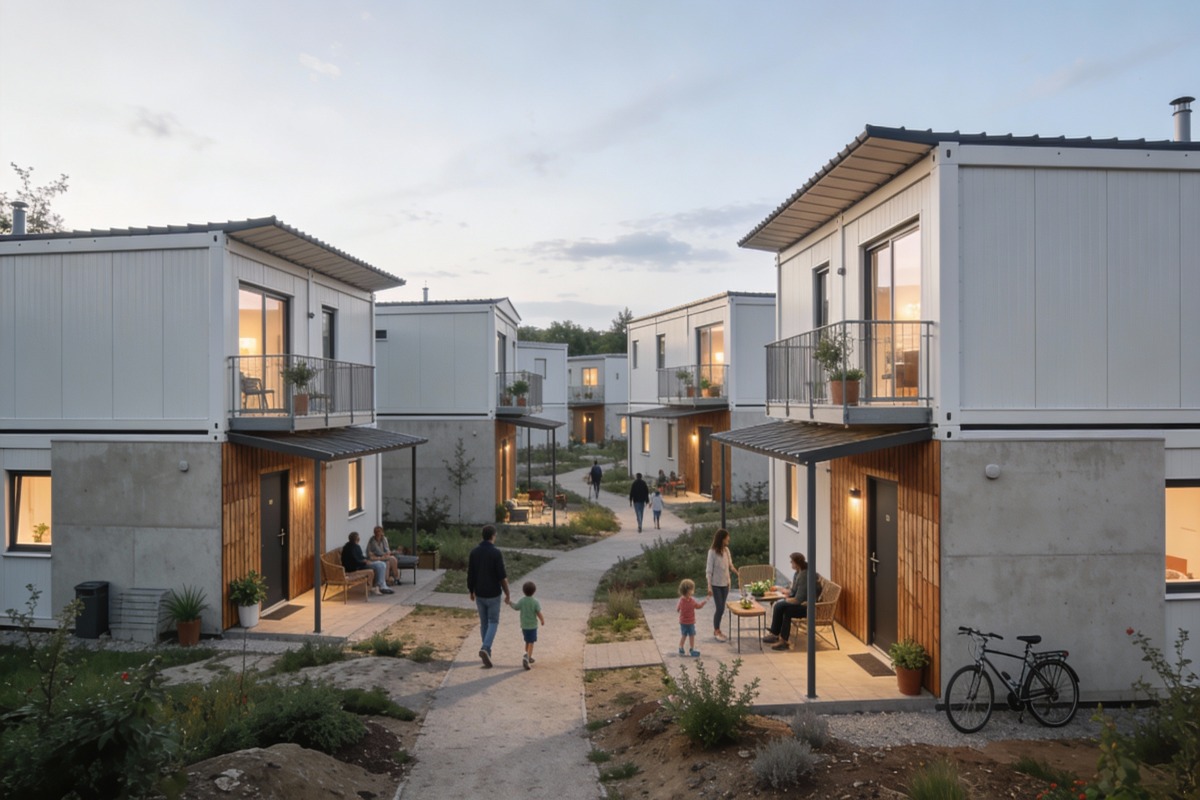
The concept of container homes has been reshaping residential choices across Europe, and Hungary is part of that shift. For buyers who want a distinctive living space with clear structural logic, shipping container homes offer a streamlined path from design to delivery. They can work as compact city dwellings, countryside retreats, or investment units, depending on the site and intended use.
Hungary’s four-season climate puts performance at the center of any housing decision. Container houses built on steel frames can be engineered for winter insulation, summer comfort, and long-term durability. With the right detailing for moisture control, ventilation, and thermal bridging, a container home can feel as refined as a conventional residence while maintaining its efficient footprint.
What attracts many buyers to container-based housing is the ability to plan space with precision. A single-container layout can support a minimalist lifestyle, while multi-container compositions allow for larger family homes with defined zones. This flexibility makes container houses relevant for suburban plots near Budapest as well as scenic settings such as the Lake Balaton region or vineyard landscapes.


Container homes can also support sustainability goals without turning the project into a “tech showcase.” Solar readiness, rainwater use where appropriate, and high-performance insulation are often considered during planning, alongside practical choices such as durable finishes and low-maintenance exterior solutions. In Hungary, where winter heating costs matter, thermal design and airtightness can be just as important as the visual concept.
Another advantage is how many use-cases fit the same structural idea. In Hungary, container homes are used not only as primary residences, but also as guest houses, weekend cabins, and small hospitality concepts such as garden suites or compact rental units. For commercial buyers, container structures can be adapted into workspaces or small on-site accommodation where speed and predictability are priorities.


If you want a housing solution that balances speed, consistency, and modern aesthetics, container homes are a practical option. Unlike traditional builds that can fluctuate with site conditions, many container home components can be planned and prepared in advance, supporting clearer timelines and more controlled workmanship. For a broader view of residential product lines, you can visit modular homes.
Karmod supports clients who want a well-managed process and a finished result that feels residential, not experimental. Material selection, interior planning, and performance detailing are coordinated to match the project’s location, intended use, and comfort expectations.


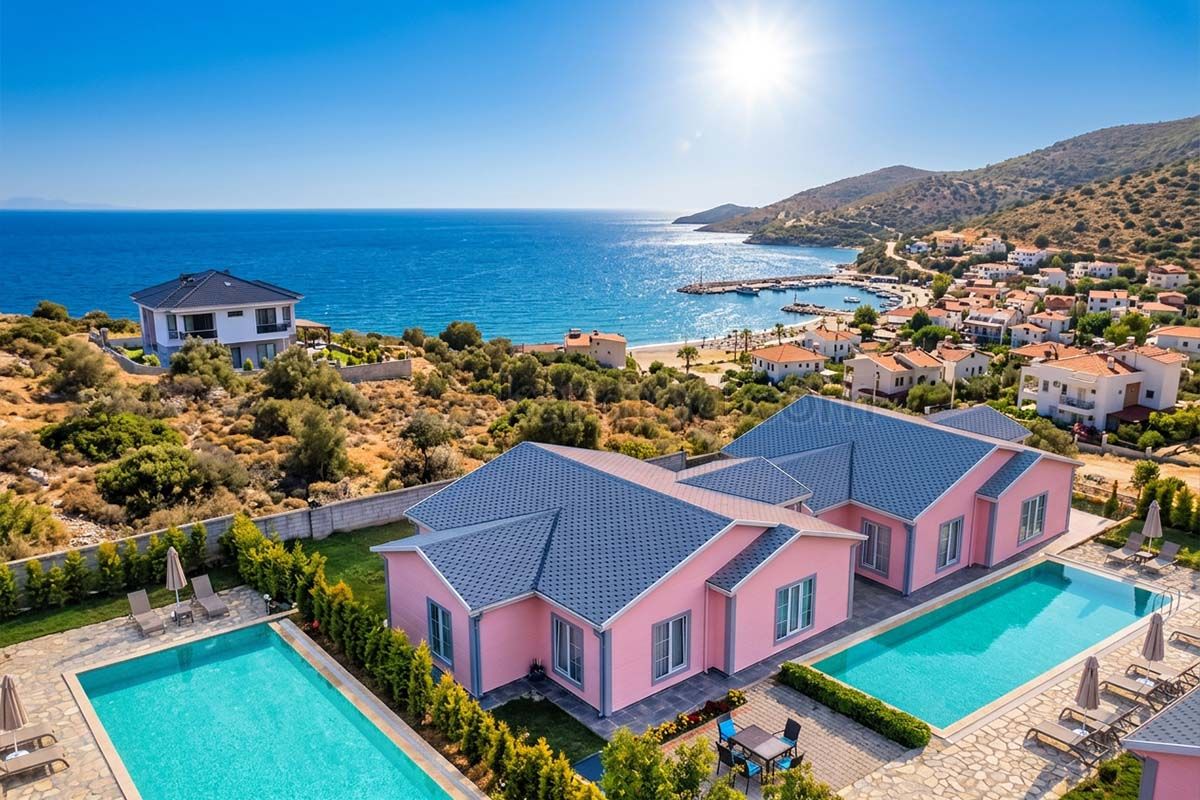
For clients comparing different residential formats, prefabricated villas can be reviewed alongside container home options to understand differences in layout, scale, and architectural expression. This can be helpful when the project goal leans toward larger floor areas or more traditional exterior proportions.
As more buyers look for housing that is efficient to deliver and straightforward to maintain, container homes are becoming a serious option in Hungary. Whether the priority is a compact footprint, an investment-ready unit, or a design-forward residence, shipping container homes can be configured to match a wide range of goals.
Explore Karmod’s portfolio to see how container houses can be planned for Hungary’s climate and lifestyle. Our team can support you from early concept through project coordination, helping you move forward with clear design logic and practical outcomes.
Container home designs in Hungary often start with a clear question: how will the home be used, and in which season? A weekend cabin concept can prioritize compact planning and low maintenance, while a full-time residence typically needs stronger thermal performance, storage solutions, and defined living zones. This “use-first” approach helps shape layouts that feel comfortable in winter and open in summer.
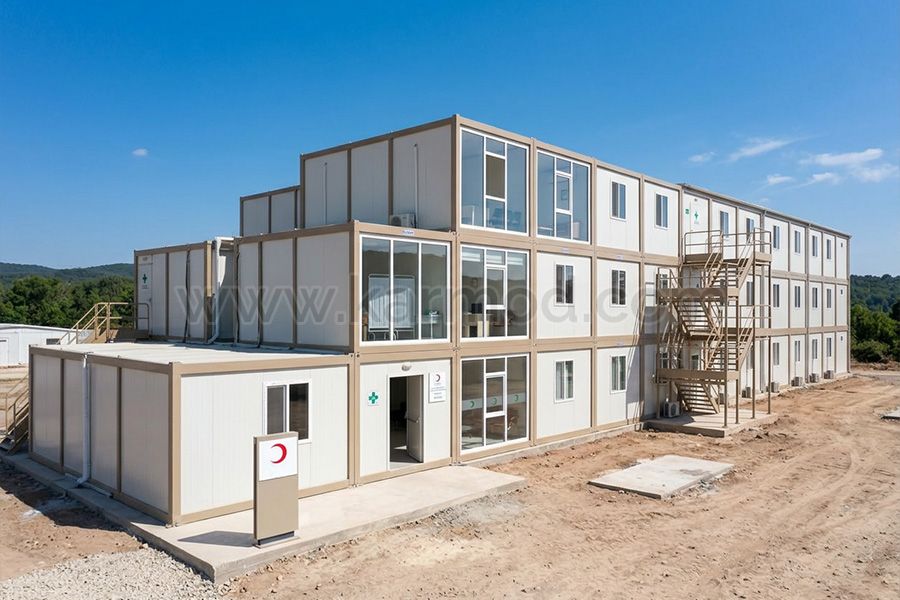
Multi-container compositions allow for more architectural variety than many people expect. You can create L-shaped plans for private courtyards, combine volumes for larger open-plan living areas, or separate sleeping and living spaces for quieter day-to-day use. Thoughtful window placement and shading strategies can support natural light without overheating during warmer months.
Karmod develops container houses with customizable planning, allowing you to choose a layout that aligns with your plot size and lifestyle. Finishes, insulation levels, and interior configurations can be adapted to match urban requirements or countryside settings, depending on where in Hungary the project will be installed.
Interior design decisions have a major impact on how spacious a container home feels. Built-in storage, clean circulation lines, and carefully selected materials can shift the experience from “compact” to “efficient.” For year-round use, comfort details such as acoustic control and balanced ventilation are often planned early to avoid compromises later.
For buyers interested in modern architecture without unnecessary complexity, container home designs offer a direct, structured way to build. With the right planning, you can achieve a home that feels contemporary, durable, and suited to Hungary’s seasonal rhythm.
Container home cost in Hungary depends on factors that are easy to define at the beginning of a project: size, number of containers, level of interior finish, insulation performance, and on-site requirements such as foundations and utility connections. Transportation distance and crane access can also affect the overall budget.
Container home prices typically vary between basic configurations and fully fitted, residential-grade solutions with upgraded insulation, refined interiors, and integrated systems. A clear specification is the best way to avoid surprises, especially for projects intended for year-round occupancy.
In Hungary, many buyers consider container houses because the scope can be scaled. You can start with a compact unit and expand later, or plan a multi-unit concept for rental use. Karmod supports cost planning by aligning design choices with practical build requirements, helping you set realistic expectations for the final project outcome.
If you would like a clearer idea of budget ranges for your intended size and finish level, Karmod can advise on options and configurations suited to Hungary’s climate and typical site conditions.
Building a container home in Hungary starts with site evaluation and a design brief that reflects real daily use. Orientation, access roads, and ground conditions influence the foundation strategy and delivery method. Early planning also helps ensure the container house works well through cold winters and warm summers.
Thermal performance is central for Hungarian conditions. Insulation, airtightness, window specification, and ventilation planning work together to manage heating efficiency and indoor comfort. Moisture control and condensation prevention are also important in steel structures, so detailing and material selection should be handled carefully.
Many container home projects benefit from a structured workflow that separates design and preparation from on-site installation. This approach can reduce disruption at the plot and support more consistent finishing. Depending on the project, options may include compact single units, multi-container residences, or phased expansion plans.
Choosing an experienced manufacturer and project partner can simplify coordination and reduce technical risk. Karmod supports clients through design development, production planning, and delivery logistics, helping ensure the container home meets performance expectations for Hungary’s climate and intended use.
Before moving forward with a container home in Hungary, it’s important to treat regulations as a project step, not an afterthought. Requirements can differ by municipality, and approvals typically depend on land-use designation, building placement rules, and compliance with safety and energy standards.
In many cases, authorities will expect documentation that shows structural stability, fire safety considerations, insulation strategy, and utility planning. If the container house is intended for full-time living, energy performance expectations may influence material choices and system design.
Local context also matters. Some areas prioritize maintaining a consistent streetscape, which can affect façade treatments, roof solutions, and external appearance. Designing the exterior so it sits naturally within its surroundings can help reduce friction during review.
Karmod supports container home projects by aligning technical planning with practical approval requirements. For the smoothest path, confirm zoning and permit expectations early with local authorities or qualified professionals, and then develop the design and documentation around those constraints.
In order to serve you better, if you could kindly send an e-mail to info@karmod.com for questions and details about your theoretical and special architectural plans, projects, and product specifications, your request will be responded to as soon as possible.

From one end of the world to the other, we enable our customers to reach the ready-made construction sector produced with the new technology of the world. We guarantee reliability through technology and innovation, flexible commercial models and smart supply chain solutions that add value for you, following the project production network.
Discover
Karmod is one of the largest prefabricated construction companies in Turkey, with a production of 45,000 m2. produces high quality prefabs and prefab containers