EN
EN 


Container homes are gaining strong interest across Germany as homeowners look for efficient, design-driven alternatives to conventional construction. At Karmod, we develop high-quality container homes tailored to a wide range of residential needs — from compact city dwellings to peaceful rural retreats.
Germany’s focus on energy efficiency and responsible building practices makes shipping container homes a practical choice. By repurposing durable steel structures and enhancing them with advanced insulation systems, these homes offer long service life with reduced material waste. Their adaptable layout options allow you to configure open-plan living areas, add workspace zones, or expand into multi-unit configurations depending on your lifestyle.
Each of our container houses is engineered to meet German structural and energy-performance expectations. Compared to conventional on-site construction, container-based housing can significantly shorten project timelines while maintaining high standards of safety and comfort. Clean architectural lines, efficient floor plans, and modern façade finishes make container homes suitable for both urban neighborhoods and countryside plots.


Whether you are planning a primary residence, a weekend getaway, or an investment property, container homes provide flexibility without sacrificing quality. You can also explore our steel houses to see alternative structural solutions developed by Karmod. For detailed information about our container houses in Germany, our team is ready to assist you with planning and technical guidance.
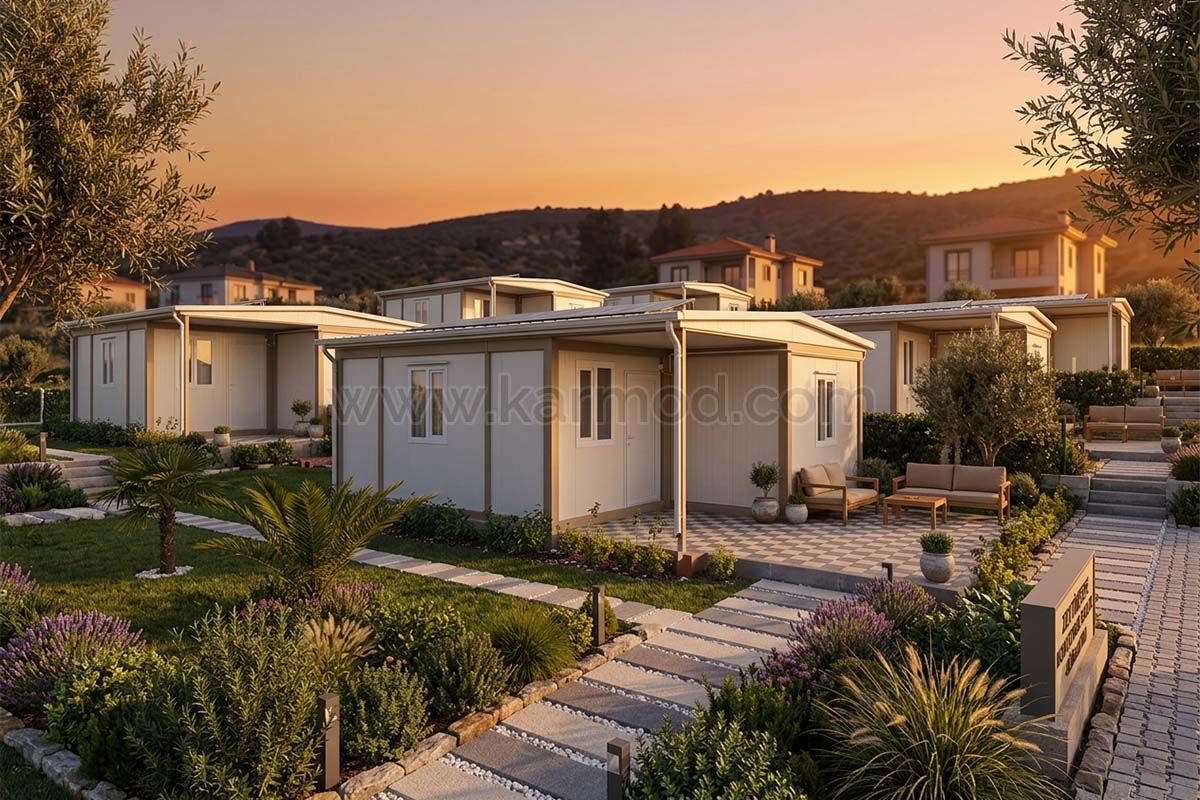
Container home designs in Germany range from compact single-unit layouts to expansive multi-container residences. At Karmod, our architectural team focuses on maximizing interior space while preserving a sleek exterior appearance that complements Germany’s diverse residential settings.


Popular configurations include one-bedroom starter homes, two- and three-bedroom family houses, and L-shaped or stacked concepts created by combining multiple shipping containers. Large glass panels, terrace extensions, and flat or low-pitched roof options help adapt the structure to both contemporary city districts and green suburban areas.
Every container house can be customized in terms of façade cladding, window placement, insulation thickness, and interior finishes. This flexibility allows homeowners to align their project with Germany’s climate conditions, ensuring comfortable indoor temperatures throughout cold winters and mild summers.


For clients evaluating different structural systems, our modular homes and prefabricated villas present additional residential options. However, container homes remain a distinctive solution for those who appreciate industrial aesthetics combined with architectural flexibility.
If you are comparing layouts or planning land development in Germany, Karmod can help you select a container home design that fits both your plot and your long-term living plans.
Modern container homes stand out for their structured geometry and adaptable layouts. By connecting multiple container units side by side or stacking them vertically, it is possible to create spacious interiors with clearly defined living, dining, and sleeping areas.
In Germany, where efficient land use is often essential, stacked container houses provide a practical solution for narrow plots. Exterior staircases, rooftop terraces, and balcony integrations further enhance usable space without expanding the building footprint.
Energy-conscious design is central to these projects. High-performance insulation, triple-glazed windows, and ventilation systems with heat recovery contribute to compliance with German energy standards while improving year-round comfort.
From compact studio concepts to multi-level family homes, container-based housing can be tailored to individual architectural preferences while maintaining structural reliability and visual consistency.
Karmod supports clients from initial planning to final installation, ensuring that each container home reflects both functional needs and local building expectations.
By combining engineering precision with architectural creativity, container homes in Germany can deliver distinctive living spaces designed for long-term use.
Container home cost in Germany depends on several variables, including total floor area, number of container units used, interior specifications, and site preparation requirements. A compact single-unit container house typically represents the most accessible entry point, while larger multi-container homes with premium finishes require a higher investment.
As a general indication, smaller turnkey container homes may start from lower budget ranges, while fully customized multi-bedroom residences can reach significantly higher figures depending on complexity and equipment. Factors such as foundation work, utility connections, transportation distance, and regional labor conditions also influence final pricing.
Shipping container homes often offer cost predictability because major structural components are manufactured in controlled environments before delivery. This approach reduces unexpected on-site expenses and shortens construction schedules.
Long-term operational savings should also be considered. Well-insulated container houses designed for Germany’s climate can help reduce heating costs, especially when combined with solar panels or other renewable energy systems.
Karmod provides detailed project-based quotations, allowing you to evaluate container home costs transparently according to your land, design preferences, and technical requirements.
For accurate pricing tailored to your location in Germany, our team can prepare a customized proposal based on your selected container home model.
Building a container home in Germany involves careful planning, from land selection to final inspection. The process typically begins with defining the project scope — number of units, layout concept, and intended use — followed by architectural drawings adapted to local planning conditions.
Site preparation is a critical stage. Depending on soil conditions and municipal requirements, foundations may vary from concrete slabs to pier systems. Utility connections for water, electricity, and wastewater must be integrated into the design before installation.
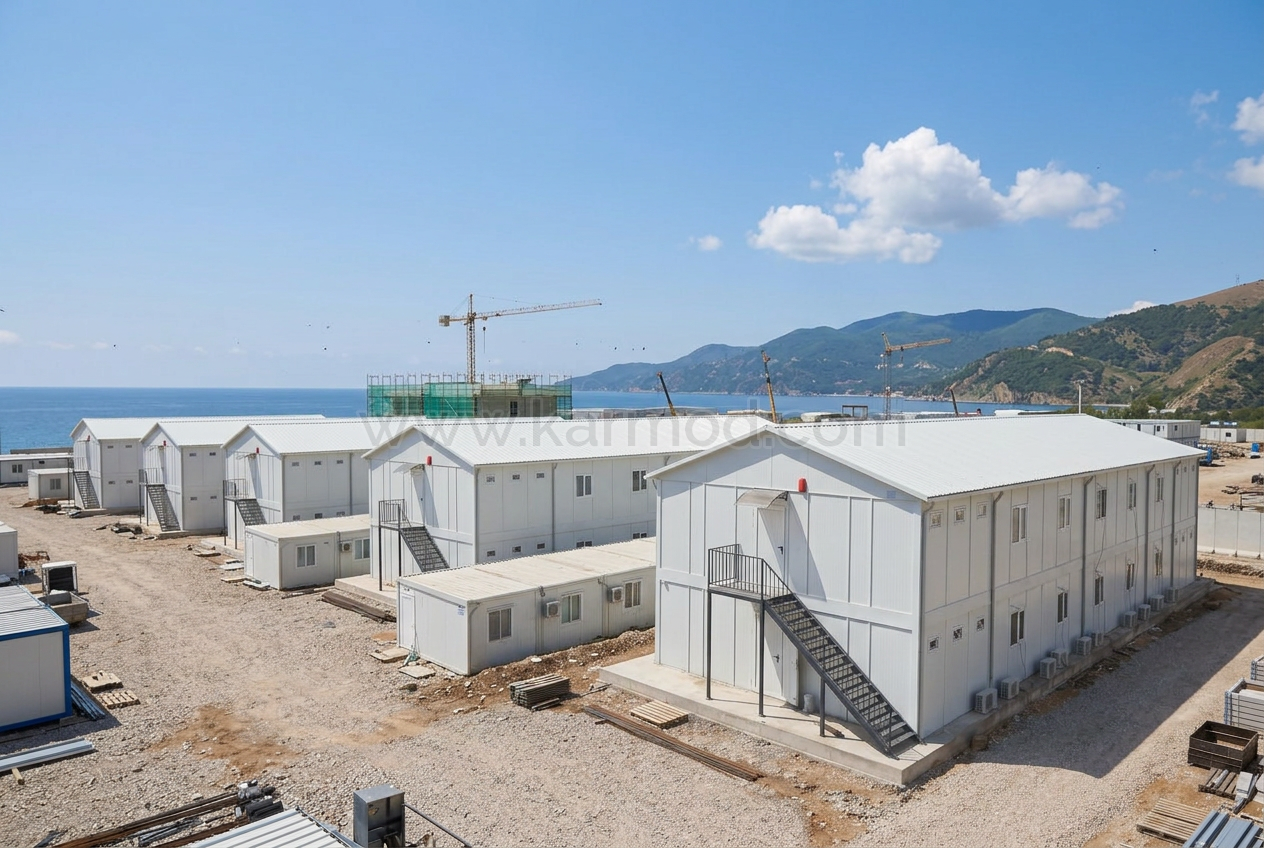
Container units are manufactured with structural reinforcements, insulation layers, and pre-installed electrical infrastructure. Once delivered to the site, assembly is carried out efficiently, significantly reducing disruption compared to conventional construction methods.
Germany’s varied climate requires attention to thermal performance. Proper insulation, moisture barriers, and ventilation systems ensure comfort during cold winters and maintain healthy indoor air quality year-round.
Working with an experienced manufacturer like Karmod helps streamline coordination between design, production, transportation, and on-site installation. This integrated approach supports smoother project execution from concept to completion.
With structured planning and professional guidance, container houses can be realized as permanent residences that meet both functional expectations and aesthetic goals.
Interior planning plays a decisive role in maximizing comfort within container homes. Thoughtful space organization, built-in storage solutions, and open-plan concepts help create interiors that feel larger than their footprint suggests.
In Germany, many homeowners favor clean lines and natural color palettes. Combining engineered wood flooring with neutral wall finishes and large windows enhances brightness while maintaining a contemporary atmosphere.
Smart storage solutions — such as wall-integrated cabinets and multifunctional furniture — are particularly valuable in compact container houses. These elements improve usability without compromising visual clarity.
High-quality insulation not only supports energy efficiency but also improves acoustic comfort. This is especially important in urban settings where exterior noise reduction enhances overall living quality.
Lighting design further defines the ambiance. Recessed ceiling lights, pendant fixtures above dining areas, and strategically placed LED strips can highlight architectural features within the container structure.
With careful interior planning, shipping container homes can deliver comfortable, modern living spaces tailored to Germany’s residential expectations.
Before starting a container home project in Germany, it is essential to review local planning regulations. Building requirements are typically determined at the municipal level, and approval procedures vary depending on the region and intended land use.
Most container houses designed for permanent residence require a formal building permit. This process generally involves submitting architectural drawings, structural calculations, and energy performance documentation for review by local authorities.
Zoning rules define whether residential construction is permitted on a specific plot. Height restrictions, distance to neighboring properties, and façade appearance guidelines may also apply, particularly in established residential areas.
Energy efficiency standards play a central role in German construction regulations. Container homes must meet insulation and heating performance criteria comparable to other residential buildings. Integrating compliant insulation systems and efficient heating technologies from the planning stage supports smoother approval.
By collaborating with an experienced provider such as Karmod, clients can navigate documentation, engineering requirements, and technical coordination more effectively. Proper preparation ensures that your container home project progresses without unnecessary administrative delays while meeting all applicable standards in Germany.
In order to serve you better, if you could kindly send an e-mail to info@karmod.com for questions and details about your theoretical and special architectural plans, projects, and product specifications, your request will be responded to as soon as possible.

From one end of the world to the other, we enable our customers to reach the ready-made construction sector produced with the new technology of the world. We guarantee reliability through technology and innovation, flexible commercial models and smart supply chain solutions that add value for you, following the project production network.
Discover
Karmod is one of the largest prefabricated construction companies in Turkey, with a production of 45,000 m2. produces high quality prefabs and prefab containers