EN
EN 


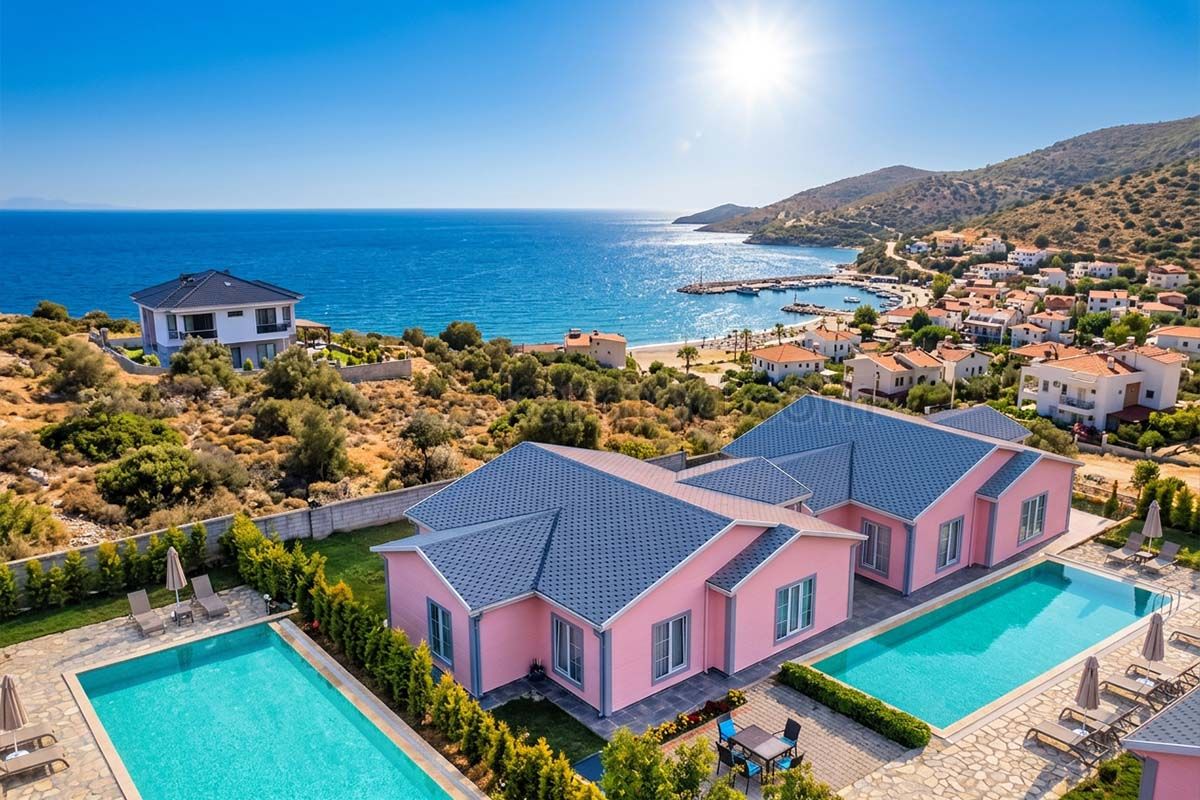
France, celebrated for its architectural heritage and design standards, is also a strong fit for container homes. These steel-based residences bring a contemporary look, efficient use of space, and a build approach that suits both urban plots and countryside settings.
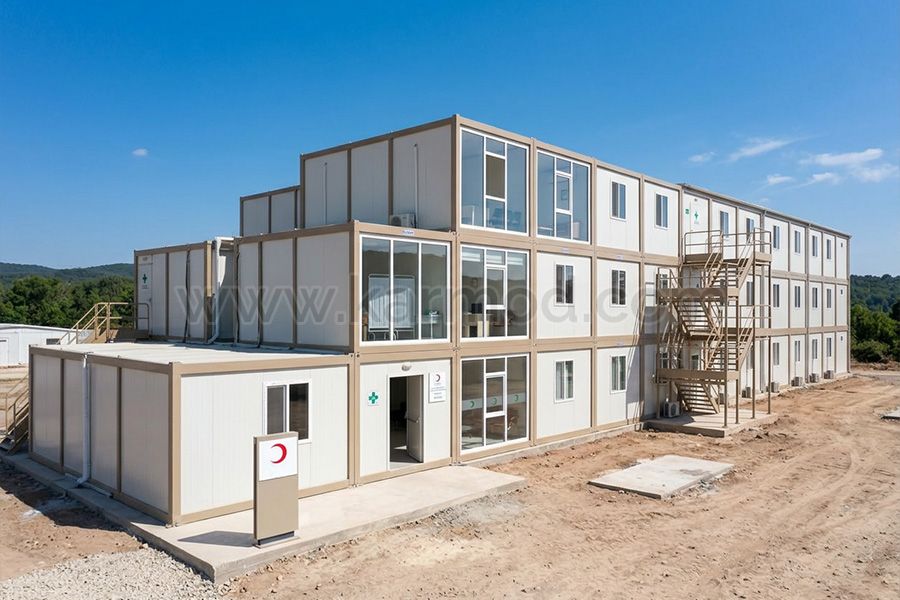
Shipping container homes are created from durable steel units and can reduce material waste by giving containers a new purpose. From a compact retreat near the coast to a primary residence outside the city, container houses can be planned to match your lifestyle while respecting the character of French surroundings.
One of the strongest advantages of container-based housing is its flexibility. Layouts can be configured as a single-unit home or expanded into multi-container compositions with separate living zones. Finishes, window placements, and exterior treatments can be selected to suit anything from a clean, minimalist look to a warmer, country-inspired style.


France’s climate varies widely, so thermal performance matters. In northern and eastern regions, well-specified insulation and efficient heating are essential for comfort. In the Mediterranean south, shading, ventilation planning, and sun-oriented glazing choices can help manage summer temperatures. A properly engineered container home can be designed for year-round living across these conditions.
With years of experience in crafting high-quality modular homes, Karmod has earned a reputation for consistent workmanship. Our container homes are developed with careful detailing and durable materials, and our team supports clients from early planning through delivery and installation.


Discover how Karmod's prefabricated villas and steel houses are transforming the housing landscape in France. Whether you're planning to build a vacation home, a permanent residence, or even a commercial space, our container homes offer a practical, design-led solution.
If you’re comparing options, start with your intended use, site conditions, and preferred layout. Our team can help translate those needs into a clear container home concept that fits both your goals and the realities of building in France.


Container home designs in France typically fall into a few clear categories: compact single-container homes, two-unit layouts with separate living and sleeping zones, and multi-container residences built around a larger open-plan core. The right model depends on how you plan to use the home—full-time living, a weekend place, guest accommodation, or an investment property.
For tighter urban plots, smarter circulation and built-in storage can make a container house feel surprisingly spacious. In rural areas, designs often prioritize indoor-outdoor flow—think terraces, covered porches, and large openings that frame the landscape without overwhelming it.
Karmod offers design flexibility without forcing a “one size fits all” approach. You can choose room counts, kitchen and bathroom positioning, façade treatments, and interior finishes to align with your personal taste and how you live day to day.
To explore suitable models, consider how many private rooms you need, whether you want a dedicated workspace, and how much of your lifestyle happens outdoors. Those choices quickly point to the most practical container home layout for your site.
In cities, container houses often work best as efficient, light-filled homes with carefully planned glazing and a strong focus on acoustic comfort. In the countryside, the priorities shift toward views, privacy, and shading—especially in sun-exposed regions. Both settings benefit from thoughtful orientation, window placement, and energy-conscious detailing.
Container home costs in France are shaped by the size of the project, the number of containers, and the level of interior specification. A simple, compact layout intended for occasional use will price differently from a multi-container primary residence with higher-end finishes and additional systems.
Site-related factors also influence budget. Access for delivery, foundation requirements, and local utility connections can change the overall cost significantly—especially on sloped terrain or in remote areas.
Interior choices are another major cost driver. Kitchen and bathroom selections, insulation performance targets, window and door upgrades, and heating or cooling preferences all affect final pricing. Rather than relying on broad averages, it’s better to work from a defined floor plan and specification list.
Karmod provides clear guidance during planning so you can align design ambition with budget. By mapping priorities early—space, performance, and finish level—you can reach a container home solution that makes sense financially and functionally.
If you want an accurate estimate, share your preferred layout, intended location, and how you plan to use the home. That allows a more realistic cost outline that reflects real project variables rather than generic ranges.
Building a container home in France starts with defining use and site constraints, then translating them into a workable plan. Orientation, access for transport, and foundation strategy should be considered early, because they affect both design choices and the installation approach.
From a technical standpoint, container houses require precise structural modifications for openings, reinforcement where needed, and careful detailing around insulation, moisture control, and ventilation. These elements are essential for long-term comfort and durability, especially in regions with colder winters or strong summer heat.
Container home kits can be an option for certain projects, but many buyers prefer a managed process that keeps design, production, and site coordination aligned. With Karmod, the aim is to reduce friction by planning the build sequence from the start and avoiding surprises during installation.
For rural properties, container homes can also support more independent living setups. Features such as solar compatibility, water storage planning, and efficient thermal performance can be considered during design, depending on the site and your goals.
Whether you’re aiming for a compact residence or a larger multi-container layout, a successful build comes down to engineering, specification, and coordination. Karmod’s team supports each stage so the finished home is practical, comfortable, and suited to its setting.
French interiors are often defined by balance: restrained elegance, quality materials, and spaces that feel calm rather than crowded. Container home interiors can reflect that same approach with smart layouts, good natural light, and finishes that soften the steel structure without hiding its character.
Start with a layout that keeps circulation simple. Open-plan living and kitchen zones work well in container houses, especially when combined with built-in storage that reduces visual clutter. Where privacy is important, sliding partitions or well-placed hallway buffers can separate sleeping areas from social spaces.
Material choices help set the tone. Light timber, matte surfaces, and neutral palettes can make a compact container home feel larger. In heritage-rich areas, subtle texture—stone-effect finishes, warm woods, or classic hardware—can create a look that sits comfortably alongside traditional French surroundings.
Daylight is a major design asset. Larger openings, carefully positioned windows, and glass doors can connect the interior to gardens, courtyards, or vineyard views. In warmer regions, consider shading strategies that maintain brightness without overheating the space.
If you want a more tailored result, interior options can include integrated wardrobes, space-saving utility zones, and multi-purpose rooms for work or guests. The goal is a container home interior that feels intentional, not improvised.
Ready to shape your interior concept? Karmod can help you plan a container house that matches your preferred style and daily routines, with solutions that make the most of every square metre.
Before moving forward, it’s important to understand how container homes are treated locally. In France, requirements can vary by commune and region, depending on zoning rules, land designation, and whether the project is classed as a permanent residence or a different type of use.
When developing your container home plans, consult local authorities about planning permission, allowable size, placement on the plot, and exterior appearance expectations—especially in areas with visual protections or heritage considerations. Some locations may also require specific performance standards related to energy efficiency and habitability.
Working with experienced container home builders helps you prepare the right documentation and avoid design decisions that conflict with local expectations. Karmod supports this process by aligning design details with practical approval needs, while keeping the focus on a functional, well-finished container house.
Our team can assist with the project pathway from early planning through production and delivery, helping you keep the process organized and consistent. By addressing approvals and compliance considerations early, you protect your timeline and reduce costly revisions later.
To start confidently, share your intended location and how you plan to use the home. That context helps define the most sensible next steps for a compliant, well-planned container home project in France.
In order to serve you better, if you could kindly send an e-mail to info@karmod.com for questions and details about your theoretical and special architectural plans, projects, and product specifications, your request will be responded to as soon as possible.

From one end of the world to the other, we enable our customers to reach the ready-made construction sector produced with the new technology of the world. We guarantee reliability through technology and innovation, flexible commercial models and smart supply chain solutions that add value for you, following the project production network.
Discover
Karmod is one of the largest prefabricated construction companies in Turkey, with a production of 45,000 m2. produces high quality prefabs and prefab containers