EN
EN 


Argentina’s wide-ranging geography, from dense urban centers to open rural land, has made container homes an increasingly practical housing option. With their contemporary appearance, controlled costs, and efficient use of materials, container houses are reshaping residential expectations across the country. Built from repurposed shipping containers, these homes reduce material waste while offering impressive structural strength. Their steel framework performs reliably in Argentina’s varied climates, from humid coastal zones to colder southern regions.
One of the most notable advantages of container-based housing is construction speed. Compared to conventional building methods, container homes can be completed in significantly shorter timeframes thanks to off-site preparation and streamlined on-site assembly. This efficiency is especially valuable in fast-growing urban areas where housing demand requires practical, time-conscious solutions.
Modern shipping container homes are no longer defined by rigid or industrial appearances. Today’s designs range from compact city residences to spacious family houses, all adapted to different lifestyles. In Argentina, homeowners are increasingly drawn to container home designs that combine open interiors, generous glazing, and environmentally responsible materials, creating living spaces that feel both modern and comfortable.


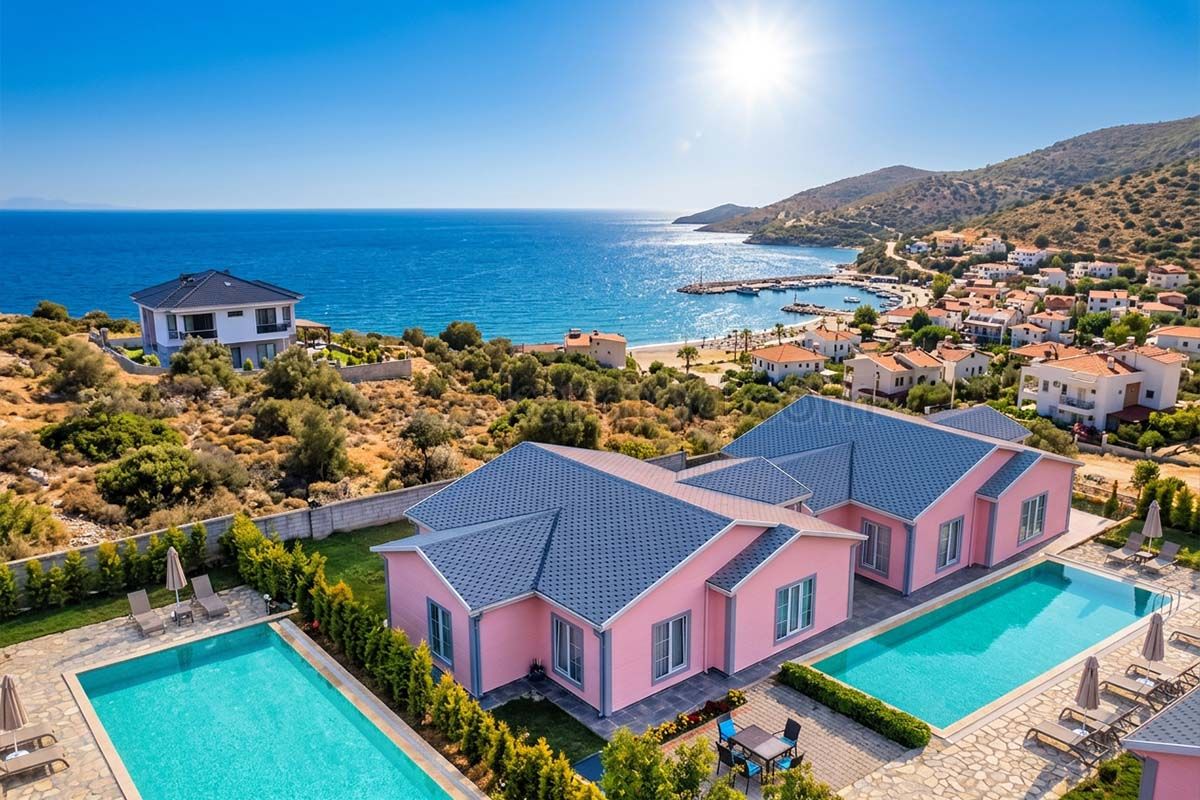
For projects that require more interior space and enhanced comfort, container-based villas offer larger layouts while retaining the structural benefits of steel construction. These residences are designed to support family living or long-term investment use, whether located near major cities or in quieter countryside settings. Flexible planning allows each container house to respond to site conditions and personal preferences.
Environmental awareness plays an important role in housing decisions across Argentina, and container homes align well with this perspective. Reusing shipping containers reduces construction waste, while energy-conscious design options support lower long-term consumption. Features such as high-performance insulation and solar-ready systems make container houses suitable for homeowners seeking efficient, future-oriented living environments.


For those comparing different contemporary housing approaches, alternative construction systems may also be considered alongside container homes. However, container-based housing remains distinct due to its structural strength, adaptability, and efficient use of space, making it a compelling option within Argentina’s evolving residential landscape.
Karmod has built strong expertise in container housing solutions, delivering projects that respond to both functional needs and local conditions. From early design planning to final installation, each container home is developed with attention to durability, comfort, and long-term usability. This approach ensures reliable outcomes for residential and investment-oriented projects alike.


If you are considering a modern approach to housing, exploring container homes can open new possibilities. With adaptable designs and proven construction systems, Karmod supports clients in shaping container houses that align with their vision and site requirements.
Argentina’s architectural diversity and regional contrasts encourage housing solutions that are flexible and climate-aware. Container home designs respond well to these conditions by offering layouts that can be adapted for dense urban plots, suburban neighborhoods, or remote landscapes. This versatility has positioned container houses as a practical residential option across the country.
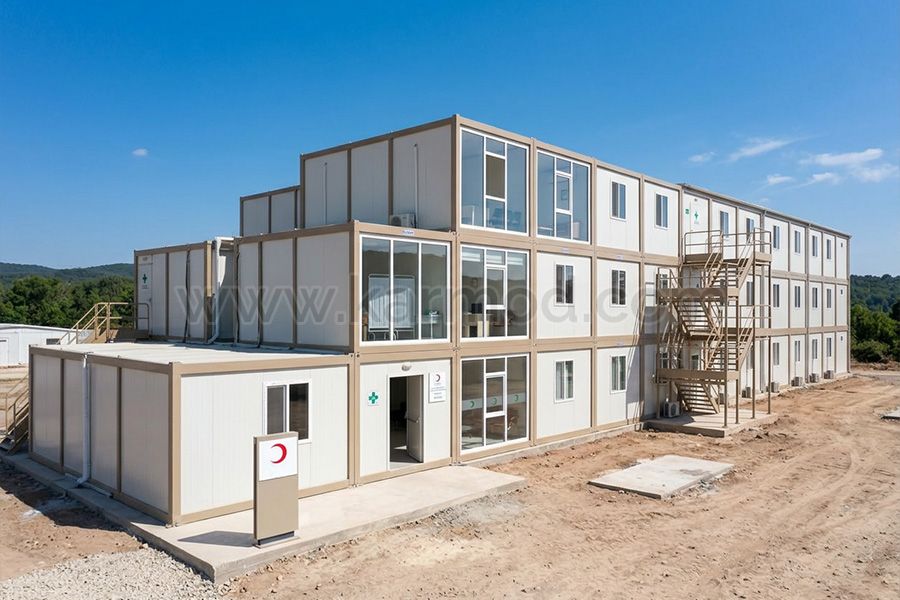
A key strength of container homes in Argentina is their design flexibility. Repurposed shipping containers can be configured into single-unit dwellings or multi-container residences, depending on space requirements. Whether located in Buenos Aires or in more remote regions, container houses provide a balance of durability and visual simplicity. At Karmod, each design is shaped around functional needs, site conditions, and personal preferences.
Interior planning plays a central role in successful container housing. Thoughtful layouts improve circulation, natural light, and comfort, moving far beyond the industrial origins of shipping containers. Modern interiors emphasize efficient use of space while maintaining a residential atmosphere suitable for everyday living.
Material performance is particularly important given Argentina’s climatic variety. Container homes are engineered to handle humidity, temperature changes, and wind exposure, ensuring consistent indoor comfort. This focus on performance makes container houses suitable for long-term residential use rather than temporary accommodation.
Customization options allow homeowners to define room arrangements, finishes, and exterior treatments. Whether planned as a compact urban residence or a larger family home, container houses can be tailored to meet both functional and aesthetic expectations.
With informed planning and professional support, container home designs in Argentina offer a reliable path toward efficient and adaptable living spaces that respond to modern housing needs.
Container homes are gaining attention in Argentina as a cost-conscious residential solution that balances durability and modern living standards. Pricing depends on several variables, including the number of containers used, layout complexity, interior specifications, and site conditions. A basic container home may begin around $10,000 USD, while larger or more detailed projects can reach $50,000 USD or higher, depending on customization.
One reason container houses remain competitively priced is their streamlined construction process. Shipping containers serve as the primary structural element, reducing material requirements and shortening build times. Lower labor demands and controlled production environments contribute to predictable project budgets.
Container-based housing also supports environmentally responsible building practices. By reusing existing materials, these homes reduce resource consumption and construction waste. For homeowners prioritizing sustainability, container houses offer long-term value alongside manageable upfront costs.
Additional expenses such as insulation, utilities, and interior finishes should be factored into overall planning. With careful design decisions, container home costs can remain controlled while still delivering comfortable, durable living spaces. Karmod provides project guidance that helps balance budget considerations with performance and quality expectations.
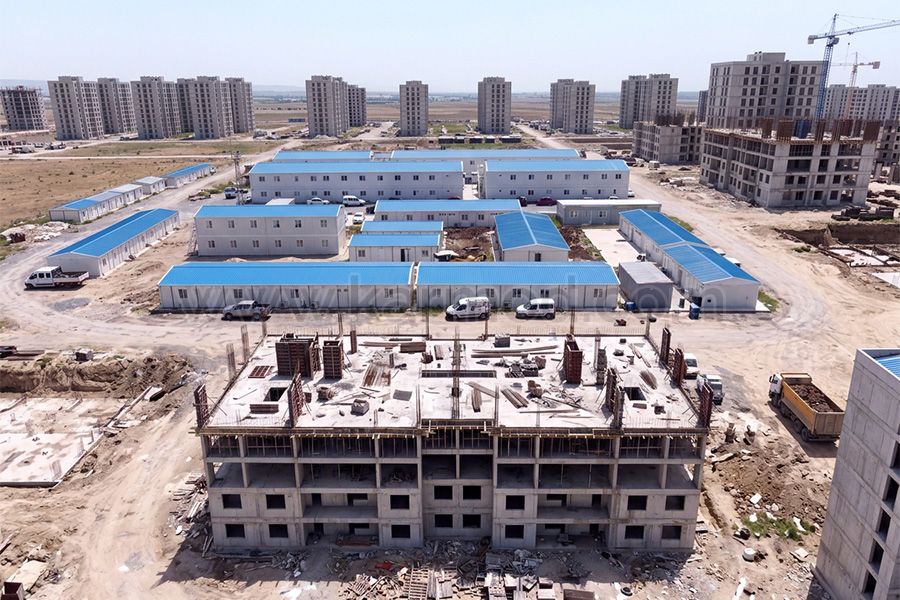
Argentina’s regional diversity makes container homes a practical construction option across different environments. Steel container structures perform well in both warm and cooler climates, while standardized dimensions support efficient planning and assembly. This adaptability has made container houses an increasingly viable residential choice.
Selecting experienced professionals is essential when planning a container home. Knowledge of transport logistics, site preparation, and local conditions directly affects build quality and timelines. Working with a provider experienced in container housing helps ensure that design intent aligns with construction realities.
Container home layouts can be adapted for both connected and semi-independent living. Options include enhanced insulation systems, energy-efficient installations, and flexible interior planning. These features allow container houses to respond effectively to different regional requirements within Argentina.
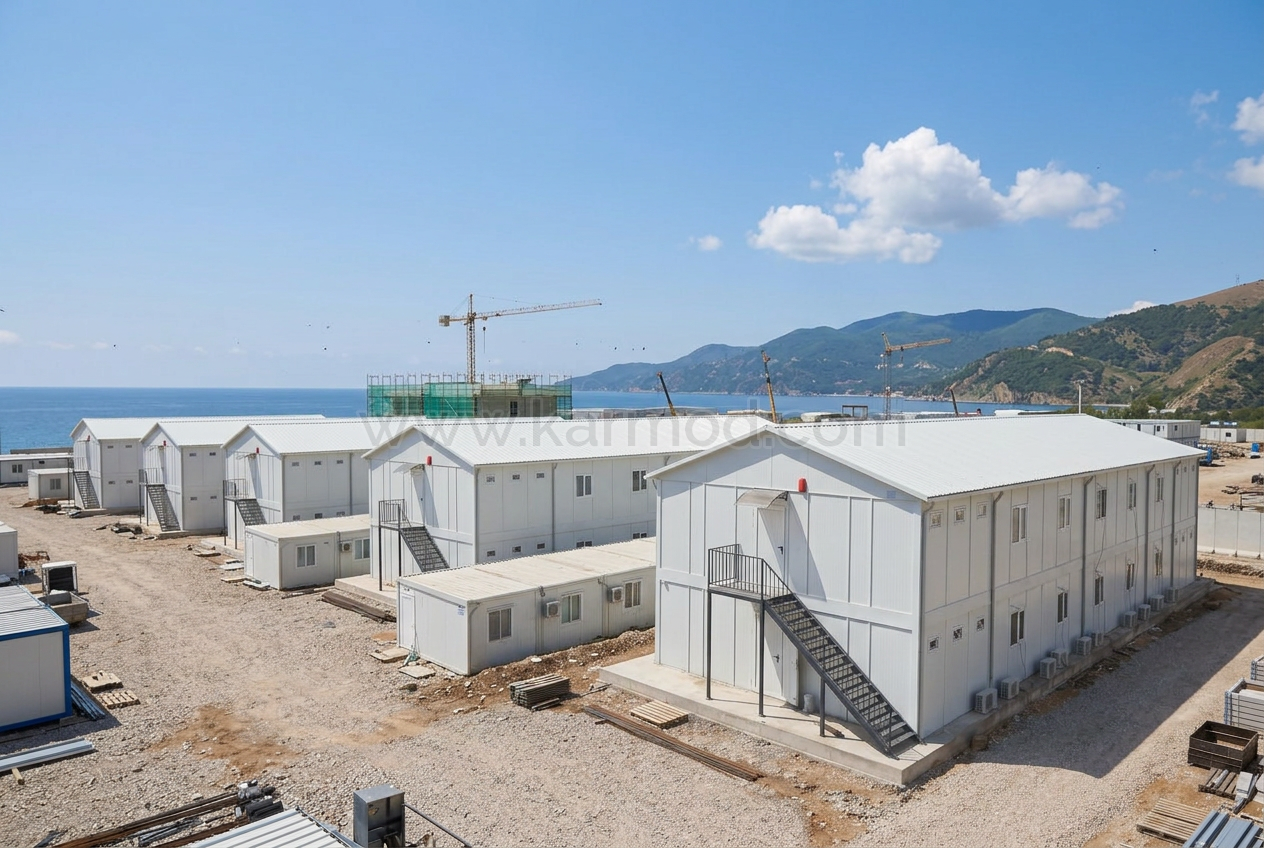
Off-site preparation of container components reduces construction disruption and exposure to weather-related delays. Once delivered to site, installation progresses efficiently, minimizing on-location labor while maintaining build quality.
Whether planned as a primary residence or a secondary property, container homes offer a practical blend of durability, efficiency, and contemporary design. With professional planning, they can support long-term residential use in a wide range of settings.
Developing container homes in Argentina requires attention to local planning frameworks and construction requirements. Regulations can vary by province and municipality, making early consultation an important part of project planning.
Building authorities typically assess container house designs for structural safety, insulation performance, and compliance with zoning rules. Requirements may differ between major cities and rural areas, particularly regarding permanent residential use.
Permit applications usually involve submitting detailed construction plans that outline layout, materials, and intended use. Working with experienced container home professionals helps ensure that documentation aligns with local expectations and reduces approval delays.
Land-use considerations are also critical. Certain zones may impose limitations on alternative construction systems, so verifying property eligibility is essential before proceeding. Energy-efficient features and responsible site planning can support smoother approval processes.
Karmod supports container home projects with design adaptation and technical guidance that considers regulatory conditions alongside functional needs. With informed planning and professional support, container housing in Argentina can be developed in a compliant and reliable manner.
In order to serve you better, if you could kindly send an e-mail to info@karmod.com for questions and details about your theoretical and special architectural plans, projects, and product specifications, your request will be responded to as soon as possible.

From one end of the world to the other, we enable our customers to reach the ready-made construction sector produced with the new technology of the world. We guarantee reliability through technology and innovation, flexible commercial models and smart supply chain solutions that add value for you, following the project production network.
Discover
Karmod is one of the largest prefabricated construction companies in Turkey, with a production of 45,000 m2. produces high quality prefabs and prefab containers