EN
EN 


Bulgaria is strengthening its position in modern construction as investment and development continue across Sofia, Plovdiv, Varna, Burgas, and key industrial corridors connected to the EU market. The country’s climate ranges from cold winters with snow in higher elevations to hot summers and humid coastal conditions along the Black Sea. For projects that demand predictable delivery, controlled quality, and adaptable footprints, container-based solutions are increasingly being evaluated as practical building assets rather than temporary structures.
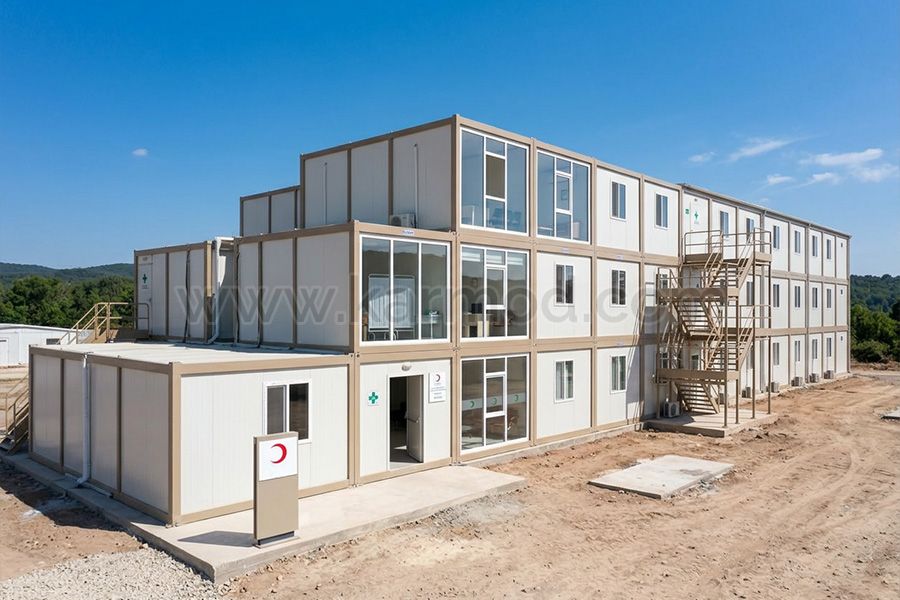
In this environment, Bulgaria container buildings support fast deployment for accommodation, site services, and commercial use while maintaining the flexibility to expand or relocate. The same approach applies to Bulgaria container homes for workforce or compact living concepts and to modular construction programs where repeatable layouts and standardized performance help reduce schedule and procurement risk. To review the broader product scope, visit containers and the dedicated portfolio of container buildings used across a wide range of projects.


Bulgaria container homes are valued for efficient planning and fast installation, particularly when the project requirement includes fixed timelines, constrained sites, or phased expansion. Built as modular container buildings, these homes can be delivered as single modules for compact accommodation or combined into multi-module layouts that include separate bedrooms, living areas, kitchens, and sanitary zones. This modularity supports standardization across multiple units while still allowing customization in façade design, interior finishes, and service layouts.
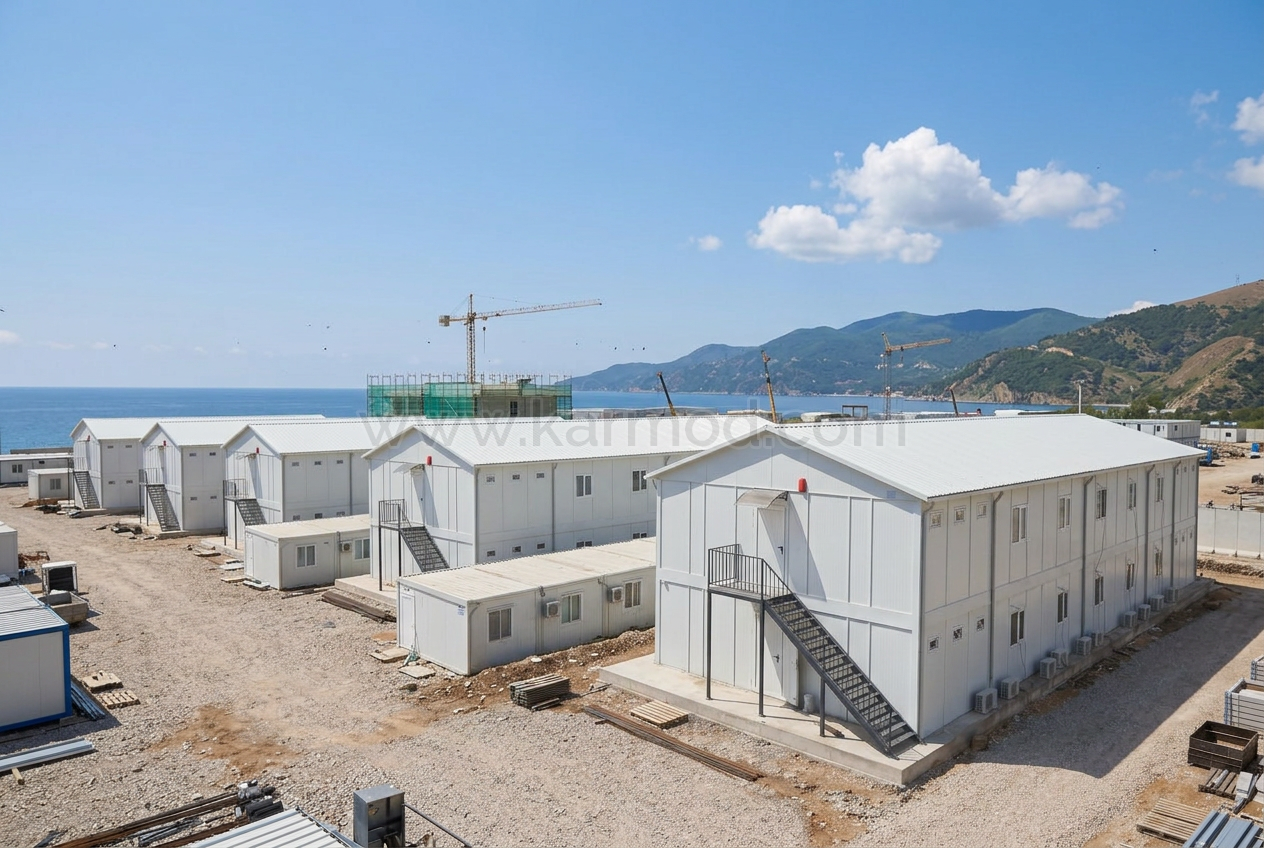
Sustainability is most effective when container-based housing is specified for long-term reuse. Factory-based production can reduce on-site waste and improve assembly consistency, while modular planning supports relocation and repurposing. Bulgaria’s seasonal extremes make climate performance a central specification issue. In cold months, thermal insulation, airtightness, and condensation control help ensure comfort and protect materials; in summer, shading, ventilation strategy, and solar gain management become essential. Properly engineered climate-resistant container buildings can perform reliably across both inland continental conditions and more humid coastal zones.
Affordability often means predictable cost and reduced schedule exposure. With prefabricated container systems, project teams can shorten time-to-occupancy and manage expansion in phases, adding modules as capacity requirements grow. This flexibility is particularly useful for temporary deployments that still require professional standards of comfort and durability.


Industrial and commercial activity in Bulgaria creates steady demand for secure, relocatable storage across construction sites, logistics hubs, agricultural operations, and manufacturing supply chains. Bulgaria container storage solutions provide robust, weather-resistant storage capacity that can be positioned close to operations, improving workflow and reducing losses associated with dispersed inventory handling.
Construction sites use storage containers to secure tools, consumables, and equipment while maintaining controlled access. Logistics operators deploy container storage for overflow capacity, staging, and temporary distribution points near major transport routes and port-adjacent areas. Agricultural and food-related businesses use storage units to manage seasonal peaks for supplies, packaging, and maintenance assets, while industrial sites benefit from protected space for spares, components, and regulated materials. Durability and security are essential: reinforced structures, dependable locking hardware, and options for internal racking, lighting, and ventilation support safer and more efficient site operations.
Relocation remains a key advantage. As project locations change, storage units can be transported and recommissioned, preserving value and reducing the need for repeated procurement of temporary facilities.
In Bulgaria, the practical measure of a manufacturer is how consistently their units perform across real site conditions, seasonal changes, and repeated deployments. Karmod’s positioning is built on controlled production quality, reliable detailing, and engineering discipline that supports long-term use rather than short-term occupancy.
Climate exposure is a primary consideration. Bulgaria’s winter cold, summer heat, and coastal humidity demand careful specification for insulation, condensation control, and protective finishing. Karmod’s focus on climate-resistant materials and build consistency supports climate-resistant container buildings suitable for both inland and coastal applications. Customization is approached as an engineered solution: layout planning, openings, service integration, and interior configurations can be adapted to operational needs while maintaining consistent build logic and safety standards.
This approach supports standardized delivery across multiple sites. When combined with modular planning, prefabricated container systems enable scalable facilities that can be expanded, reconfigured, or relocated without losing control over quality.
Bulgaria container offices are increasingly used to deliver professional workspace environments quickly, particularly on construction sites, logistics facilities, energy projects, and industrial developments. These offices can be configured for management teams, engineering rooms, meeting areas, reception points, and staff welfare functions, offering a cleaner and more controlled alternative to improvised site buildings. For office-specific configurations, see the container office solutions designed for modular deployment.
Office flexibility is a major operational advantage. Modular layouts allow organizations to start with a compact unit and scale into multi-module office compounds as staffing and workflow requirements expand. This scalability also supports consistency across multiple locations, simplifying maintenance and providing a uniform workplace standard. The cost advantage typically comes from shorter deployment timelines, reduced disruption, and the ability to relocate and reuse office modules as projects shift.


Container-based commercial formats in Bulgaria provide a controlled path to rapid business deployment, particularly for service points, operational hubs, and light commercial facilities where speed-to-operation matters. Because these buildings are modular, organizations can plan staged development: launch with essential customer-facing and back-of-house functions, then add modules as demand increases.
Modular container buildings can be configured as commercial buildings, compact business complexes, or multi-unit facilities with clear circulation, integrated utilities, and defined operational zones. With suitable insulation, glazing strategy, and interior planning, these structures can deliver comfortable environments that support both staff productivity and customer experience, while remaining adaptable for future changes.
Retail in Bulgaria increasingly values formats that can open quickly, respond to seasonal demand, and relocate if footfall patterns change. Container shop solutions support pop-up locations, seasonal retail, and modular retail clusters that can expand incrementally without the disruption of traditional building works.
Branding flexibility is a practical advantage in container retail. Facades can be tailored with cladding, glazing, lighting, and signage, while interior planning can be optimized for merchandising, storage, and customer flow. For retail clusters, modular planning enables consistent layout logic and phased expansion as tenant demand grows.
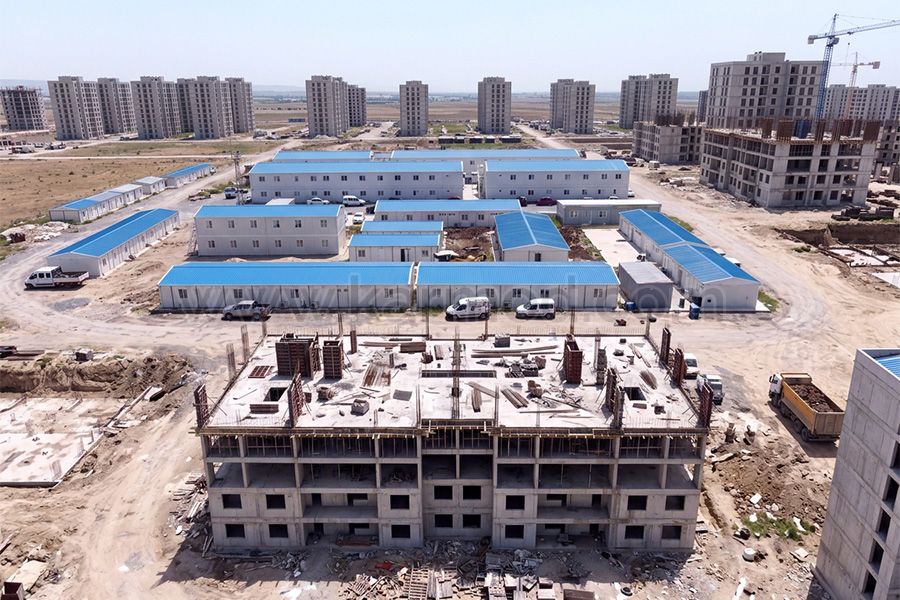
As Bulgarian cities continue to balance development with affordability pressures, container-based apartment concepts provide a pathway to faster delivery for targeted needs such as workforce accommodation, student housing, and compact residential communities. The modular approach supports repeatable unit layouts and consistent quality, while allowing projects to scale in stages.
Performance and comfort depend on specification. Winter thermal performance, summer overheating risk, and acoustic control require careful detailing, particularly in higher-density urban sites. Well-planned community layouts can integrate shared courtyards, circulation corridors, and amenity modules, supporting livability while keeping construction timelines and costs under control.
Beyond residential and commercial use, container-based facilities offer a practical way to deploy essential services quickly. In Bulgaria, prefabricated container systems can support schools, clinics, community centers, and public infrastructure extensions where speed, site constraints, and budget discipline are key requirements.
Schools can be delivered as modular classroom blocks that expand as enrollment grows, while clinics can be configured with functional zoning, ventilation planning, and hygiene-appropriate finishes. Community centers can provide multi-purpose venues for training, municipal services, and local programs. Across these applications, the core value remains consistent: durable, adaptable, and climate-resistant container buildings that deliver predictable performance with faster project delivery.
In order to serve you better, if you could kindly send an e-mail to info@karmod.com for questions and details about your theoretical and special architectural plans, projects, and product specifications, your request will be responded to as soon as possible.

From one end of the world to the other, we enable our customers to reach the ready-made construction sector produced with the new technology of the world. We guarantee reliability through technology and innovation, flexible commercial models and smart supply chain solutions that add value for you, following the project production network.
Discover
Karmod is one of the largest prefabricated construction companies in Turkey, with a production of 45,000 m2. produces high quality prefabs and prefab containers