EN
EN 


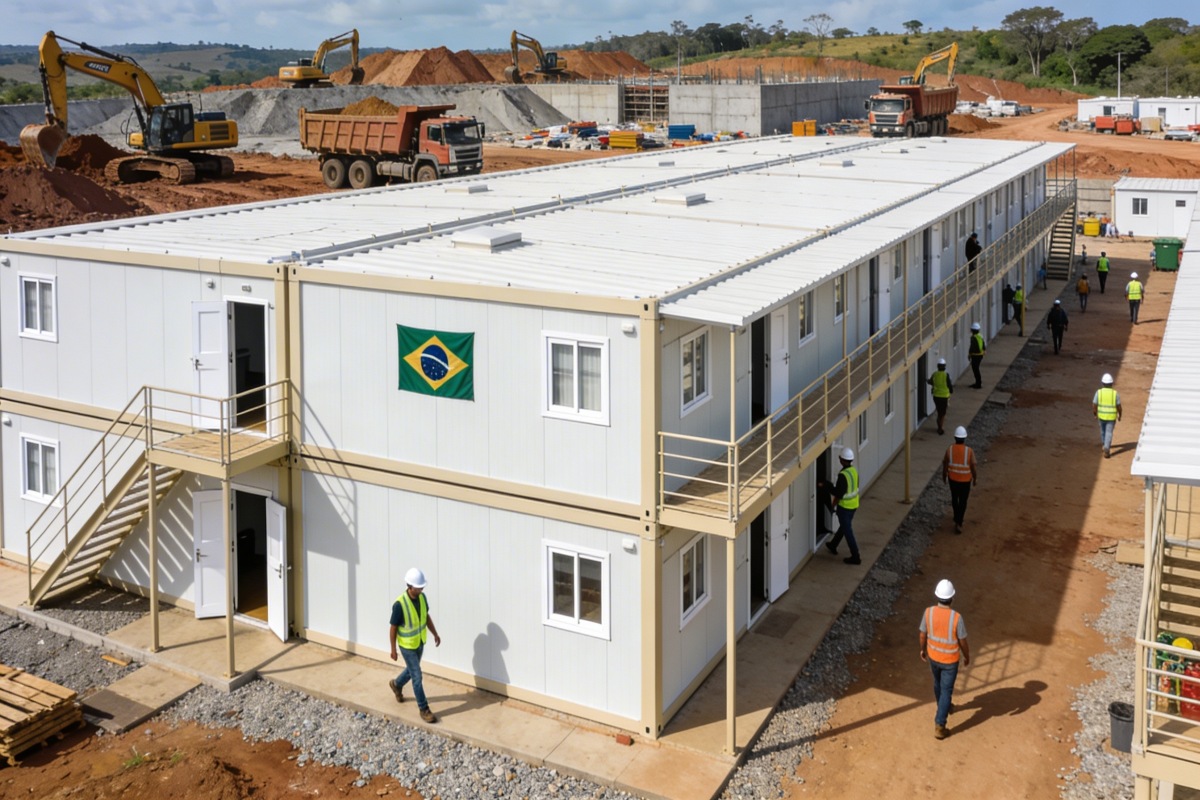
Brazil spans a vast portion of South America, with Atlantic coastlines, the Amazon basin, and highland regions that create distinct construction conditions from north to south. Humidity, intense solar exposure, seasonal rains, and coastal salt air can all influence material choices and building detailing. As one of the region’s largest economies with strong agribusiness, mining, logistics, energy, and manufacturing sectors, Brazil often requires fast, scalable facilities that can be deployed where operations grow.
That demand is helping accelerate adoption of Brazil container buildings across industrial and commercial projects, while Brazil container homes are also gaining attention for land developments and modern residential concepts. With modular construction, organizations can standardize layouts, maintain consistent production quality, and shorten on-site timelines using engineered containers and purpose-built container buildings suited to Brazil’s climate zones.


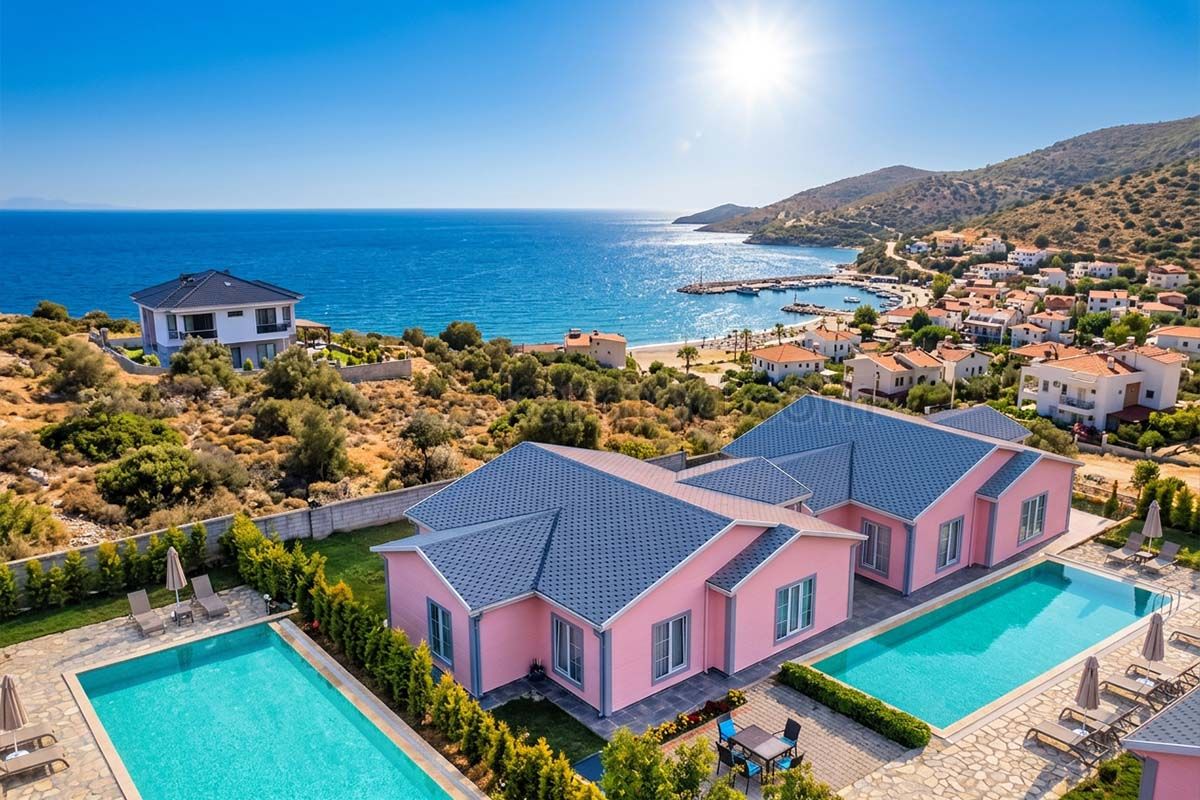
Brazil container homes offer a practical path to modern living spaces that can be delivered quickly and adapted to diverse regions—from humid coastal cities to hotter inland areas. When designed as modular container buildings, these residences benefit from factory-controlled fabrication, repeatable quality standards, and flexible configurations that can scale from single units to multi-module layouts.
Well-executed Brazil container homes are not defined only by speed; they succeed when building physics are prioritized—condensation control, thermal comfort, air quality, and durable finishes designed for high humidity and frequent rainfall.


Brazil container storage solutions are widely used where operations need secure capacity close to the point of use—often in regions with challenging access, variable weather, or shifting project footprints. Built as prefabricated container systems, these units provide strong physical security, reliable protection from rain and humidity, and fast deployment for time-sensitive operations.
Brazil container storage solutions are especially relevant for:
Durability in Brazil is closely tied to corrosion resistance and moisture control. Climate-resistant container buildings for storage should account for ventilation, anti-condensation measures, and protective coatings—particularly in coastal and tropical zones. A further advantage is relocation: Brazil container storage solutions can be transported between regions as project needs shift, keeping assets productive rather than stranded.
When evaluating a manufacturer for Brazil container buildings, engineering consistency matters more than visual claims. Karmod is known for a manufacturing approach that prioritizes structural integrity, repeatable production quality, and component coordination—important factors when container modules must perform in tropical humidity, heavy rainfall, and coastal salt exposure.
For Brazil container homes, offices, and commercial facilities, the most relevant technical strengths typically include:
In practice, a reliable manufacturer focuses on predictable performance: robust structure, controlled tolerances, and interior comfort that holds up under Brazil’s climatic demands.
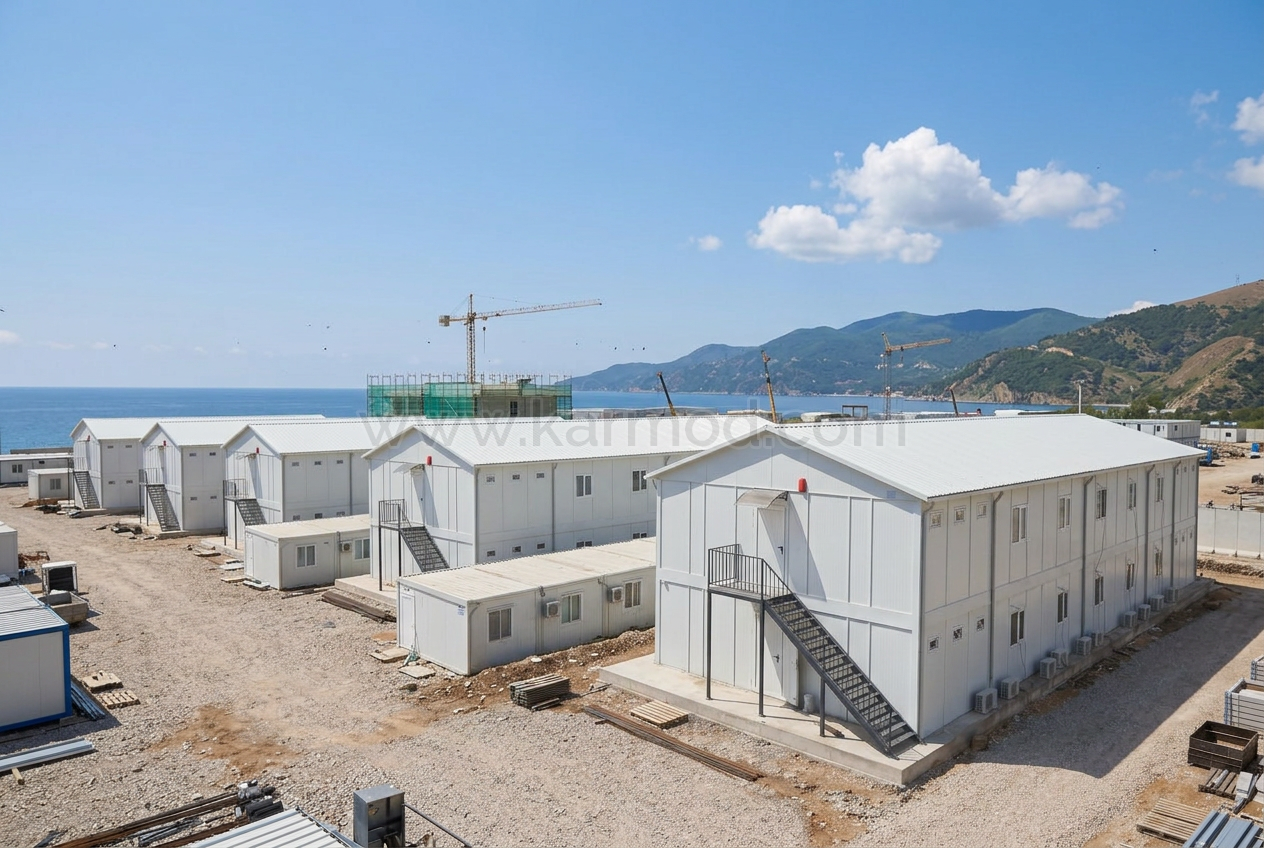
Brazil container offices are increasingly specified for project sites, industrial campuses, and operational hubs that need functional workspace with minimal lead time. By using modular construction, office space can be deployed quickly, expanded in phases, and standardized across regions—supporting consistent working conditions for teams operating in varied climates.
In warm and humid regions, climate-resistant container buildings used as offices should emphasize ventilation performance, solar control, and durable interior surfaces that withstand high traffic and moisture exposure.


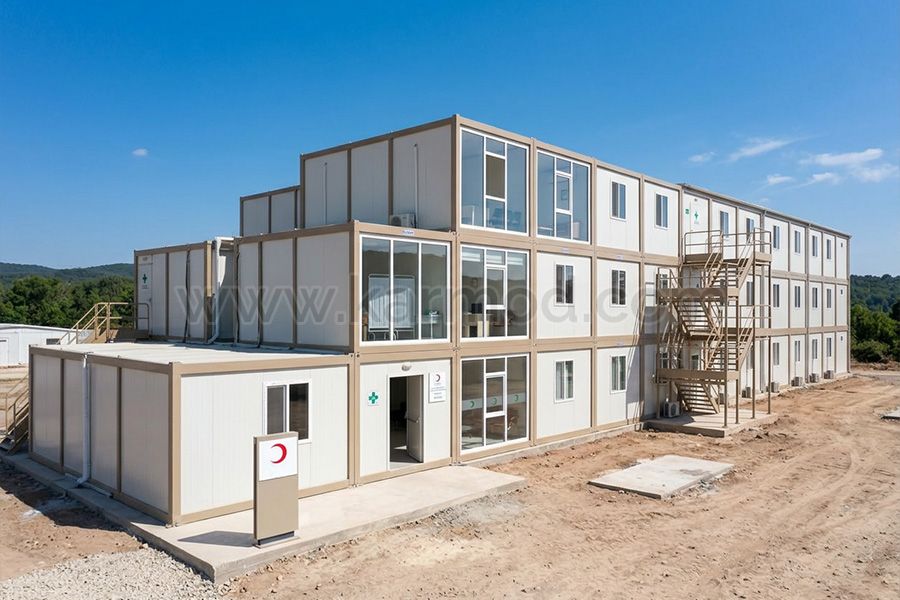
Brazil container buildings provide a structured option for creating commercial facilities that need fast delivery, repeatable quality, and flexible expansion. Modular container buildings can be configured for service centers, showrooms, hospitality units, staff facilities, and business compounds—supporting practical operations while maintaining a consistent architectural identity.
With prefabricated container systems, commercial sites can be developed in phases. This approach is valuable when market demand is uncertain or when operations expand gradually across multiple regions. Climate-resistant container buildings also help protect interior comfort and equipment in environments shaped by heat, rainfall, and humidity.
Brazil container shop concepts enable retailers to launch physical locations quickly, test new markets, and develop modular retail clusters that can grow over time. Because container-based units can be adapted visually and functionally, they support brand presence while keeping construction schedules tight.
For retail performance, climate-resistant container buildings should include practical solar and moisture control measures to protect both customer comfort and merchandise integrity.
In metropolitan areas where land use efficiency is increasingly important, Brazil container homes can also be adapted into apartment-style developments. These projects can contribute to housing strategies by enabling faster delivery of units for students, workforce accommodation, or transitional residential needs. Modular construction allows multi-unit layouts with shared amenities and community-focused planning.
Successful container apartment projects prioritize livability: acoustic separation, reliable ventilation, appropriate shading, and durable finishes suited to high humidity. When these fundamentals are engineered into the prefabricated container systems, Brazil container buildings can support compact, comfortable urban living models.
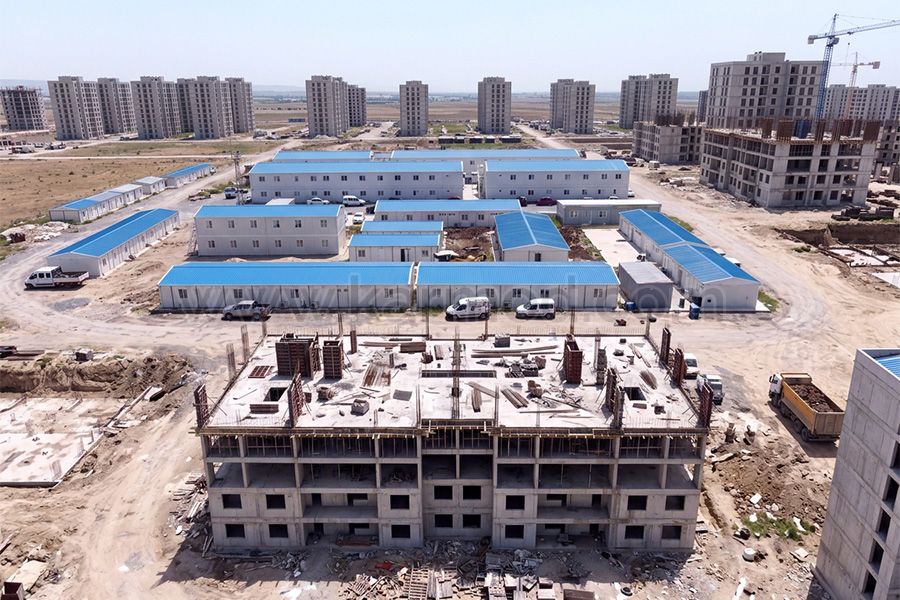
Beyond housing and commerce, Brazil container buildings serve a wide range of institutional and infrastructure needs where speed and repeatability are critical. Modular container buildings can be deployed in regions with limited construction capacity, supporting essential services while maintaining controlled quality standards.
With climate-resistant container buildings and well-planned prefabricated container systems, Brazil can deploy adaptable spaces that respond to real operational demands—without sacrificing durability, comfort, or long-term functionality.
In order to serve you better, if you could kindly send an e-mail to info@karmod.com for questions and details about your theoretical and special architectural plans, projects, and product specifications, your request will be responded to as soon as possible.

From one end of the world to the other, we enable our customers to reach the ready-made construction sector produced with the new technology of the world. We guarantee reliability through technology and innovation, flexible commercial models and smart supply chain solutions that add value for you, following the project production network.
Discover
Karmod is one of the largest prefabricated construction companies in Turkey, with a production of 45,000 m2. produces high quality prefabs and prefab containers