EN
EN 


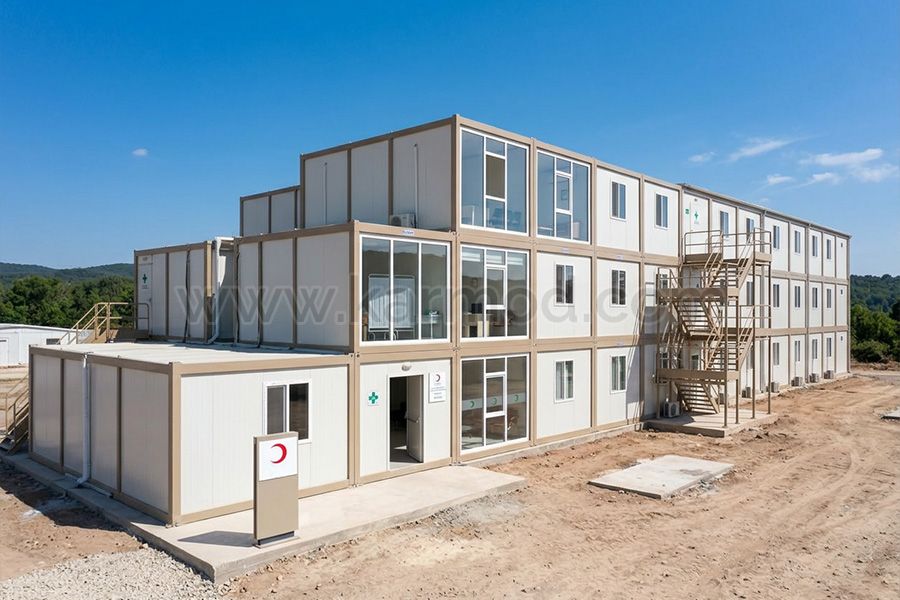
The construction industry is evolving rapidly, and block modular building has emerged as a practical and cost-effective solution for healthcare, residential, and commercial projects. By combining the durability of block structures with the efficiency of modular construction, organizations can reduce costs and speed up project delivery.
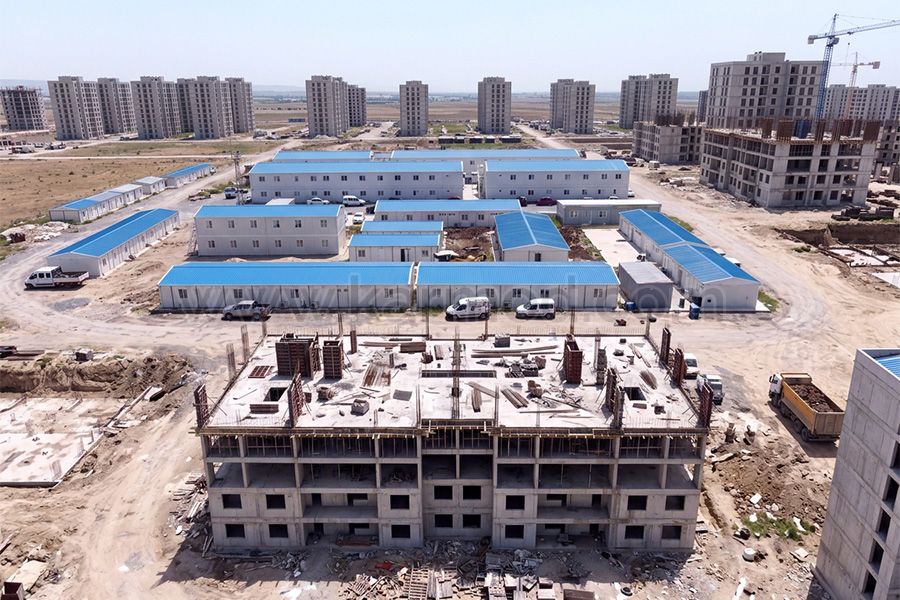
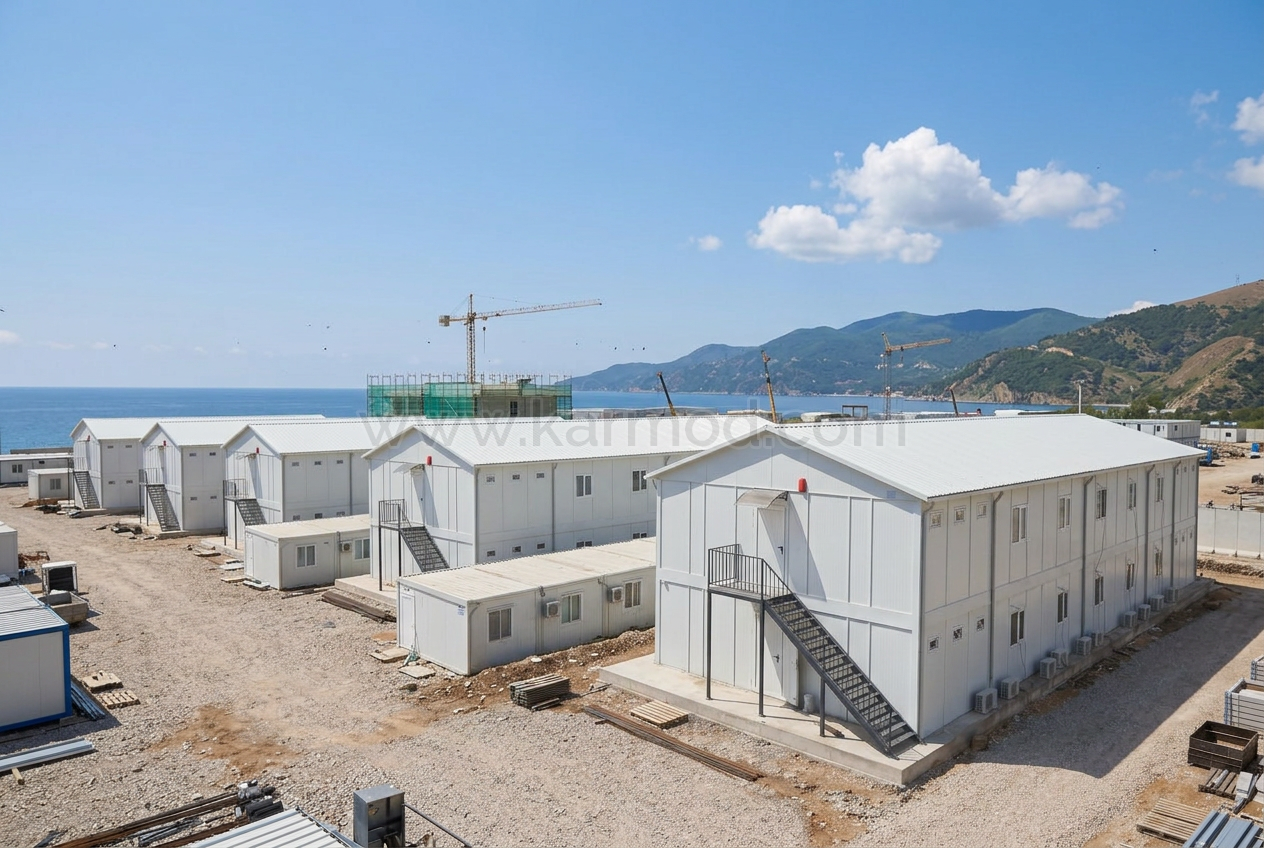
Block modular architecture integrates prefabricated block units that are manufactured in controlled environments and quickly assembled on-site. This method minimizes delays caused by weather, improves quality control, and delivers scalable facilities with shorter timelines.
A block modular construction company specializes in designing, producing, and installing prefabricated block buildings. These companies offer customized layouts, compliance with health and safety standards, and turnkey solutions for both temporary and permanent needs.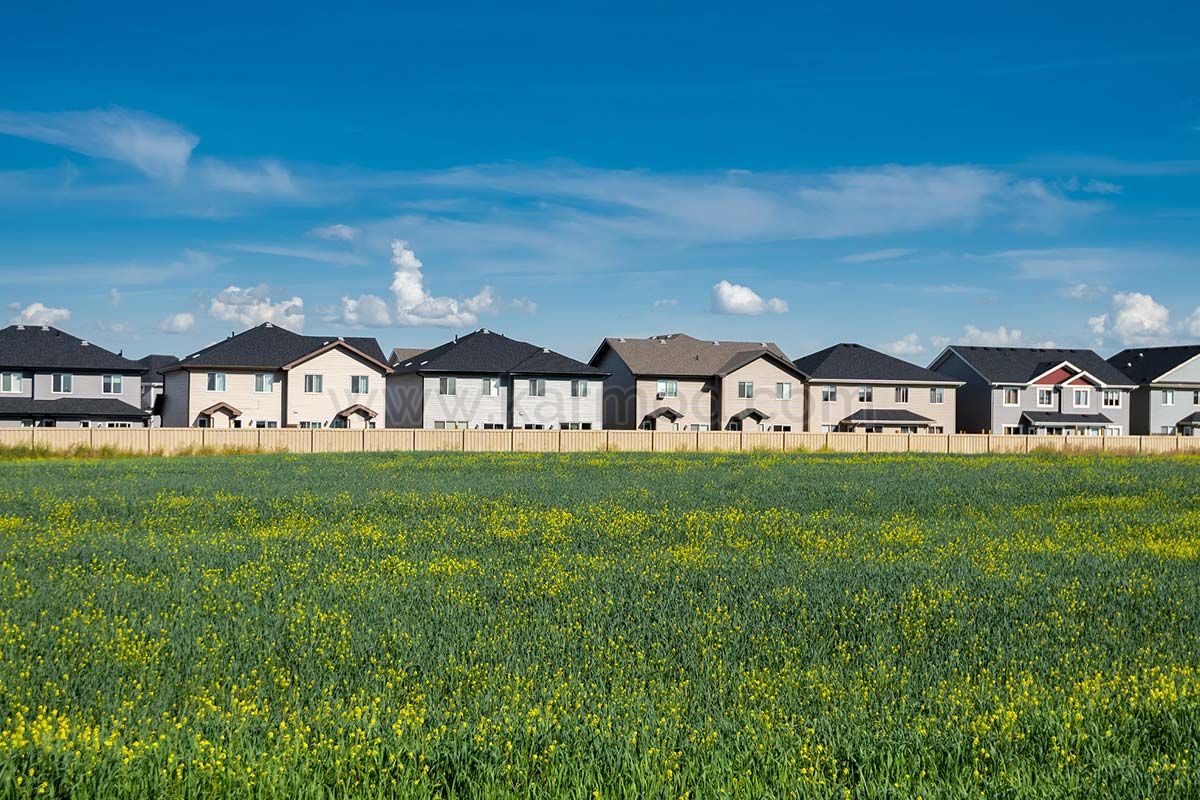
Globally, several manufacturers are leading the way in modular healthcare and building solutions. Some of the most recognized block modular construction companies include:
Modular Genius
Volumetric Building Companies (formerly Katerra)
CIMC Modular Building Systems
Williams Scotsman (WillScot)
Guerdon Modular Buildings
Silver Creek Industries
Horizon North (Canada)
Premier Modular (UK)
Laing O’Rourke (Europe)
ModuleCo (UK)
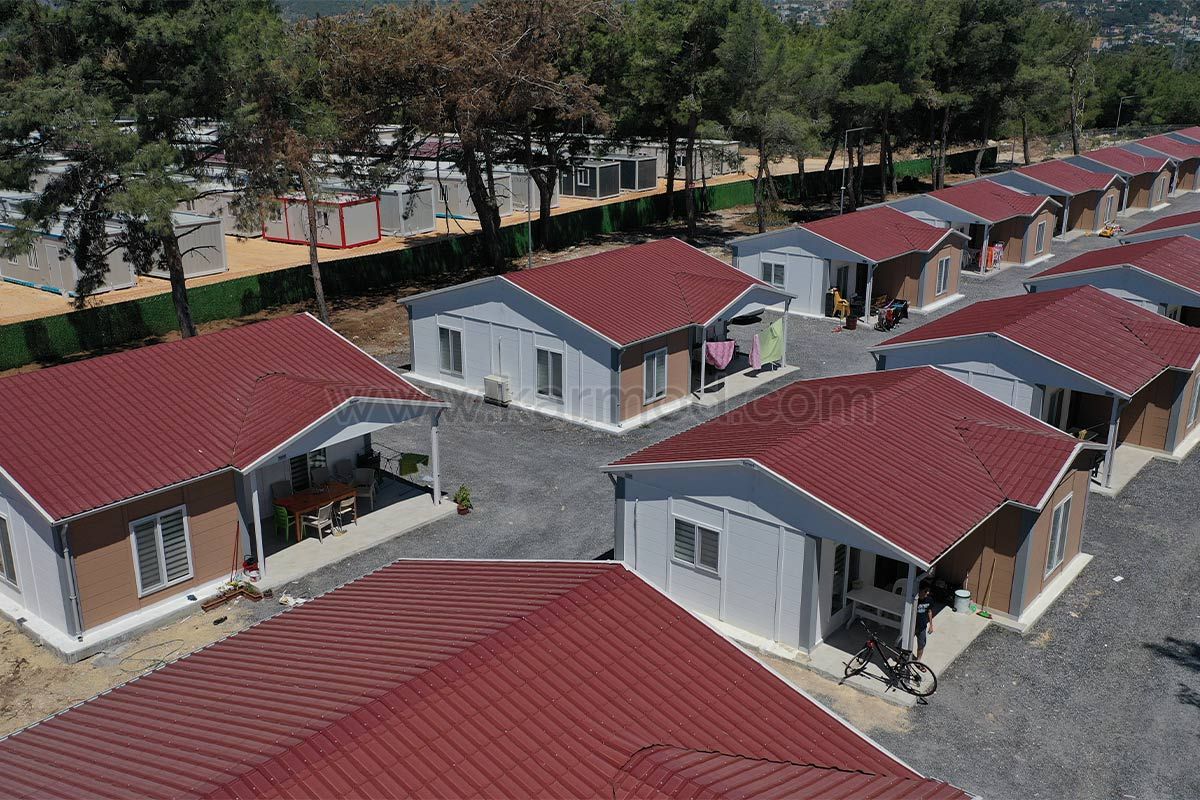
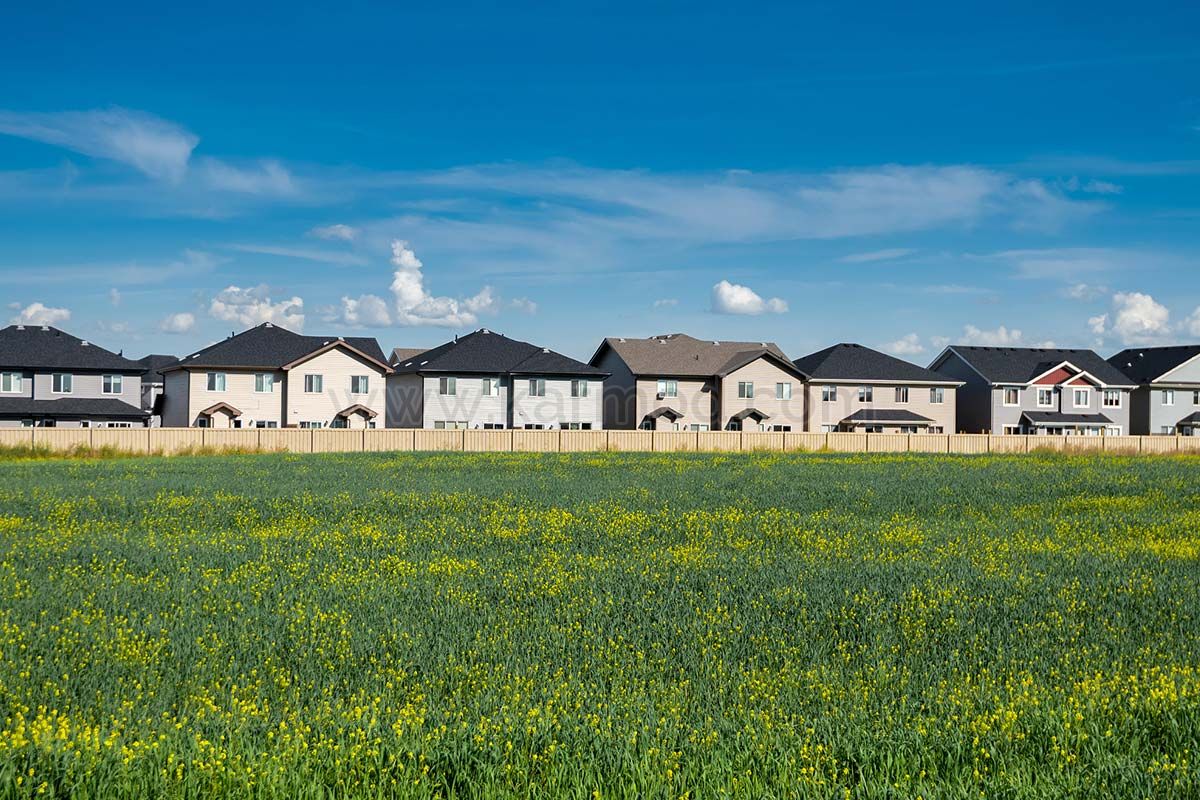
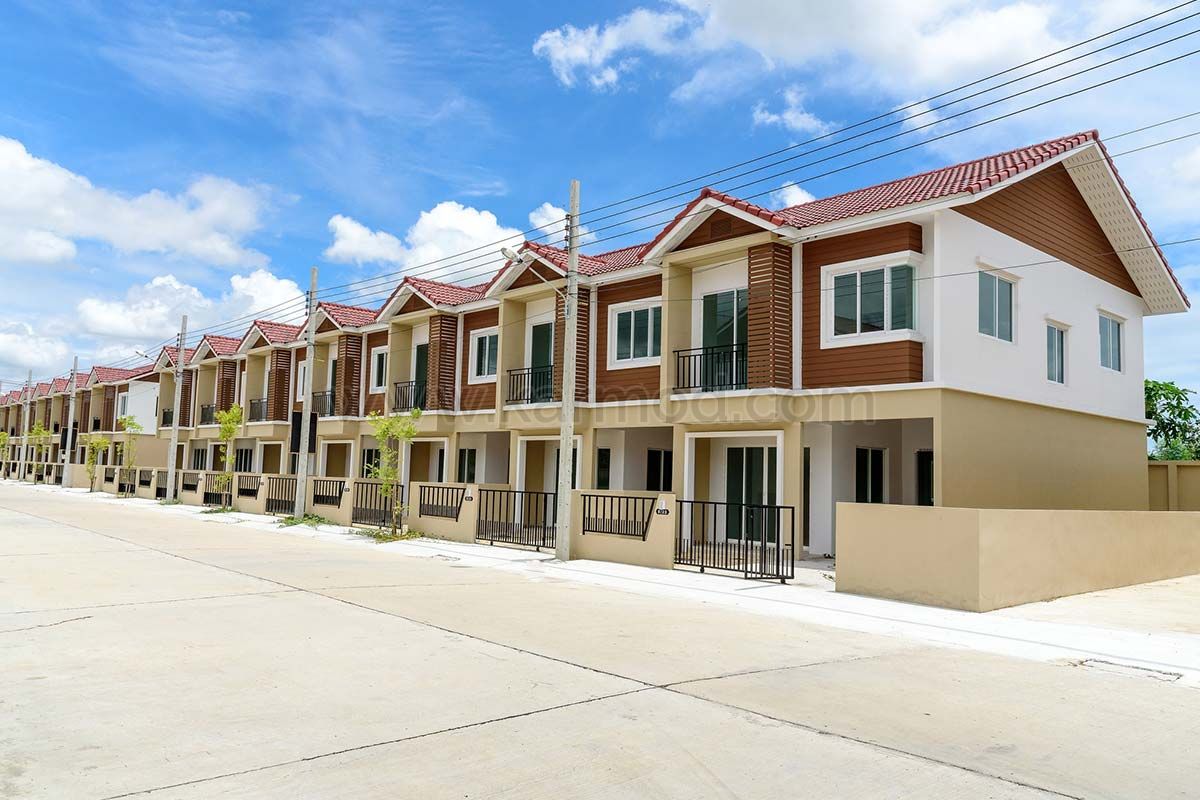
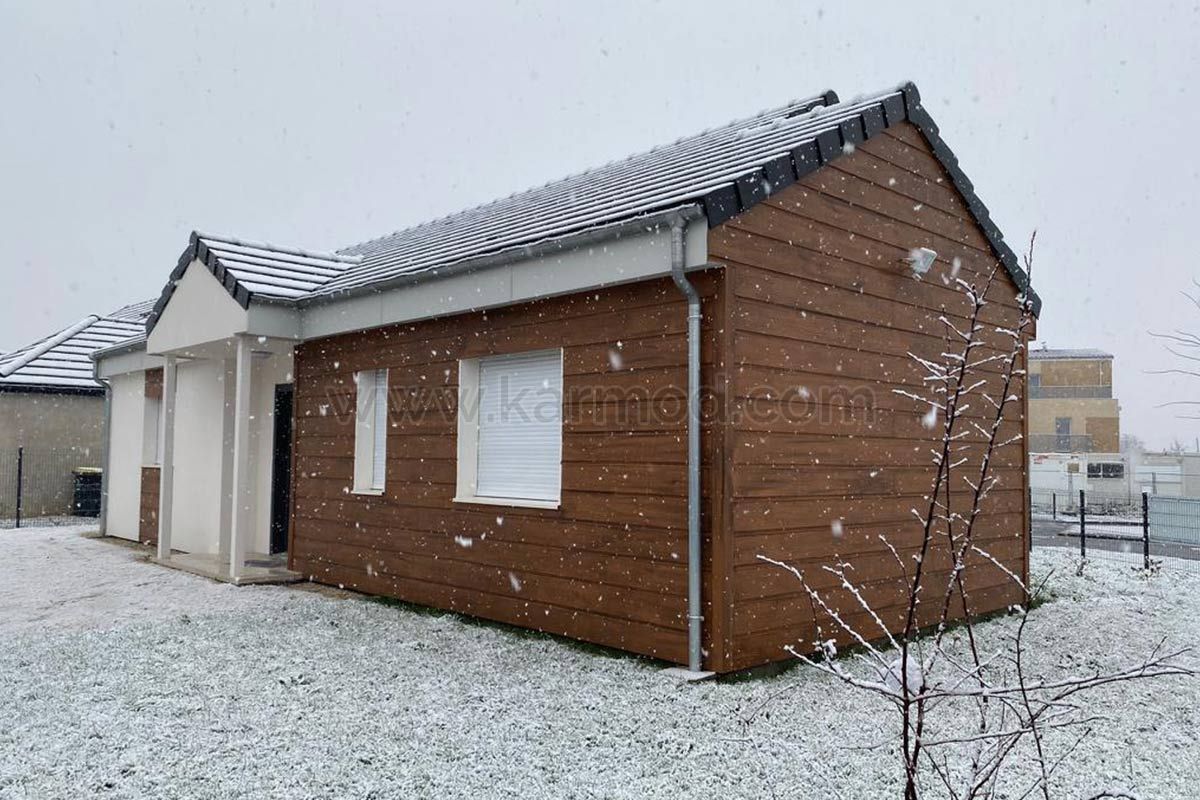
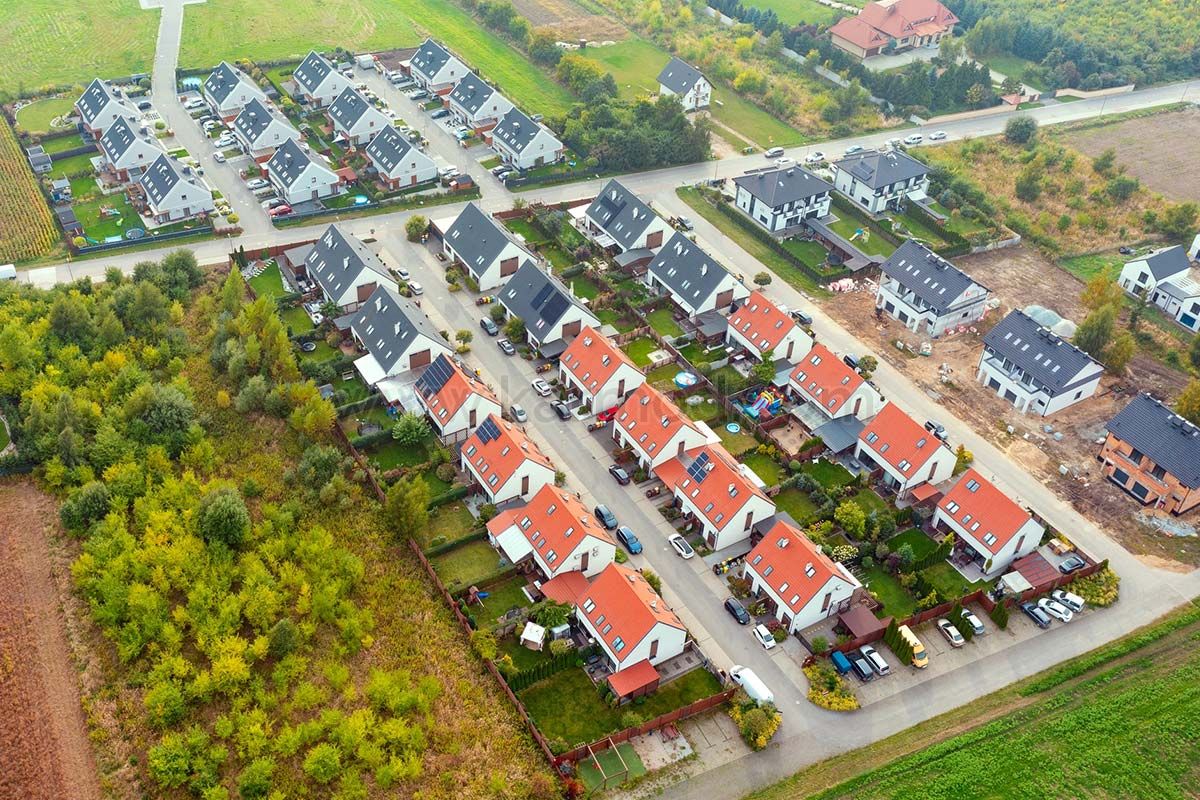

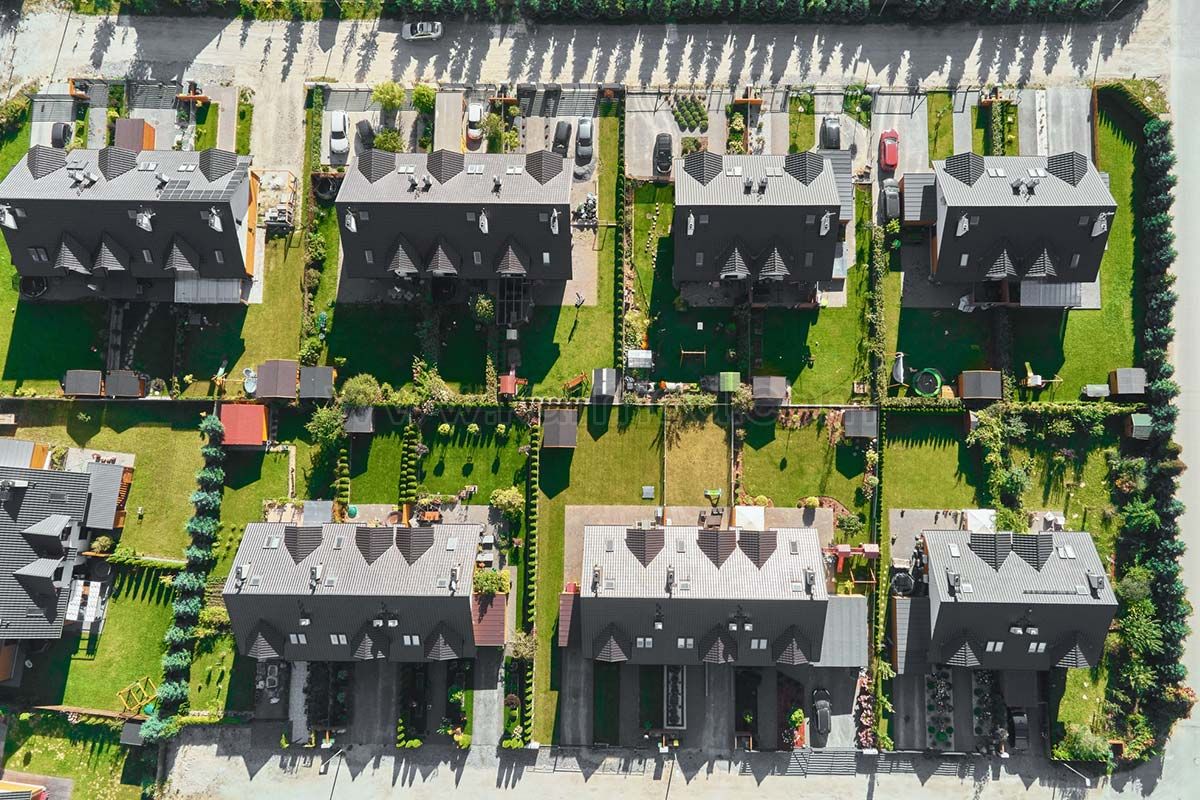
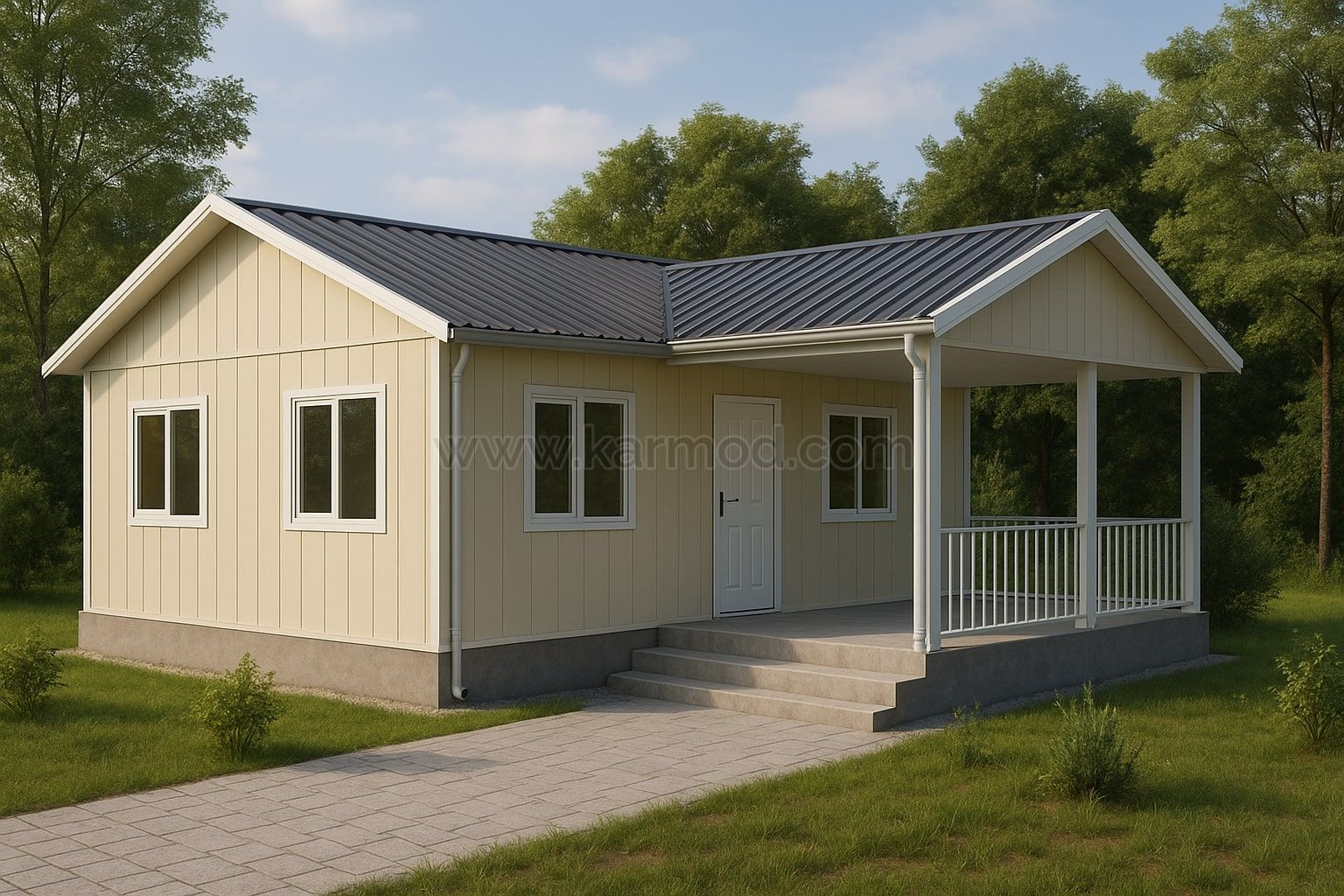
New-generation home builders are turning to block modular methods for residential projects. These specialists provide:
Affordable housing solutions
Faster construction timelines
Eco-friendly materials and energy-efficient systems
Modern, customizable designs for urban and rural communities
Prefabricated block solutions allow for sustainable and durable housing development. Homes can be built in modules, transported to the site, and assembled seamlessly. This approach reduces construction waste and provides excellent thermal performance and long-term resilience.
Block modular homes combine innovation with functionality. They are designed for healthcare centers, clinics, schools, and residential living. These homes can be scaled up or reconfigured as needs change, offering both flexibility and cost savings.
While prefab construction refers to producing components in a factory, modular building assembles entire sections or “blocks” on-site. The main differences include:
Prefab: Prefabricated panels or parts assembled into a building.
Modular: Fully constructed modules transported and joined together.
Both methods cut construction time and costs, but block modular units provide greater flexibility and are ideal for healthcare and emergency infrastructure.
In order to serve you better, if you could kindly send an e-mail to info@karmod.com for questions and details about your theoretical and special architectural plans, projects, and product specifications, your request will be responded to as soon as possible.

From one end of the world to the other, we enable our customers to reach the ready-made construction sector produced with the new technology of the world. We guarantee reliability through technology and innovation, flexible commercial models and smart supply chain solutions that add value for you, following the project production network.
Discover
Karmod is one of the largest prefabricated construction companies in Turkey, with a production of 45,000 m2. produces high quality prefabs and prefab containers