EN
EN 


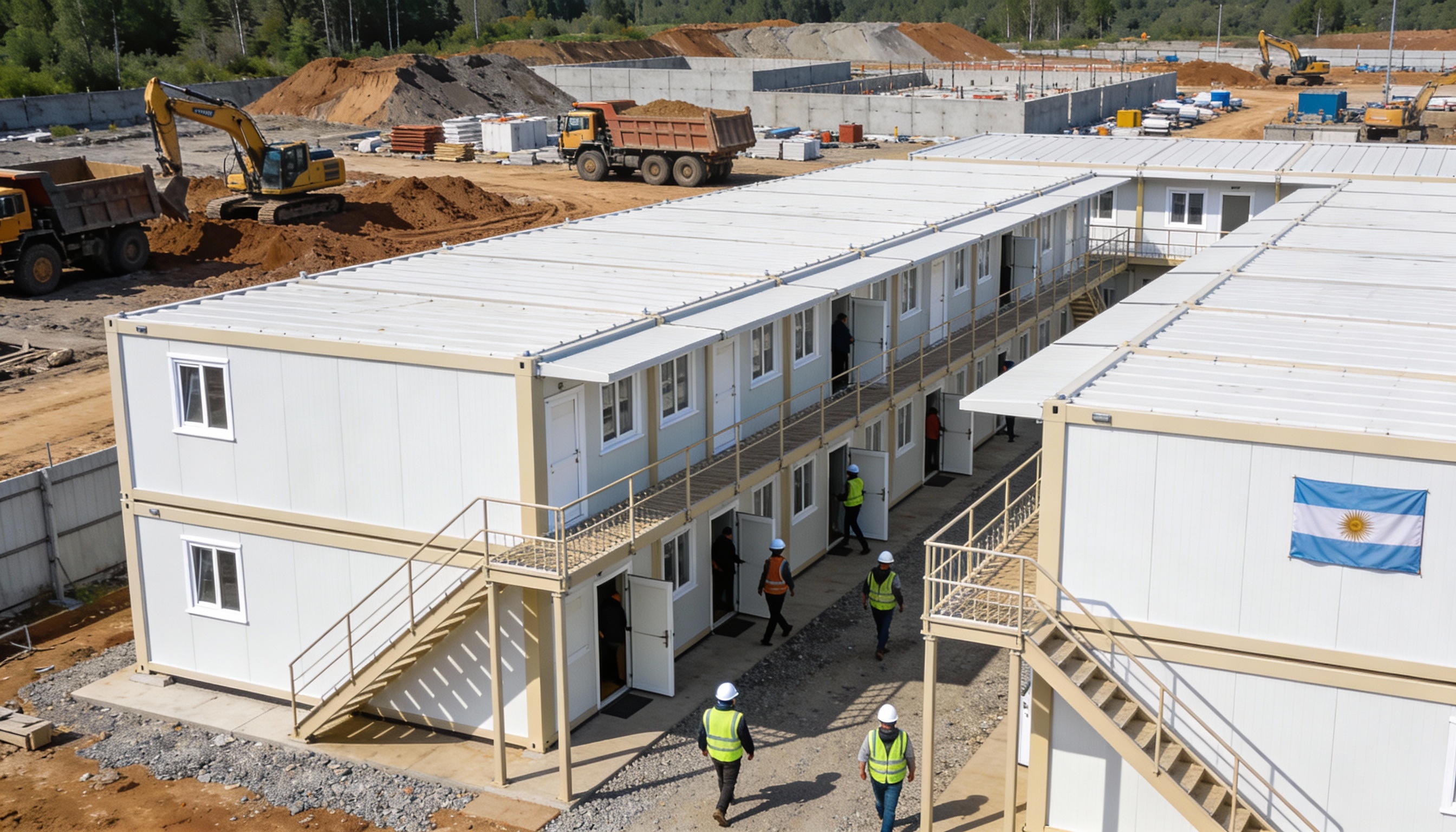
Stretching from the subtropical north to the windswept landscapes of Patagonia, Argentina spans a wide range of geographies and climates that influence how buildings perform over time. With major economic activity concentrated around agriculture, logistics corridors, manufacturing, energy development, and large-scale infrastructure, the country often requires facilities that can be delivered quickly, operate reliably, and adapt as projects move or expand.
That is where container solutions have gained real momentum. From container buildings used in industrial and commercial settings to Argentina container homes designed for efficient living, modular construction offers a practical way to build with predictable quality and timelines across diverse regions.


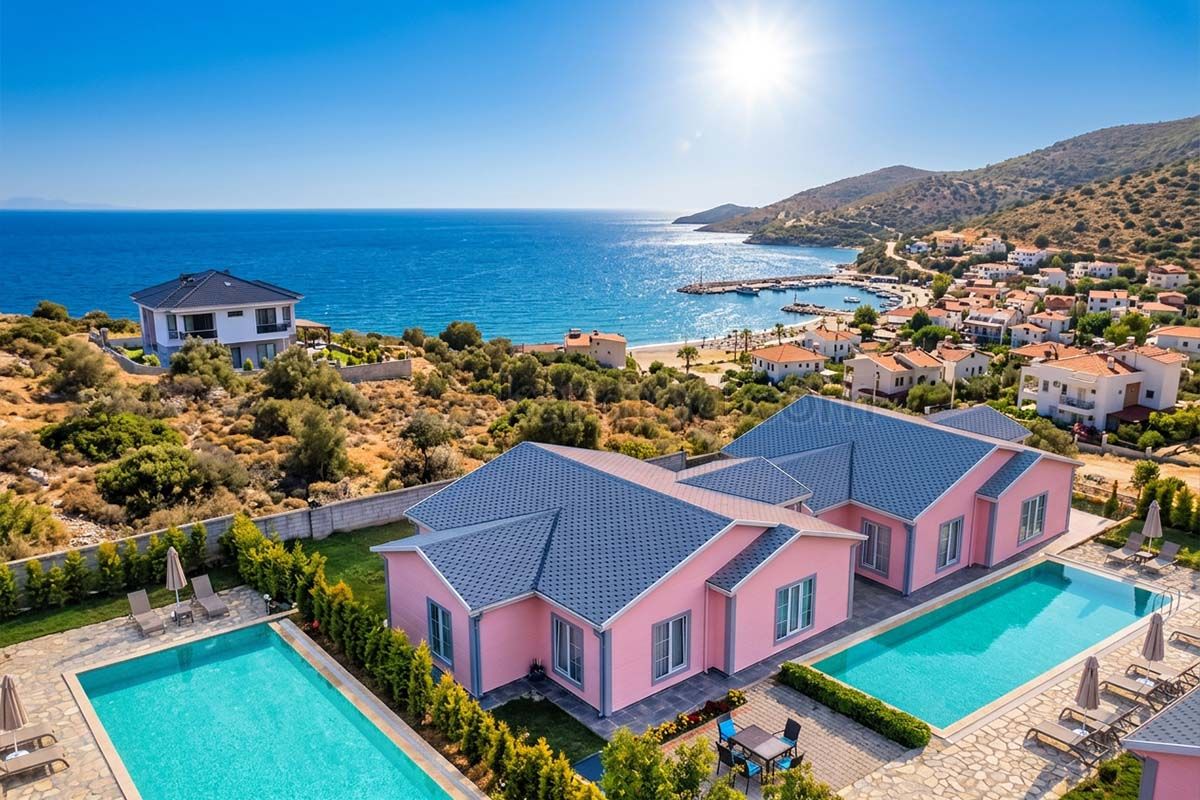
Argentina container homes are increasingly considered when speed, controllable build quality, and efficient use of space matter as much as design. The format works well for remote sites and urban infill alike, because layouts can be planned with precision, then assembled on-site with minimal disruption. In practice, this approach supports both permanent and semi-permanent housing needs while keeping future changes manageable.
Sustainability is often one of the first reasons decision-makers explore container-based housing. Reusing robust steel modules reduces certain material demands compared to conventional builds, while the controlled manufacturing environment supports better waste management and tighter workmanship. When paired with appropriate insulation, glazing, and ventilation strategies, modular container buildings can also contribute to lower operational energy requirements.
Affordability comes from predictability as much as from materials. Prefabricated container systems are planned, engineered, and manufactured with repeatable processes, which helps reduce schedule overruns and on-site labor variability. For projects balancing budget limits with performance expectations, this predictability is frequently the difference between a concept and a deliverable program.
Flexibility and modularity are where container housing truly stands apart. Units can be configured as single modules, combined into larger footprints, or expanded over time with additional modules. This is particularly useful for organizations that want to start with essential capacity and grow later without redoing the entire structure.
Climate suitability is crucial in a country as varied as Argentina. In humid regions, detailing around ventilation, vapor control, and corrosion protection becomes central. In colder southern areas, insulation continuity and thermal-bridge reduction drive comfort and energy performance. In hotter zones, shading, reflective finishes, and passive cooling design matter. When engineered correctly, climate-resistant container buildings can be adapted to each region’s temperature swings, winds, and moisture conditions without compromising interior comfort.


Across Argentina’s production and supply chains, storage needs rarely stay fixed. Seasonal harvest cycles, shifting logistics volumes, and fast-moving construction programs demand space that can be deployed quickly and repositioned without major cost. Argentina container storage solutions address these realities by providing secure, modular capacity that can scale up or down with operational requirements.
For mining and energy sites, storage is often located far from established infrastructure and must withstand harsh handling, dust, and long service cycles. Container-based storage supports controlled access, improves on-site organization for tools and spare parts, and simplifies inventory management. The same durability is valuable for agriculture, where secure storage for equipment, inputs, and seasonal materials helps protect assets from weather exposure and theft while keeping operations close to the fields.
In logistics, modular storage modules can be positioned near loading zones, depots, ports, or distribution hubs to reduce internal transport time. For construction sites, the relocation advantage becomes a major operational benefit: units can move with the project phases, serving as locked storage at one stage and then repositioned for new work fronts as schedules evolve.
Security and resilience are central to the value proposition. Properly specified steel structures, reinforced access points, and fit-for-purpose locking systems help protect high-value goods and equipment. When designed as part of a broader site plan, Argentina container storage solutions can also reduce clutter and improve safety by keeping materials organized and accessible.
For procurement teams and project managers, the question is rarely whether container-based construction works, but whether it will perform consistently in real conditions and across repeated deployments. Karmod’s role in this space is defined less by marketing claims and more by engineering discipline: structural integrity, material selection, detailing, and quality control that support long-term use.
Argentina’s regional contrasts make material choices and protective measures especially important. In humid coastal or river regions, corrosion resistance and surface protection become priorities. In colder climates, insulation strategy and condensation control protect both comfort and the building envelope. In high-heat zones, ventilation design and solar management affect interior usability. By focusing on climate-resistant container buildings and application-specific detailing, Karmod supports performance that remains stable across operating environments.
Customization is not only about appearance; it is often about function. Door and window placement, interior partitions, MEP integration, insulation thickness, and finishing standards can be tailored to reflect the project’s workflow, staffing needs, and compliance requirements. In modular and prefabricated construction, this kind of controlled customization is what allows prefabricated container systems to integrate smoothly into broader project plans without introducing uncertainty.
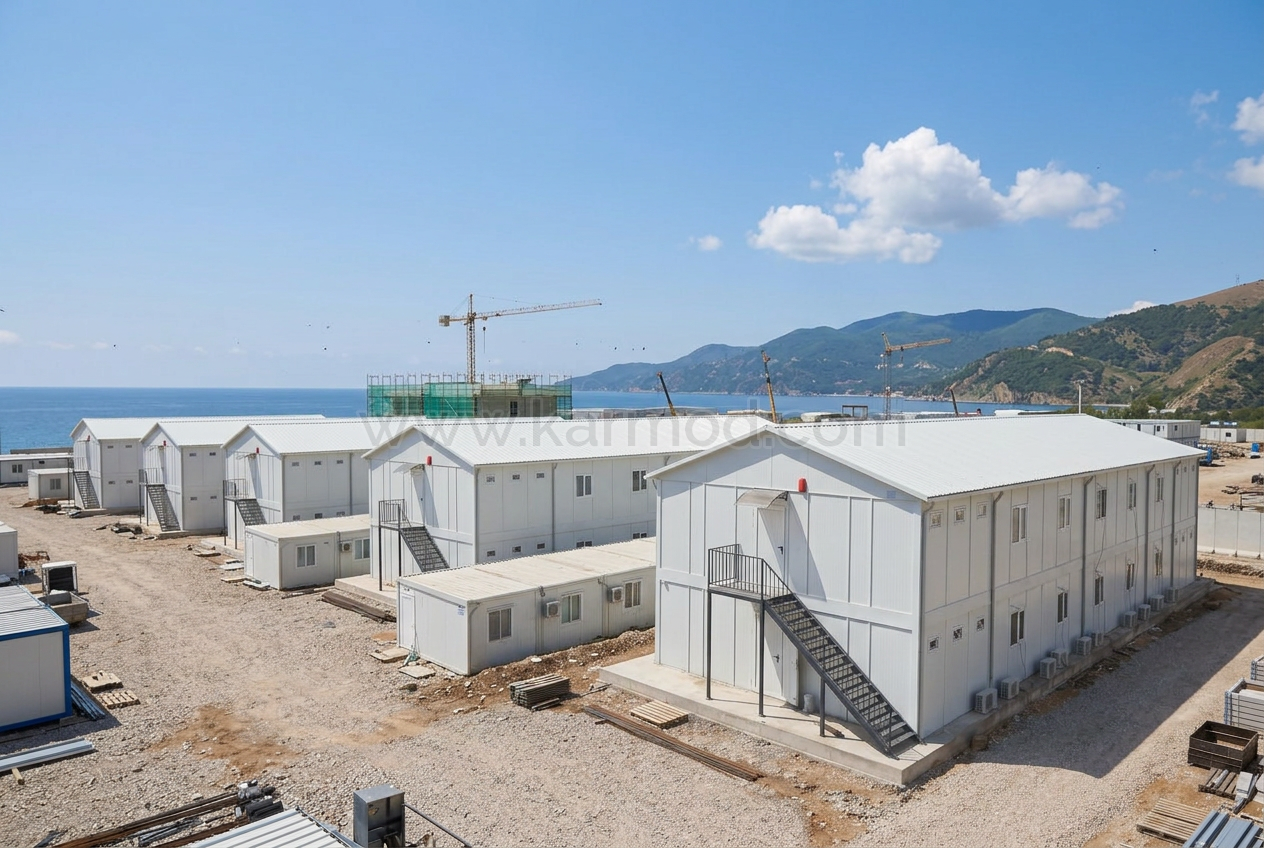
Worksites and business operations across Argentina increasingly require office space that can be deployed fast, maintain professional standards, and scale with teams. Argentina container offices answer that need with efficient layouts, reliable building performance, and the ability to relocate or expand without restarting the construction process. For organizations working across multiple regions or managing time-sensitive programs, the result is less downtime and better operational continuity.
These office units can be configured for single teams, multi-department operations, or combined into larger complexes. Meeting rooms, reception areas, and technical workspaces can be integrated into the plan so the facility supports daily workflows rather than forcing teams to adapt to the building. This is where modular container buildings offer practical value: the workspace can be designed around how the organization actually operates.
Cost advantages are driven by speed and predictability. With prefabricated container systems, a significant portion of work is completed before arrival on site, reducing labor coordination and shortening the time to occupancy. For projects where time equates to revenue or risk reduction, the ability to activate a functional workspace quickly is often a decisive factor.
For specifications and related solutions, explore container office options designed for professional use cases, from site operations to permanent administrative spaces.


Argentina container buildings are not limited to temporary site facilities. Commercial applications have expanded rapidly because container-based systems can deliver robust, brand-ready spaces in shorter timeframes than conventional builds. From standalone business units to multi-module layouts, commercial container buildings can be planned with clear growth paths, allowing businesses to start with essential capacity and expand when demand increases.
For service businesses and light industrial operations, container commercial designs can incorporate functional zones such as customer-facing areas, staff rooms, storage, and technical spaces. For larger programs, modules can be aggregated into business complexes with corridors, shared utilities, and phased expansion strategies. This modular approach supports predictable capex planning and reduces the disruption typically associated with renovations or extensions.
Because commercial facilities must perform reliably, details such as insulation, acoustic control, HVAC readiness, and durable interior finishes are critical. When these are engineered as part of the base solution, the building can feel like a permanent asset rather than a short-term workaround.
Retail is one of the clearest examples of how modular construction can support speed-to-market. Argentina container shop concepts work well for pop-up locations, seasonal sales points, and fast deployment in developing districts. Brands can standardize layouts and finishes across multiple locations while still adapting exterior design elements to match local context and visibility requirements.
Retail clusters and modular “shop streets” can be created by combining multiple units into walkable arrangements, supporting food and beverage, boutique retail, and service counters in a unified footprint. The ability to reconfigure or relocate is particularly valuable when customer traffic shifts, when leases change, or when a retail concept needs to be tested before committing to a permanent build.
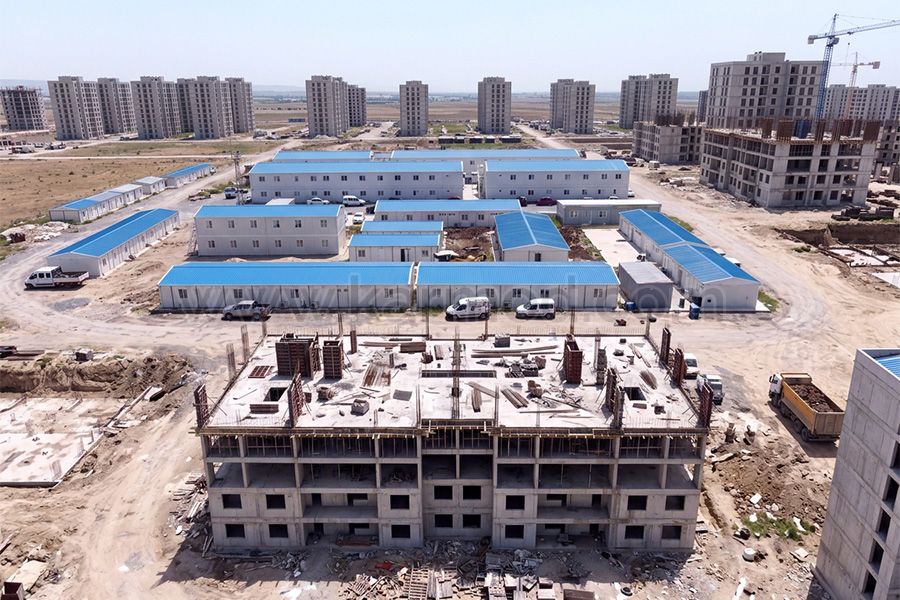
Urban centers often face pressure from housing demand, limited buildable space, and the need for faster delivery of livable units. Argentina container homes can be scaled beyond single residences into apartment-style developments when planned with structural logic, circulation design, and appropriate building services. The modular approach can support multi-unit housing programs with repeatable apartment layouts, consistent quality, and phased implementation.
Community-minded planning is also achievable with container-based systems. Shared courtyards, common rooms, laundry facilities, and circulation nodes can be integrated into the layout to improve daily life and support safer, more social environments. When combined with robust insulation, acoustic separation, and climate-appropriate detailing, container apartments can meet expectations for comfort while helping address housing gaps more efficiently.
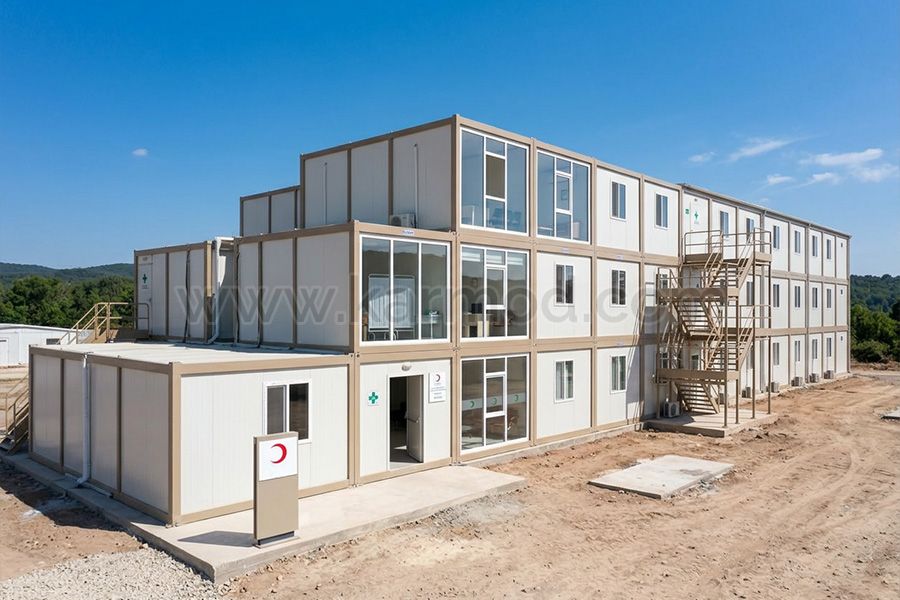
The practical benefits of modular construction extend into public and semi-public infrastructure, where time and reliability are often critical. Argentina container buildings can serve as rapidly deployable schools, training rooms, clinics, laboratories, and administrative units, particularly in regions where conventional construction faces logistical constraints. For municipalities and private operators alike, these structures can provide operational capacity while long-term masterplans are developed or funded.
Community centers and public service units can also benefit from modular deployment. A container-based clinic or classroom can be installed with minimal site work, then expanded as staffing and service scope grow. In emergency response scenarios or fast-developing districts, prefabricated container systems help bridge infrastructure gaps with facilities that are functional, durable, and easier to maintain than improvised alternatives.
When executed with engineering rigor, climate-resistant container buildings support long-term usability across Argentina’s diverse environments. Combined with thoughtful planning, modular container buildings enable organizations to deliver space that is practical today and adaptable tomorrow—whether the goal is housing, storage, offices, commerce, or public infrastructure.
In order to serve you better, if you could kindly send an e-mail to info@karmod.com for questions and details about your theoretical and special architectural plans, projects, and product specifications, your request will be responded to as soon as possible.

From one end of the world to the other, we enable our customers to reach the ready-made construction sector produced with the new technology of the world. We guarantee reliability through technology and innovation, flexible commercial models and smart supply chain solutions that add value for you, following the project production network.
Discover
Karmod is one of the largest prefabricated construction companies in Turkey, with a production of 45,000 m2. produces high quality prefabs and prefab containers