EN
EN 


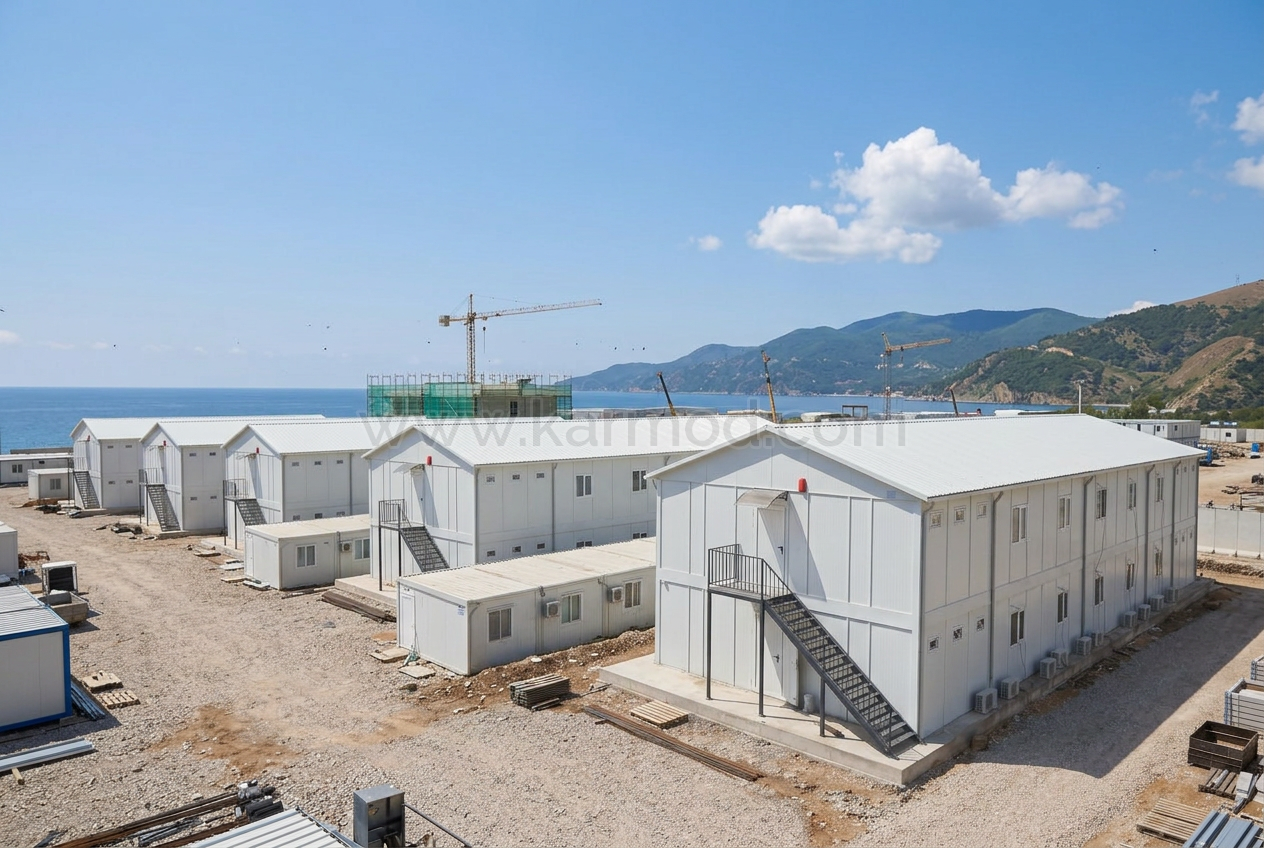
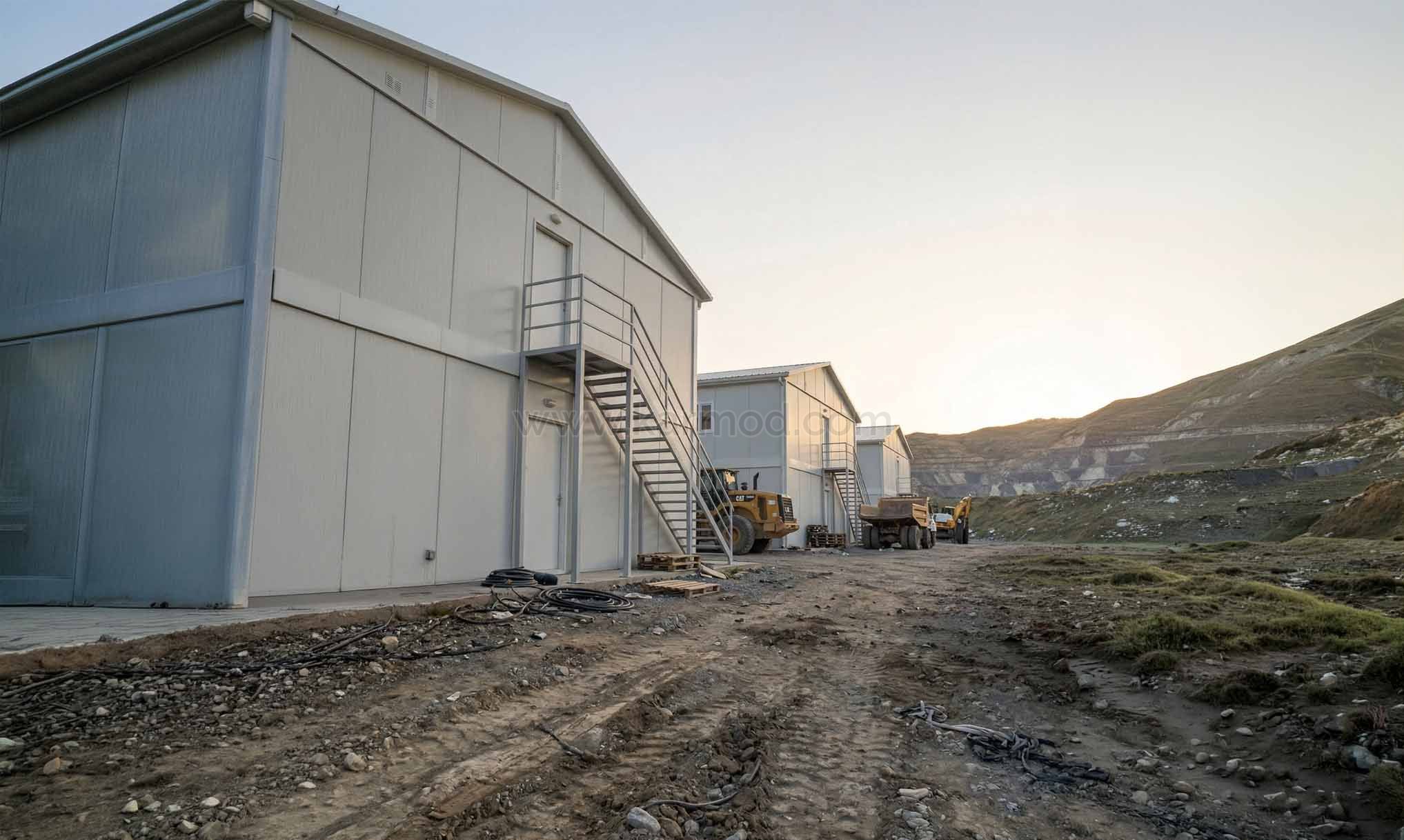
In Yemen, the need for affordable social housing remains a pressing humanitarian and public policy concern, particularly for households with limited and unstable incomes. Ongoing socio-economic pressures and population displacement have intensified the demand for housing that is both safe and financially accessible. Within this context, modular and prefab housing systems offer a practical and resilient response, enabling faster delivery of dignified living spaces. Karmod, with its long-standing experience in industrialized construction, contributes to this effort by delivering cost-controlled, durable, and rapidly deployable housing solutions tailored to Yemen’s conditions.
Modular homes, produced in controlled factory environments and assembled on site, provide a structured approach to affordable housing delivery. This construction method reduces on-site labor requirements and shortens project timelines, helping public authorities and aid-driven housing initiatives manage costs more effectively. Prefab homes follow a similar logic, with components manufactured off-site to ensure consistent quality and safety standards. Together, these systems allow for adaptable layouts that respond to the varied household sizes and settlement patterns found across Yemen.
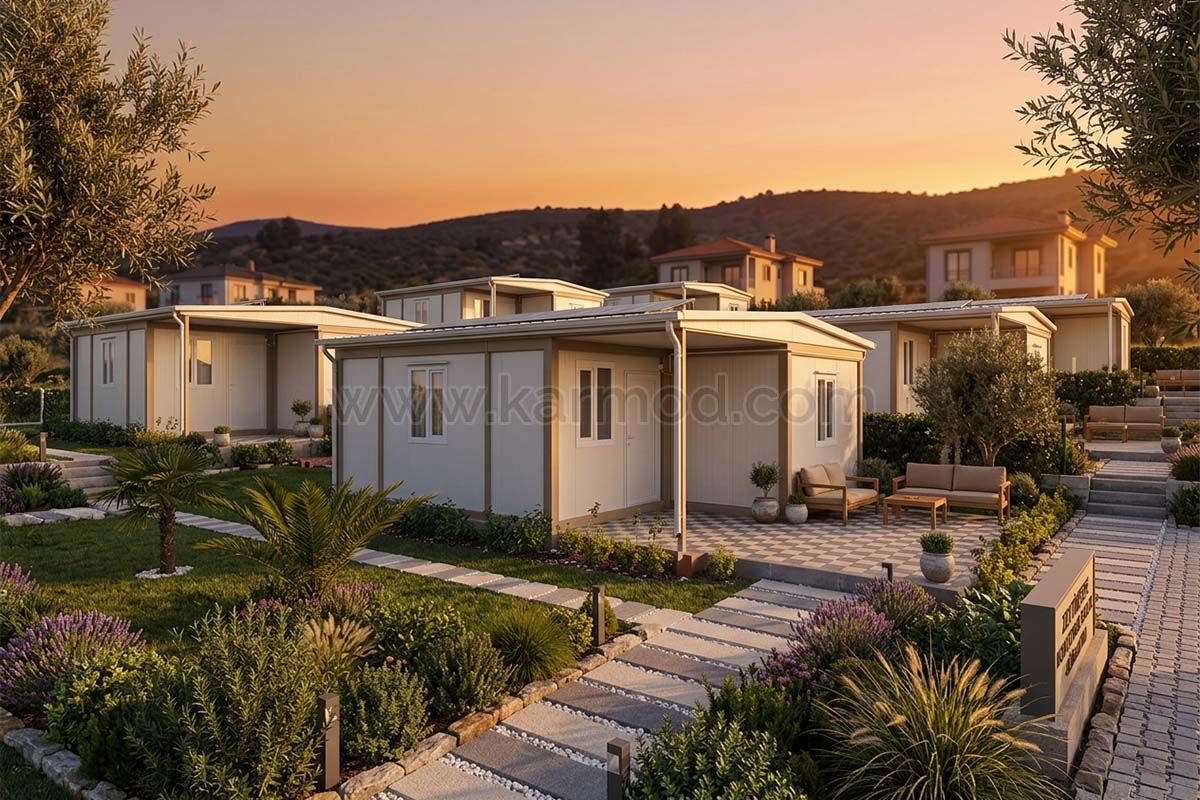
Karmod’s involvement in affordable housing initiatives in Yemen reflects a focus on long-term usability rather than short-term shelter alone. Modular and prefab homes are planned as complete living units, incorporating essential utilities and layouts that support everyday life. Design choices prioritize energy efficiency and material durability, helping to reduce operating costs for residents and limit maintenance burdens for housing operators.
Through cooperation with local stakeholders and community representatives, Karmod’s housing initiatives aim to align construction practices with local needs and expectations. This collaborative approach supports the delivery of social housing that remains functional under Yemen’s climatic conditions while offering resilience against ongoing economic and social pressures.


Affordable social housing in Yemen increasingly relies on solutions that balance speed, cost control, and long-term sustainability. By applying modular and prefab construction principles, Karmod contributes to housing models that support community stability and gradual recovery. These projects demonstrate how industrialized building systems can serve as a foundation for more secure and organized residential environments across the country.
Efforts to address Yemen’s housing shortage increasingly point toward modular construction as a structured and scalable solution. Modular social housing supports public and humanitarian actors by offering predictable timelines, controlled budgets, and adaptable designs suitable for diverse settlement contexts. This approach helps translate housing policy objectives into tangible outcomes for low-income households.


Prefab low income housing projects in Yemen focus on more than unit delivery alone. They are increasingly planned as community-oriented developments that support social cohesion, access to shared services, and functional neighborhood layouts. This perspective aligns housing provision with broader social development goals.
By integrating modular construction strategies with prefab housing models, Yemen continues to explore practical pathways toward improving housing affordability. These approaches support structured growth, long-term usability, and improved living conditions for low-income households.


Affordable modular housing construction in Yemen addresses both immediate shelter needs and longer-term housing objectives. By emphasizing repeatable construction processes and predictable costs, modular systems offer a reliable framework for public housing initiatives operating under constrained conditions.
Housing strategies in Yemen often require solutions that can function both as temporary accommodation and as permanent residences. Modular construction blurs this distinction by allowing housing units to evolve over time without structural replacement.
Through adaptable construction methods, modular housing enables Yemen to respond flexibly to changing housing demands while supporting stable, long-term community development.
Karmod’s role as a mobile affordable housing manufacturer in Yemen centers on delivering structured, adaptable housing systems for low-income populations. Its modular production capabilities support consistent quality while remaining responsive to local deployment needs.
Temporary housing solutions play a critical role in Yemen’s broader housing strategy, particularly in contexts of displacement and recovery. Modular systems provide a balanced approach that prioritizes speed, affordability, and future adaptability.
By aligning construction efficiency with local realities, modular and mobile housing solutions contribute to more resilient housing responses in Yemen. These systems support both immediate relief efforts and the gradual establishment of stable residential environments.
In order to serve you better, if you could kindly send an e-mail to info@karmod.com for questions and details about your theoretical and special architectural plans, projects, and product specifications, your request will be responded to as soon as possible.

From one end of the world to the other, we enable our customers to reach the ready-made construction sector produced with the new technology of the world. We guarantee reliability through technology and innovation, flexible commercial models and smart supply chain solutions that add value for you, following the project production network.
Discover
Karmod is one of the largest prefabricated construction companies in Turkey, with a production of 45,000 m2. produces high quality prefabs and prefab containers