EN
EN 


The need for affordable social housing continues to intensify across many regions, and Liberia is no exception. For low-income households, access to stable and dignified housing remains closely tied to broader issues of social resilience and economic opportunity. Within this context, modular homes and prefabricated homes offer structured alternatives to conventional construction, enabling faster delivery and more predictable costs. Karmod plays a role in this landscape by applying industrialized building methods to support affordable housing solutions for low-income families in Liberia.
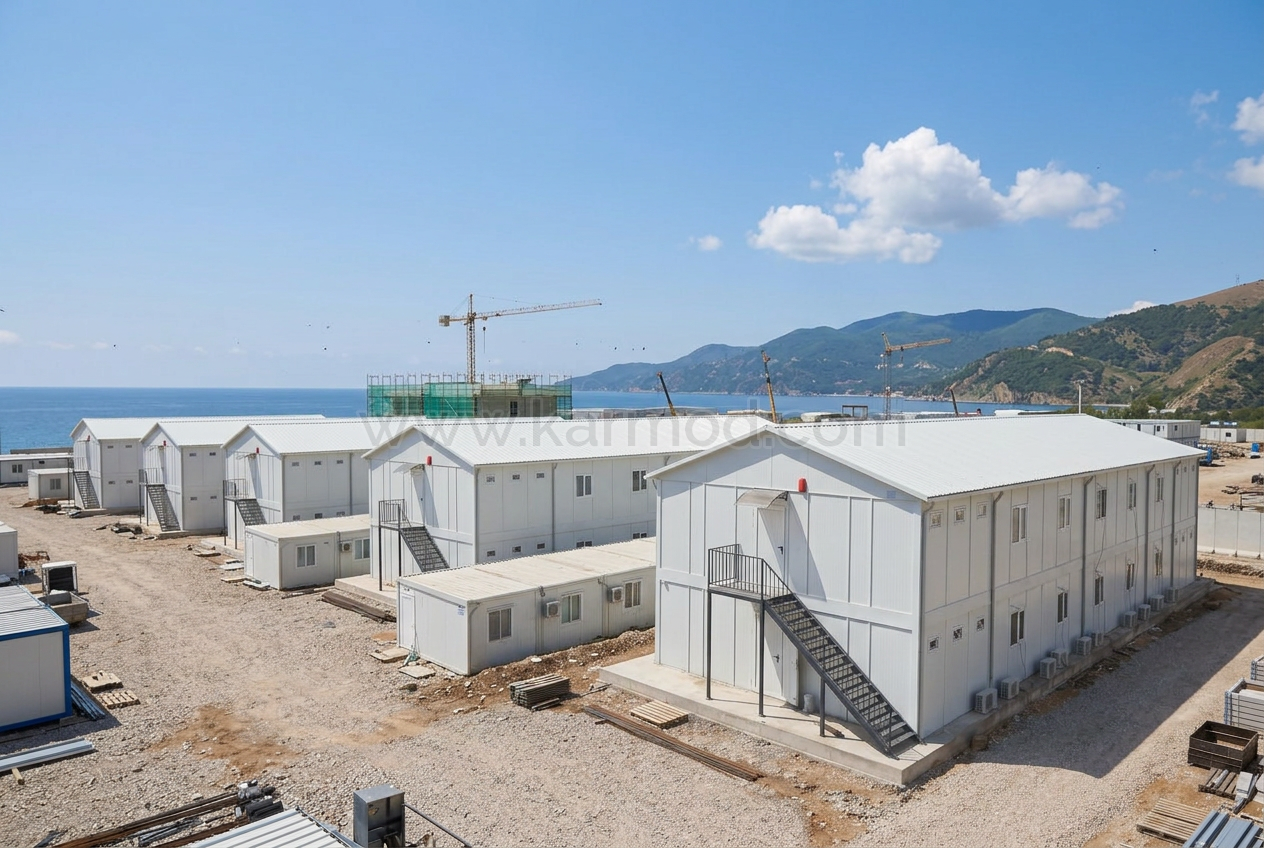
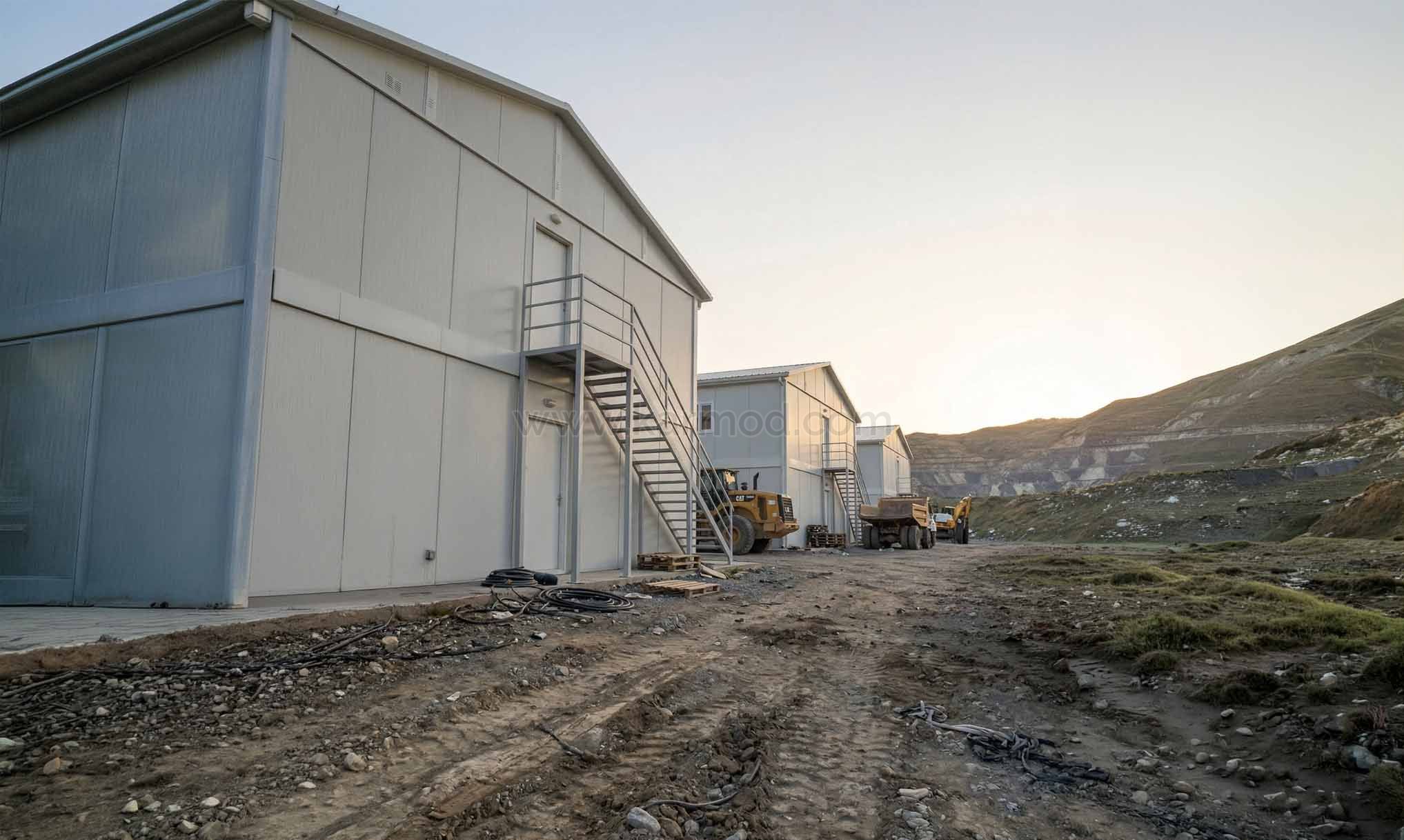
Produced in factory-controlled environments and assembled on site, modular homes provide a streamlined construction model that reduces both time and cost compared to traditional building practices. Prefabricated houses follow a similar principle, with sections manufactured off site and installed efficiently, limiting material waste and minimizing environmental impact. Together, these methods make it possible to deliver durable housing units at lower cost while maintaining consistent quality standards.
Karmod has contributed to the introduction of these housing models in Liberia by focusing on construction systems that respond to urgent housing demand. Modular and prefabricated approaches allow housing units to be delivered more quickly and with greater cost control, supporting low-income families who require immediate access to secure living conditions. In addition, factory-based production supports improved energy efficiency and reduced resource consumption during construction.
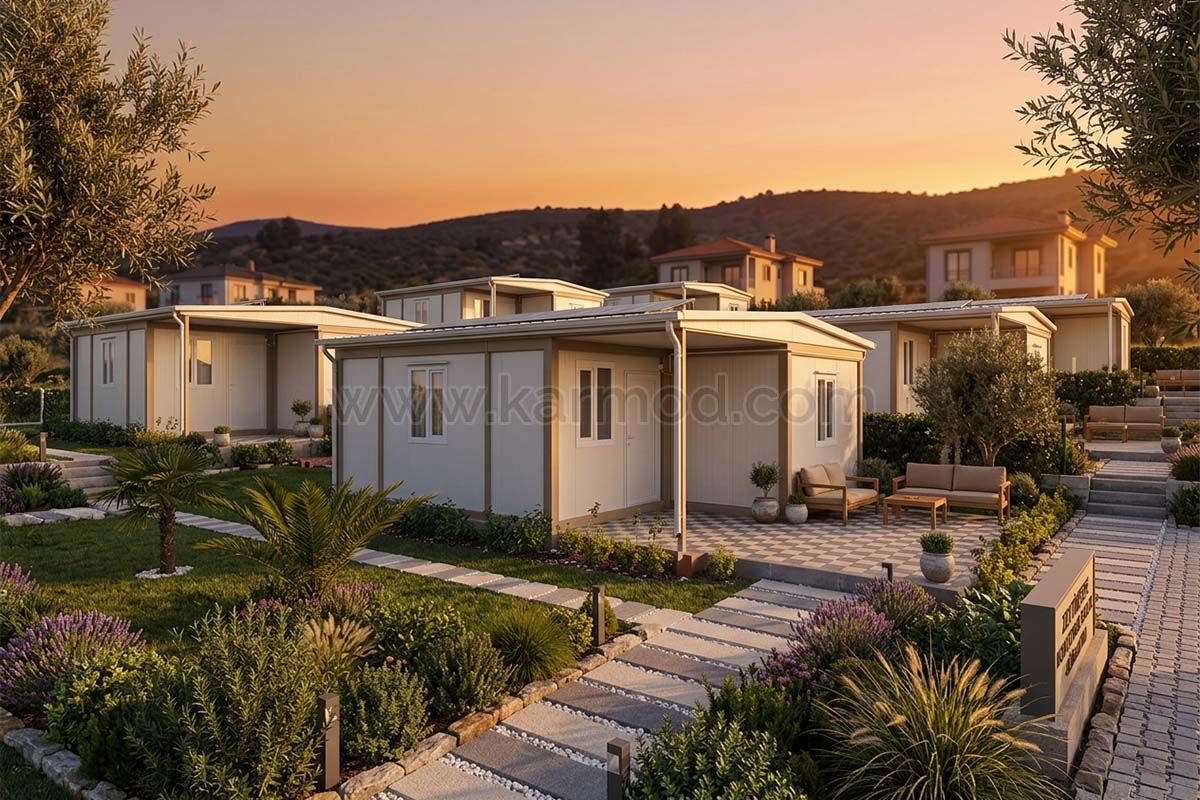
The versatility of modular and prefab homes is particularly relevant in Liberia, where housing needs vary across communities and regions. Units can be adapted to different household sizes and site conditions, allowing projects to respond to local requirements without extensive redesign. This adaptability, combined with controlled construction costs, positions these systems as viable tools for addressing social housing needs.
Karmod’s engagement in affordable housing reflects a broader shift toward construction models that emphasize sustainability, efficiency, and long-term usability. As modular and prefabricated housing gains wider acceptance as a response to housing shortages, these approaches support Liberia’s efforts to expand access to affordable, quality housing while laying groundwork for more resilient residential development.
Addressing Liberia’s housing shortage, particularly for low-income households, requires solutions that balance affordability with speed and durability. Low cost housing projects increasingly rely on modular construction methods that support predictable timelines and scalable delivery. These approaches aim not only to provide shelter but also to foster stable residential environments that contribute to community well-being.


Low cost housing construction, including affordable housing for low income and mobile affordable housing, plays a central role in expanding housing access. Such projects emphasize rapid deployment while maintaining cost discipline, ensuring that housing units can be delivered where demand is most acute. Low income social housing initiatives are especially important in reaching households with limited resources.
Modular housing construction supports these objectives by offering a repeatable and adaptable building system suitable for Liberia’s varied environmental and social contexts. Factory production and on-site assembly reduce construction duration and help manage overall project costs, making modular housing a core strategy for addressing housing gaps.
Key aspects of these initiatives include:
Prefabricated housing represents an important component of Liberia’s approach to low-income housing development. These projects prioritize consistent quality, controlled costs, and efficient delivery, helping to expand housing availability while supporting long-term sustainability.
Rather than focusing solely on low cost housing delivery, prefab initiatives aim to create housing that remains functional and adaptable over time. Low cost housing plans emphasize durability, efficient use of space, and environmental responsibility, ensuring that housing investments retain value.


Through affordable housing for low income and mobile affordable housing solutions, prefab projects support inclusive development and social equity. Low income social housing initiatives prioritize accessibility while reinforcing community stability.
In implementing these projects, several key factors are prioritized:
These initiatives represent a structured step toward meeting Liberia’s demand for affordable, resilient housing while supporting broader social development objectives.
Affordable modular housing construction is reshaping how housing challenges are addressed in Liberia. By focusing on low cost housing construction methods, these initiatives translate affordability objectives into practical outcomes, delivering housing units that meet essential living standards.
Here's how these initiatives are changing the landscape:
Through modular construction, Liberia advances toward a housing model that addresses immediate needs while supporting long-term stability.
Liberia’s housing strategy increasingly emphasizes solutions that can function as both temporary and permanent accommodation. Modular and prefabricated systems support this flexibility by allowing housing units to evolve alongside changing needs.


The strategy unfolds as follows:
This integrated approach supports Liberia’s efforts to deliver housing solutions that remain relevant over time while addressing immediate demand.
Karmod operates as a mobile affordable housing manufacturer in Liberia, contributing construction systems designed for flexibility, efficiency, and affordability. By combining industrialized production with adaptable design, the company supports low-income housing initiatives across diverse contexts.
Key to Karmod’s strategy is the deployment of mobile affordable housing units that can be delivered quickly and adapted for longer-term use. This approach reflects an understanding of Liberia’s housing challenges, where both immediacy and durability are essential.
Karmod distinguishes itself by offering:
Through mobile affordable housing solutions, Karmod supports accessible housing delivery while reinforcing long-term social housing capacity in Liberia.
Temporary housing remains an essential component of Liberia’s housing response, particularly in situations requiring rapid accommodation. Modular housing construction provides an effective framework for delivering temporary units with consistent quality and controlled costs.
Modular housing construction offers several advantages:
By leveraging modular construction for temporary housing, Liberia can respond to urgent needs while maintaining alignment with broader goals of housing affordability and long-term resilience.
In order to serve you better, if you could kindly send an e-mail to info@karmod.com for questions and details about your theoretical and special architectural plans, projects, and product specifications, your request will be responded to as soon as possible.

From one end of the world to the other, we enable our customers to reach the ready-made construction sector produced with the new technology of the world. We guarantee reliability through technology and innovation, flexible commercial models and smart supply chain solutions that add value for you, following the project production network.
Discover
Karmod is one of the largest prefabricated construction companies in Turkey, with a production of 45,000 m2. produces high quality prefabs and prefab containers