EN
EN 


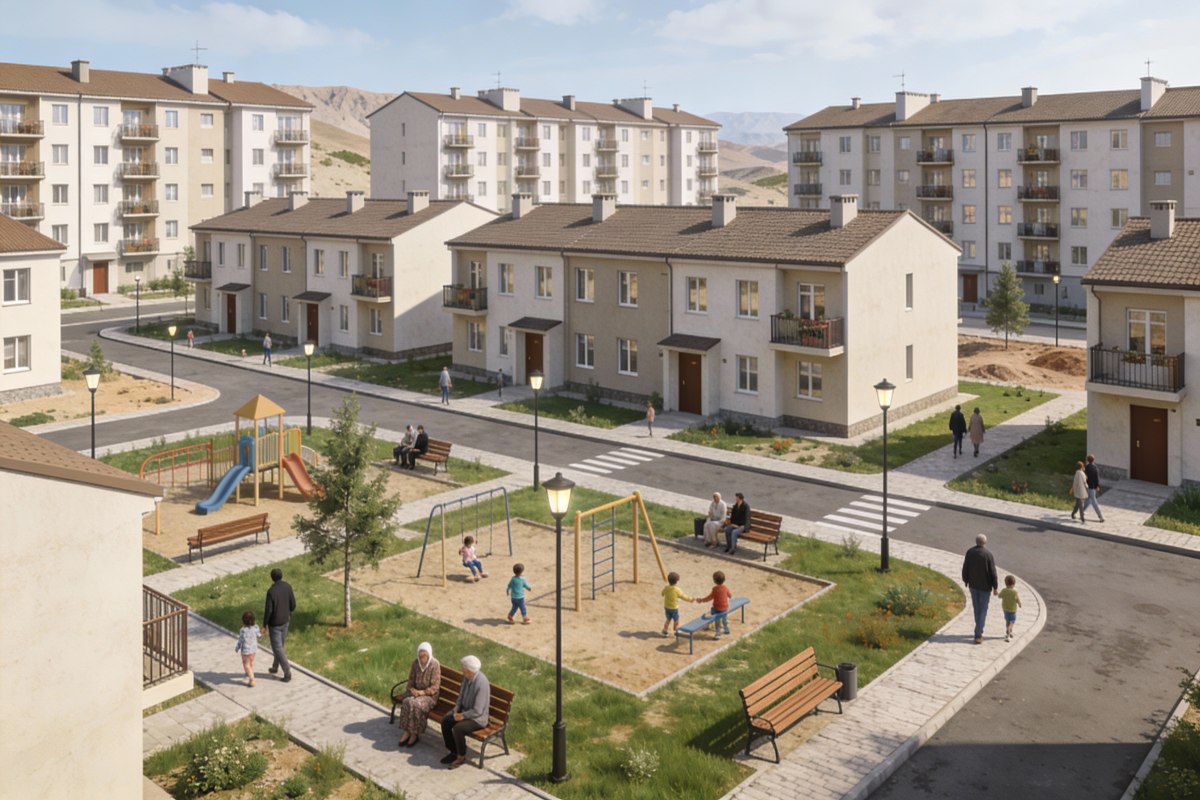
Kazakhstan’s vast geography and varied settlement patterns place sustained pressure on housing systems, particularly for households with limited financial resources. Affordable social housing has therefore become a critical concern, closely linked to social stability and regional development. In response to these challenges, modular homes and prefab homes are increasingly considered as practical construction models that can improve housing affordability while maintaining acceptable living standards.
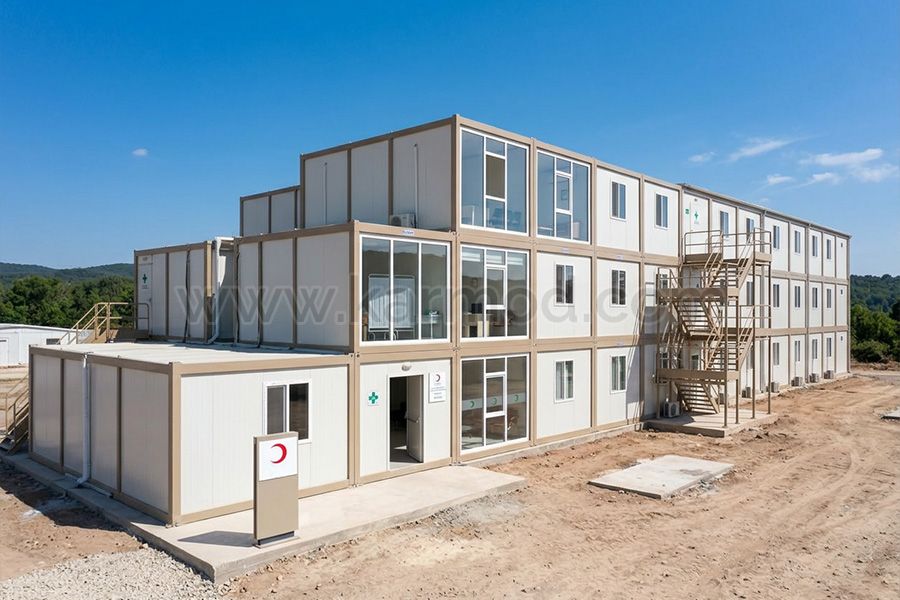
Karmod contributes to this landscape by applying modular housing systems that combine controlled manufacturing with on-site assembly. Homes are produced off-site in factory conditions, which supports consistent quality, reduced material waste, and more predictable construction timelines. Once transported and installed, these units help lower overall project costs, making them a viable option for low income households across Kazakhstan.
Prefab homes developed under similar principles introduce additional flexibility in layout and scale. These housing units can be adapted to different climatic zones and settlement types within Kazakhstan, from urban peripheries to more remote regions. The use of modern construction techniques also supports energy efficiency, helping to reduce long-term operating costs for residents.
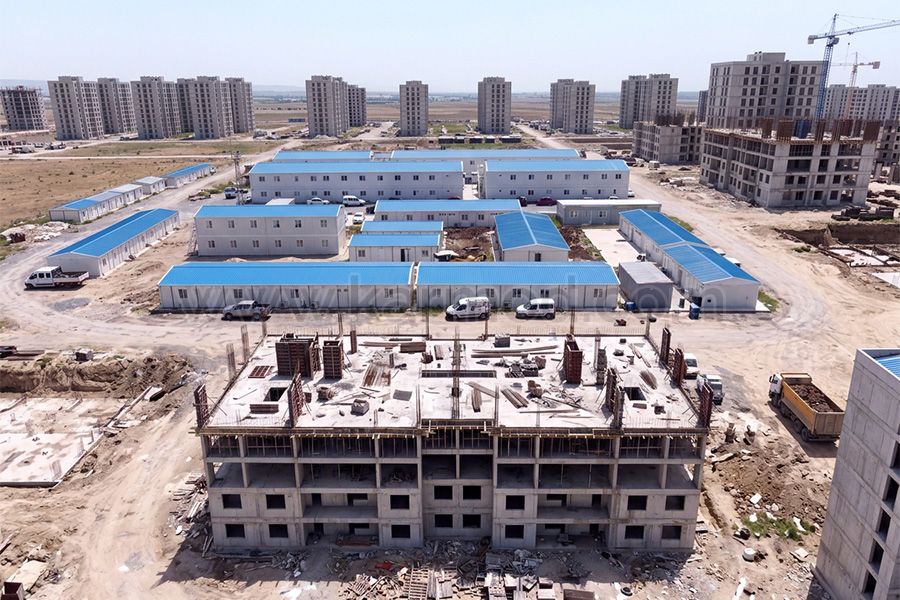
This housing approach extends beyond the provision of individual units. By prioritizing low cost housing solutions, projects can be planned as cohesive residential environments that support daily life and community interaction. Modular and prefab housing models allow for repeatable delivery while remaining adaptable to local needs.
Karmod’s involvement in affordable social housing in Kazakhstan illustrates how alternative construction methods can support broader housing objectives. Through modular and prefab systems, housing delivery becomes more accessible, scalable, and aligned with long-term community development goals.


Modular social housing offers Kazakhstan a structured framework for responding to housing demand with efficiency and foresight. Rather than focusing solely on speed, this model supports coordinated planning that integrates housing units with infrastructure and public services. Modular construction enables housing providers to scale projects in line with demographic and regional requirements.
Key Aspects of Modular Social Housing in Kazakhstan:
Prefab low income housing projects in Kazakhstan demonstrate how prefabrication can support inclusive housing delivery. These initiatives are designed to address shortages efficiently while maintaining consistency in quality and cost control. By combining prefabrication with low cost housing strategies, projects can reach broader segments of the population.
Highlights of Prefab Low Income Housing Projects:
Through modular and prefab housing initiatives, Kazakhstan strengthens its capacity to respond to housing needs in a systematic manner, supporting social inclusion and sustainable settlement growth.
Affordable modular housing construction has become an important component of Kazakhstan’s housing strategy. This approach supports predictable project execution, improved cost management, and adaptability across different regions. Modular construction is increasingly viewed as a long-term solution rather than a temporary measure.


Key Features of Kazakhstan's Modular Housing Construction:
Kazakhstan’s housing programs increasingly combine temporary accommodation with permanent low cost social housing. This approach allows authorities to address immediate displacement needs while developing stable residential options for long-term use.
Advantages of low cost Social Housing:
Kazakhstan’s emphasis on modular housing construction and low cost social housing reflects a structured response to housing demand, combining affordability with long-term sustainability.
Karmod operates in Kazakhstan as a manufacturer of mobile and modular affordable housing systems. Its production model focuses on efficiency, transportability, and consistent quality, enabling housing units to be delivered across varied geographic contexts.
Why Karmod Stands Out:


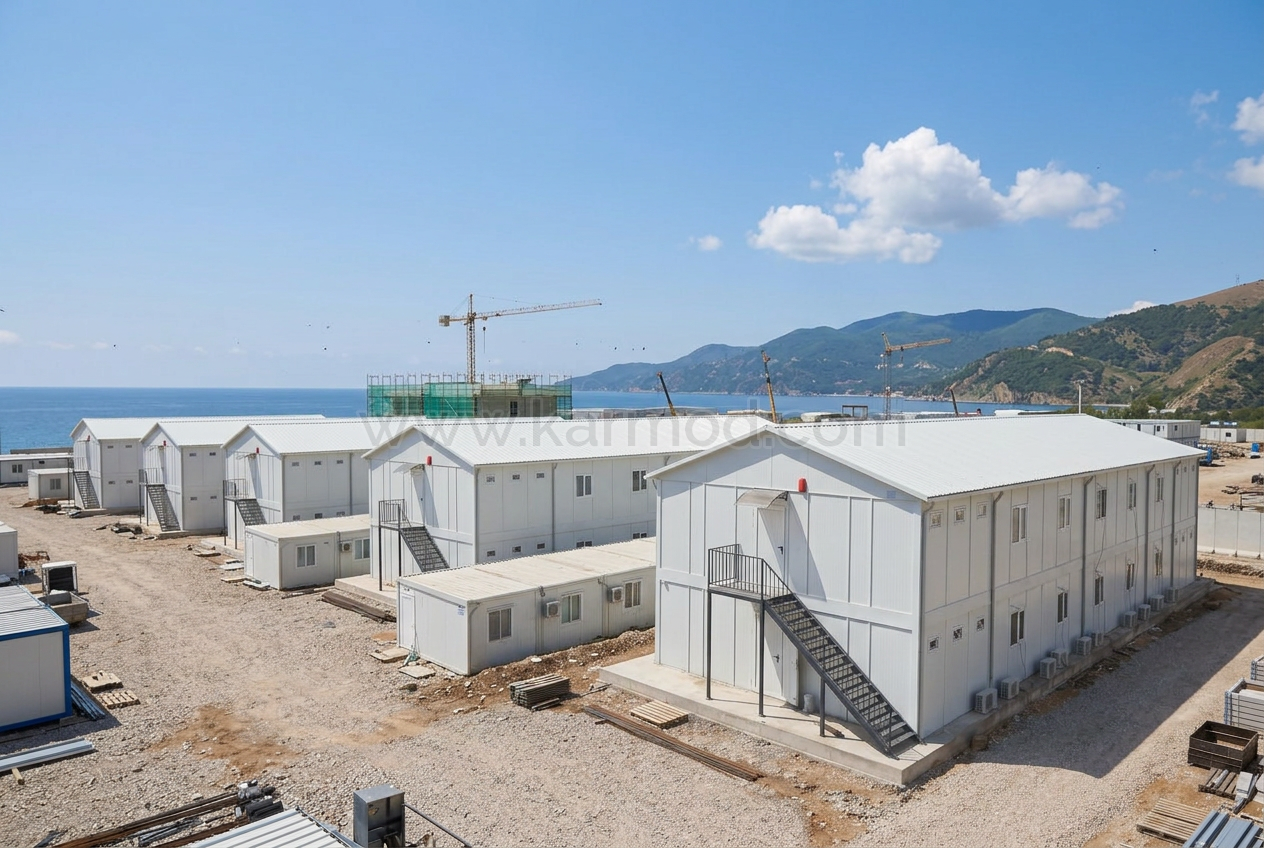
Temporary housing remains a necessary element of Kazakhstan’s broader housing framework. Modular construction offers a reliable solution for delivering short-term accommodation quickly, while maintaining acceptable safety and comfort standards.
Advantages of Modular Construction for Temporary Housing:
By combining modular construction with mobile affordable housing systems, Kazakhstan strengthens its ability to respond to both immediate and long-term housing challenges in a balanced and sustainable manner.
In order to serve you better, if you could kindly send an e-mail to info@karmod.com for questions and details about your theoretical and special architectural plans, projects, and product specifications, your request will be responded to as soon as possible.

From one end of the world to the other, we enable our customers to reach the ready-made construction sector produced with the new technology of the world. We guarantee reliability through technology and innovation, flexible commercial models and smart supply chain solutions that add value for you, following the project production network.
Discover
Karmod is one of the largest prefabricated construction companies in Turkey, with a production of 45,000 m2. produces high quality prefabs and prefab containers