EN
EN 


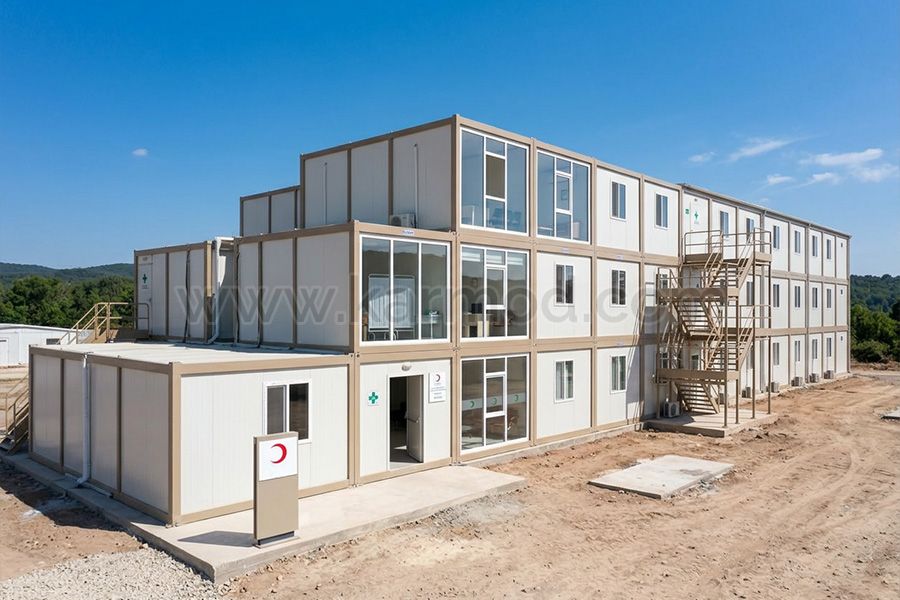
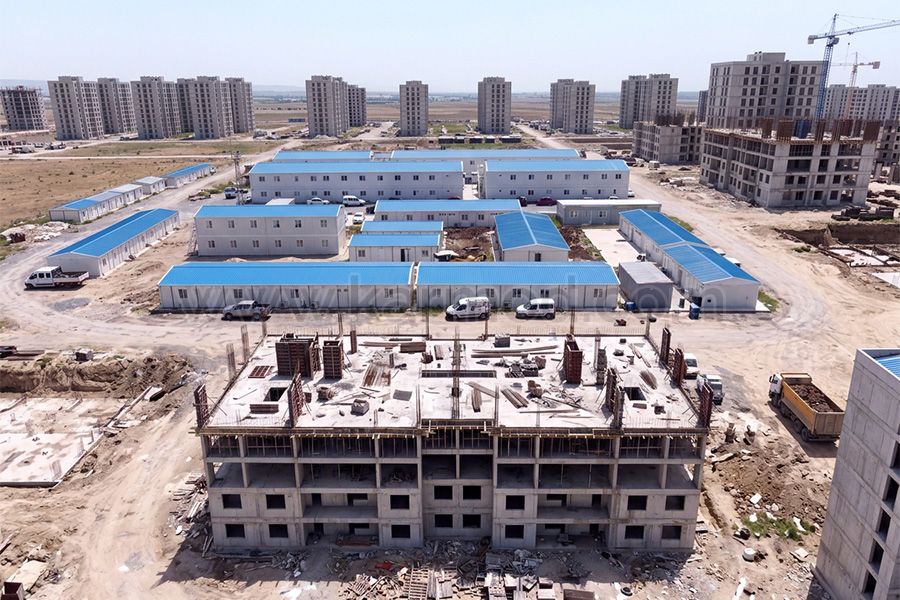
Karmod’s commitment to affordable housing in Hungary is framed around a clear public benefit: expanding access to safe, comfortable homes for households that would otherwise be priced out of the market. For low income families, housing affordability is not only about the initial purchase price, but also about predictable operating costs, reliable construction quality, and the ability to plan for the future. Karmod’s modular homes respond to these priorities by using controlled production environments and on-site assembly, reducing build time while maintaining consistency in finish and structural performance. This approach supports faster delivery without compromising durability, and it can also reduce construction waste compared to many conventional building methods.
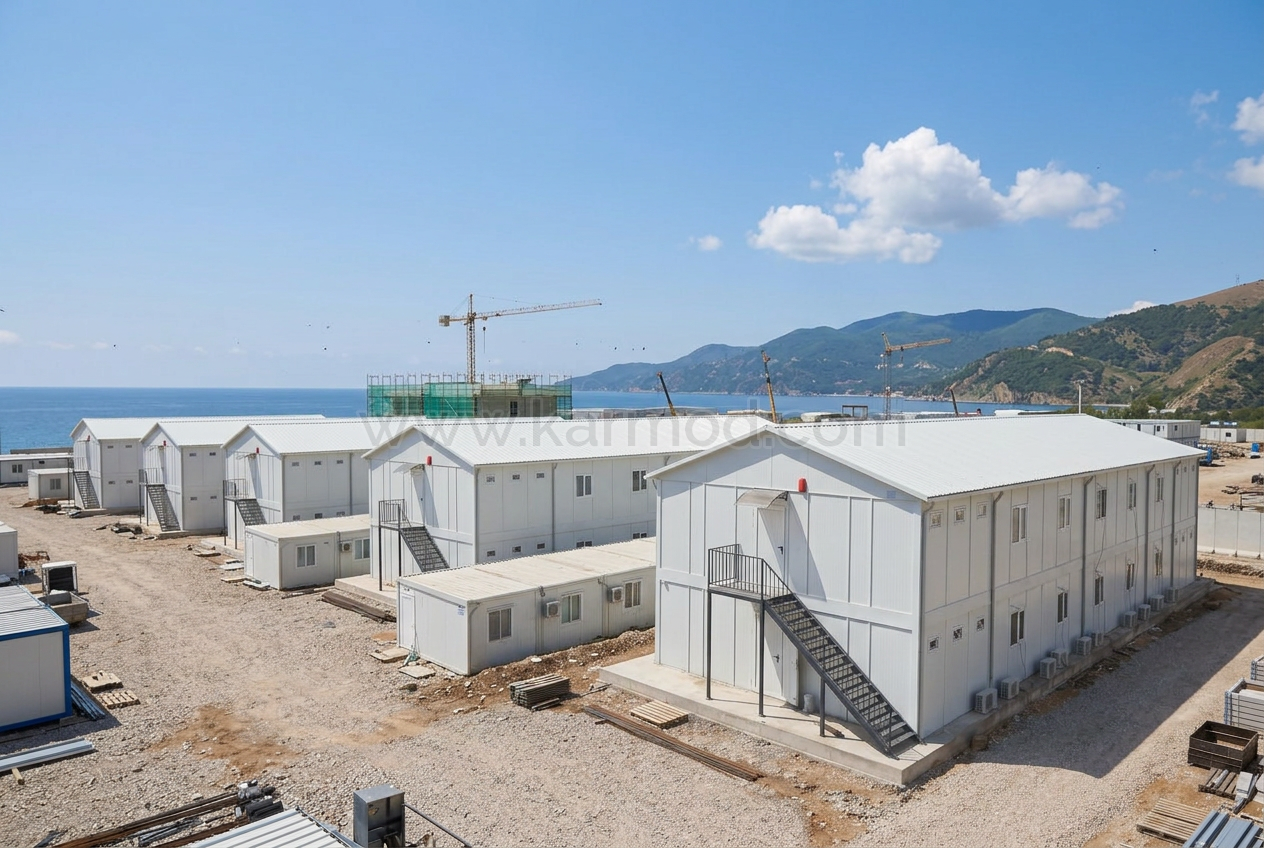
Karmod’s prefab homes extend the same logic of efficiency and cost control. Manufactured in sections and assembled at the final site, prefab construction reduces on-site disruption and helps manage timelines more reliably. The precision of prefabrication can translate into less material waste and clearer budgeting, supporting affordability for both housing providers and residents. Importantly, these homes can also be planned with flexibility in mind, allowing layouts to evolve as household needs change, which is a practical consideration for long-term social housing and community-based delivery models.


In Hungary, where the gap between income and housing costs can make stable accommodation difficult to secure, scalable construction methods can help expand supply in a disciplined way. By applying modular housing construction and prefabrication, Karmod supports delivery approaches that can be replicated across different sites and settlement sizes. The focus moves beyond “units delivered” toward homes that can sustain everyday life, support community integration, and contribute to stable neighborhood outcomes.
Karmod’s work in Hungary illustrates how industrialized building methods can support affordable social housing when paired with quality assurance and realistic cost management. As more households access homes that meet basic comfort and durability expectations, the wider housing system benefits from greater stability. For municipalities, public authorities, and non-profit housing partners, these methods can help align delivery speed with long-term sustainability, supporting a more resilient approach to housing provision.
Hungary is increasingly considering modular housing construction as a practical route to expand affordable housing for low income families. The core advantage is predictability: standardized production supports clearer timelines, more consistent quality, and tighter control of project costs, all of which matter in public housing projects. When modular delivery is matched with well-defined low cost housing plans, it can help housing providers respond to demand without sacrificing basic livability standards.


Prefab housing can strengthen Hungary’s low income social housing capacity by improving speed, predictability, and repeatability across projects. For institutions planning affordable housing for low income households, prefabrication helps reduce construction complexity on site while supporting consistent quality standards. Importantly, prefab projects can be organized in ways that support community integration, not only housing delivery.
The growth of modular housing construction and prefab delivery models in Hungary signals a shift toward housing solutions that are faster to provide and easier to manage over time. By prioritizing efficiency, durability, and practical design, these projects can support both immediate needs and sustainable, long-term community outcomes.
Hungary’s affordable housing challenge requires solutions that can be delivered quickly, financed responsibly, and maintained without excessive long-term costs. Modular housing construction and prefab systems can strengthen how affordable housing projects are planned and executed by reducing timeline uncertainty and improving quality consistency. These approaches are relevant across a range of needs, from transitional accommodation to permanent low cost social housing.
Modular housing construction in Hungary stands out for its:
Hungary’s housing needs include both urgent, short-term accommodation and stable, long-term homes. A well-planned social housing response often requires both, delivered through models that maintain dignity, safety, and affordability. Modular and prefab methods can support this by enabling faster delivery while keeping operating costs and maintenance planning within realistic limits.
Hungary’s shift toward modular housing construction and prefab low income housing strategies reflects an emphasis on practicality and long-term sustainability. When housing delivery is designed as a system, it can serve immediate needs while also supporting stable, integrated communities where residents can plan for the future.


Karmod supports Hungary’s affordable housing goals by providing mobile affordable housing solutions that can be deployed efficiently and managed predictably over time. For public authorities and housing partners focused on low cost housing construction, a manufacturer-led delivery model can help maintain consistent quality, reduce on-site disruption, and keep budgets within defined limits.
Where temporary housing is required in Hungary, modular construction offers a strong combination of speed, scalability, and cost control. This is relevant for transitional accommodation needs where timely delivery is essential, and where housing providers must balance urgency with basic comfort and safety standards.
Karmod’s modular housing construction experience and its mobile affordable housing solutions contribute to a housing approach that can address both immediate pressures and longer-term needs in Hungary. By aligning delivery speed with durability and affordability, these methods can help strengthen social housing outcomes across different communities.
In order to serve you better, if you could kindly send an e-mail to info@karmod.com for questions and details about your theoretical and special architectural plans, projects, and product specifications, your request will be responded to as soon as possible.

From one end of the world to the other, we enable our customers to reach the ready-made construction sector produced with the new technology of the world. We guarantee reliability through technology and innovation, flexible commercial models and smart supply chain solutions that add value for you, following the project production network.
Discover
Karmod is one of the largest prefabricated construction companies in Turkey, with a production of 45,000 m2. produces high quality prefabs and prefab containers