EN
EN 


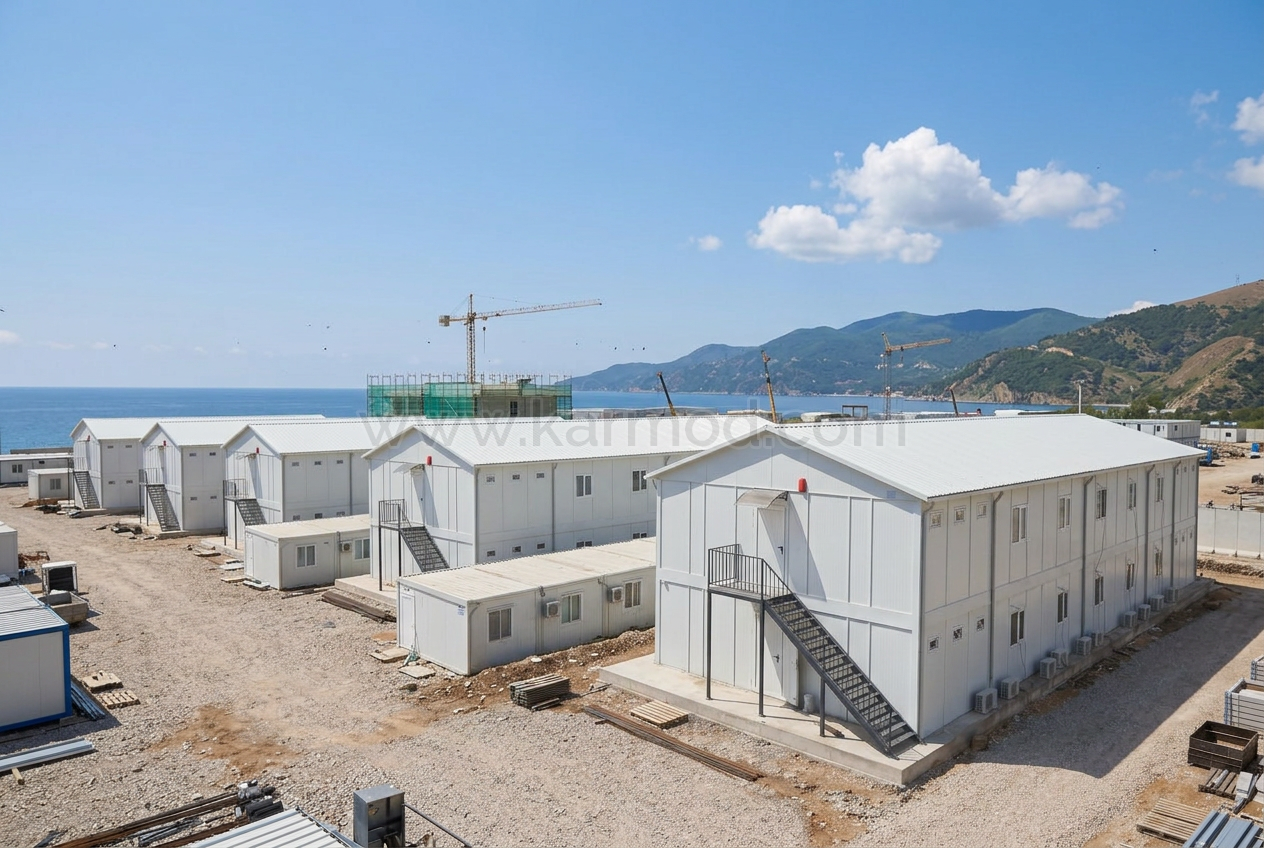
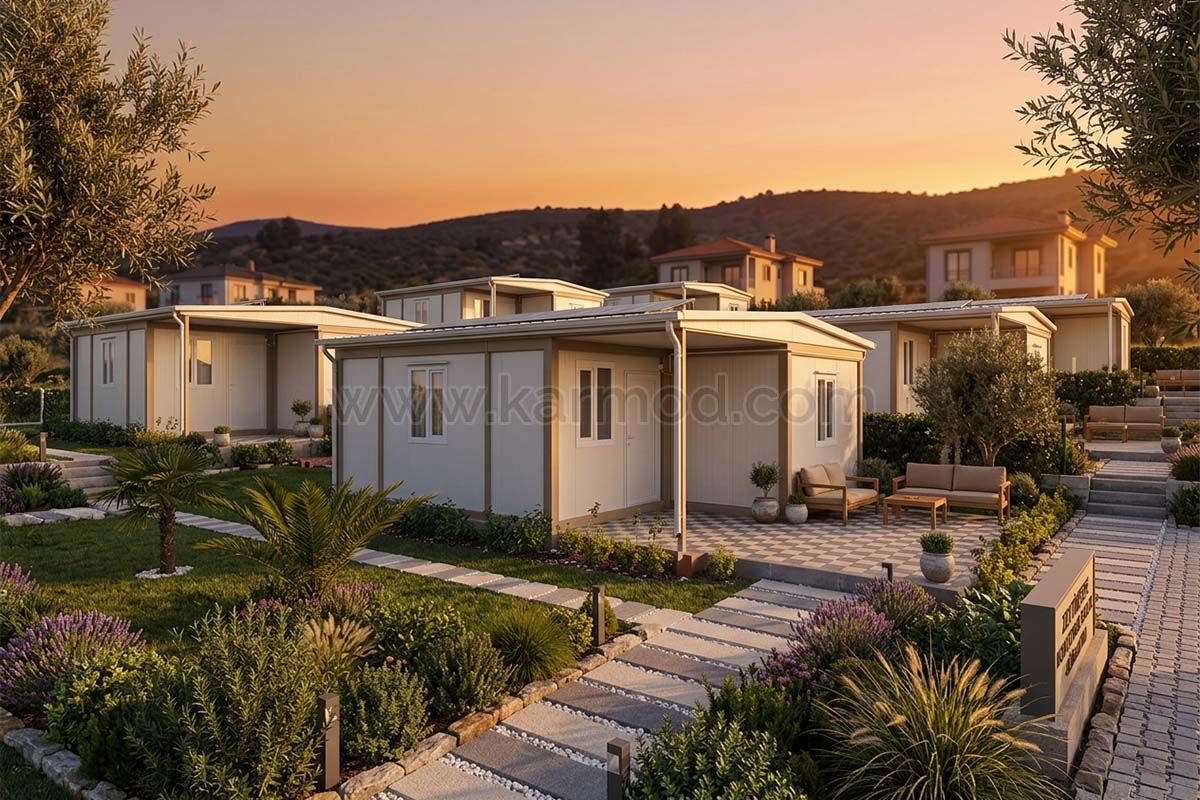
Across Croatia’s coastal cities, inland towns, and smaller municipalities, affordable social housing remains a pressing need tied to household stability and community wellbeing. For low-income families, housing affordability is not only about the initial price of a home, but also about predictable operating costs, reliable build quality, and a delivery model that can respond to demand without long delays. Modular and prefab homes are increasingly viewed as practical tools within this landscape, and Karmod’s work positions these systems as scalable options for delivering dignified, durable housing that can perform well across Croatia’s varied climates.
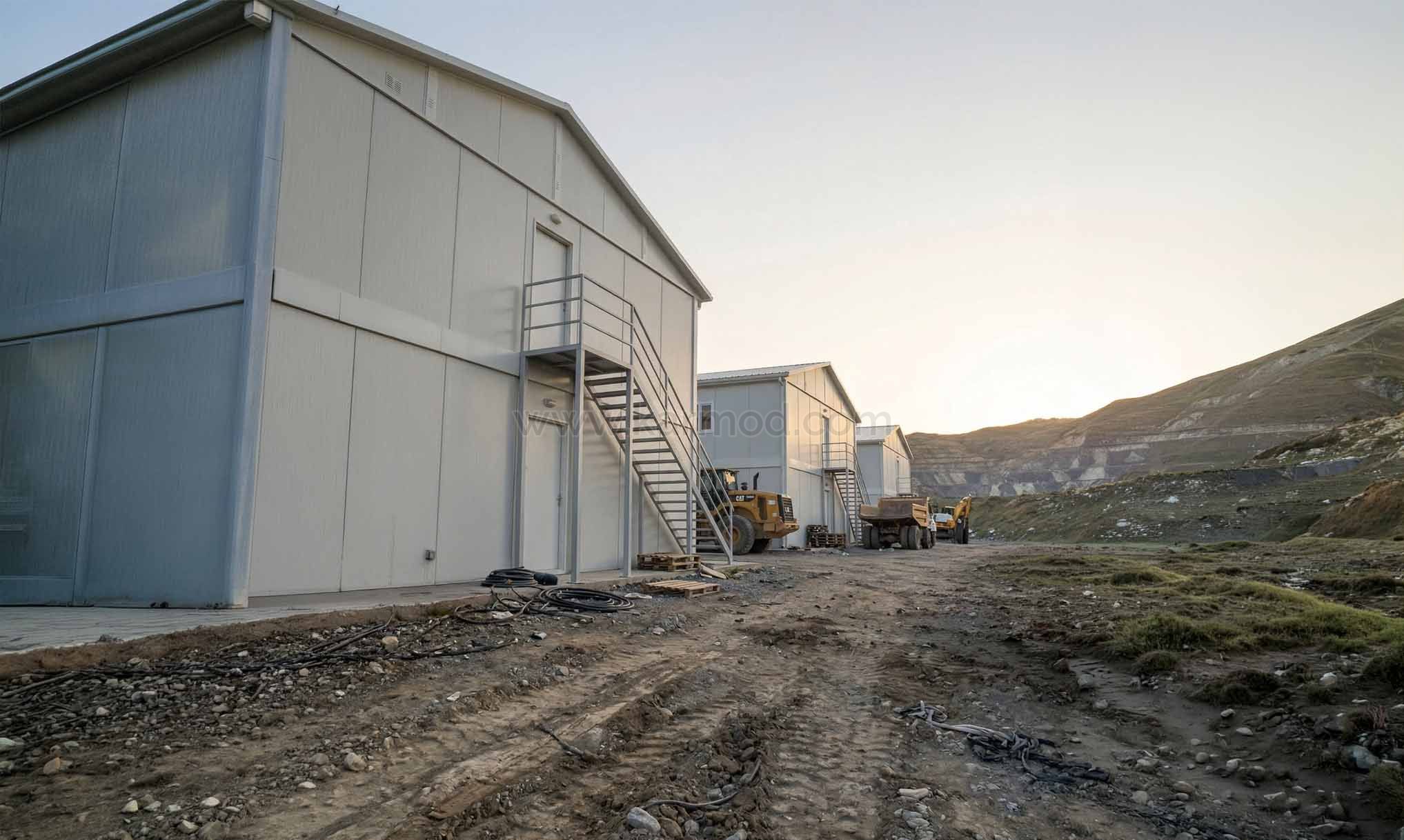
Karmod has focused on making housing delivery more predictable by streamlining construction through modular homes. Factory-based production and on-site assembly can reduce schedule uncertainty and limit on-site disruption, helping housing providers manage budgets and timelines more effectively than many traditional builds. This efficiency is intended to support affordable social housing outcomes without lowering expectations for comfort, safety, or durability, which remain essential for long-term stability in public housing projects.
Prefab homes, another core element of Karmod’s approach, offer variety and flexibility while keeping construction processes controlled. Manufactured in a controlled environment, prefab units can reduce waste and improve quality consistency. Once transported and assembled, they provide faster access to housing, which matters where demand is high and households cannot wait through extended construction cycles. The emphasis on repeatable production also supports program planning for municipalities and partners that need solutions they can scale responsibly.
Karmod’s contribution to affordable social housing in Croatia is shaped around building homes that support long-term livability and community integration. Beyond the structure itself, successful low-income housing depends on planning that considers local settlement patterns, everyday access to services, and the social value of stable neighborhoods. In Croatia, where affordability pressures can vary by region, modular and prefab models provide a way to expand supply while keeping delivery disciplined and operationally sustainable.
Croatia’s efforts to address housing affordability for economically disadvantaged households increasingly include modular social housing as a practical delivery option. Modular housing construction supports low cost housing construction by improving timeline predictability, controlling waste, and standardizing key building components. When paired with realistic low cost housing plans, modular delivery can help public authorities and housing partners expand supply while maintaining consistent quality standards.


Prefab housing is increasingly discussed in Croatia as a route to expand housing access while maintaining a managed and repeatable construction process. Prefab homes can support low income social housing by reducing the time and disruption typically associated with on-site builds, while also helping providers keep projects within defined cost parameters. When planned thoughtfully, prefab housing can contribute to community integration rather than functioning as isolated housing stock.
By combining modular housing construction with prefab low income housing strategies, Croatia can strengthen housing delivery models that respond to current affordability pressures while also supporting long-term sustainability and social cohesion.


Croatia’s housing needs call for solutions that are cost-effective, adaptable to diverse locations, and capable of supporting both short-term and long-term housing pathways. Affordable modular housing construction contributes to these goals by reducing build timelines, improving cost predictability, and supporting consistent quality outcomes. This approach is relevant not only for new developments but also for phased projects where housing supply must expand in stages.
The Croatian housing sector is seeing greater attention on modular housing construction because it offers:


Alongside long-term housing development, Croatia also requires flexible options that can respond to urgent needs, including temporary accommodation and transitional housing pathways. Modular and prefab systems can support both temporary and permanent low cost social housing by enabling faster delivery and clearer maintenance planning, while still protecting dignity and safety standards.
Croatia’s modular social housing efforts reflect a broader commitment to housing solutions that are financially responsible and socially sustainable. By focusing on flexible delivery models and long-term livability, these initiatives support a future where affordable, quality housing is accessible to more households.
Karmod’s role as a Croatia mobile affordable housing manufacturer connects affordable housing objectives with manufacturer-led delivery models. For municipalities and housing partners, this can support consistent quality, predictable timelines, and cost control across projects. The goal is to expand access to low cost housing Croatia needs while maintaining reliable performance and manageable long-term operating costs.
Temporary housing in Croatia requires solutions that can be deployed quickly, maintained responsibly, and adapted to changing needs. Modular housing construction offers a practical method for meeting these requirements, particularly in situations where housing must be added fast and later adjusted, relocated, or expanded as demand shifts.
Through modular and mobile housing solutions, Karmod supports Croatia’s need for temporary and permanent low cost housing pathways. By aligning rapid delivery with durability, affordability, and sustainability, these approaches can help strengthen affordable social housing outcomes across the country.
In order to serve you better, if you could kindly send an e-mail to info@karmod.com for questions and details about your theoretical and special architectural plans, projects, and product specifications, your request will be responded to as soon as possible.

From one end of the world to the other, we enable our customers to reach the ready-made construction sector produced with the new technology of the world. We guarantee reliability through technology and innovation, flexible commercial models and smart supply chain solutions that add value for you, following the project production network.
Discover
Karmod is one of the largest prefabricated construction companies in Turkey, with a production of 45,000 m2. produces high quality prefabs and prefab containers