EN
EN 


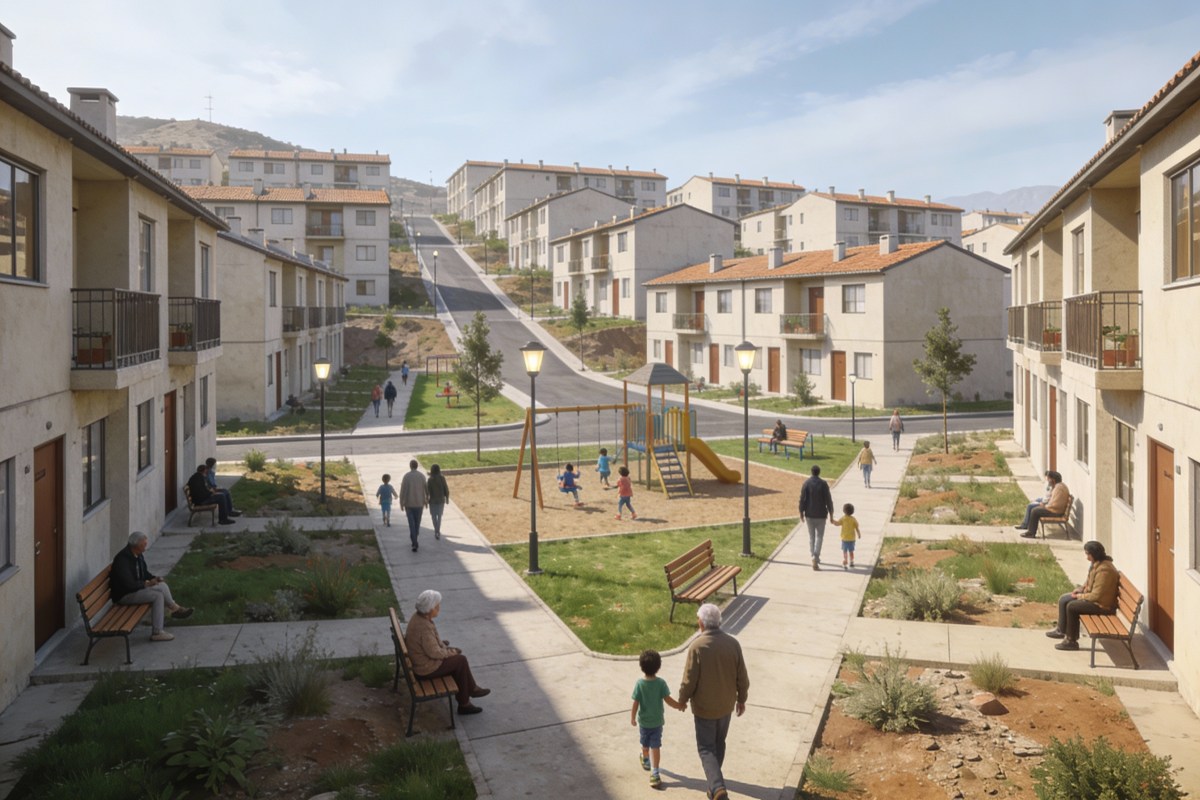
Chile’s diverse geography and social fabric create sustained pressure on housing systems, particularly for low income households seeking stable and dignified living conditions. Affordable social housing plays a central role in addressing this challenge, supporting not only shelter needs but also long-term community stability. Within this context, modular and prefabricated construction approaches have gained attention as practical tools for improving housing affordability, delivery speed, and quality consistency across the country.
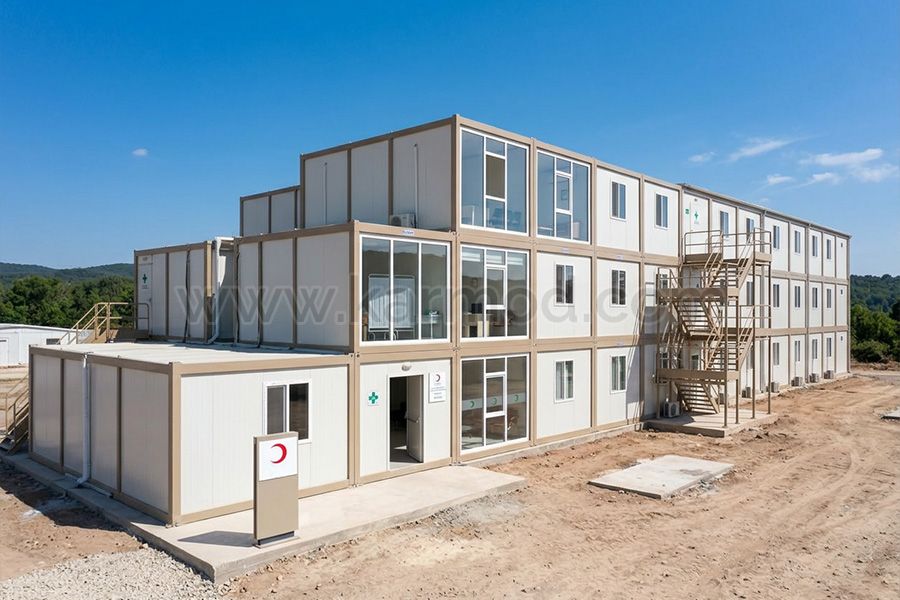
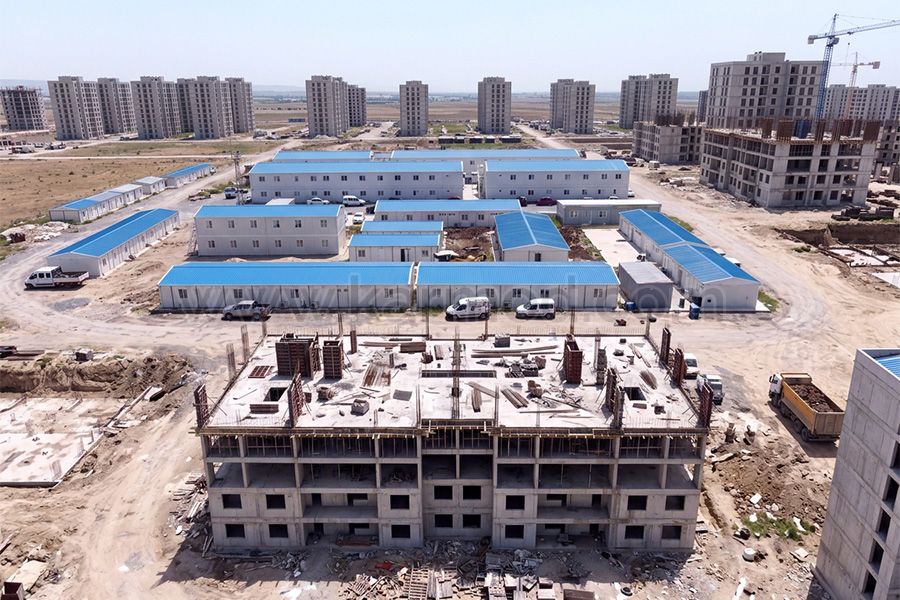
Karmod has contributed to this shift by introducing modular housing systems that respond to Chile’s structural housing demands. Modular homes are produced in controlled factory environments, which supports predictable quality standards, efficient material use, and reduced construction waste. On-site installation is streamlined, allowing projects to be completed within shorter timeframes compared to conventional building methods. This approach is particularly relevant in Chile, where seismic conditions, climate variation, and geographic distance can complicate traditional construction logistics.
Prefab homes developed under the same production philosophy offer additional flexibility in scale and layout. Manufactured as transportable sections and assembled on location, these housing units provide durable and affordable solutions without sacrificing structural integrity. Their adaptability allows them to be deployed across Chile’s contrasting regions, from northern desert settlements to southern, colder zones, supporting both urban and regional housing strategies.
The focus on affordable social housing in Chile reflects a broader effort to balance cost control with long-term livability. Modular and prefab housing models support this objective by enabling repeatable delivery models, lower operating costs, and the potential for community-based planning. Rather than addressing housing shortages as short-term issues, these systems contribute to sustained neighborhood development and improved access to secure housing for future generations.
Modular social housing has emerged as a structured response to Chile’s need for scalable and resilient public housing projects. Beyond speed of construction, this approach allows housing authorities and project stakeholders to plan settlements with consistency, infrastructure alignment, and long-term service integration in mind. Modular construction supports not only physical housing delivery but also the formation of organized residential environments.
Insights into Modular Social Housing:


Prefab low income housing projects in Chile illustrate how standardized construction methods can support inclusive housing policies. By relying on prefabrication, these initiatives can deliver consistent housing quality while maintaining affordability targets set by public authorities or social organizations. The emphasis is not solely on unit delivery but also on creating functional living environments.
Key Highlights of Prefab Housing Projects:
By advancing modular and prefab housing approaches, Chile strengthens its capacity to address housing needs in a structured and forward-looking manner. These initiatives support social inclusion while laying a foundation for more balanced urban and regional development.
Modular housing construction has become a practical component of Chile’s response to housing affordability pressures. The model supports repeatable project execution, predictable timelines, and improved resource management, making it suitable for public and social housing programs. Its application across different regions highlights its flexibility in addressing diverse local conditions.
Core Benefits of Modular Housing in Chile:


Chile’s housing strategy increasingly incorporates both temporary and permanent low cost social housing models. This dual approach allows authorities to respond to immediate displacement needs while also investing in long-term residential stability for vulnerable populations.
Strategies for low cost Social Housing:


Through modular construction and structured housing planning, Chile continues to refine its approach to affordable social housing, balancing immediate needs with long-term urban resilience.
Karmod operates in Chile as a manufacturer focused on mobile and modular affordable housing systems. Its production model emphasizes consistency, transport efficiency, and adaptability, allowing housing units to be deployed across varied geographic and social contexts. These characteristics are particularly relevant for projects requiring flexibility in location or duration.
Why Karmod is the Go-To Manufacturer for Affordable Housing in Chile:
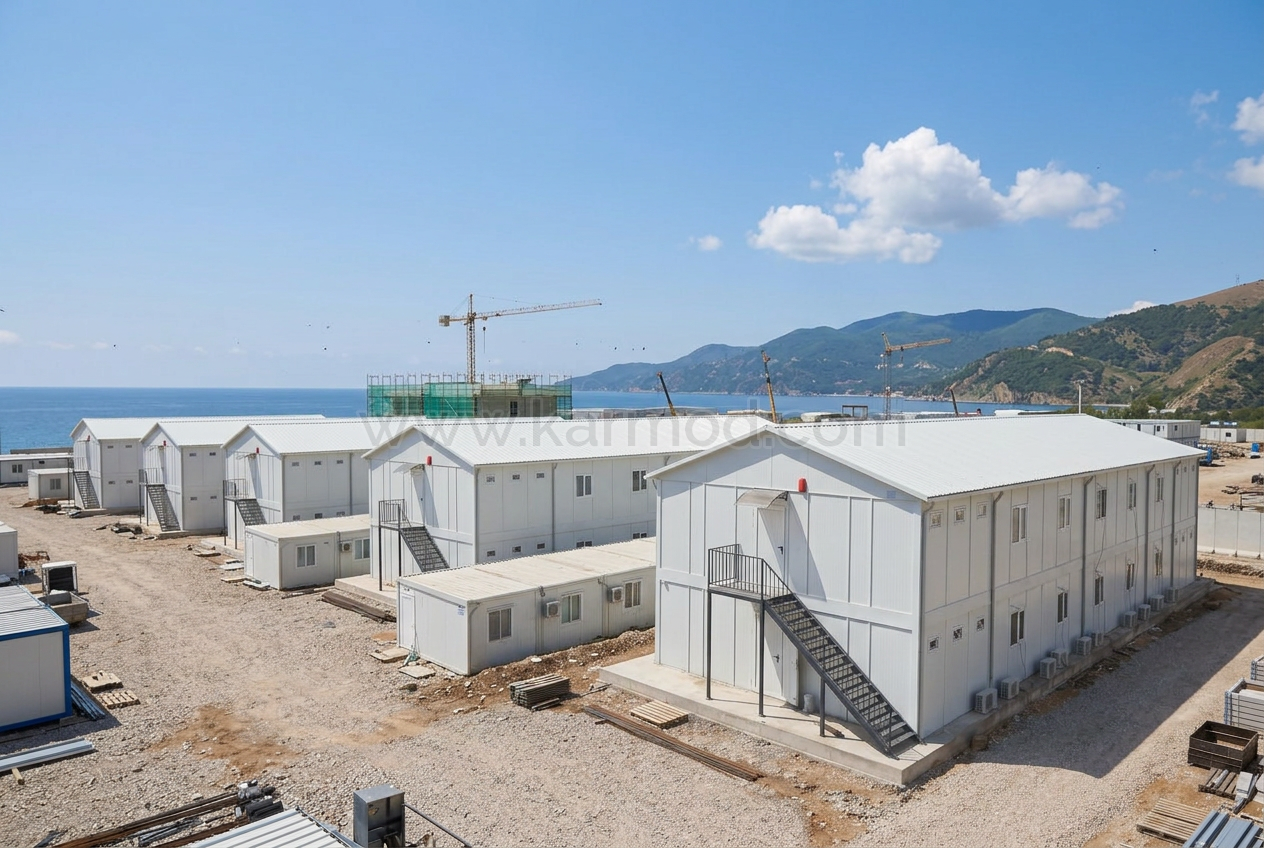
Temporary housing solutions are essential in Chile, particularly in response to natural events or short-term displacement. Modular construction offers a reliable framework for delivering safe and functional housing quickly, without compromising basic living standards.
Advantages of Modular Construction for Temporary Housing:
By integrating modular construction into temporary housing planning, Chile strengthens its capacity to respond effectively to short-term housing challenges while maintaining a pathway toward long-term social housing stability.
In order to serve you better, if you could kindly send an e-mail to info@karmod.com for questions and details about your theoretical and special architectural plans, projects, and product specifications, your request will be responded to as soon as possible.

From one end of the world to the other, we enable our customers to reach the ready-made construction sector produced with the new technology of the world. We guarantee reliability through technology and innovation, flexible commercial models and smart supply chain solutions that add value for you, following the project production network.
Discover
Karmod is one of the largest prefabricated construction companies in Turkey, with a production of 45,000 m2. produces high quality prefabs and prefab containers