EN
EN 


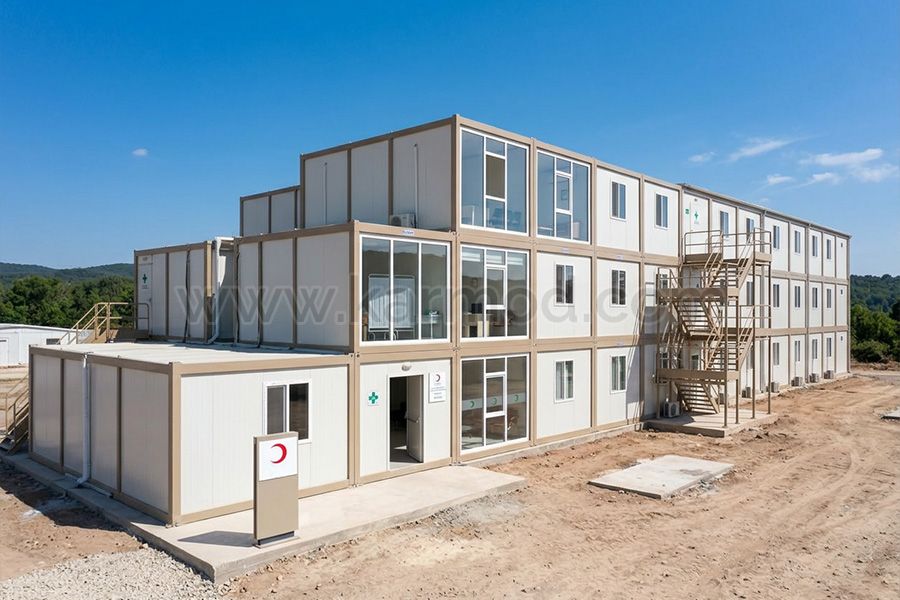
Across Bulgaria’s diverse landscapes, where historic towns and rural regions sit alongside growing urban centers, access to affordable social housing remains a critical public concern. The issue extends beyond shelter alone. For households with limited incomes, dignified housing is closely linked to social stability, health, and long-term opportunity. Within this context, modular homes and prefab homes, as developed by Karmod, offer a practical framework for addressing low-income housing needs in a structured and scalable way.
The development of affordable social housing in Bulgaria presents complex challenges, from budget limitations to delivery speed and long-term operating costs. At the same time, it creates space for alternative delivery models that prioritize efficiency and durability. By applying modular and prefab construction systems, Karmod contributes to housing solutions that reduce financial pressure on both providers and residents. These housing units are not positioned as temporary fixes, but as carefully designed living environments that support stability and everyday functionality.
Modular and prefab homes are produced within controlled factory settings and then assembled on site, allowing for consistent quality and predictable timelines. This method reduces material waste, shortens construction schedules, and lowers overall project costs. For Bulgaria, where public authorities and social housing providers often face tight planning horizons, this approach supports faster deployment without sacrificing structural integrity or adaptability. Karmod’s role within this framework focuses on delivering housing that balances affordability with long-term performance.


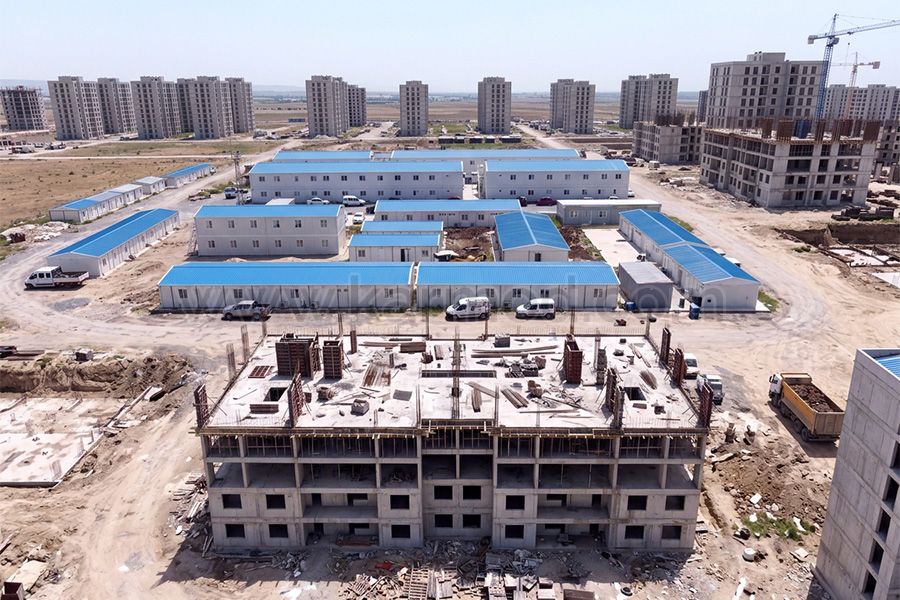
Affordable social housing should be understood as a fundamental social infrastructure rather than a residual solution. In Bulgaria, where economic disparities remain visible across regions, housing initiatives that emphasize affordability and inclusion help reinforce community cohesion. Projects developed with modular systems can be integrated into existing neighborhoods or planned developments, supporting social interaction and access to essential services while maintaining cost control.
Looking ahead, the relevance of affordable social housing in Bulgaria continues to grow. Modular construction models demonstrate how innovation, planning discipline, and responsiveness to local conditions can improve housing accessibility. Approaches led by experienced manufacturers show that it is possible to respond to immediate housing demand while also supporting broader social development goals. Each completed project contributes incrementally to a more resilient and inclusive housing landscape.
In Bulgaria, the search for affordable living solutions is closely tied to public responsibility and long-term urban planning. Low-income households, municipalities, and social housing authorities are increasingly focused on housing models that combine cost efficiency with livable standards. Modular social housing responds to this need by enabling the creation of residential environments that are financially accessible and structurally reliable.
Low cost housing construction emphasizes careful planning and efficient use of resources. Housing layouts are developed with affordability and functionality in mind, ensuring that living spaces meet everyday needs without unnecessary complexity. This approach allows public housing projects to remain within budget while delivering consistent quality and predictable maintenance requirements.


Affordable housing for low income groups also benefits from construction systems that allow flexibility in scale and location. Modular units can be deployed as part of larger residential clusters or as smaller, targeted developments. Mobile affordable housing concepts further expand this flexibility, making it possible to respond to shifting demand across regions and municipalities.
Low income social housing remains central to these efforts, particularly for households facing housing insecurity. Modular housing construction supports rapid delivery, which is essential in situations where demand outpaces traditional building capacity. By focusing on repeatable, well-defined construction processes, housing providers can respond more effectively to urgent social needs.
These housing initiatives are not solely about addressing immediate shortages. They also contribute to long-term social stability by establishing a reliable housing stock that can adapt over time. For Bulgaria, modular social housing represents a foundation for more balanced growth and improved housing accessibility.
The Bulgarian housing sector is gradually integrating prefab low income housing as a response to affordability constraints. This shift reflects a broader reassessment of how housing can be delivered efficiently while maintaining acceptable living standards for residents with limited financial resources.
Projects centered on low cost housing Bulgaria make use of prefab construction to control expenses and reduce project timelines. Factory-based production enables standardized components, leading to greater predictability in cost and quality. As a result, housing providers can develop low cost housing plans that are easier to replicate and adapt across different regions.
Low cost housing construction within these projects relies on modern building techniques that prioritize durability and ease of maintenance. Material choices and structural systems are selected to balance upfront affordability with long-term operational performance, an important consideration for publicly supported housing developments.
Affordable housing for low income families is addressed through layouts and unit sizes that focus on essential living requirements. Mobile affordable housing options further support adaptability, allowing housing stock to be relocated or expanded as demographic needs change.
Low income social housing projects also function as safety mechanisms within the broader housing system. By using modular housing construction, providers can increase supply in a controlled manner, responding to demand without overextending resources.
These prefab housing initiatives illustrate how Bulgaria can advance housing affordability through structured, repeatable solutions. They demonstrate a practical pathway toward inclusive housing delivery that aligns with public sector priorities.
Bulgaria is increasingly adopting affordable modular housing construction to address sustained demand for cost-conscious residential development. This construction model supports low cost housing Bulgaria by combining standardized production with site-specific assembly. The result is housing that remains accessible without compromising basic comfort or structural reliability.
The strength of modular housing construction lies in its ability to streamline delivery while maintaining flexibility. Key characteristics of this approach include:


Bulgaria’s housing needs require solutions that can function both temporarily and permanently. Low cost social housing projects increasingly rely on modular housing construction to deliver this flexibility. Whether addressing short-term accommodation needs or establishing long-term residential stock, modular systems provide adaptable and scalable options.
By prioritizing affordability and flexibility, Bulgaria demonstrates how modular construction can support responsible social housing strategies. These projects contribute to a housing system that balances urgency with long-term sustainability.
Karmod contributes to Bulgaria’s affordable housing landscape by providing mobile affordable housing solutions designed for efficiency and long-term use. As a manufacturer with experience in modular systems, Karmod supports housing initiatives that focus on accessibility, controlled costs, and consistent quality.
Key elements of this approach include:
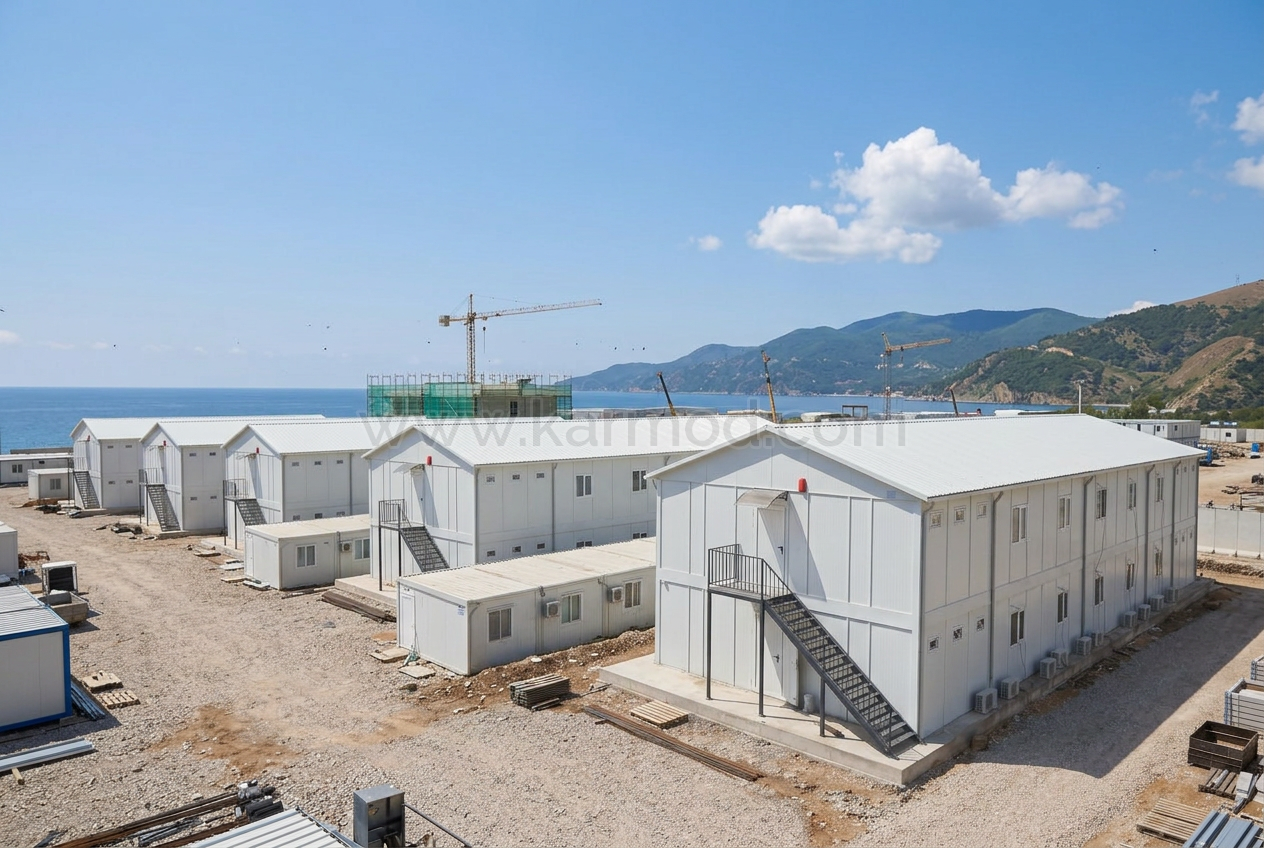
For temporary housing needs in Bulgaria, modular housing construction offers a reliable and efficient solution. This method is particularly suitable for transitional accommodation, seasonal workforce housing, or emergency response scenarios, where speed and flexibility are essential.
Advantages of modular construction for temporary housing include:
Through both permanent developments and temporary housing solutions, modular construction contributes to a more responsive housing system in Bulgaria. These approaches support dignity, stability, and community integration while addressing the practical realities of housing affordability.
In order to serve you better, if you could kindly send an e-mail to info@karmod.com for questions and details about your theoretical and special architectural plans, projects, and product specifications, your request will be responded to as soon as possible.

From one end of the world to the other, we enable our customers to reach the ready-made construction sector produced with the new technology of the world. We guarantee reliability through technology and innovation, flexible commercial models and smart supply chain solutions that add value for you, following the project production network.
Discover
Karmod is one of the largest prefabricated construction companies in Turkey, with a production of 45,000 m2. produces high quality prefabs and prefab containers