EN
EN 


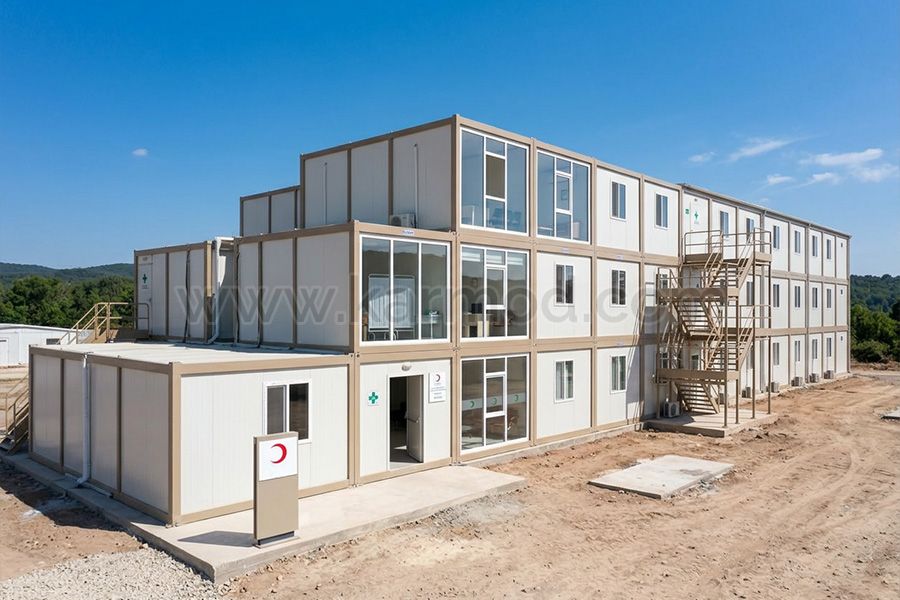
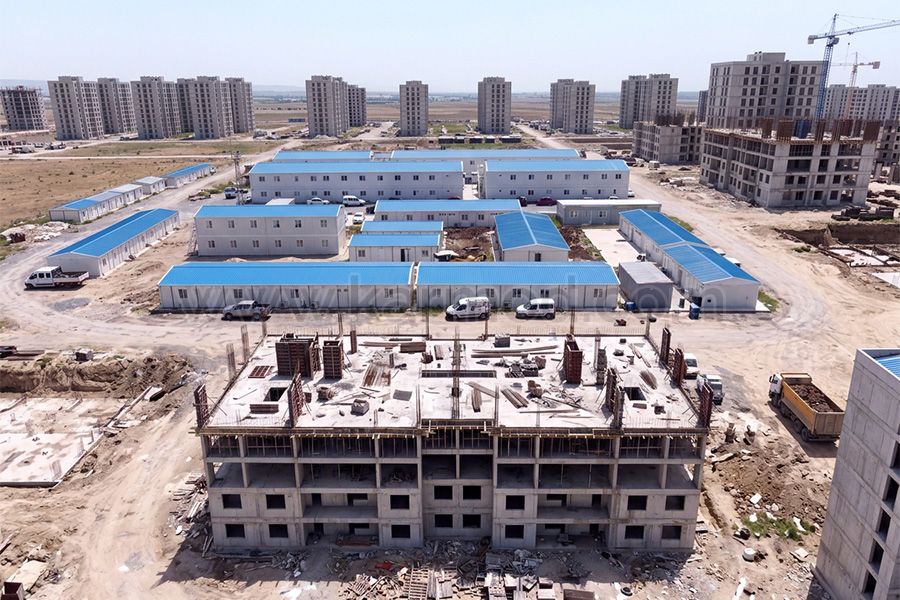
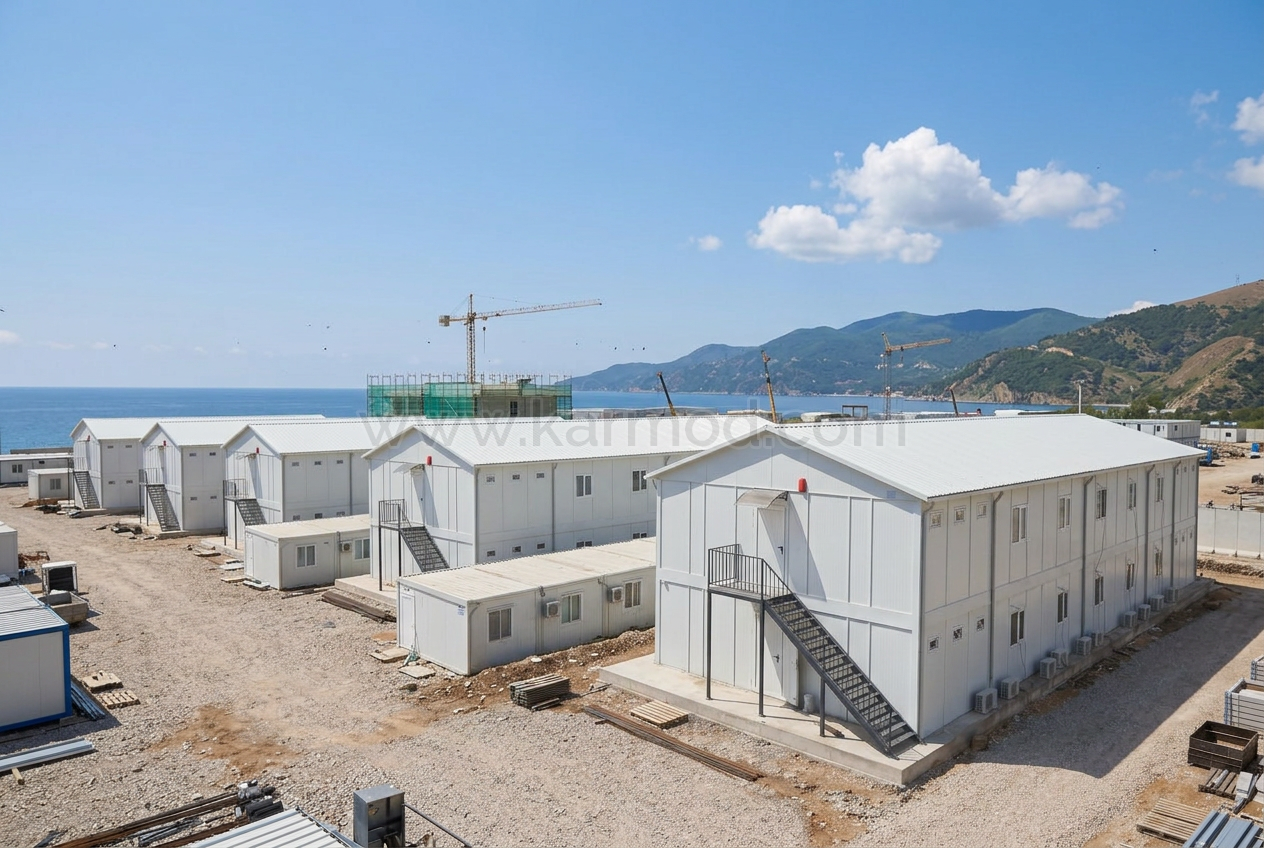
In Argentina, innovative housing models such as modular houses and prefab houses are helping transform the prospect of stable housing for low income families. Affordable social housing initiatives increasingly rely on construction methods that balance speed, cost control, and long-term usability. These solutions respond directly to urgent housing needs while supporting safe and dignified living conditions. Among the companies active in this field, Karmod is recognized for its experience in delivering housing systems that address the practical requirements of diverse communities across different regions.
Modular homes stand out for their adaptability and controlled production process. Manufactured in factory environments and later assembled on site, these homes achieve consistent construction quality while significantly reducing delivery times. This approach limits on-site disruption and lowers environmental impact compared to conventional building methods. Prefabricated homes follow a similar logic, with standardized components designed for efficient transport and rapid installation. Together, these systems support streamlined construction workflows that reduce waste and help keep housing costs within reach.
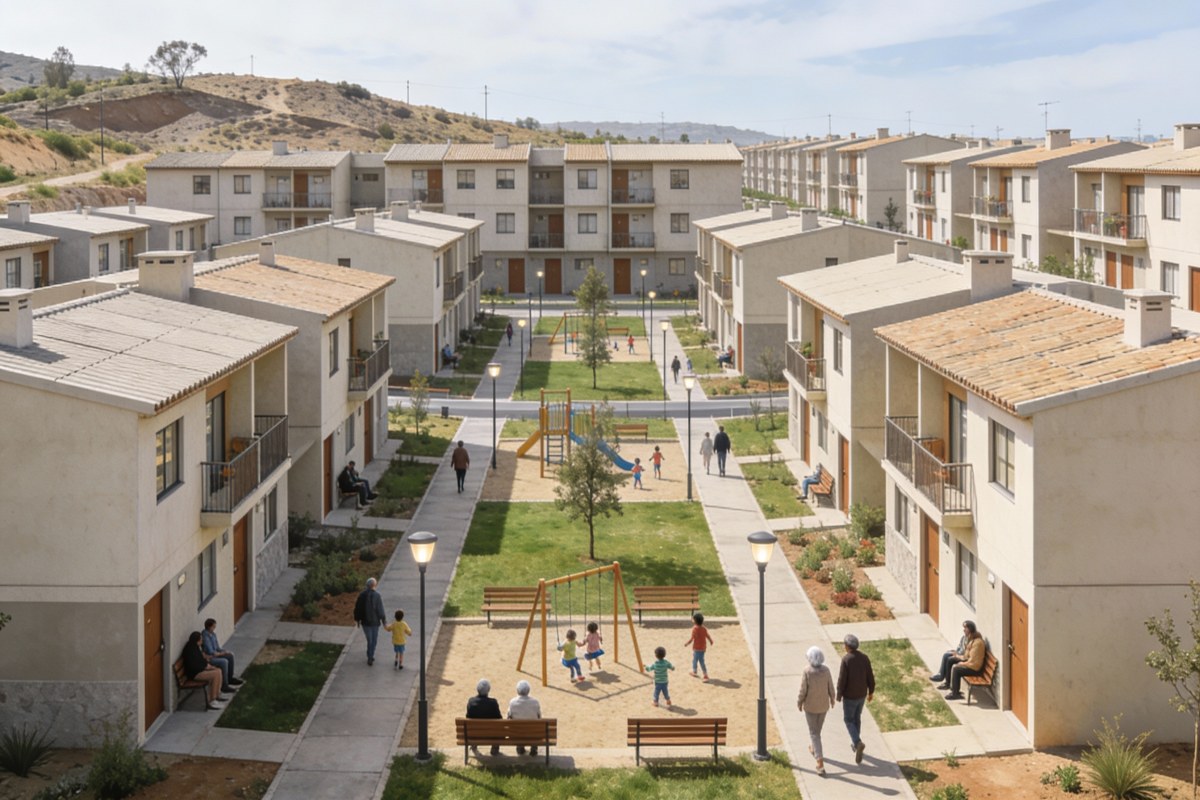
Karmod’s approach to affordable social housing extends beyond unit production alone. By leveraging modular and prefabricated construction, the company focuses on creating residential environments that support everyday life. Housing units are planned to provide comfort, safety, and functional layouts, contributing to a sense of stability and belonging for residents. This emphasis on long-term usability reflects a broader commitment to sustainable and inclusive housing delivery.


As housing demand continues to rise across Argentina, solutions that combine affordability with rapid delivery are increasingly relevant. Karmod’s modular and prefab housing models respond to these pressures by offering scalable options suited to different settlement contexts. Through this approach, social housing projects can be implemented more efficiently while helping low income households secure reliable places to live.
Efforts to expand affordable housing in Argentina increasingly emphasize construction models that support sustainability, efficiency, and community development. Modular social housing plays a key role in this shift by enabling structured delivery of low cost housing that aligns with public and social priorities. The objective extends beyond shelter provision to the creation of stable residential areas that support long-term well-being.


Low cost housing plans form the foundation of these initiatives. By optimizing space usage, standardizing components, and reducing material waste, modular construction helps control overall project costs. This efficiency allows housing providers to move away from resource-intensive traditional methods and deliver homes that remain financially accessible to a broader segment of the population.
Affordable housing for low income groups is increasingly approached as a structural necessity rather than a temporary response. Mobile affordable housing solutions contribute to this strategy by offering flexibility in deployment, allowing housing units to be relocated or reconfigured in response to urban development needs or population shifts.
Through modular housing construction, low income social housing projects in Argentina gain scalability and adaptability. Units can be assembled quickly and adjusted to different household requirements, supporting housing models that can evolve alongside the communities they serve.
Prefab and modular construction techniques are reshaping the landscape of low income housing in Argentina. These methods enable housing developments that are scalable, efficient, and aligned with affordability objectives. As a result, low cost housing projects are increasingly able to combine accessibility with consistent quality and durability.
Low cost housing schemes support this transformation by simplifying design and construction workflows. Standardized planning allows housing units to be delivered more rapidly, which is essential in contexts where housing shortages place immediate pressure on families and local authorities.
At the core of these efforts is low cost housing construction that relies on prefabricated components. This approach reduces build times and overall expenditure while limiting environmental impact, supporting more sustainable housing delivery models.
Providing affordable housing to low income families remains the central objective of these initiatives. Project planning prioritizes cost control and functional design to ensure that housing remains safe, comfortable, and accessible for the most vulnerable groups.


Mobile affordable housing solutions add an important layer of flexibility. Housing units can be repositioned or adapted as needs change, which is particularly valuable in dense urban areas where space constraints and demographic patterns continue to evolve.
The emphasis on low income social housing is also influencing how communities are planned. Modular construction supports the development of inclusive neighborhoods where shared infrastructure and proximity encourage social interaction and community integration.
Affordable modular housing construction has become a central strategy in addressing Argentina’s housing challenges. By prioritizing efficiency and cost predictability, modular systems offer a structured response to the growing demand for low cost housing. This approach represents a shift toward housing models that can be delivered quickly while remaining viable over the long term.
Argentina’s housing strategies increasingly address both immediate shelter requirements and long-term residential needs. Modular and prefab construction enables housing units to function as temporary accommodation or transition into permanent homes, depending on local priorities.
Within Argentina’s affordable housing landscape, Karmod operates as a mobile affordable housing manufacturer focused on modular construction systems. Its approach emphasizes consistency, adaptability, and controlled production to support low cost housing construction across different regions.
Meeting Argentina’s need for timely and flexible housing solutions requires construction methods that can adapt to both short-term and long-term demands. Modular housing construction offers a practical response by combining rapid deployment with affordability.
By aligning low cost housing strategies with modular construction principles, Argentina can address immediate housing shortages while supporting sustainable urban development and inclusive community growth.
In order to serve you better, if you could kindly send an e-mail to info@karmod.com for questions and details about your theoretical and special architectural plans, projects, and product specifications, your request will be responded to as soon as possible.

From one end of the world to the other, we enable our customers to reach the ready-made construction sector produced with the new technology of the world. We guarantee reliability through technology and innovation, flexible commercial models and smart supply chain solutions that add value for you, following the project production network.
Discover
Karmod is one of the largest prefabricated construction companies in Turkey, with a production of 45,000 m2. produces high quality prefabs and prefab containers