EN
EN 


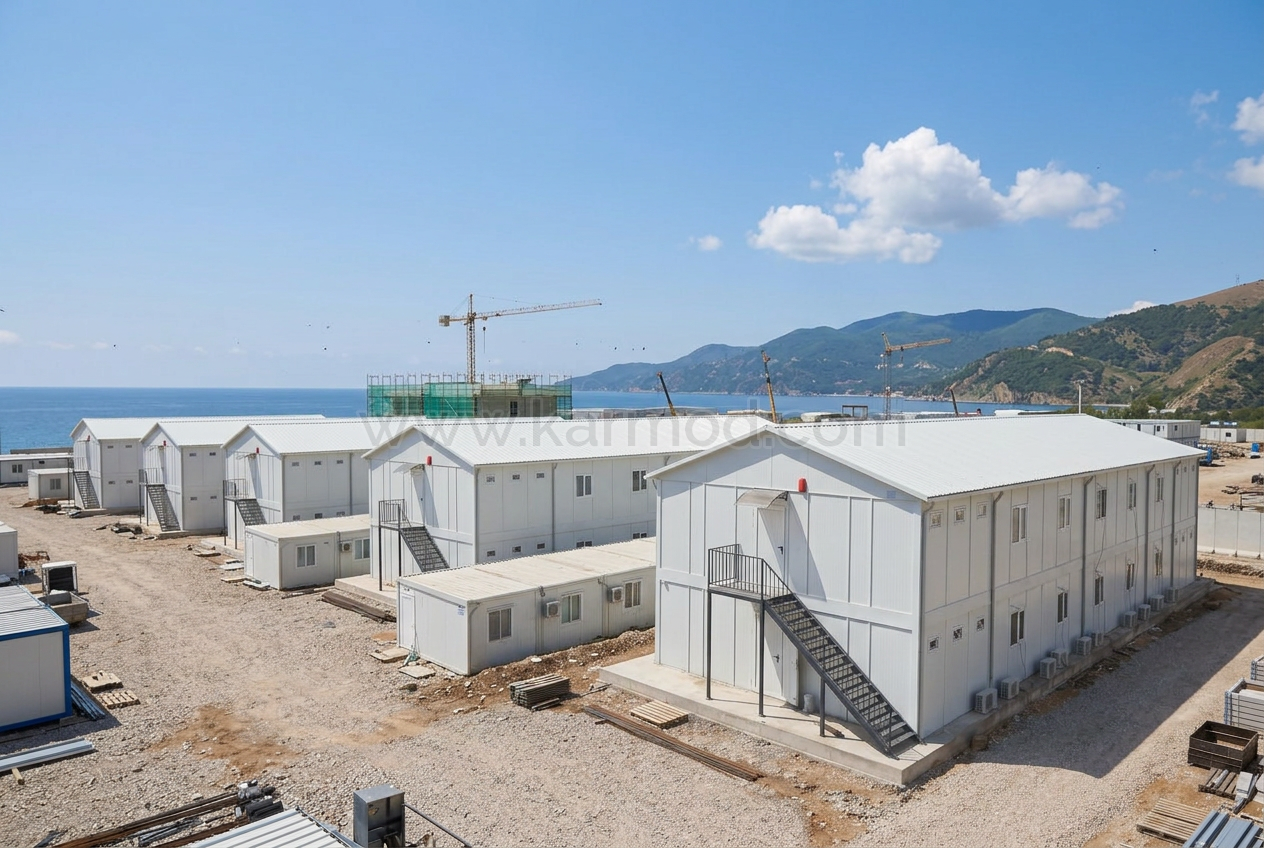
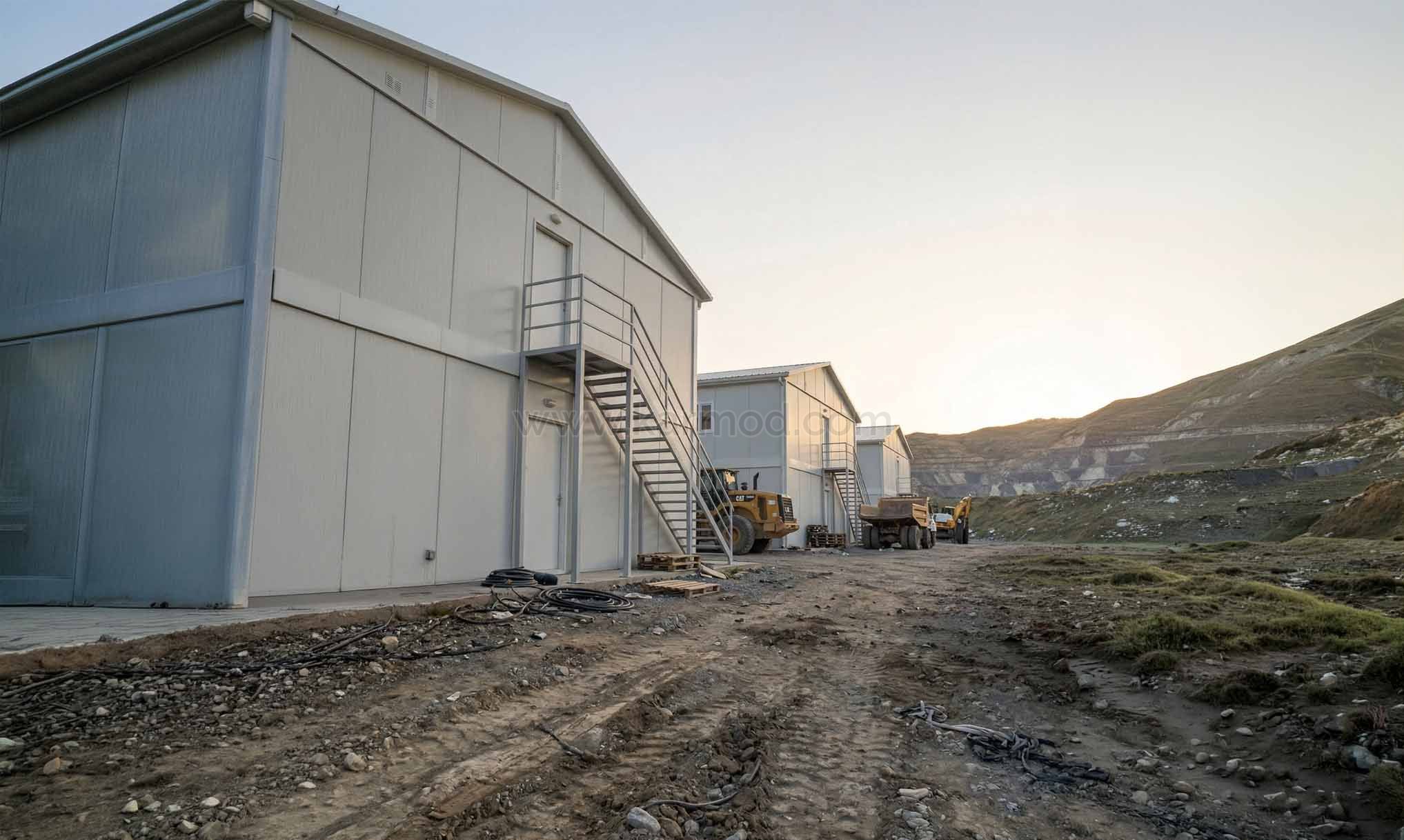
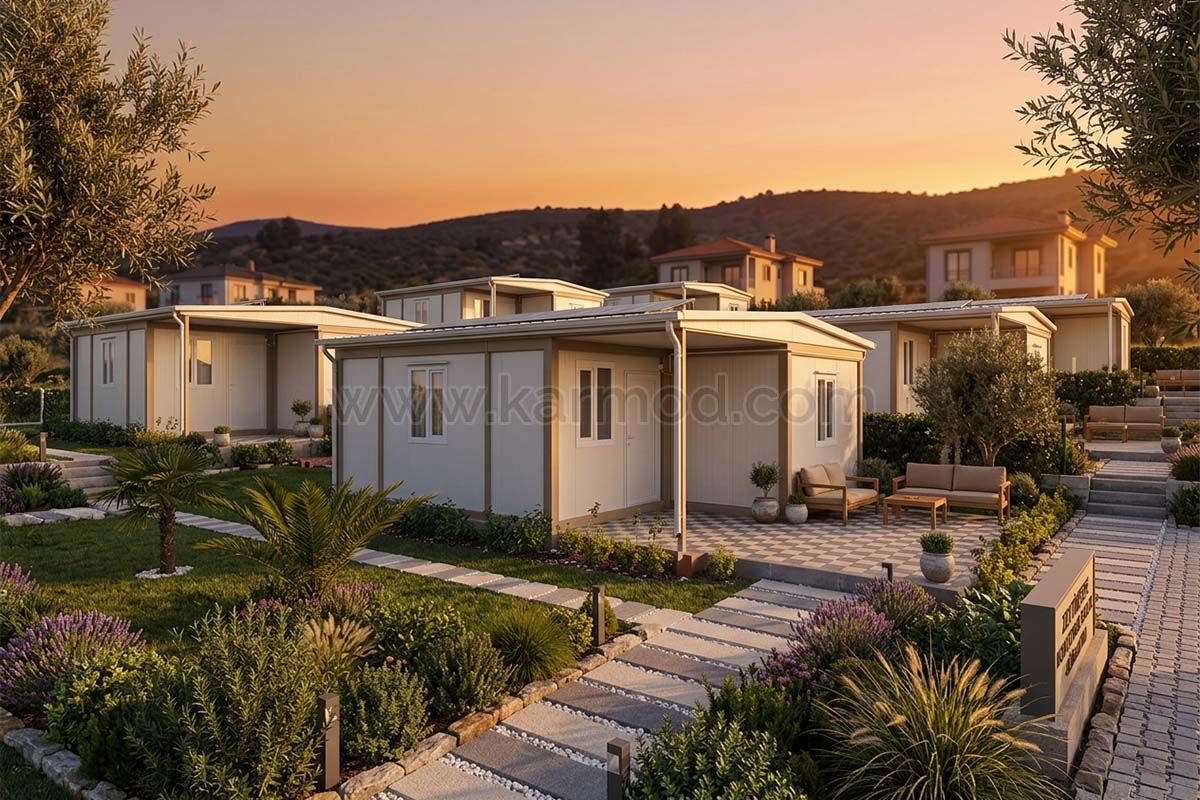
At the center of Algeria’s national development efforts, affordable social housing represents a critical response to the needs of low-income households. Through its experience in modular and prefabricated construction, Karmod contributes to this effort by delivering housing models that prioritize accessibility, cost control, and long-term usability. These solutions respond directly to the structural demand for low-cost housing in Algeria, where population growth, urban expansion, and housing affordability remain closely linked challenges.
Modular and prefab homes are defined by a construction approach that emphasizes efficiency, predictability, and durability. Housing units are produced in controlled factory environments and then assembled on site, reducing construction timelines while maintaining consistent quality standards. This process limits material waste, improves energy efficiency, and supports more sustainable building practices, all while remaining aligned with the financial realities faced by low-income families.
Karmod’s involvement in affordable social housing projects in Algeria reflects a focus on livability rather than short-term solutions. Each housing unit is designed to support family life, safety, and long-term comfort, while remaining adaptable to local conditions. By combining modern construction technologies with an understanding of community needs, these projects aim to strengthen social cohesion and provide stable residential environments rather than temporary fixes.
As Algeria continues to address housing supply gaps, modular and prefabricated housing models offer a scalable pathway forward. Each completed unit contributes to easing pressure on urban housing systems and expanding access to dignified living conditions. Through structured delivery models, controlled costs, and an emphasis on durability, affordable social housing becomes a practical instrument for long-term social development across the country.


Modular construction plays an increasingly important role in Algeria’s approach to public and social housing delivery. This method enables public authorities and project stakeholders to respond more effectively to housing demand by reducing construction timeframes and improving budget control. Modular social housing projects are particularly suited to low-income housing initiatives, where speed, cost transparency, and consistency are essential.
The modular construction model introduces a structured and repeatable process that supports large-scale housing programs. By assembling pre-engineered units on site, projects can be delivered with fewer delays and lower labor-related risks, making modular housing a reliable option for public housing developments.
The process of building modular social housing in Algeria incorporates several key advantages:
Prefabricated low-income housing projects offer Algeria a structured response to housing shortages by combining speed of delivery with consistent construction quality. Prefab systems rely on components manufactured in controlled environments, ensuring reliability and durability while reducing on-site complexity.
These projects are particularly suitable for public housing initiatives, where predictable timelines and standardized quality are essential. Prefabricated housing allows decision-makers to plan developments more accurately while maintaining focus on long-term housing affordability.
Key aspects of Algeria's prefab low income housing projects include:
By integrating modular and prefab housing approaches, Algeria establishes a practical framework for delivering affordable, high-quality social housing. These models support long-term sustainability while offering a replicable solution for regions facing similar housing challenges.


Modular housing construction is reshaping Algeria’s approach to affordable housing by offering a balance between efficiency and long-term performance. This method addresses key constraints associated with conventional construction, including extended timelines and escalating costs, while maintaining a focus on housing affordability.
Through the prefabrication of housing sections in factory environments, modular construction reduces on-site disruptions and improves resource management. This approach allows social housing projects to be developed at scale while maintaining consistent quality and operational efficiency.
Key advantages of modular housing construction in Algeria include:
Modular construction enables Algeria to address both immediate and long-term housing needs through adaptable delivery models. Temporary housing solutions can be deployed quickly in response to urgent demand, while permanent residences can be developed using the same construction principles.
This flexibility supports public housing strategies that require phased development or gradual expansion, allowing housing infrastructure to evolve alongside community needs.
This strategy addresses various housing needs by offering:
Through modular housing construction, Algeria gains a flexible and scalable tool for addressing housing affordability while supporting stable community development over time.
Karmod operates as a mobile affordable housing manufacturer in Algeria, contributing to social housing initiatives through modular construction expertise. Its housing solutions align with the objectives of low-cost housing development by emphasizing durability, efficiency, and adaptability.


The company’s approach integrates modern production techniques with an understanding of local housing priorities. By focusing on operating costs, material efficiency, and long-term usability, Karmod supports housing models that remain viable throughout their lifecycle.
Through modular housing construction, Karmod contributes to reducing environmental impact while improving project delivery efficiency. Its role within Algeria’s housing ecosystem reflects a commitment to responsible development and social housing accessibility.
Temporary housing solutions remain an essential component of Algeria’s broader housing strategy, particularly in response to displacement, infrastructure development, or emergency needs. Modular construction provides a practical framework for delivering temporary housing that meets safety and comfort requirements.
These housing units can be assembled, relocated, or repurposed with minimal disruption, offering flexibility without compromising structural integrity. Modular temporary housing aligns with broader affordable housing objectives by ensuring rapid availability while maintaining cost control.
By applying modular construction techniques to temporary housing, Karmod supports solutions that extend beyond immediate shelter. This approach contributes to community resilience and provides adaptable housing infrastructure that can evolve alongside Algeria’s long-term social housing goals.
In order to serve you better, if you could kindly send an e-mail to info@karmod.com for questions and details about your theoretical and special architectural plans, projects, and product specifications, your request will be responded to as soon as possible.

From one end of the world to the other, we enable our customers to reach the ready-made construction sector produced with the new technology of the world. We guarantee reliability through technology and innovation, flexible commercial models and smart supply chain solutions that add value for you, following the project production network.
Discover
Karmod is one of the largest prefabricated construction companies in Turkey, with a production of 45,000 m2. produces high quality prefabs and prefab containers