EN
EN 


In the quest for affordable social housing in the United States of America, innovative delivery models are more critical than ever. Construction approaches that shift key work off-site into controlled environments are reshaping how public authorities, municipalities, and housing partners plan and deliver low-income housing. Karmod stands at the forefront of this shift, offering solutions that support not only housing supply, but also long-term stability for households facing housing insecurity.
The beauty of modular and prefab home construction lies in flexibility, repeatability, and scale. Off-site production can reduce build timelines and stabilize costs, making it a practical option for responding to urgent low-income housing needs across the United States. With Karmod's expertise, these homes are engineered for durability and everyday performance, supporting housing affordability without lowering expectations for safety, comfort, or build quality.
Karmod's commitment to innovation in modular and prefab housing reflects a consistent focus on practical outcomes: reliable delivery, predictable budgets, and housing solutions that can be deployed for diverse community needs, from scattered-site units to larger public housing projects.


As communities continue to navigate the challenges of providing adequate, affordable housing, the role of manufacturers and builders with proven industrialized methods becomes increasingly important. Karmod’s contribution to the development and adoption of modular and prefab homes strengthens the toolkit available to housing stakeholders, helping expand access to stable, dignified housing while supporting community integration and long-term sustainability.
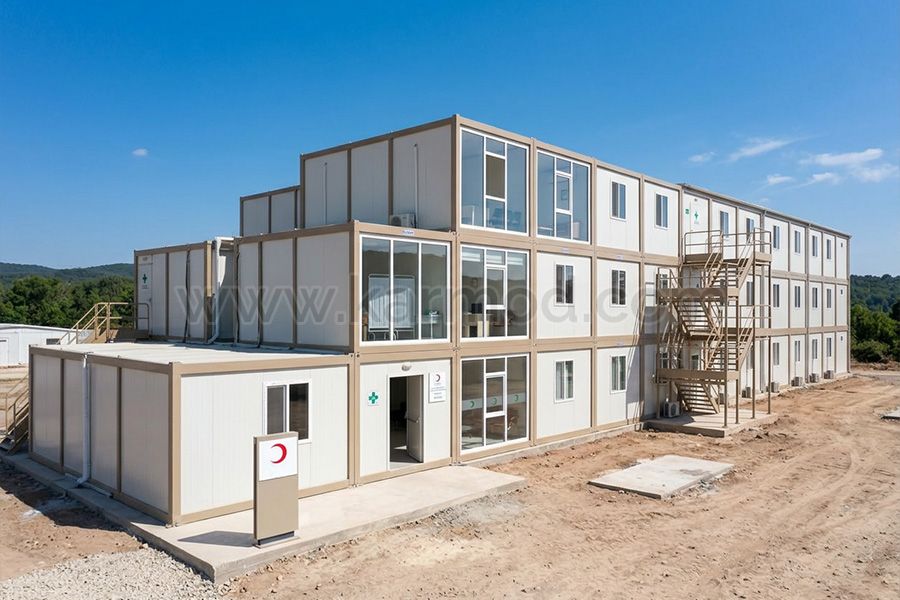
In efforts to address affordable housing pressures in the United States of America, modular housing construction has become a practical method for delivering quality housing at scale. By prefabricating homes in sections and assembling them on-site, modular construction supports faster project delivery and more predictable construction scheduling—advantages that matter for publicly supported housing and time-sensitive development programs.


One of the key advantages of modular construction is quality consistency. Unlike traditional construction, which can face delays from weather and other external conditions, modular homes are produced in controlled factory settings that support tighter tolerances, improved inspection processes, and reduced material waste. For low-income housing, these efficiencies can translate into better cost control and clearer timelines, aligning with low cost housing ideas that prioritize delivery certainty.
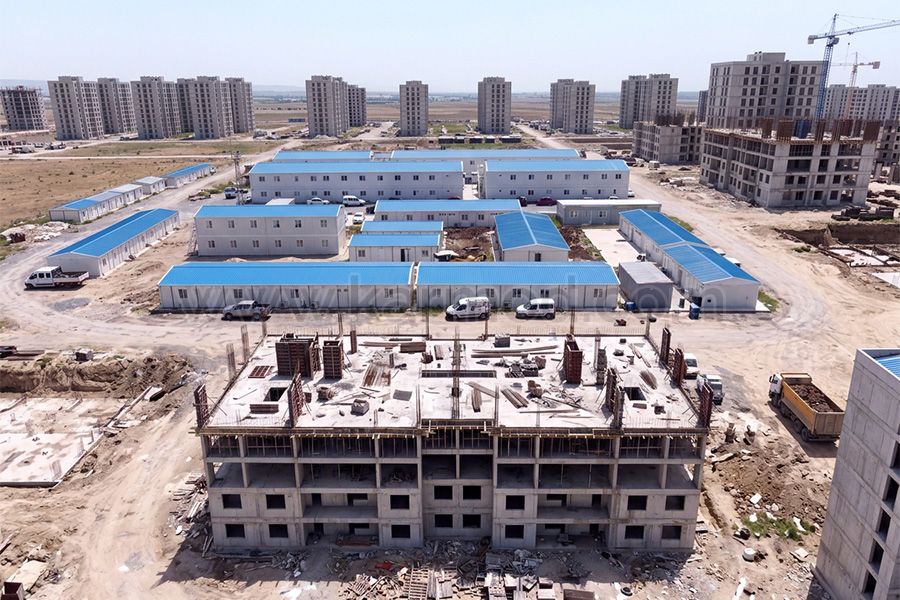
Moreover, the adaptability of modular housing construction allows a wide range of low cost housing plans to be implemented across different contexts and site constraints. From compact single-family homes to multi-unit developments, modular systems can be configured to support affordable housing for low income households while strengthening community integration through thoughtful site planning and shared amenities.


The potential of modular social housing extends beyond affordability; it also supports energy performance and long-term operating cost management, helping residents and housing providers maintain housing affordability over time.
It’s imperative for stakeholders, including policymakers, developers, and community organizations, to consider modular housing construction as a core component of affordable housing strategies. When applied responsibly, this approach offers a viable pathway to narrowing the housing affordability gap and expanding access to safe, durable, and sustainable housing.
Prefab homes have become an important tool in responding to housing affordability challenges in the United States of America. These prefabricated structures support faster delivery and more predictable construction workflows, making them relevant for low income social housing initiatives that must balance tight budgets with high expectations for safety and livability.
The path toward affordable housing for low income households increasingly includes prefab construction because key building elements are manufactured in factory settings and then transported to the installation site. This can reduce labor intensity, shorten timelines, and limit waste—factors that strengthen low cost housing construction efforts without compromising essential performance standards.
Advancing low cost housing plans through prefab development also expands design options. From single-family dwellings to larger housing complexes, prefab homes can be configured in multiple layouts, supporting scalability for public housing projects and nonprofit-led developments. This flexibility helps align project scope with land availability, infrastructure capacity, and community priorities.
Prefab housing projects are not only about shelter; they are also about building stable neighborhoods. When projects incorporate shared spaces, accessible pathways, and well-considered outdoor areas, they can support resident wellbeing, improve community cohesion, and strengthen long-term neighborhood outcomes.
The pursuit of affordable housing in the United States of America has increased attention on modular housing construction as a method that combines cost discipline, speed, and flexible project design. This approach supports the goal of affordable housing for low income households by improving delivery predictability and reducing on-site construction risks.
The essence of modular housing construction is process control. By shifting production into a factory setting, projects can reduce delays, stabilize quality, and streamline logistics—advantages that can help keep developments within budget and accelerate occupancy. The result is a practical pathway for low cost housing plans that must meet both timeline and performance expectations.
For households facing housing affordability pressures, modular construction can support diverse residential options. By leveraging low cost housing ideas through repeatable building systems, developers and housing providers can deliver units ranging from compact homes to family-oriented layouts, including mobile affordable housing configurations where appropriate for community needs.
The role of modular housing in low income social housing is significant because the method scales effectively. Modular systems can support infill projects in urban areas and larger developments in suburban or rural settings, helping address varied housing needs across different regions and climates.
Modular housing construction remains a key strategy in expanding affordable housing supply in the United States of America. By applying industrialized building methods responsibly, it becomes possible to reduce barriers to housing affordability while supporting inclusive, stable communities.
The challenge of providing low cost social housing in the United States requires flexible, implementation-ready solutions. Whether the immediate need is temporary shelter or long-term housing, the focus remains on creating environments that are affordable, safe, and suitable for everyday living.
By embracing modular housing construction, the United States has the opportunity to address housing needs in a way that is both innovative and inclusive. Whether providing temporary shelter after a disaster or building permanent communities for low-income families, modular and prefab solutions represent a practical pathway to affordable, quality housing.
Within the United States’ broader effort to improve housing affordability, Karmod operates as a manufacturer focused on mobile affordable housing solutions that support faster delivery and predictable project execution. By combining low cost housing ideas with modular housing construction, Karmod contributes housing units designed for efficient deployment while maintaining durability and everyday livability.
Karmod’s approach addresses common constraints in affordable housing delivery by simplifying construction workflows and improving quality control through factory-based production. For low-income families, this can help translate project efficiencies into more attainable housing outcomes, supporting affordable housing for low income without reducing build standards.
Karmod’s work in low-income social housing also highlights the value of adaptability. Modular units can be configured or relocated based on community needs, helping housing providers respond to changing demand patterns while keeping operating costs and long-term maintenance considerations in view.
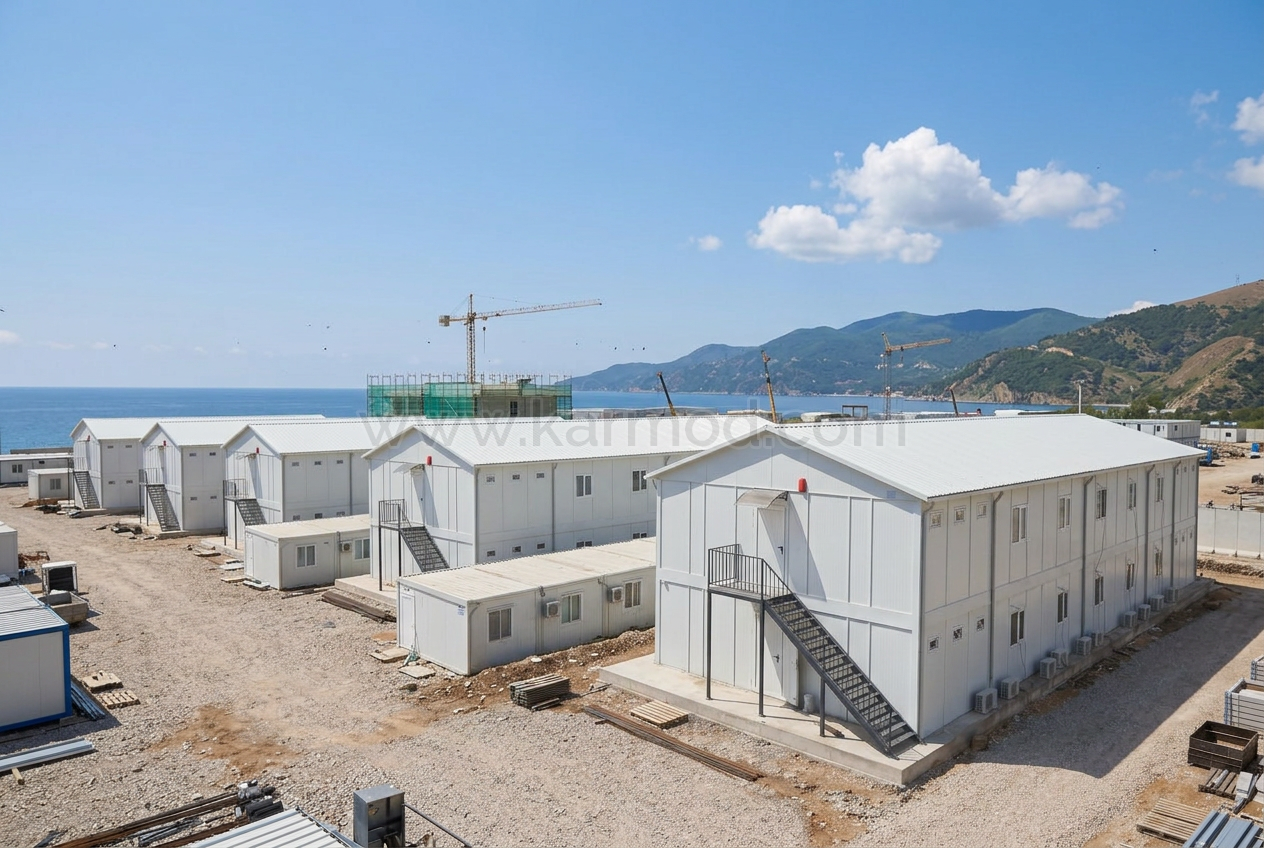
For temporary housing delivery in the United States of America, modular housing construction stands out as a practical method that combines speed, efficiency, and affordability. By manufacturing housing components in advance and assembling them quickly on-site, stakeholders can deliver low cost housing plans and units rapidly, without sacrificing essential safety or comfort.
This approach is well suited to emergency needs where timely deployment matters, including housing after natural disasters or during short-term displacement. Because production is largely completed in controlled environments, projects can move forward with fewer weather-related interruptions and clearer delivery schedules, supporting immediate low-income social housing needs.
The scalability of modular housing construction means projects can be sized to fit local demand, from a small number of units to neighborhood-scale developments. Combined with the lower waste profile associated with prefab construction, modular housing offers a strong framework for temporary housing solutions that remain dignified, stable, and cost-conscious.
By focusing on low cost housing construction and plans, stakeholders can use modular systems to provide safe and flexible temporary accommodation while strengthening longer-term affordable housing capacity. In this way, modular construction supports both immediate response and broader housing resilience across communities.
In order to serve you better, if you could kindly send an e-mail to info@karmod.com for questions and details about your theoretical and special architectural plans, projects, and product specifications, your request will be responded to as soon as possible.

From one end of the world to the other, we enable our customers to reach the ready-made construction sector produced with the new technology of the world. We guarantee reliability through technology and innovation, flexible commercial models and smart supply chain solutions that add value for you, following the project production network.
Discover
Karmod is one of the largest prefabricated construction companies in Turkey, with a production of 45,000 m2. produces high quality prefabs and prefab containers